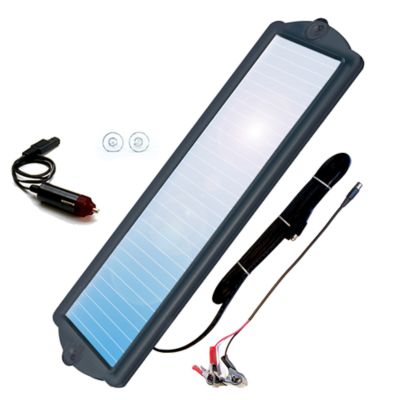
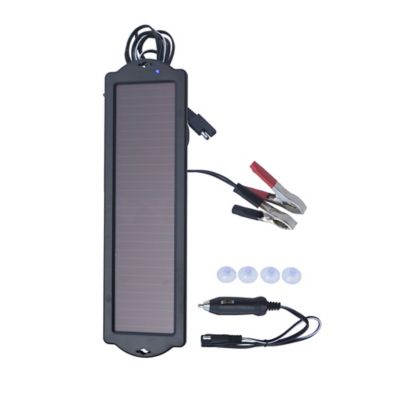
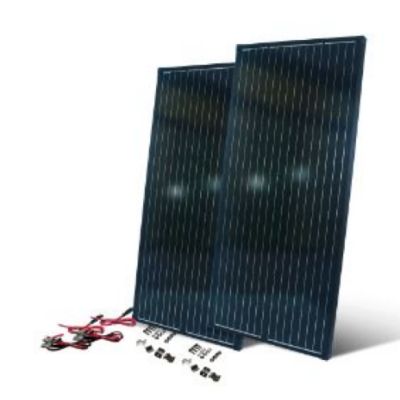
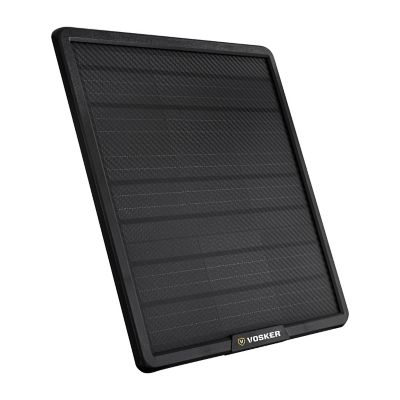
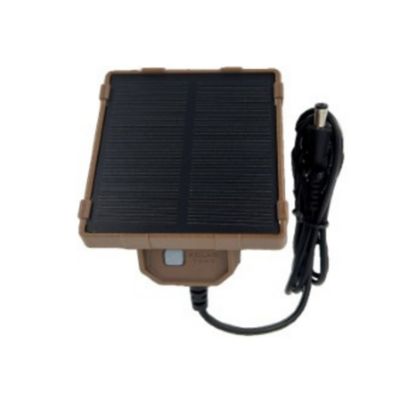
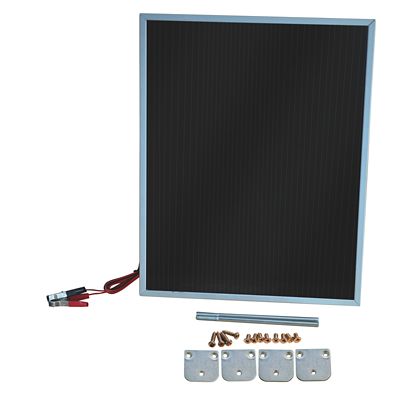
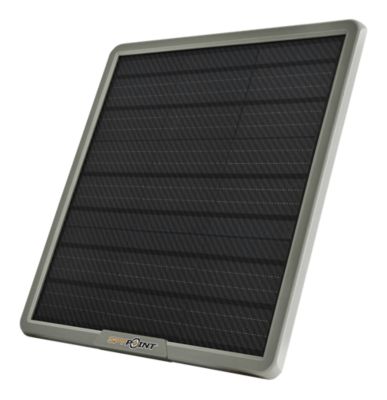
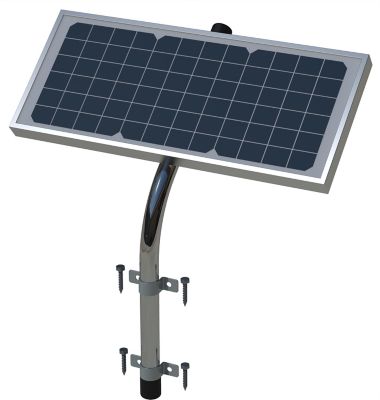
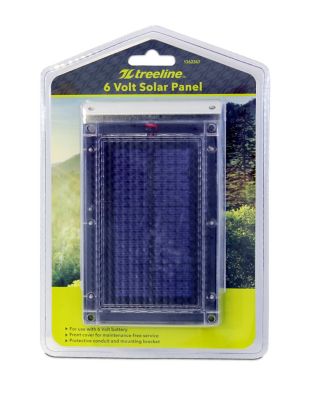
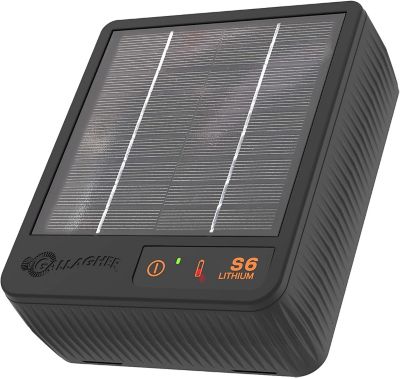
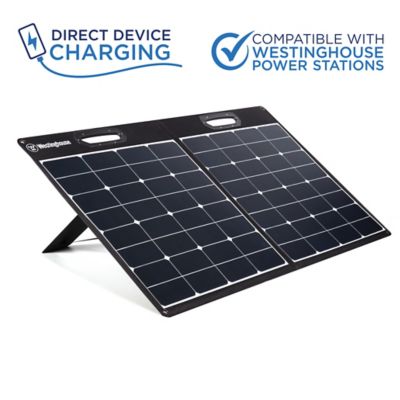
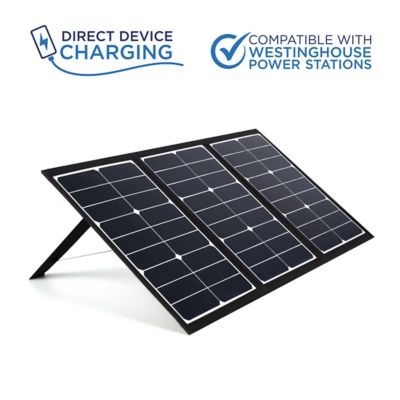
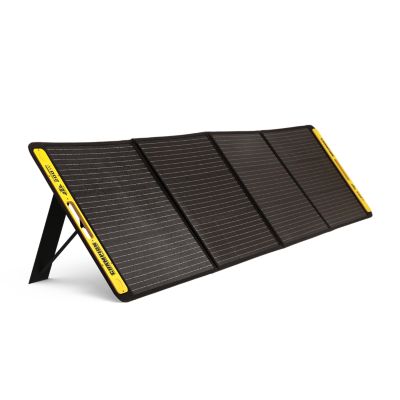
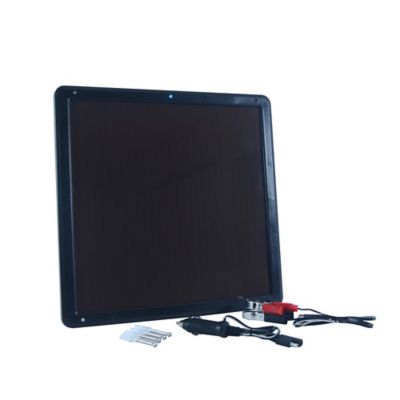
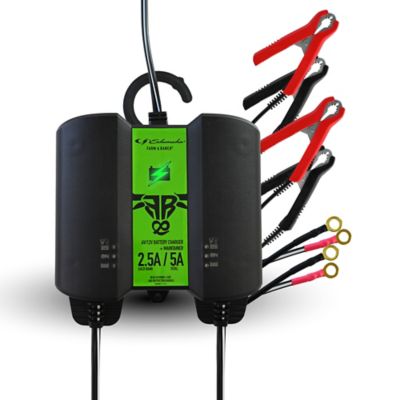
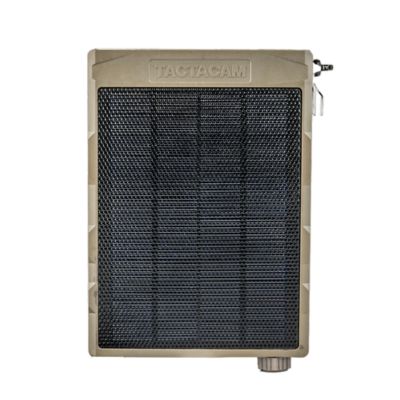
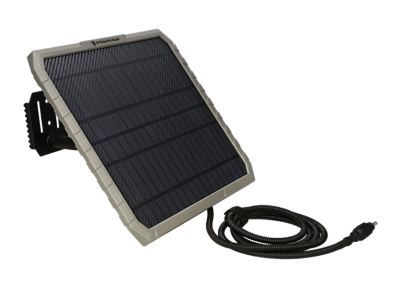
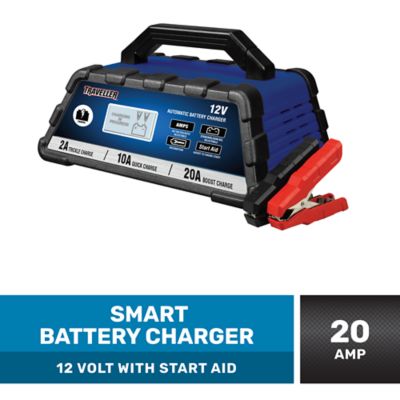
Solar battery maintainers are a handy way to help keep a healthy 12-volt battery ready when a vehicle, boat or piece of equipment spends more time parked than running. A small solar panel turns available daylight into a low, steady flow of direct current that offsets the battery’s natural self-discharge and minor electrical drains. That makes these maintainers a practical fit for cars stored for weeks, motorcycles tucked away during the cooler months, farm equipment used only on certain jobs, campers between trips, and boats or utility trailers waiting for their next outing. They are also useful around a barn, garage or hunting cabin where an outlet may be hard to reach. A maintainer is not meant to bring a badly worn-out or completely dead battery back to life; it works best when connected to a sound battery that already has a reasonable charge. In simple terms, it helps the battery stay topped off rather than acting like a high-powered charger. When comparing solar battery maintainers, start with the battery and equipment you plan to maintain, then consider the panel’s wattage, the expected sunlight and the amount of electrical draw. Units in the 5- to 10-watt range are commonly suited to maintaining an already healthy battery in a car, motorcycle or small piece of equipment that sits for stretches of time. Larger 20- to 50-watt units may be a better match for an RV, marine setup or larger battery bank, especially when the equipment has a heavier parasitic load from items such as alarms, tracking devices, dash cameras or other always-connected electronics. The right size depends on the setup, so a panel that is more powerful is not automatically the best choice for every battery. For a broader look at energy storage options, visit
Solar Batteries.
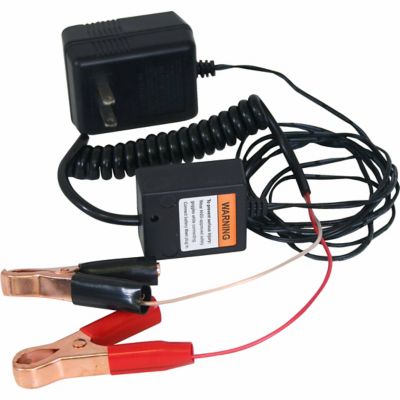
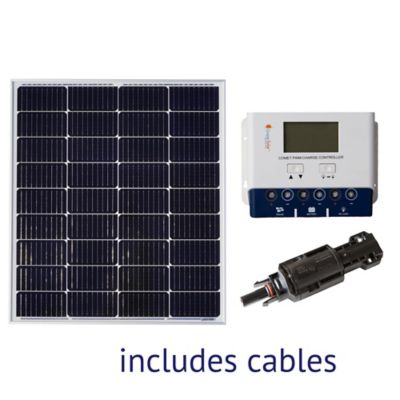
Connection options can make a big difference when a maintainer is used on a regular basis. Many include alligator clips for a quick temporary connection, ring terminals for a more secure semipermanent connection and a 12-volt accessory plug for convenient use with compatible vehicles and equipment. Before relying on an accessory plug, check whether that outlet stays powered when the ignition is off. On many newer vehicles, the port shuts down with the key, which means the maintainer cannot reach the battery while the vehicle is parked. In that situation, ring terminals or clips connected directly to the battery may be the better choice, following the equipment and battery manufacturer’s instructions. A built-in blocking diode helps keep power from flowing backward out of the battery through the panel after dark, while a charge controller or regulator helps manage the panel’s output and protect against overcharging. Smaller panels may be designed for direct connection, but higher-wattage panels, particularly those around 10 watts and above, should have an appropriate controller or MPPT regulator unless the manufacturer clearly states otherwise. Look for weather-resistant construction if the panel will be outdoors, along with a cable length that reaches the battery without resting across sharp edges, hot engine parts or moving components. Placement matters, too: a clean, unobstructed location with plenty of daylight generally gives the panel a better chance to do its job, while shade from a shed roof, tree or windshield frame can reduce output. Keep the panel and connections secure, and inspect the wiring from time to time for cracked insulation, loose terminals or moisture. These maintainers can be a thoughtful gift for someone who keeps a classic pickup, motorcycle, tractor, RV or fishing boat, especially when their equipment sits through changing seasons. They also suit rural property owners who want to spend less time dealing with a dead battery and more time getting chores done, whether that means hauling feed, checking fence lines or heading out to the lake. A well-matched solar battery maintainer quietly gathers daylight while equipment rests, helping make the next start a little less of a gamble.