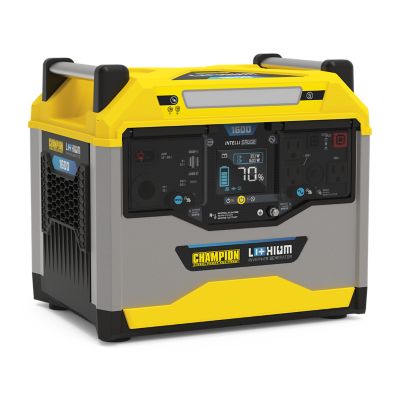
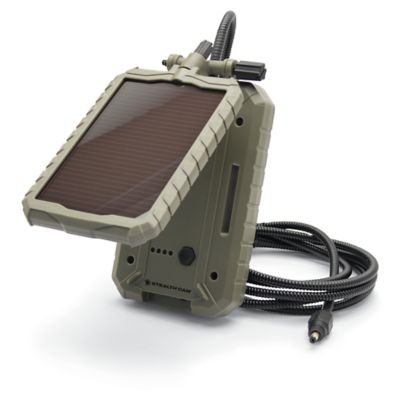
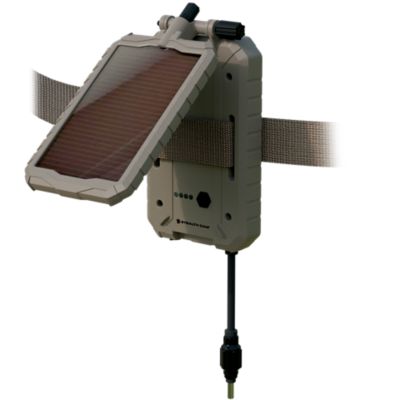
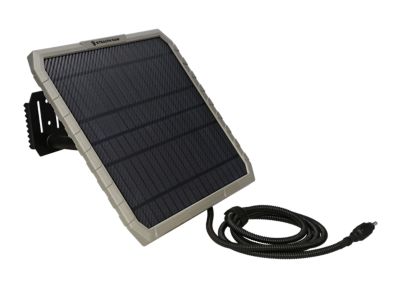
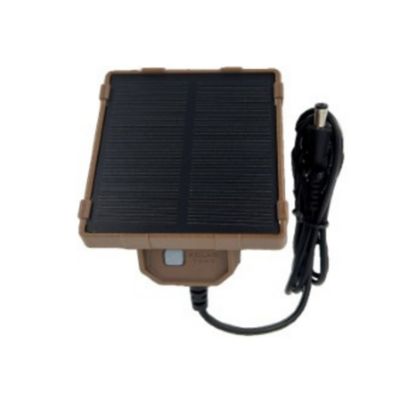
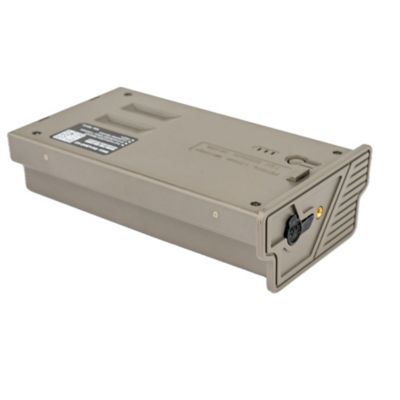
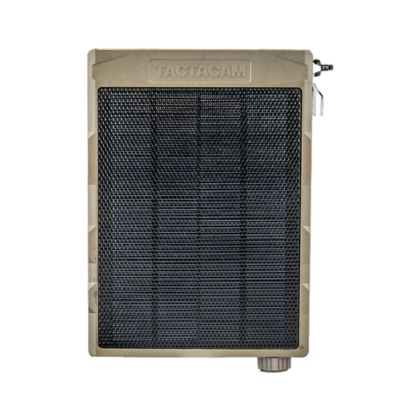
Solar batteries store electricity from solar panels for later, helping keep power on hand after sunset or whenever a compatible system needs stored energy. The panels generate electricity, the charging equipment manages that electricity, and the battery holds it until a load draws power. Around a rural property, that might mean lighting in a shed away from the house, a solar-powered fence energizer along a pasture, or essential circuits at an off-grid cabin. RV owners, landowners and homeowners may all have a place for solar battery storage, but those jobs can call for very different battery sizes and electrical connections. A small, steady load has different demands than a pump motor that needs a brief burst of starting power. Deep-cycle batteries are built for repeated charging and discharging, unlike engine-starting batteries designed mainly to deliver short bursts of current. Even within the deep-cycle category, the intended application matters: a battery that fits a fence charger is not automatically a match for an RV battery compartment or a residential storage system. Common battery-bank voltages include 12, 24 and 48 volts, and the battery, charge controller and inverter must work together at compatible voltages. Capacity is another part of that match. Amp-hours describe charge capacity at a stated voltage, while watt-hours and kilowatt-hours describe stored energy, making them more helpful when comparing systems with different voltages. A larger energy rating generally means more potential runtime, but actual runtime also depends on the load, conversion losses and the portion of stored energy the battery manufacturer allows the system to draw. For a cabin with evening lights and a small refrigerator, those details matter more than the size of the battery case alone. Solar storage works best as part of a matched system, with enough panel output and charging capacity to replenish the energy that everyday tasks take out.
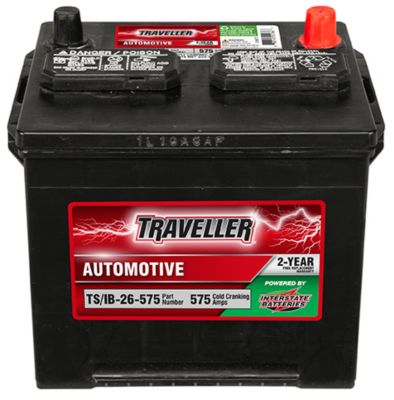
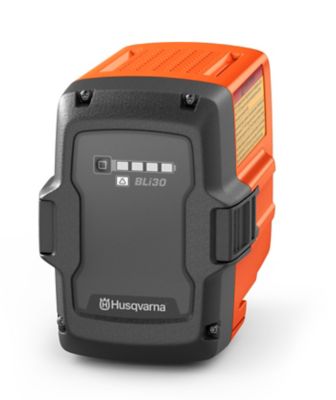
Battery chemistry shapes how that storage performs and what kind of attention it needs over time. Lithium iron phosphate, often called LiFePO4 or LFP, is a lithium-ion chemistry common in solar storage because it can offer substantial usable capacity, relatively low weight and many charge-discharge cycles. Many lithium solar batteries include a battery management system that monitors operating limits and helps protect the cells, though that protection does not replace compatible charging equipment or proper installation. Lead-acid solar batteries include flooded, absorbed glass mat and gel designs. Flooded lead-acid batteries generally require more routine care, including electrolyte checks and water additions when specified by the manufacturer, along with ventilation suitable for gases released during charging. AGM and gel batteries have sealed designs that eliminate routine watering, but they still have charging limits and installation requirements. These chemistries are not interchangeable simply because two batteries share the same voltage rating. Charging profiles, allowable discharge levels and connections all affect compatibility and service life. Physical fit deserves just as much attention, especially in a tight RV compartment, a fence charger enclosure or a utility area with limited floor space. Case dimensions, weight, terminal position and mounting orientation determine whether a battery can sit securely without strained cables or exposed connections. Molded housings and protected terminals help keep the working parts contained, while a suitable enclosure adds protection appropriate to the installation. Cable size, terminal hardware and overcurrent protection must also match the system's electrical demands. A tidy installation leaves room for inspection and service rather than packing batteries so tightly that connections are hard to reach. For owners comparing solar batteries with other
outdoor batteries, the important distinction is the job each battery is designed to handle. Similar-looking cases can hold batteries with very different charging needs, discharge capabilities and mounting restrictions. Manufacturer specifications provide the basis for that comparison, including whether multiple batteries can connect in series or parallel and whether additional communication equipment is necessary.
The right solar battery setup also depends on how power moves between the panels, storage and the equipment it serves. In a home installation, AC-coupled storage connects on the alternating-current side through a battery inverter, while DC-coupled storage connects on the direct-current side through compatible charging and inverter equipment. Existing solar equipment does not automatically support either arrangement. An off-grid cabin may need an inverter for household-style outlets, while a purpose-built solar fence system may supply its load directly from a compatible low-voltage battery. Whole-home storage brings another set of considerations, including circuit loads, utility requirements and professional installation. A grid-connected battery does not automatically supply electricity during an outage; backup operation requires equipment designed for that function and proper isolation from utility lines. Continuous power output determines how much equipment can run at once, while surge output matters for motors and other loads with a higher starting demand. Stored energy determines how long those loads can run, so power and capacity ratings tell different parts of the story. A well-matched setup accounts for both, whether the goal is keeping a gate opener ready or carrying selected household circuits through an interruption. Long service life also depends on everyday care. Clean, secure terminals, charging settings matched to the battery chemistry and attention to manufacturer operating limits help prevent avoidable trouble. Batteries that sit idle still need an appropriate storage and charging plan; leaving a depleted battery unattended can shorten its working life. Swelling, leaks, damaged housings or unusual operation call for taking the battery out of service and following the manufacturer's safety directions. End-of-life batteries belong in an appropriate battery recycling program, not household trash. From a pasture fence to a cabin power bank, solar batteries earn their place by matching stored energy to a real task. The most suitable choice balances capacity, power output, charging compatibility, physical fit and the amount of upkeep the owner can reasonably manage.