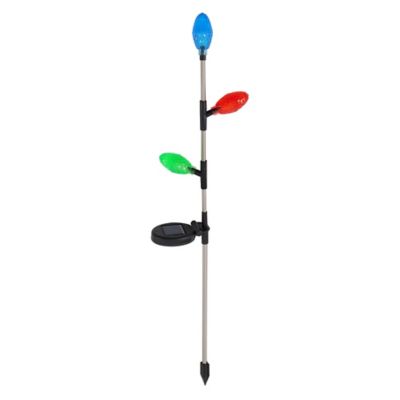
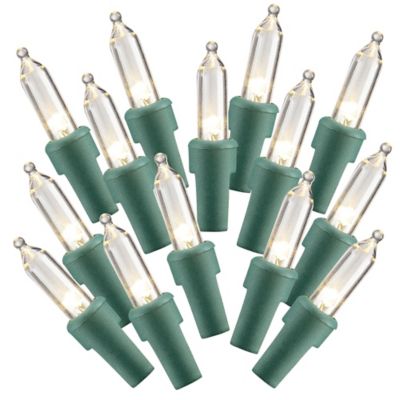
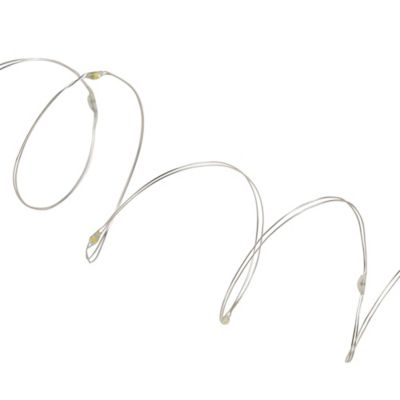
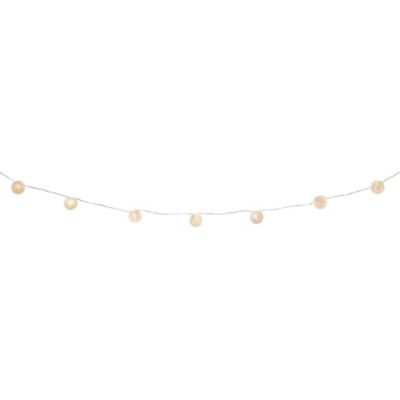
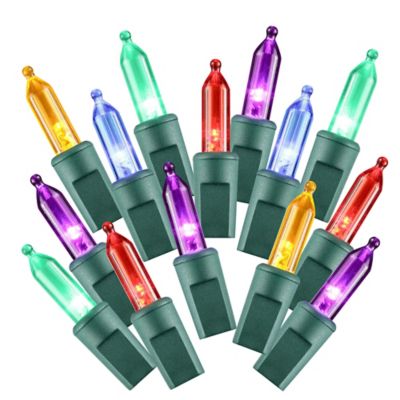
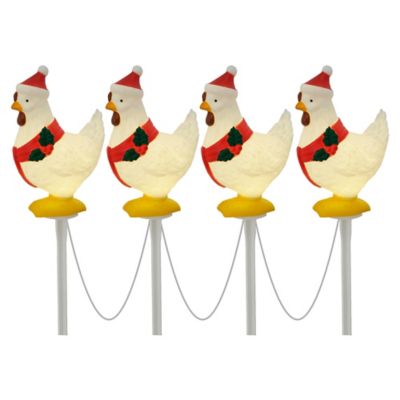
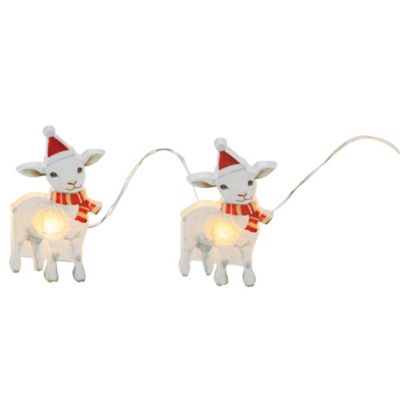
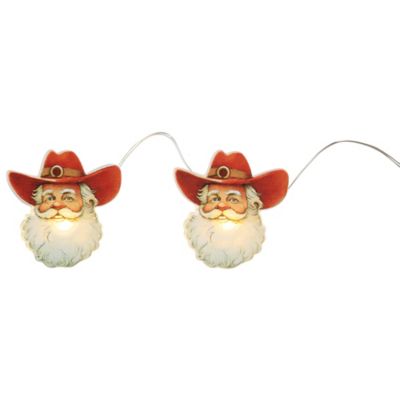
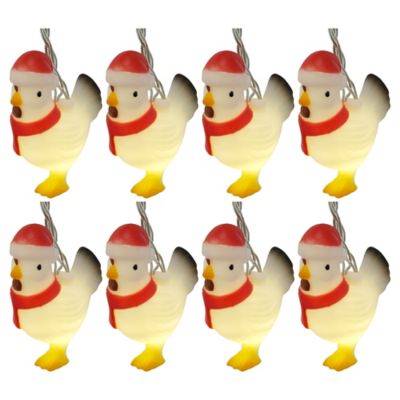
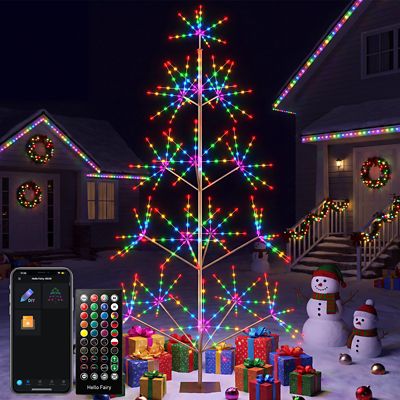
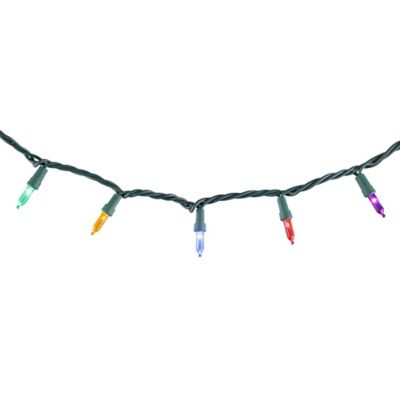
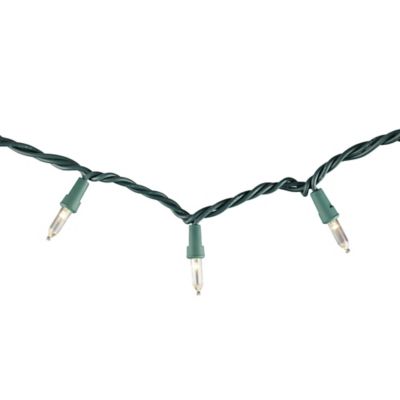
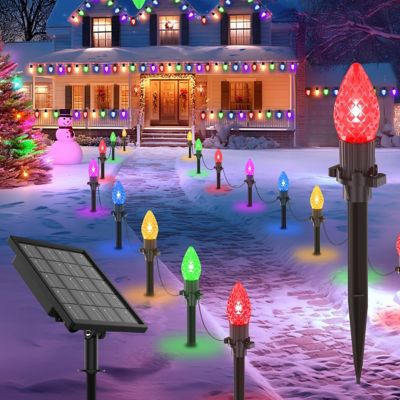
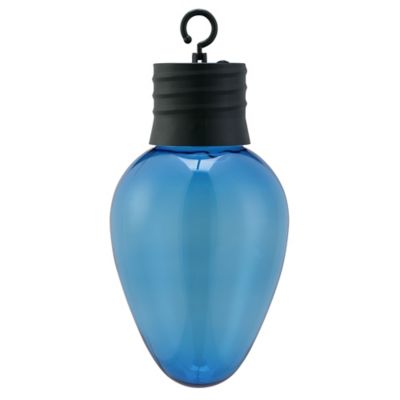
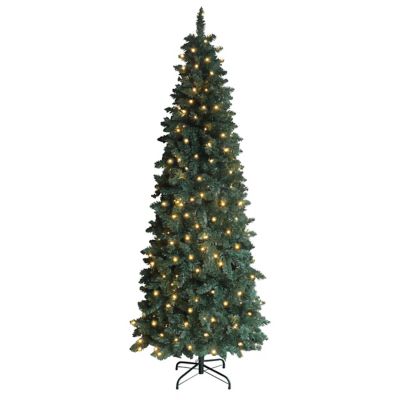
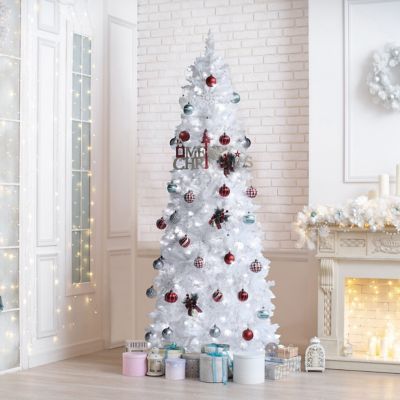
Christmas LED lights use light-emitting diodes to brighten trees, rooflines, porches and other holiday displays. Compared with traditional incandescent Christmas lights, LED sets generally draw less electricity, produce less heat and have a longer rated lifespan. Some sets can use up to 90% less electricity than comparable incandescent lighting, although the difference depends on the lights and their power requirements. That lower energy demand can make a difference when a display runs across a wide front porch or fills several trees. Less heat does not mean heat-free, so proper placement and electrical connections still matter indoors and out. Beyond those practical benefits, LED lighting offers plenty of ways to give a home a familiar Christmas glow. Warm white lights have a softer, golden appearance that suits a living room tree, a wreath above the mantel or the posts of a farmhouse porch. Cool white lights have a crisp appearance that stands out against dark evergreen branches. Multicolor lights bring a cheerful look to family trees, front windows and entryways, while single-color strands can carry a simple theme across several parts of a property. Color temperature varies between sets, even when both carry a white-light description, so matching that detail helps adjoining sections look consistent. Bulb shape makes a difference, too. Small points of light tuck neatly among branches, while larger bulbs create a more pronounced outline along eaves and porch edges. For wrapping branches, tracing railings and outlining windows,
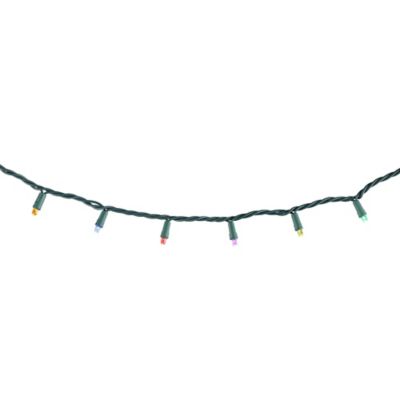
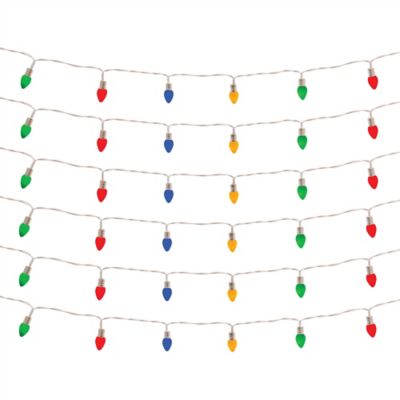
LED Christmas string lights offer a flexible format with evenly spaced bulbs. Green wire tends to blend into evergreens, while white wire is less noticeable against pale trim. Dark wire can blend with shaded backgrounds. Those small details help keep attention on the glow rather than the cord, whether the display is a single tree in the front window or a welcoming line of lights along the house.
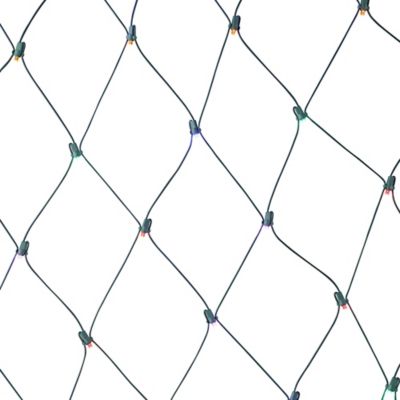
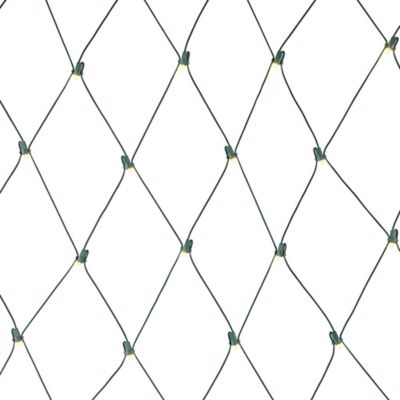
The right fit for Christmas LED lights involves more than matching the overall strand length to a space. Lighted length describes the section that contains bulbs, while total length may also include an unlit lead between the plug and the first bulb. That distinction matters when the outlet sits several feet from a tree or the first porch post. Bulb spacing affects coverage as well: closely spaced lights create a fuller appearance, while wider spacing gives each bulb more room to stand out. Net-style lighting can spread an even pattern across shrubs, and hanging icicle shapes create a different effect along a roof edge. Indoor trees and outdoor displays also place different demands on materials. Light strings may have plastic lenses or glass bulbs, with lens construction affecting weight, appearance and resistance to breakage. Plastic lenses can be practical where lights need to be carried, wrapped and packed away repeatedly, though no lens should be treated as unbreakable. Wire insulation, molded connections and strain relief around plugs all contribute to how a strand handles repeated setup and storage. An outdoor rating is essential for exposure to rain or snow; an indoor-only set belongs in a protected interior space. A covered porch does not automatically count as an indoor location, since wind can carry moisture beneath the roof. Safety certification from a recognized testing organization, such as UL or ETL, is another useful detail to look for. Outdoor lighting belongs on a GFCI-protected outlet, with extension cords and connection protection rated for the setting. Connections should remain out of standing water, and electrical enclosures must suit the location. Maximum end-to-end connection limits vary by set and should never be assumed from the low power draw of LEDs alone. The manufacturer's stated limit, the connected electrical load and the circuit capacity all matter when several strands share a power source. These details are especially important for a long run across a porch or a display that combines several lighting styles.
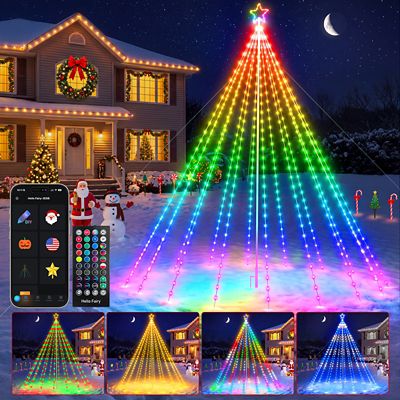
Steady illumination gives Christmas lights a settled, traditional look, while twinkling or changing patterns can add movement to a tree or front-yard display. Controls vary, and not every LED light set works with a dimmer, timer or separate controller. Compatibility information matters before combining those features, especially when a display includes several sets that need to switch on together. A timer can keep lighting hours consistent without leaving a display running all night, provided it is rated for the location and electrical load. Around a rural property, placement deserves the same attention as appearance. Lights should stay clear of livestock enclosures, pet reach, gates, equipment routes and places where a cord could catch a boot or a wheel. A bright outline along a porch can add holiday cheer, but Christmas lights are not a substitute for task lighting on steps or work areas. Clips intended for holiday lighting support strands without driving nails or staples through insulation, and branches need enough slack to move without pulling connections tight. Indoors, cords should stay clear of door hinges and walking paths, with lights kept away from combustible materials as directed on the label. Care between holidays helps protect the whole set, not just the LEDs. Long diode life does not prevent damage to wires, sockets or plugs, and any cracked insulation, loose connection or scorched component calls for the strand to be taken out of service. Replaceable bulbs and sealed light systems have different maintenance needs; any replacement must match the manufacturer's specifications. Gentle wrapping around a storage reel or flat piece of cardboard helps prevent tight knots and sharp bends. Lights should be dry before packing, with plugs protected from pressure and storage kept away from pests. A little attention at takedown makes the next setup less of a chore and helps preserve the look of a favorite Christmas display.