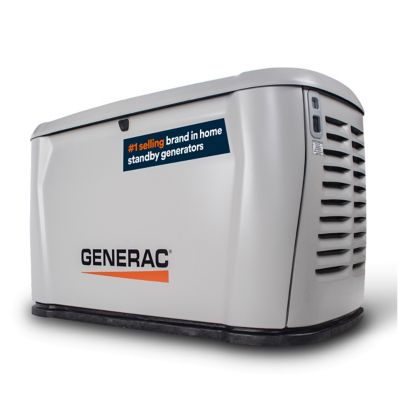
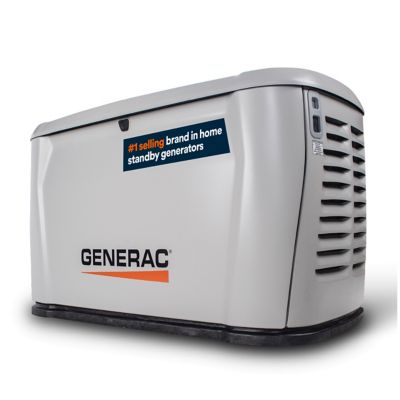
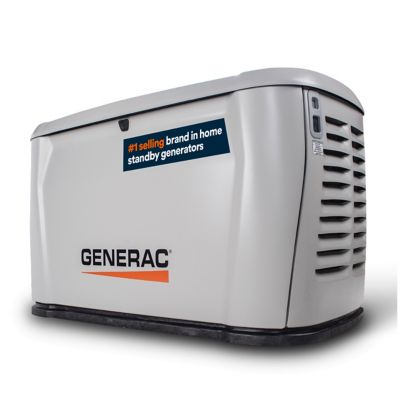
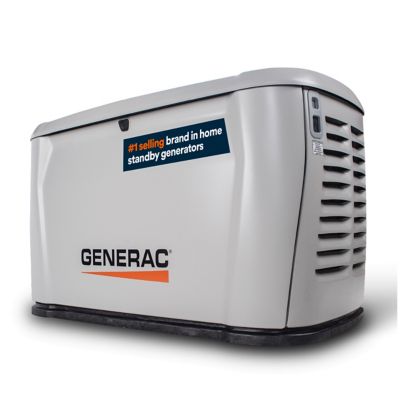
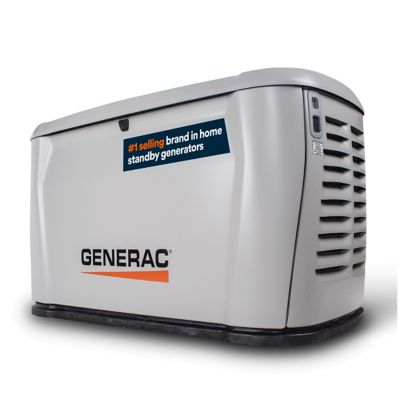
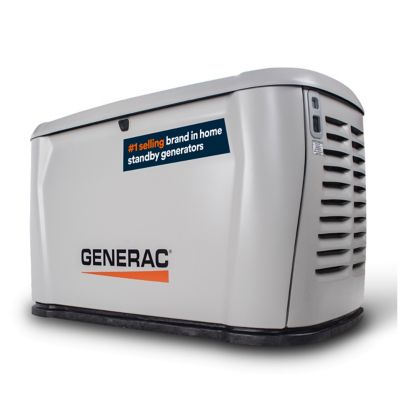
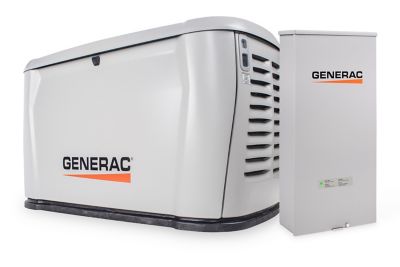
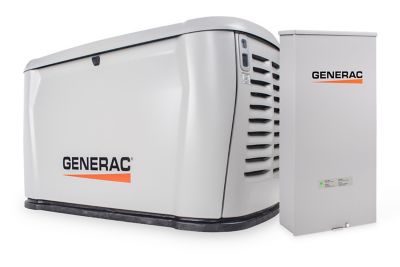
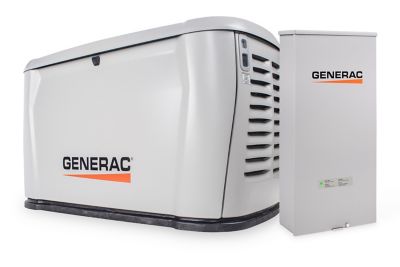
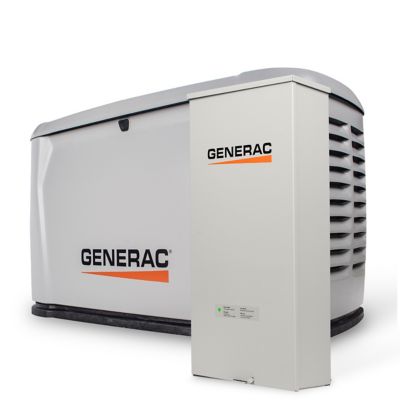
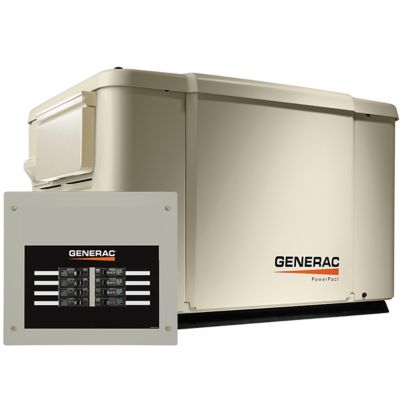
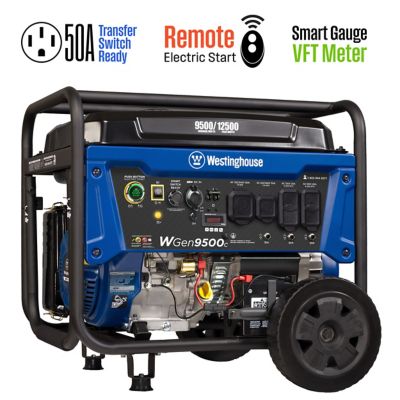
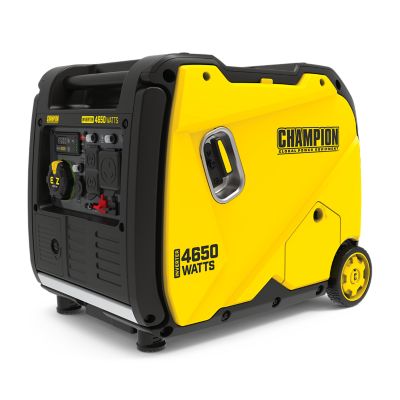
Whole house generators provide backup electricity for a home when utility power goes out, helping keep everyday necessities running through downed lines, strong winds and other interruptions. These permanently installed standby systems sit outdoors and typically run on natural gas or liquid propane, drawing fuel from a connected supply rather than a gasoline tank that needs frequent filling. Paired with a compatible automatic transfer switch, a standby generator can detect a utility outage, start its engine and supply power to the circuits it serves without someone heading outside to start it. The switch also isolates the home’s electrical system from utility lines during generator operation, then transfers the load back after utility service returns and conditions meet the system’s settings. That automatic operation matters on a country property where the nearest neighbor is a good stretch down the road and an outage may happen while everyone is at work. Backup power can keep a refrigerator cold, support a well pump and help a furnace blower circulate heat during the cooler months, provided those loads fall within the system’s capacity. It can also support lighting, communications equipment and other household needs that make an interruption easier to manage. Whole house coverage does not mean every appliance can always run at once; actual coverage depends on generator output, appliance demand and how the system distributes power. Some installations serve the entire electrical panel, while others prioritize selected circuits or manage larger loads so they do not compete for power at the same time. For shoppers comparing this type of permanently installed backup equipment, the
Generac Standby Generator page offers a related place to explore the category. The practical appeal is straightforward: a system matched to the household can handle important electrical needs even when nobody is home to pull a starter cord, connect equipment or move extension cords through the yard. For households facing longer utility interruptions, that hands-off response can make a meaningful difference in how the home functions.
The right fit for a whole house generator depends more on electrical demand than on the number of bedrooms or the home’s square footage alone. Output is commonly expressed in kilowatts, and the important distinction is between the power appliances need while running and the extra power certain motors need at startup. A well pump, central air conditioner or sump pump can create a brief surge that deserves attention alongside steady loads such as lights and electronics. A smaller home with electric resistance heat, an electric water heater and several large appliances may have different backup requirements than a larger home heated primarily by gas. On a rural property, a deep well pump and the freezer holding a season’s worth of garden produce may rank ahead of a clothes dryer or workshop equipment. An installer’s load calculation helps establish what the generator can support and whether load management belongs in the setup. With compatible controls, selected high-demand appliances can take turns instead of drawing power together, allowing the system to give priority to more important circuits. Fuel choice is another part of matching the equipment to the property. Natural gas requires suitable service and sufficient supply capacity, while propane requires a properly sized tank, adequate fuel levels and a fuel system that can meet engine demand, including in cold weather. Generator output may differ by fuel type, so the applicable rating matters when comparing capacities. An existing propane tank that serves household heating does not automatically have enough capacity to support a generator as well. The transfer switch also needs to match the home’s electrical service and installation plan; its amperage rating alone does not establish how much power the generator produces. For a house with detached buildings, power to a barn, shop or separate well house needs its own consideration within the electrical layout. A home standby system does not automatically cover every structure on the property, even when those structures share the same utility service.
Construction, placement and routine care all affect how a standby generator holds up outdoors. Enclosures commonly feature steel or aluminum with finishes designed to resist weather and corrosion, while the enclosure layout allows the airflow the engine and electrical components need. Material and finish deserve a close look where equipment faces damp ground, blowing dust or salt exposure. A sound base, suitable drainage and a location protected from vehicle traffic help the installation fit daily life around the house. The footprint includes more than the cabinet itself: required clearances, access for service, fuel piping and electrical connections all take space. Placement near a bedroom, porch or property line also brings operating sound into the decision, and sound ratings are most useful when their measurement conditions are comparable. These generators belong outdoors, never in a garage, shed or other enclosed space. Professional placement must follow the manufacturer’s instructions and local requirements for exhaust separation from doors, windows, vents and other openings, with working carbon monoxide alarms inside the home. Installation generally involves electrical work, fuel connections, permits and coordination with local authorities or the utility where required. Once installed, the system still needs attention even if outages are few and far between. Many standby generators have an exercise cycle that runs the engine periodically, but that cycle does not replace scheduled inspections or maintenance. Oil, filters, spark plugs and the starting battery require care at the intervals specified for the equipment, and extended operation may call for service based on accumulated running hours. Keeping leaves, drifting snow and grass clippings away from air openings helps maintain necessary airflow. Where supported, monitoring features can make operating status and service alerts easier to check, though connectivity requirements vary. Homeowners who travel, commute long distances or depend on electric pumps often appreciate that added visibility. A properly sized and maintained system is a practical part of keeping the household going, whether the outage interrupts morning chores or settles in after dark.