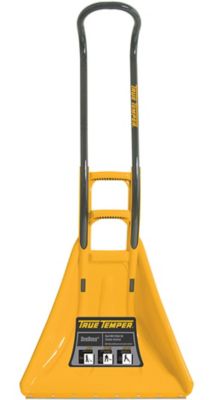
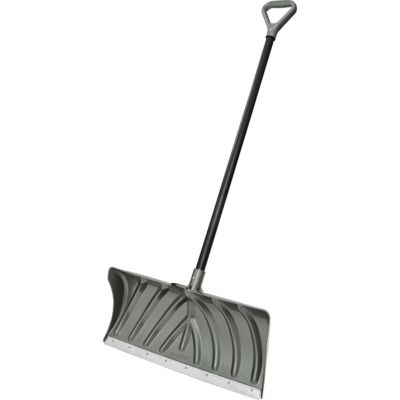
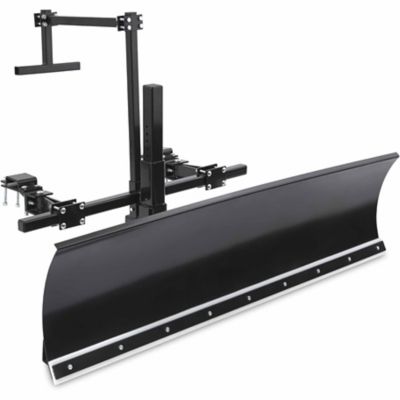
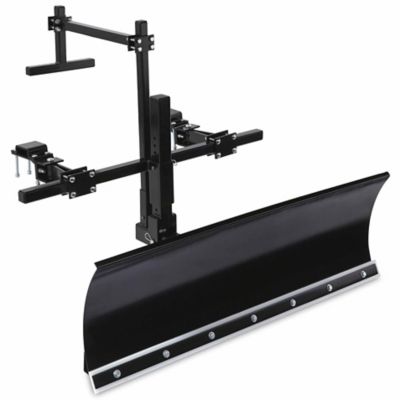
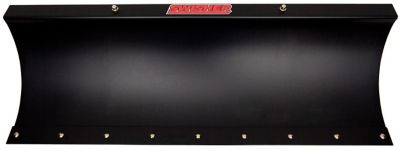
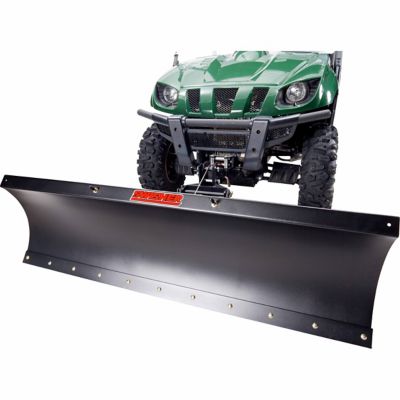
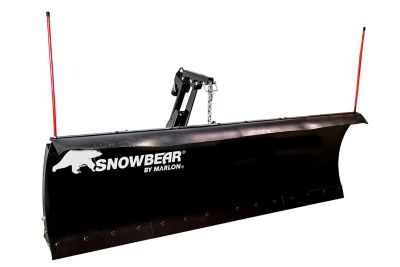
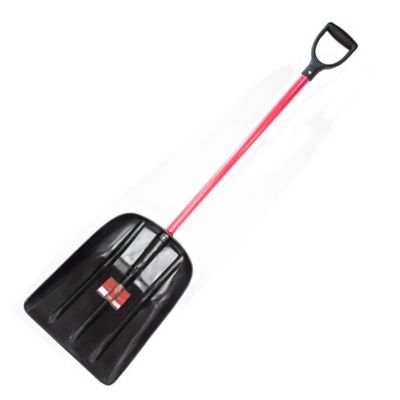
Sidewalk snow plows are compact snow-clearing tools and machines made for pedestrian paths, walkways, drive lanes, and other narrow areas where a full-size truck plow cannot easily go. They help move snow to the side so people, pets, carts, and equipment can get through without relying on a shovel for every pass. For a small home walkway, a wide hand-operated push plow can be a practical choice, especially when the snow is light and you want to clear a path soon after a storm. These tools generally let you push snow instead of lifting it, which can be easier on your back and shoulders than repeated shoveling. Wheeled models can add stability and help the blade glide over pavement, while adjustable handles make it easier for different users to find a comfortable working position. A compact sidewalk plow may also be useful around barns, sheds, feed rooms, kennels, workshops, churches, rental properties, and small businesses where keeping entrances open matters. When comparing options, look closely at blade width, overall weight, handle design, wheel placement, and storage needs. A wider blade can cover more ground with each pass, but a narrower design may be easier to maneuver around steps, gates, landscaping, parked vehicles, and tight corners. A durable polyethylene blade is light and will not rust, while metal construction can offer a solid, heavy-duty feel for demanding work. Either way, the blade should be sized for the person using it and the surfaces being cleared. Before buying, measure the narrowest walkway, check the height of thresholds and curbs, and consider where the snow can be pushed without blocking doors, driveways, drainage areas, or livestock access.
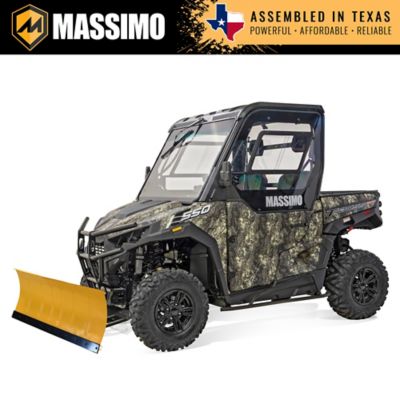
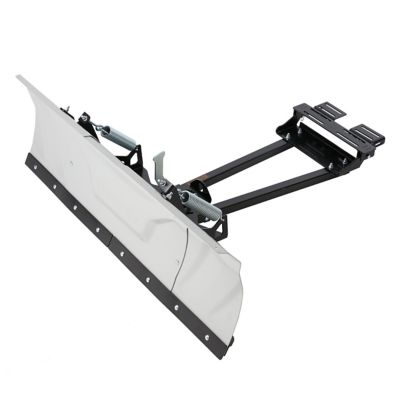
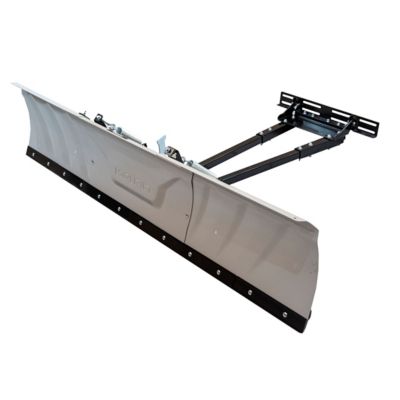
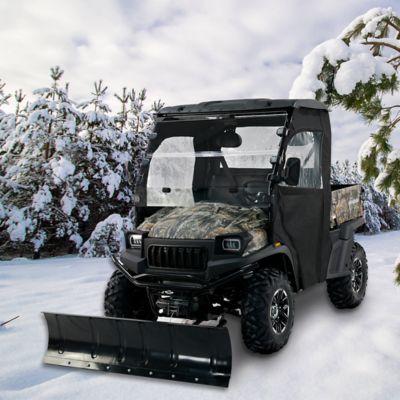
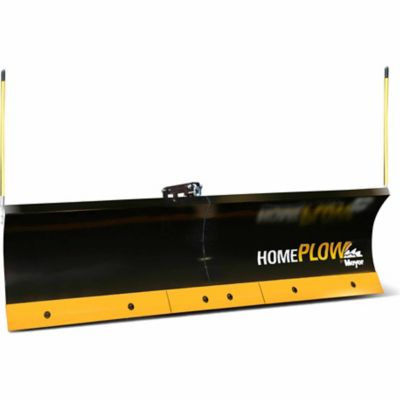
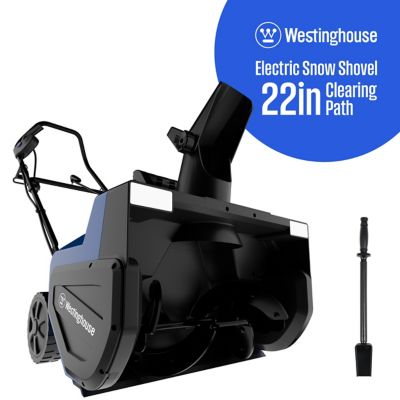
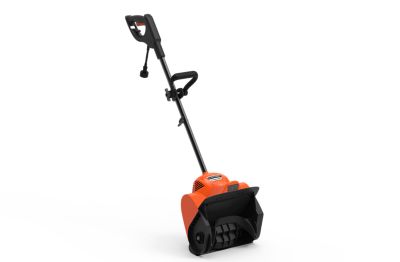
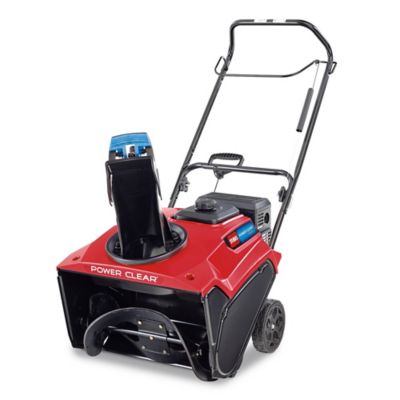
For larger properties or repeated snow removal, motorized sidewalk snow plows can reduce the time and physical effort needed to clear long paths. Walk-behind units may be self-propelled, allowing the operator to guide the machine while the drive system helps move it forward through packed or deeper snow. Stand-on machines are designed for commercial grounds crews, property managers, schools, apartment communities, municipalities, and other users who need to cover a lot of pavement efficiently. Depending on the design, a powered plow may use a straight blade, oscillating blade, or hydraulic blade to direct snow away from the walking surface. Some machines can be paired with anti-icing or brine equipment, helping operators treat pavement as they clear it and reduce the chance of slick areas returning when temperatures drop. Gas-powered equipment can be useful where long run times and heavy-duty performance are priorities, while battery-powered equipment may appeal to users who want quieter operation and simpler starting. Consider the size of the area, typical snowfall depth, surface conditions, slope, turning space, and available storage before choosing a motorized model. Snow that is wet and heavy places different demands on equipment than a few inches of dry powder, and uneven pavement, gravel edges, curbs, and expansion joints can affect how smoothly a blade moves. Also review control layout, operator visibility, tire or track design, fuel or battery requirements, maintenance access, and whether replacement wear parts are available. For more choices that can be used with compatible vehicles and equipment, browse
Snow Plow Blades. A plow that matches the surface and the job will usually be easier to control, easier to maintain, and less likely to leave ridges that freeze into a hard, slippery mess.
The best sidewalk snow plow depends on who will use it and what a normal clearing routine looks like. A homeowner with a short front walk may prefer a simple manual tool that hangs in a garage and is ready whenever the first flakes stick. Someone caring for an acreage, kennel, farm store, or multi-building property may benefit from a wider wheeled plow or powered machine that can keep entrances, animal paths, and service areas open with fewer passes. Commercial users should think about pedestrian traffic, liability, response time, and the need to clear before employees, customers, students, or deliveries arrive. If the plow will be shared, choose controls and adjustments that are easy for several operators to understand, and make sure everyone knows how to avoid curbs, hidden objects, parked equipment, and areas where snow may slide back across the walkway. A sidewalk plow can also make a thoughtful gift for a homeowner, caretaker, small-business owner, or anyone who spends the cooler months keeping a property safe and accessible, particularly when it replaces back-breaking work with a more controlled push. After each use, brush off packed snow and moisture, inspect the blade and fasteners, and store the equipment in a dry place. For powered units, follow the manufacturer’s guidance for fuel, batteries, lubrication, belts, tires, and seasonal storage. Clearing early and making steady passes can prevent deep buildup, but avoid forcing a blade through obstacles or trying to move more snow than the equipment is built to handle. With the right width, power, and maneuverability, a sidewalk snow plow can help keep paths usable from the first fresh coating through the heavier storms that arrive during the colder part of the season.