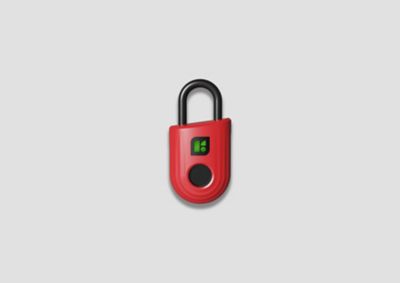
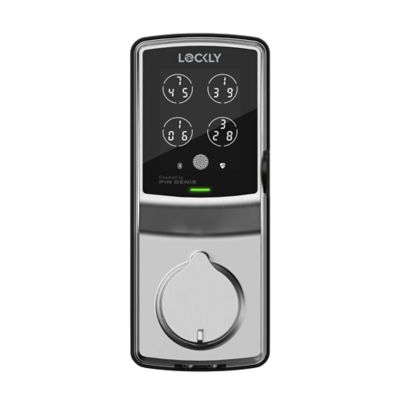
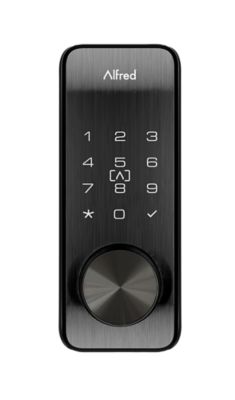
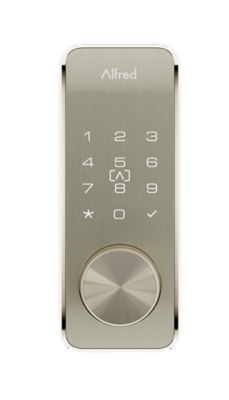
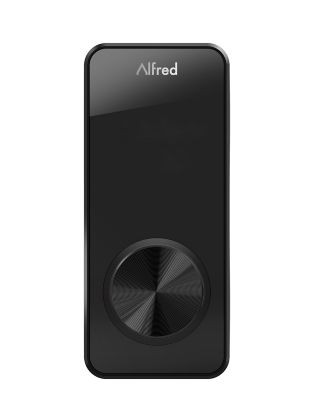
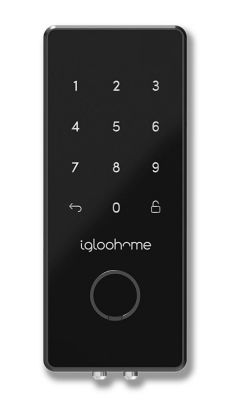
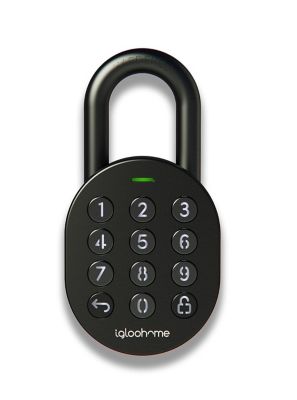
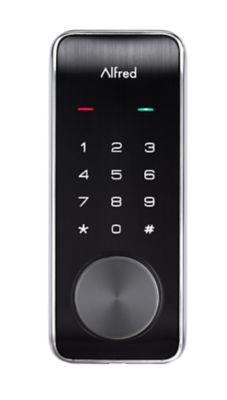
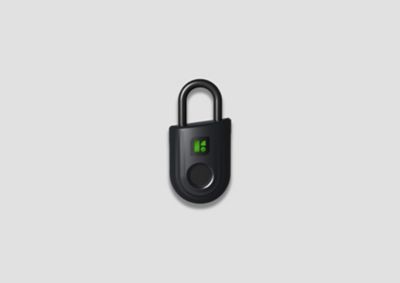
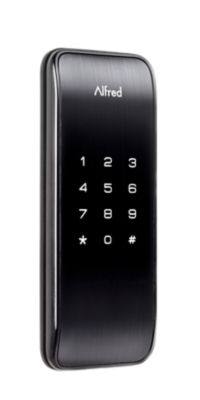
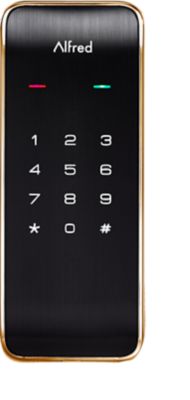
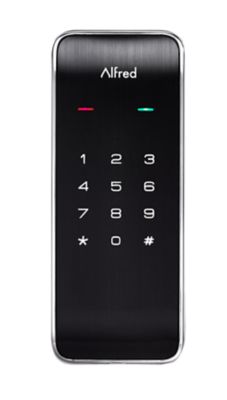
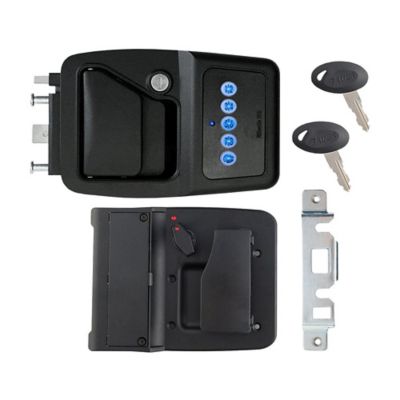
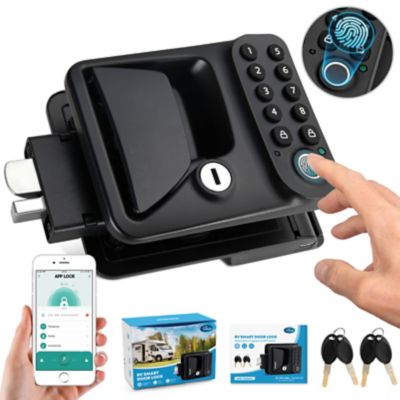
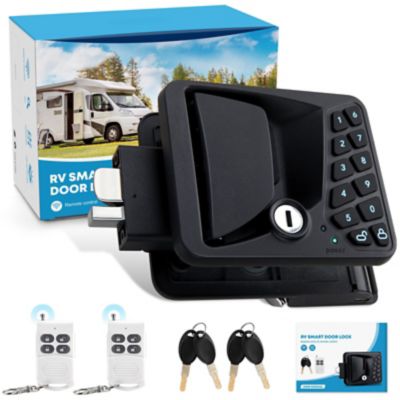
Wireless locks are electronic door locks that communicate through Bluetooth, Wi-Fi, or a compatible smart-home network, letting you manage entry without relying only on a metal key. Depending on the design, access may come through a phone app, a keypad code, a fingerprint reader, or a connected voice assistant with security safeguards. A keypad alone does not necessarily mean a lock has wireless connectivity; the connection type determines how it communicates and which features work nearby or from farther away. For a farmhouse front door, an attached garage entry, or a small business office, that can mean less fumbling with keys when your hands are full of feed bags, groceries, or work gloves. Full-replacement smart deadbolts replace the existing deadbolt assembly and may include an exterior keypad or fingerprint reader. Interior deadbolt adapters attach to compatible existing hardware, keeping the exterior keyhole while adding electronic control from inside. Wireless access systems for business settings may support multiple doors, employee permissions, and entry records, though those capabilities depend on the system and its supporting equipment. The practical appeal is control over who can enter and when. Depending on the lock, separate access codes can let family members, a neighbor checking the house, or someone caring for animals come and go without passing around spare keys. Scheduled or temporary access can suit a short visit, while entry notifications may help confirm that a door has been unlocked. Those functions vary, and an entry log does not always confirm that the door is physically closed unless a compatible door sensor provides that information. For everyday entryways, the best match balances convenient access with a sound mechanical lock, a door that closes properly, and controls that everyone in the household can comfortably operate. Wireless locks can also make sense at a side entrance where chores bring steady foot traffic, provided the hardware fits the door and carries the right exposure rating for that location.
The connection behind a wireless door lock matters just as much as the way it opens. Bluetooth generally supports communication at nearby range, while remote access often requires a compatible bridge, hub, or another supported connection. Wi-Fi locks connect through a wireless router, and some designs require a particular network band. Z-Wave and Zigbee locks generally work through a compatible hub rather than connecting directly to a phone or router. On a spread-out property, a strong signal at the kitchen table does not guarantee a strong signal at a detached workshop or an entry across the yard. Distance, metal siding, masonry, and the placement of network equipment can all affect communication. A lock intended for an outbuilding deserves particular attention to operating temperature, moisture exposure, and network reach; an indoor-rated unit belongs in a protected setting, not on an open gate or exposed shed door. Battery-powered operation means many wireless locks do not need electrical wiring run through the door, but battery life varies with weather, signal strength, motor activity, and how often the door opens. During cooler months, cold conditions can affect battery performance, making low-battery alerts and a clearly understood backup entry method especially useful. Depending on the design, backup access may involve a physical key or an external emergency power connection. Loss of internet service may interrupt remote commands while leaving supported local entry methods working, but behavior differs by lock and system. App compatibility, supported phone software, account permissions, and any separate service requirements also shape everyday convenience. For shared households or workspaces, individual codes are easier to manage than one code passed from person to person. Security features such as encrypted communication, account protection, and ongoing software support deserve attention alongside the hardware’s published security ratings. Voice control is another feature that varies: some systems restrict unlocking or require additional verification. Those distinctions matter more than a long feature list when the goal is straightforward access after a day in the field or a late trip home.
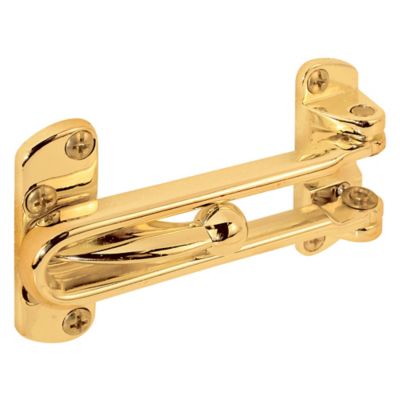
Physical fit remains the foundation of a wireless lock installation. Door thickness, the diameter of the existing holes, and the backset—the distance from the door edge to the center of the lock opening—all affect compatibility. Full-replacement deadbolts must suit the door’s preparation, while adapters must match the existing deadbolt style and mounting arrangement. Door handing, interior clearance, and room around nearby trim can matter, too, especially where a storm door, narrow frame, or closely spaced handle leaves little breathing room. A powered deadbolt needs to extend into the strike opening without dragging; a sagging hinge or swollen door can strain the motor and shorten battery life. A solid frame, secure strike plate, and properly aligned latch help the whole entryway work as intended. Coordinating
Locking Handles can round out the door hardware, with attention to spacing and how each locking point affects daily access. Wireless lock housings and trim may include steel, brass, zinc alloys, and polymer components, with finishes that offer different levels of resistance to moisture, corrosion, and everyday wear. Material alone does not establish security or weather resistance, so published ratings and installation requirements are more useful than appearance by itself. Covered porches, damp utility areas, and dusty workshop entrances place different demands on hardware. For exposed locations, both the exterior and interior portions need conditions within their stated limits; an exterior-facing keypad does not make the entire assembly suitable for open weather. Routine care is usually simple: a soft cloth, cleaning methods approved for the finish, and occasional attention to mounting screws, door alignment, and battery contacts. Harsh cleaners and direct spray can harm finishes or electronics, while lock lubrication should follow the manufacturer’s recommendations. Readable keypad markings, buttons that are comfortable to press, and a straightforward inside thumbturn help keep access practical for daily life. Whether the door serves a busy household or a small farm office, a well-matched wireless lock brings electronic convenience to familiar hardware without overlooking the fit, upkeep, and mechanical security that a working entryway needs.