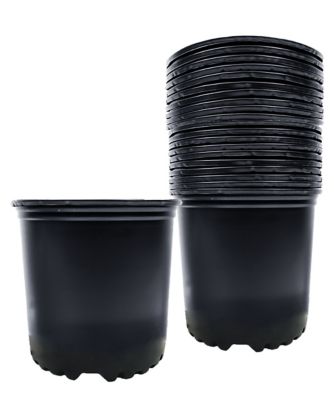
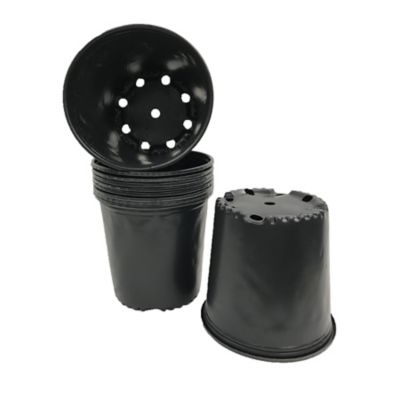
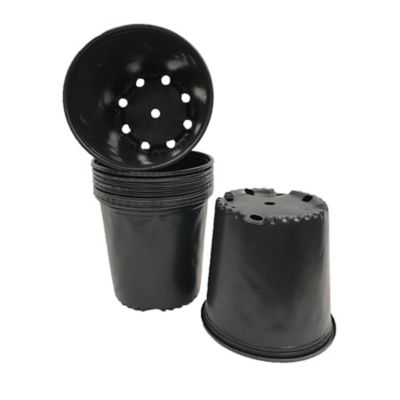
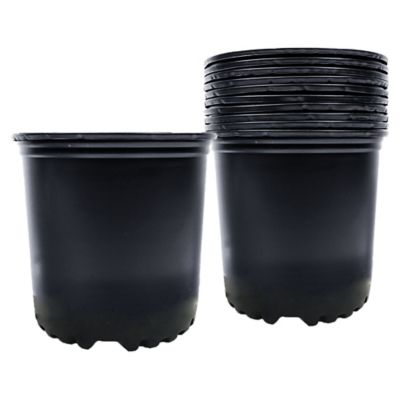
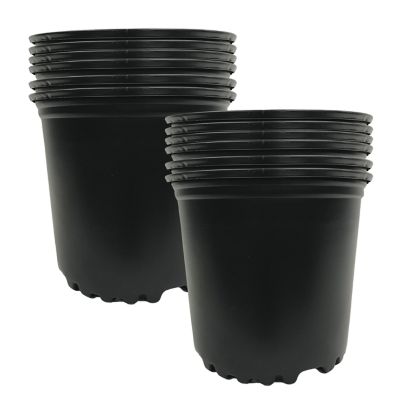
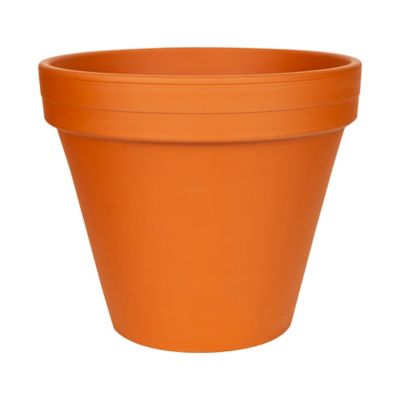
Small plastic plant pots make room for growing without taking over the whole place. A kitchen ledge, a shelf beside the back door, or one end of a potting bench can hold a few plants in containers that are easy to lift and rearrange. Their manageable size suits seedlings, rooted cuttings, compact houseplants, and herbs that have enough room for their particular root systems. For someone tending a vegetable patch, small pots can serve as a starting place before plants move into larger containers or garden beds. For someone with a few houseplants, they offer room to grow a cutting from a neighbor or keep a modest collection close at hand. The right fit starts with the plant rather than the space alone. A pot should have room for the roots and fresh potting mix without leaving an oversized pocket of damp soil around a small root ball. Width matters, but depth deserves a look, too: two pots with the same opening can hold quite different amounts of mix. A deeper shape may suit a plant with longer roots, while a shallower container may better match a compact root system. Round pots sit neatly in individual saucers, and square shapes can make the most of a rectangular tray or narrow shelf. Tapered sides make many empty pots easier to nest, which is handy when storage space shares a corner with seed trays, gloves, and garden tools. Measurements are worth checking closely because a listed diameter may refer to the outside rim rather than the planting space inside. A rolled lip, thick wall, or broad base can also affect how a pot fits into a holder. Matching the container to the root ball, support tray, and growing spot helps keep a small planting setup practical instead of crowded. There should still be enough room between plants for leaves to spread and for a watering can spout to reach the soil.
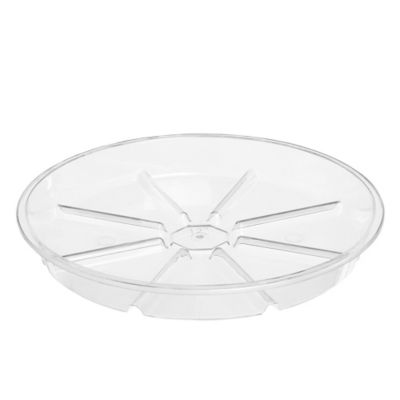
Plastic construction keeps small plant pots relatively light, though wall thickness and shape can make a noticeable difference in handling. Thin, flexible nursery-style containers are easy to move together in a tray and can flex slightly when a root ball needs to slide free. More rigid containers hold their shape better when lifted individually and may feel steadier on a shelf or stand. Some molded pots have a substantial rim that gives fingers a better grip; others have straight, simple sides that fit closely together. Neither shape replaces the need for a stable base, especially with an upright plant that carries most of its weight above the rim. Plastic is generally less porous than unglazed clay, so moisture does not escape through the walls in the same way. That can reduce drying through the container itself, but the potting mix, plant size, light exposure, and drainage still determine how quickly the root zone loses moisture. Drainage holes are an important detail for plants that cannot tolerate standing water. Raised feet or channels underneath may help keep those openings clear when the pot rests on a flat surface. A saucer catches runoff, but water left pooled beneath a pot can keep the lower roots too wet. A solid-bottom outer container serves a different purpose: it can hold a separate planting pot, provided runoff can be emptied rather than trapped around the roots. Gravel at the bottom does not take the place of a drainage opening. For a windowsill above a wood counter or a shelf near an outlet, a properly fitting catch tray helps contain drips, though neither a pot nor a saucer should be assumed watertight without checking its design. These small construction details matter more in daily care than an elaborate shape or finish, especially when several plants share one surface and each has different watering needs.
Small plastic pots also make it easier to organize a growing space around the way it actually gets tended. A row of matching containers gives a plant shelf a tidy look, while different colors can help separate cuttings, herb varieties, or seedlings before their leaves are easy to tell apart. A rim with room for a plant marker is handy when several starts look nearly identical. Smooth sides are generally easy to wipe clean, while ridges and textured finishes may take a little more attention around the base and lip. Between plantings, leftover roots and potting mix should come out, and drainage openings need to stay clear. Washing away soil and fertilizer residue, then rinsing thoroughly, helps keep containers ready for another planting. Pots with cracks, sharp splits, or weakened rims are harder to handle without spilling soil, so their condition matters even when the container still stands upright. Empty pots that nest together take up less shelf space, though forcing tightly fitted rims apart can damage thinner walls. For containers meant to sit outdoors, the stated placement guidance and material details help establish whether that design fits the job. Small pots can sit alongside larger
Plastic Planters on a porch, plant stand, or patio, giving smaller plants their own space without making every container the same size. They can also make a thoughtful housewarming gift when paired with a suitable plant and a saucer that fits. A compact herb near the kitchen or a rooted houseplant cutting from a friend feels personal without calling for a large display. Whether the setup is a single pot beside the sink or several trays on a bench, the most useful containers balance planting room, easy handling, drainage, and straightforward cleanup. Those everyday details leave more attention for the plants and less for wrestling with awkward containers.