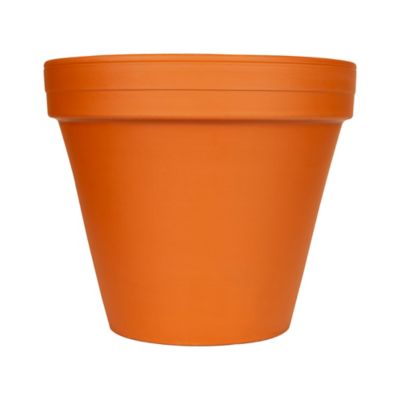
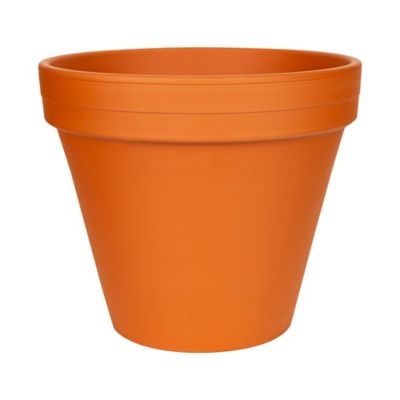
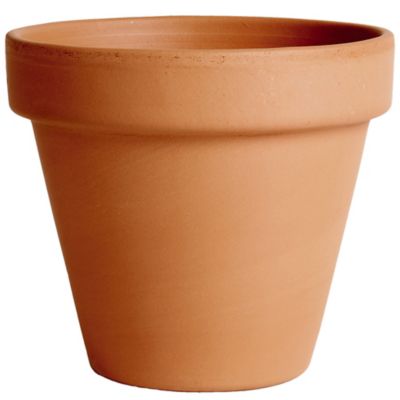
Miniature terracotta plant pots bring a warm, homespun touch to windowsills, kitchen counters, potting benches, and small displays. Most mini pots measure about 1 to 3 inches across, with extra-tiny versions made for fairy gardens, dollhouse scenes, and other decorative projects. Their earthy orange-brown color looks right at home beside wood, galvanized metal, woven baskets, and other natural textures, while the unglazed clay gives them a simple, old-fashioned character. Many functional pots include a small drainage hole in the bottom, which helps excess water escape and makes them useful for living plants. Ultra-miniature pots under about 1 inch may be solid instead, so check the product details when drainage matters. Terracotta is porous, meaning the clay can absorb and release a little moisture through its sides. That can be helpful for plants that prefer drier soil, though it also means the potting mix may dry out faster than it would in a glazed container. A saucer, shallow tray, or waterproof liner can help protect furniture and catch runoff. For larger houseplants, take a look at
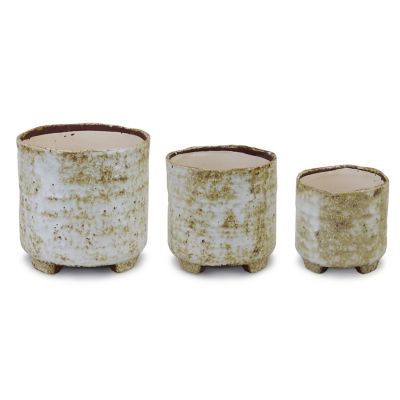
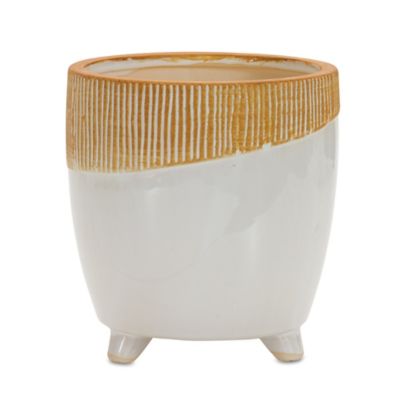
Ceramic Planters For Indoor Plants.
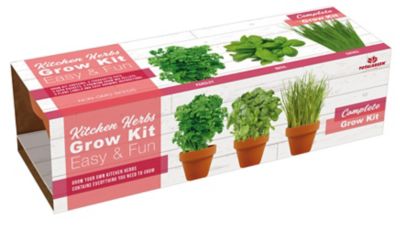
These little clay containers are especially handy for tiny succulents, cactus pups, rooted cuttings, air plants with a separate planting medium or display support, and small herb starts. They also make a neat home for seedlings once a young plant is ready to move out of a propagation tray. Choose a pot that leaves a little room for root growth without burying a small plant in a deep container, and use a light, well-draining mix suited to the plant. For succulents and cacti, a gritty blend helps prevent soggy roots; for herb cuttings or small leafy starts, a quality seed-starting or indoor potting mix may be a better fit. Water slowly and watch the bottom of the pot. If water runs straight through, allow the container to drain fully before setting it back on a shelf or saucer. During cooler months, sunny windows can still provide strong light, while indoor heat may dry the soil and leaves more quickly than expected. A simple routine of checking the soil with a fingertip, turning pots so plants grow evenly, and keeping them away from cold drafts can make a noticeable difference. Since miniature terracotta plant pots are easy to group, they work well for a row of kitchen herbs, a collection of propagated plants, or a small windowsill garden that brings a bit of green indoors when outdoor beds are resting.
Miniature terracotta pots are useful beyond planting, too. Their plain clay surface is ready for paint, stamps, stencils, twine, chalk labels, or a child’s hand-painted design, making them a practical choice for craft tables, school gardening projects, community activities, and family afternoons around the workbench. Small pots can hold seed packets, wrapped candies, tiny succulents, handmade favors, or place-card decorations for showers, reunions, and other gatherings. They are also a thoughtful gift for a gardener, plant lover, teacher, crafty neighbor, or anyone who enjoys small projects with a personal touch. Multi-packs are convenient when making favors, setting up a propagation station, or creating a coordinated display, while individual pots suit a single cutting or a one-of-a-kind painted project. Before purchasing, consider the number of pots needed, the outside dimensions, whether drainage holes are included, and whether the clay will be used indoors or outdoors. Look for a stable shape with a rim that is easy to handle, especially when children are helping or when the pots will sit on a narrow ledge. Unfinished terracotta may show natural variation in color and texture, and it can develop a soft, weathered patina over time as it is watered and handled. For outdoor use, place miniature pots where they will not collect standing water, and bring delicate plants inside when freezing conditions are expected. Whether arranged on a sunny sill, tucked into a fairy garden, or decorated as a handmade favor, these small clay pots offer a down-to-earth way to grow, create, and share something useful.