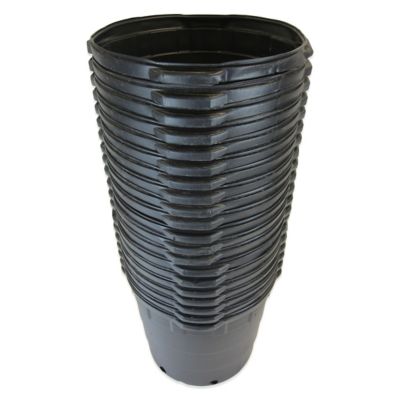
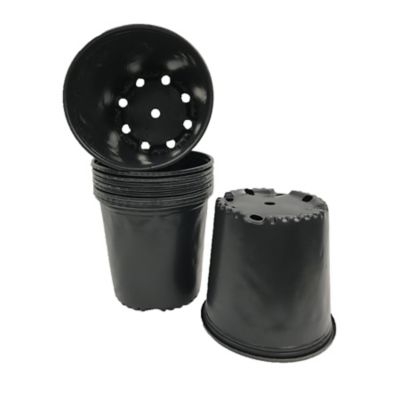
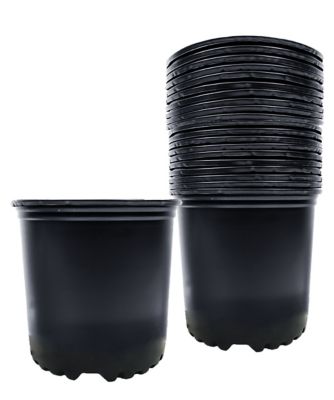
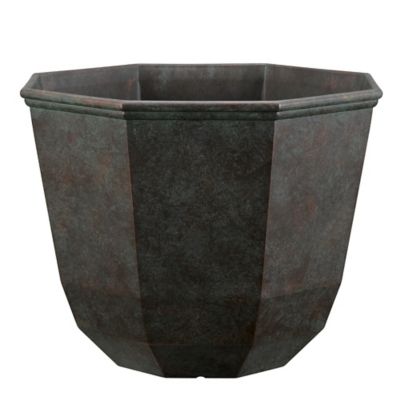
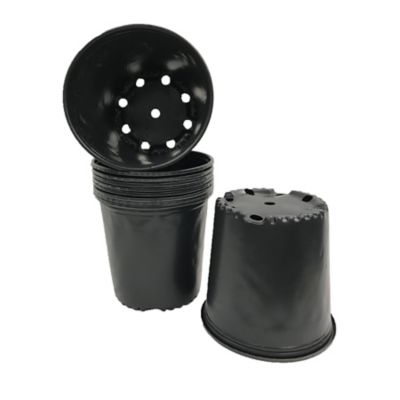
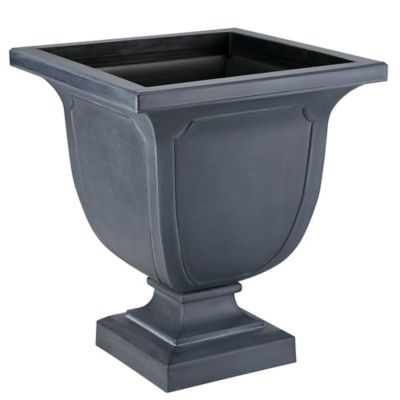
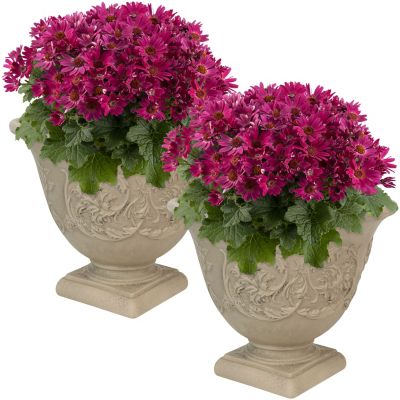
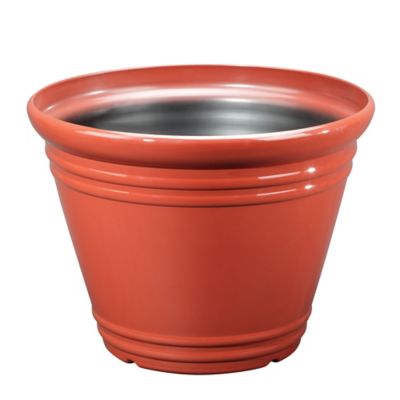
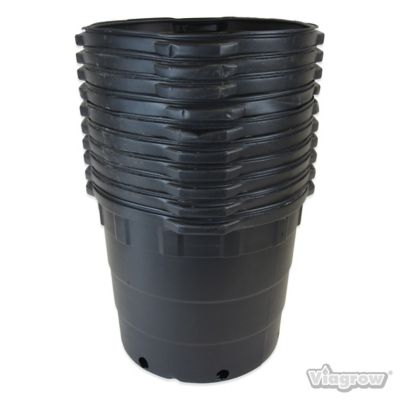
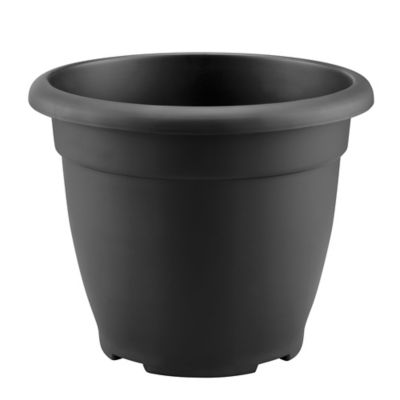
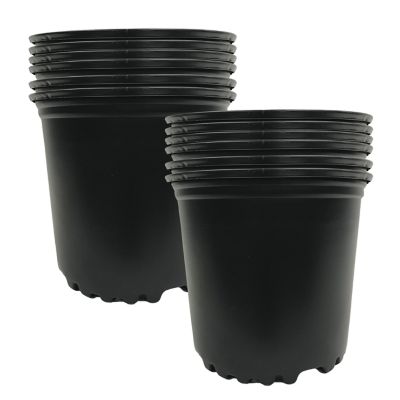
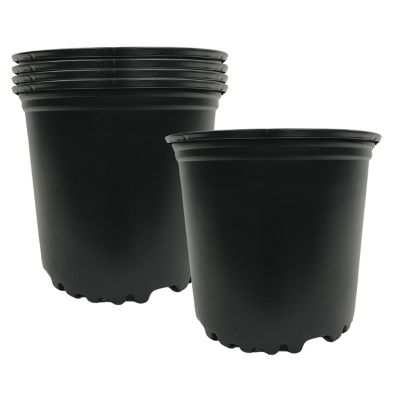
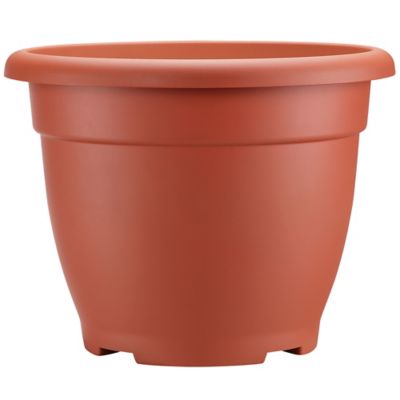
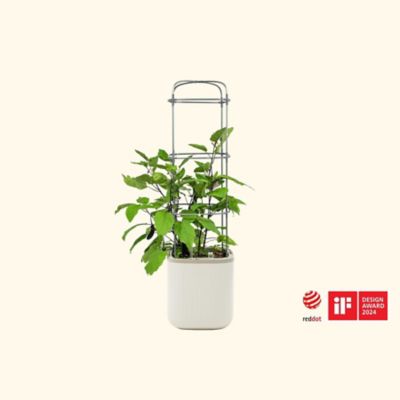
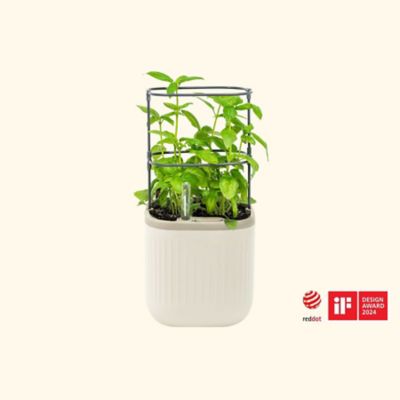
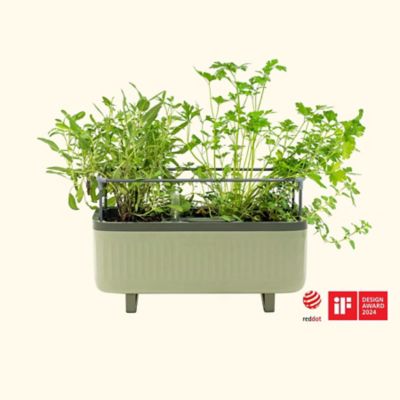
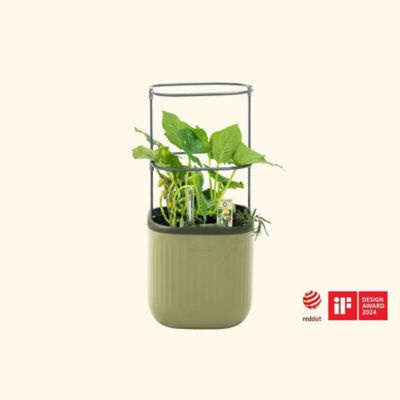
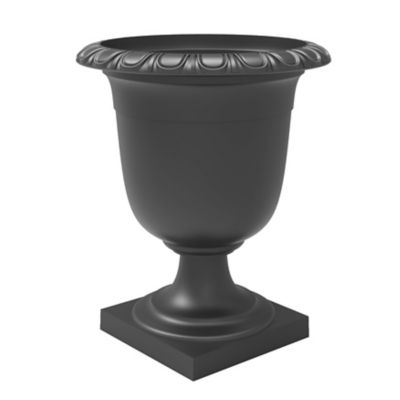
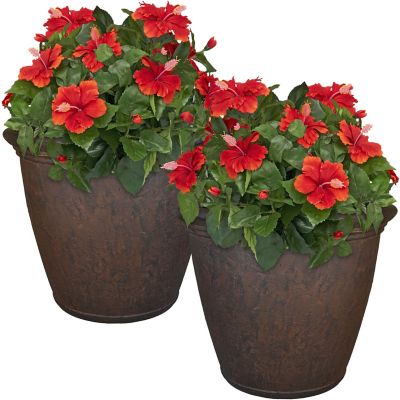
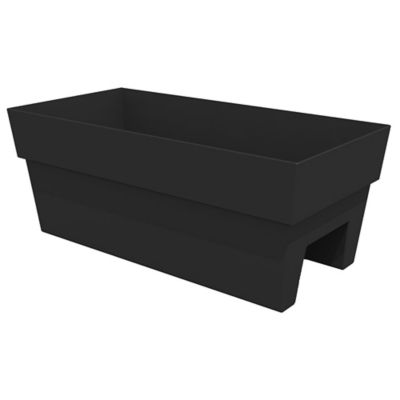
Plastic pots are lightweight plant containers that hold potting mix and give roots a defined space to grow, whether that means a few herbs by the kitchen door or a row of leafy plants along the porch. Their nonporous walls generally retain moisture longer than unglazed clay, so the mix may need watering less often under similar growing conditions. That combination of manageable weight and moisture retention makes plastic plant pots practical for houseplants, seedlings, flowers, vegetables, and some shrubs. Empty containers are easy to carry from the potting bench to the planting area, though a large pot filled with damp mix can still be plenty heavy. Materials range from thin, flexible nursery plastic to more rigid polypropylene and other molded resins. Flexible sides can make it easier to loosen a root ball at transplanting time, while thicker walls and a firm rim help a container hold its shape when moved. Round pots fit naturally beneath spreading foliage, square shapes sit neatly beside one another, and taller containers can give deeper-rooted plants additional room without taking up as much floor space as a broad tub. Shape alone does not tell the whole story, though: a narrow base may be less steady beneath a tall plant, and a wide rim can make a pot look larger than its actual planting space. Smooth finishes keep the look simple, while molded textures bring a different feel to a porch, entryway, or sunroom. Color and shape can tie several containers together without requiring every plant to have the same growing needs. For gardeners comparing planting vessels by shape and setting,
plastic planters offer a closely related category to explore. The best fit comes down to the plant, the space it will occupy, and how often the container needs to move—not just how it looks sitting empty on a shelf.
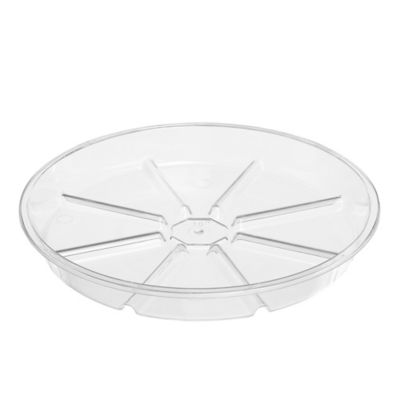
Size and drainage have a bigger influence on plant health than appearance alone. Small plastic pots, often around 2 to 4 inches across, suit many seedlings, rooted cuttings, and small plants, provided their roots have enough room. Containers holding roughly 1 to 2 gallons can accommodate many herbs and compact flowers, while larger plants may need 5 gallons or considerably more. These are broad starting points rather than fixed rules: a full-size tomato plant needs more root space and support than a compact herb, and shrubs or small trees require containers suited to their expected growth. Diameter, depth, and stated capacity all matter, especially when a pot tapers sharply toward the bottom. For repotting many houseplants, a container about 1 to 2 inches wider than the existing root ball is a common starting point; moving straight into a much larger pot can leave extra mix wet longer than the roots can tolerate. Drainage holes let excess water escape, helping keep the root zone from staying waterlogged. Some plastic pots have open holes, some have marked drainage points, and others are intended to act as an outer cover for a separate growing pot. A container without drainage calls for a different setup than one that drains freely. An inner nursery pot can be lifted out for watering and returned after it finishes draining, keeping standing water away from the roots. Matching saucers help catch runoff, but they still need emptying, and a saucer alone does not guarantee protection for wood furniture or flooring. Gravel in the bottom does not replace drainage holes. A container potting mix that balances moisture retention with air space is generally a better match than dense soil dug from the yard. These details matter whether the pot holds a kitchen herb, a trailing vine on a shelf, or a vegetable plant beside the back steps.
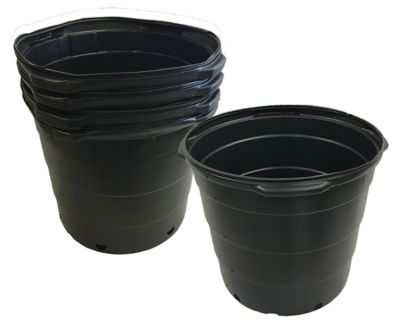
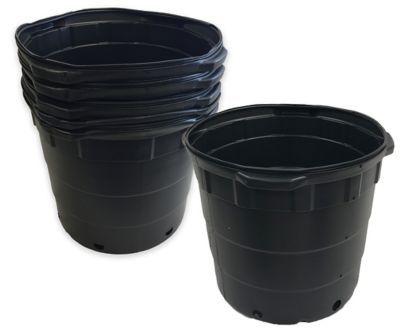
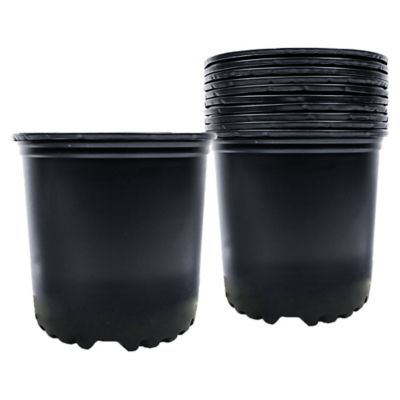
Everyday handling is another reason plastic garden pots earn their place around the home, greenhouse, and acreage. A gardener tending several plants can shift empty pots and planting supplies without the extra weight of clay or concrete, and a firm upper edge provides a useful grip during routine handling. Once planted, larger containers are better supported underneath rather than lifted by the rim alone. For a tall plant or a container beside a busy walkway, a broad base helps with stability; leaving room for a stake or support at planting also avoids crowding the roots later. Pots meant to stay in direct sun benefit from materials identified as UV-resistant, which can help limit fading and brittleness from prolonged exposure. Wall thickness, sound seams, and a base that sits flat are useful construction details to consider, although thicker plastic does not automatically mean a container fits every job. Flexible growing pots work well where plants will be moved into another container or planting area, while rigid pots suit settings where the container remains part of the display. Care is straightforward: loose potting mix can be brushed away, and empty pots can be washed with mild soap and water, then rinsed thoroughly. Drainage openings need to stay clear of compacted mix and roots. Containers that previously held diseased plants need appropriate sanitation before another plant goes in, following the directions on any cleaning product. Cracks, brittle edges, and damaged bases are signs that a pot may no longer support its contents safely. Empty, clean pots often nest together for storage, freeing up room around the shed or potting bench without a jumble underfoot. For someone starting a windowsill herb collection, tending a porch garden, or sharing rooted cuttings with a neighbor, plastic pots offer a straightforward way to give each plant its own growing space. A pot paired with a plant can also make a thoughtful housewarming or gardening gift when its size, drainage, and care needs suit the person receiving it.