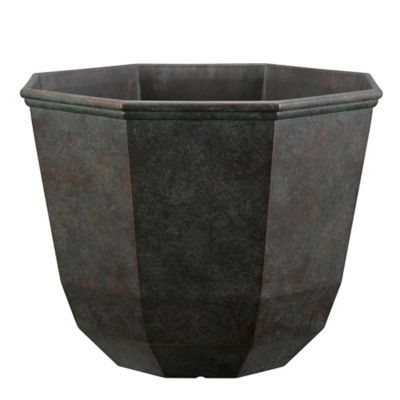
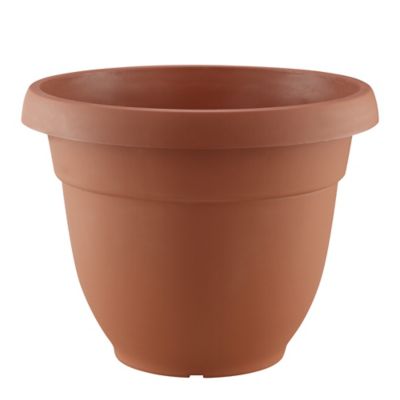
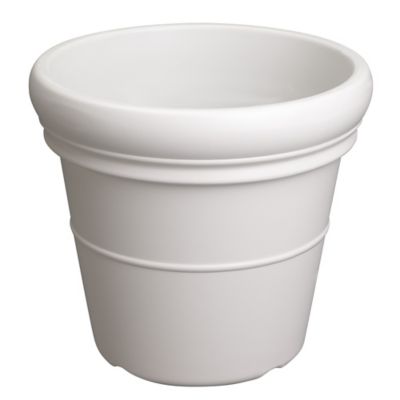
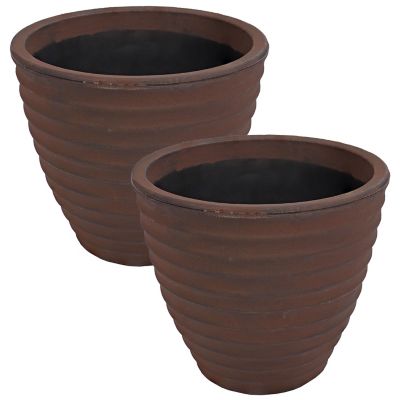
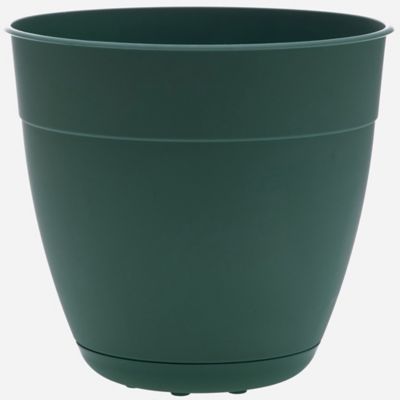
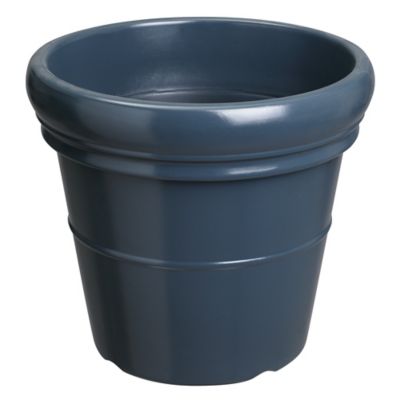
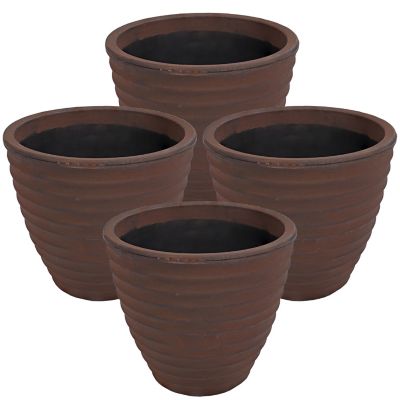
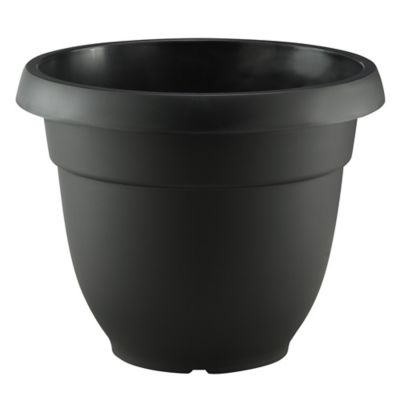
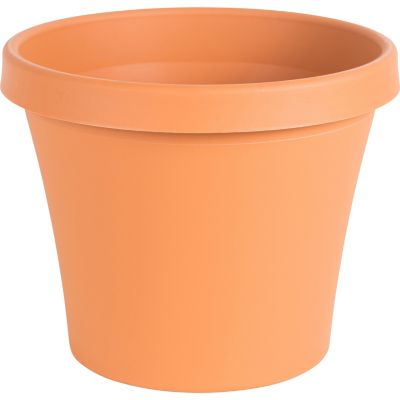
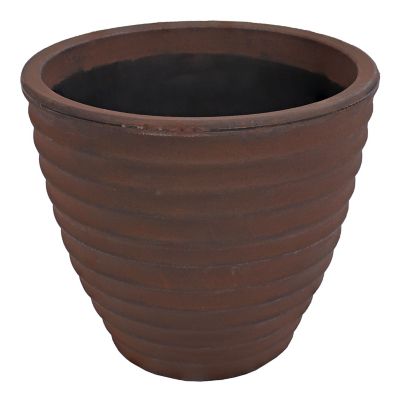
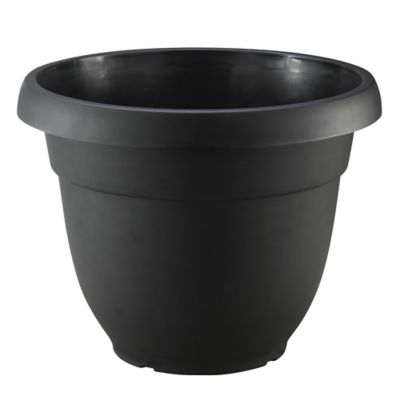
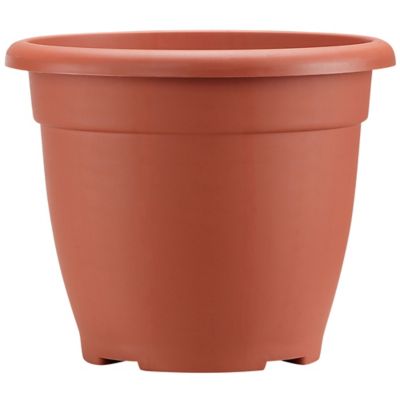
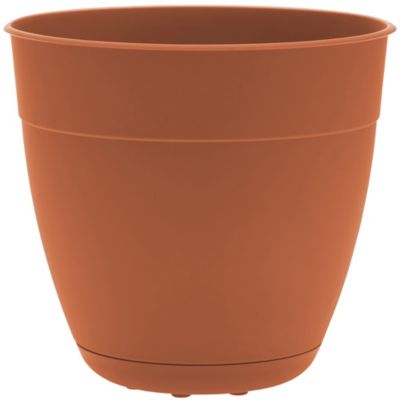
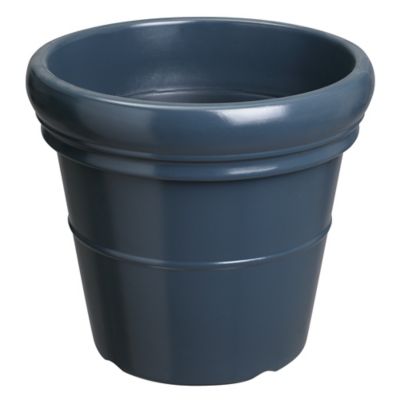
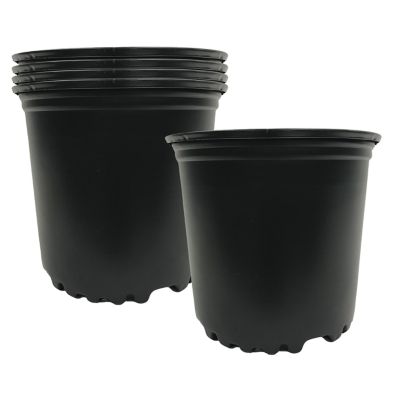
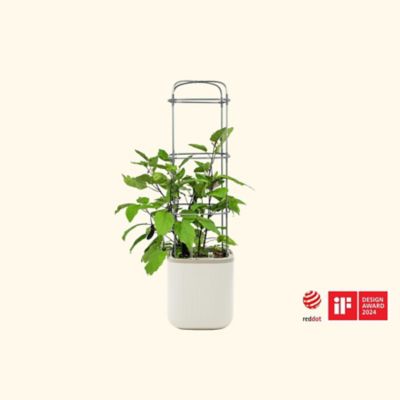
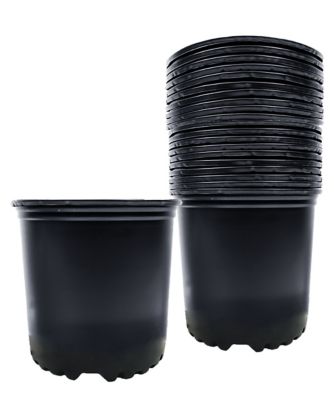
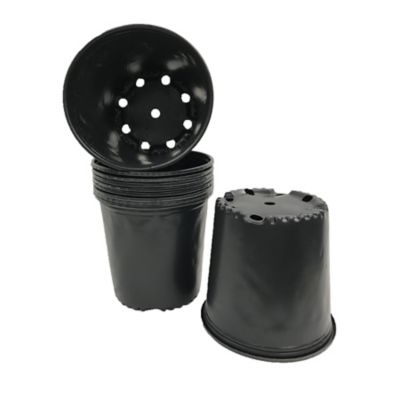
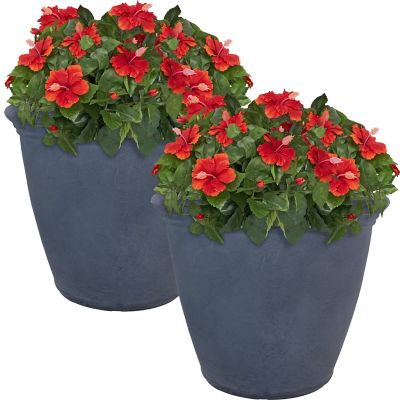
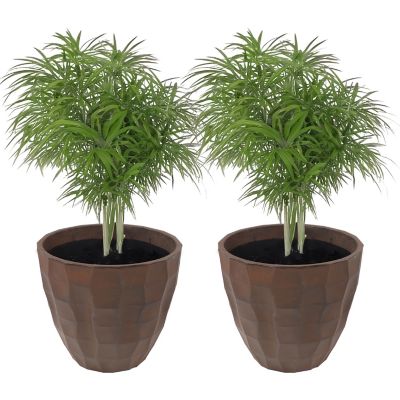
Plastic flower pots give flowers and leafy plants a home without adding much weight before the soil goes in. That makes them a practical choice for a front porch, a kitchen plant shelf, a patio beside the garden, or a row of blooms along a walkway. They work just as well for someone tending a few containers near the back door as for a gardener managing a larger collection. Plastic containers come in different shapes, wall thicknesses, and finishes, so the material alone does not tell the whole story. Some have flexible sides that make it easier to ease out a root ball when a plant needs more room; others have firmer walls that hold their shape when lifted or moved. Polypropylene and polyethylene are common materials, though the construction and intended use matter more than the material name by itself. A lightweight empty pot can still be heavy once it holds damp potting mix and an established plant, especially in larger sizes. A broad base helps keep a tall arrangement steady, while a pot with a narrower footprint can fit neatly beside a doorway without crowding the path. Round containers offer a familiar look and room to reach around the plant, while square shapes can make better use of a shelf or a straight row. Color and finish help tie the planting into its surroundings, whether that means a quiet earth tone beside a wooden bench or a brighter pot where the flowers can stand out. For a close fit on a plant stand or windowsill, both the widest part of the pot and its base deserve a look. The rim may extend beyond the body, and a matching saucer adds to the overall footprint. A good fit leaves room for the container without making everyday watering or moving it a chore.
The right size also starts below the soil line. Flowers need enough space for their roots, but a much larger pot is not automatically a better home for a small plant. Extra potting mix beyond the root ball can stay wet longer than expected, so container size should suit the plant’s growth habits and watering needs. A shallow, spreading planting and a tall flower with a deeper root system may need very different proportions, even when their leaves take up a similar amount of space. When comparing dimensions, the outside width is only part of the picture; a thick rim, tapered sides, or a raised bottom can reduce the planting room inside. For rooted cuttings, younger plants, and tight shelf spaces, the
Small Plastic Plant Pots collection is a fitting place to focus on smaller container sizes. Drainage matters at every size. Openings in the bottom allow excess water to leave the root zone, while a solid-bottom outer pot generally works best as a cover for a separate growing container with drainage. In that setup, the inner pot needs enough clearance to lift out easily, and water should not remain pooled around its base. A saucer can catch runoff beneath a draining pot, but standing water still needs attention. Potting mix intended for containers typically offers a better balance of air space and moisture than heavy soil taken straight from the yard. Leaving a little room between the soil surface and the rim also gives water somewhere to settle instead of running over the edge. These details matter in ordinary situations: a flowering plant on the kitchen counter needs a setup that keeps runoff off the surface, while several pots arranged near the garden need enough space between them for watering and checking the soil. Matching the pot to the plant makes those everyday tasks easier without taking attention away from the blooms.
Care for plastic flower pots is generally straightforward, but a little attention helps them stay ready for the next planting. Smooth surfaces are easy to wipe down, while textured finishes and recessed rims may collect soil that takes a softer brush to loosen. Mild soap and water can handle routine cleanup, followed by a thorough rinse so residue does not remain where roots will grow. Containers that previously held a plant with a disease problem need more than a quick wipe; a plant-safe sanitation method, applied according to its directions, helps reduce the chance of carrying that problem into another planting. Drainage holes deserve a look, too, since compacted soil and roots can block them. Before filling a pot again, check the base, sides, and rim for cracks or sharp edges. Wall thickness, construction, and handling all affect how well a container holds up over time, and lifting a filled pot from underneath puts less strain on the rim than carrying it by the edge. Empty pots are easier to store when they are clean and dry, though tightly wedged stacks can make flexible containers difficult to separate. For day-to-day planting, a level surface and a little breathing room around each pot keep the arrangement manageable. Plant placement should still follow the flower’s light needs, rather than choosing a spot only because the container looks good there. Plastic flower pots also make a thoughtful gift for a neighbor who enjoys tending the porch, a family member setting up a first plant shelf, or a gardener who likes dividing and sharing plants. A size suited to the recipient’s space, along with a saucer where needed, makes the gift easier to put to work. Whether the goal is one cheerful pot by the door or a tidy group beside the garden bench, the best match brings together useful planting space, sensible drainage, and a shape that fits everyday life around the house.