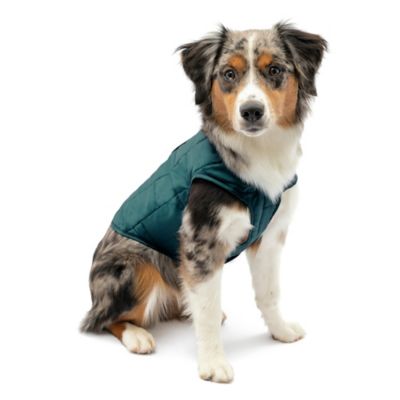
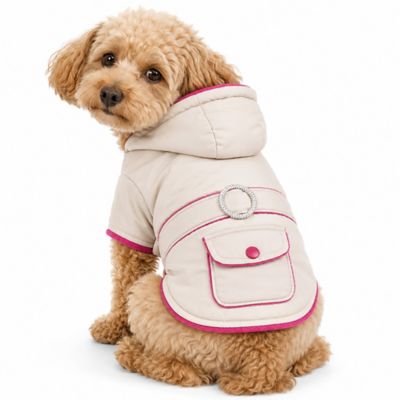
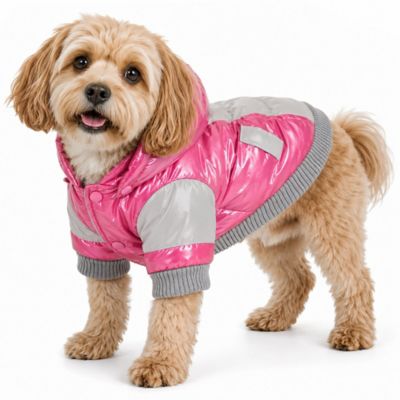
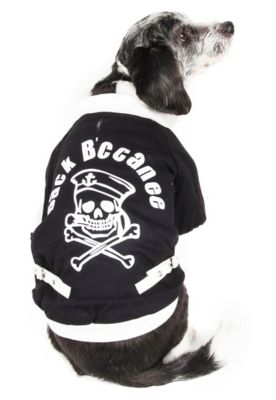
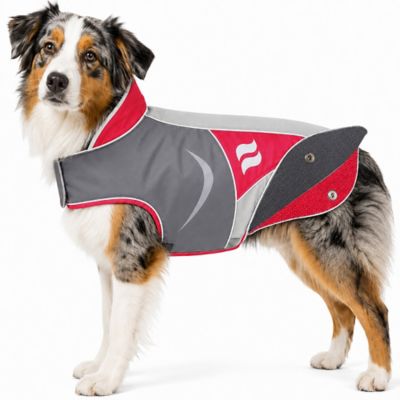
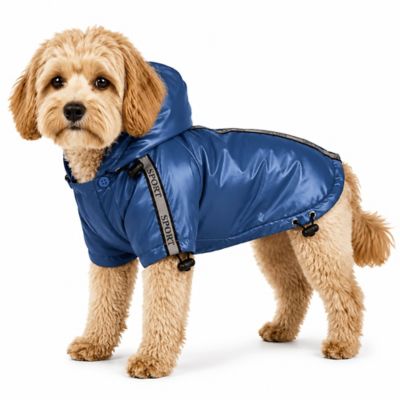
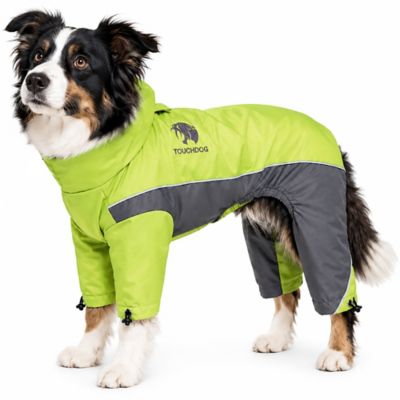
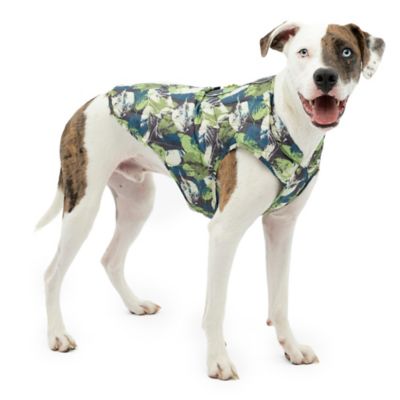
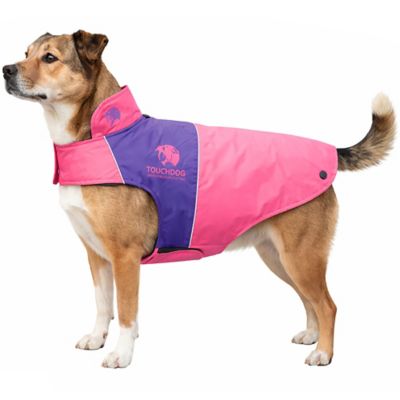
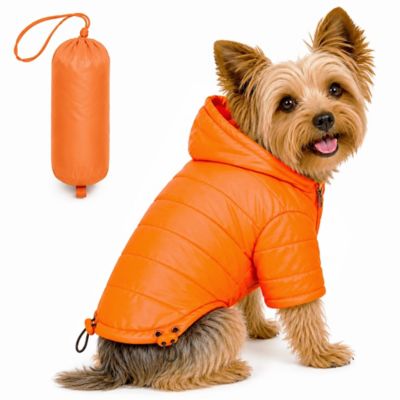
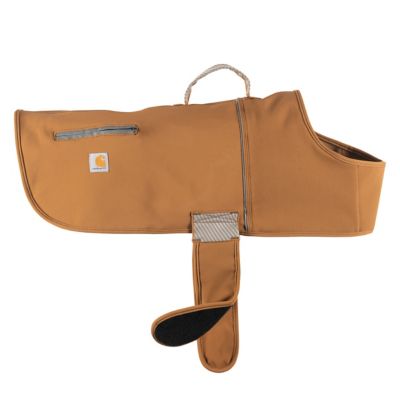
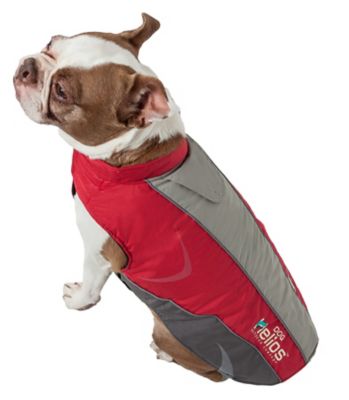
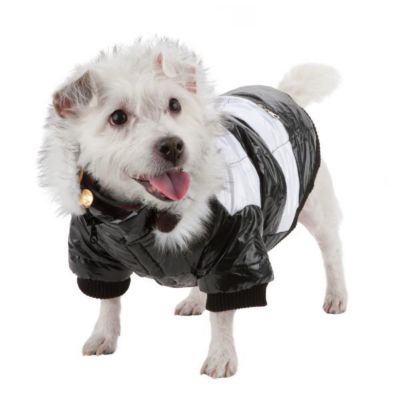
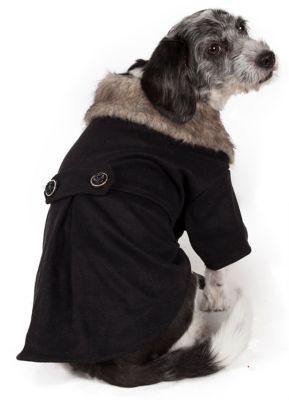
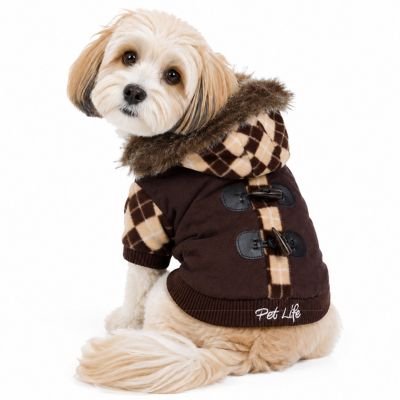
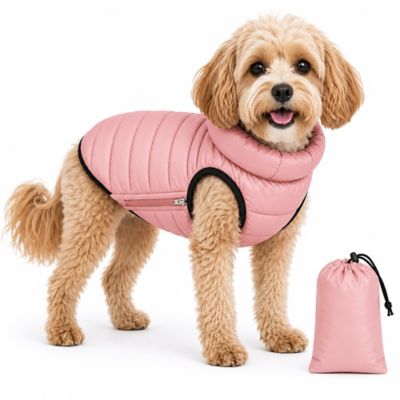
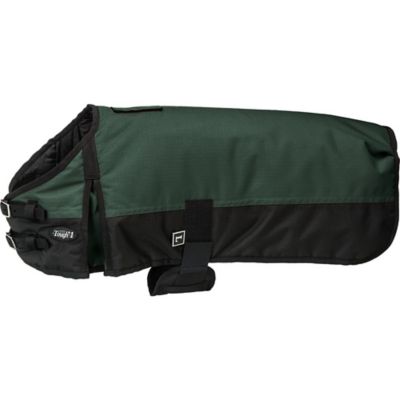
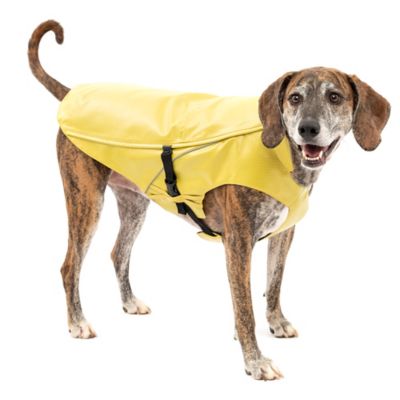
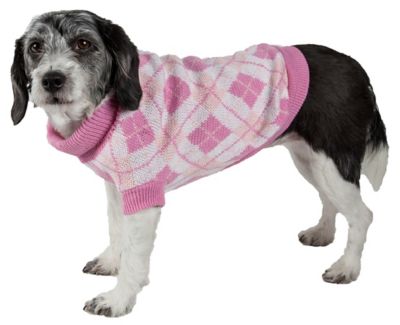
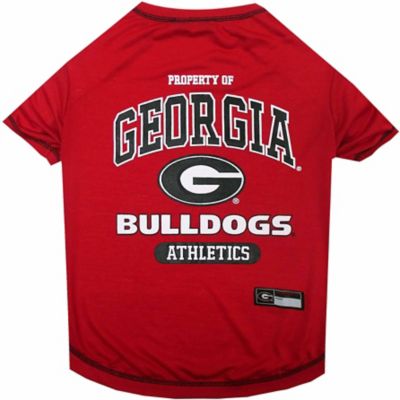
Dog jackets for small dogs add an extra layer of coverage for chilly walks, damp outings, and quick trips from the back door to the yard. Smaller bodies can lose heat faster than larger ones, and short-coated dogs, lean dogs, and older companions may appreciate help staying comfortable outdoors. A little terrier checking the fence line has different needs from a short-legged companion taking a slow stroll down the driveway, so jacket construction matters as much as appearance. Fleece offers soft, lightweight warmth, while quilted styles pair a fabric shell with insulation that traps warm air close to the body. Smooth linings can slide over a dog’s coat more easily, while plush linings provide a cozy feel against shorter hair. A tightly woven outer layer helps cut the breeze, and water-resistant fabric can shed light moisture during a brief outing. Water resistance is not the same as waterproof protection, though, and neither insulation nor a thick lining guarantees that a jacket will keep rain out. Coverage also varies: some jackets focus on the back and sides, while others extend across more of the chest and belly. That extra underside coverage can be helpful for dogs whose bodies sit close to damp grass or slushy ground, provided it leaves plenty of room for bathroom breaks. Lightweight jackets suit dogs that stay active and need freedom to trot, sniff, and turn, while more insulated styles can make sense for slower outings in colder conditions. Thick-coated small dogs may need less insulation than their short-haired neighbors, even when both wear the same size. The right balance comes down to the dog’s coat, activity level, comfort, and time outdoors rather than size alone. A jacket should help a small dog enjoy an outing without weighing the dog down, restricting movement, or making a simple walk feel like hard work.
Fit is especially important with dog jackets for small dogs because a small difference in chest width or back length can change how the whole garment sits. Size labels are only a starting point; measurements around the widest part of the chest, around the base of the neck, and along the back from the base of the neck to the tail give a clearer picture. Each style’s sizing chart matters more than a familiar size name, and weight is best treated as a supporting detail rather than the deciding factor. A broad-chested little dog may need more room through the front than a slender dog of the same weight, while a long-bodied dog may need extra back coverage without extra width. A comfortable jacket lies close enough to stay in place but leaves room for normal breathing and easy movement. The front edge should not press against the throat, and arm openings should not rub behind the front legs. For a dog that loves hopping over porch steps or stretching into a long sniff, room through the shoulders makes a noticeable difference. Adjustable belly straps and neck closures help refine the fit, especially when the chest and back measurements fall into different size ranges. Hook-and-loop closures offer flexibility, although long hair can catch in them. Zippers with a fabric guard help keep fur away from the teeth, and snaps need enough room beneath them to close without pulling the fabric tight. Sleeveless shapes leave the legs clear, while fuller-coverage designs call for closer attention around elbows and armpits. Leash openings and harness access are handy when they line up with the dog’s walking gear; a jacket opening is not a substitute for a properly fitted collar or harness. Bright colors and reflective details can add visibility along a driveway, but they do not replace a light or attentive handling. For clothing beyond outerwear, explore
Dog Clothes For Small Dogs for other layers suited to smaller frames.
Everyday wear puts a dog jacket through plenty, from muddy paw prints and loose hair to the occasional brush against a rough porch post. Stitched edges, reinforced strap attachments, and a tightly woven shell can help a garment stand up to regular outings, while soft binding around openings helps reduce rubbing. Fabric choice also affects cleanup. A smooth exterior tends to release dry dirt and hair more readily than a deep, fuzzy surface, while fleece and plush linings may hold onto burrs or bits of grass. Care labels spell out whether a jacket can go in the washing machine, needs gentle cleaning, or should air-dry. Fastening closures before washing can help keep straps from catching on other fabric, and clearing hair from hook-and-loop tabs helps them stay secure. Thorough drying matters before the next outing, since a damp lining can leave a dog uncomfortable instead of cozy. Between washes, a check along the seams, belly panel, and fasteners can catch a loose thread, trapped debris, or a rough spot before it becomes bothersome. For dogs new to clothing, a light, easy-on jacket and a short supervised introduction can make getting dressed less of a fuss. The dog should still be able to walk naturally, settle comfortably, and take care of bathroom business without fabric getting in the way. Shivering, reluctance to keep walking, or unusual slowing are reasons to head inside rather than count on a jacket to solve the problem. Outerwear does not replace shelter, and straps or loose fabric should stay clear of fences, brush, and moving equipment. A well-fitting jacket can also be a thoughtful gift for someone who shares daily walks with a small dog, especially when the dog’s measurements and usual harness setup are known. Easy fastening, sensible coverage, and straightforward care make the layer easier to work into the everyday routine.