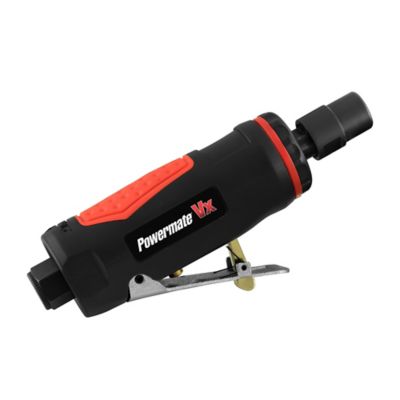
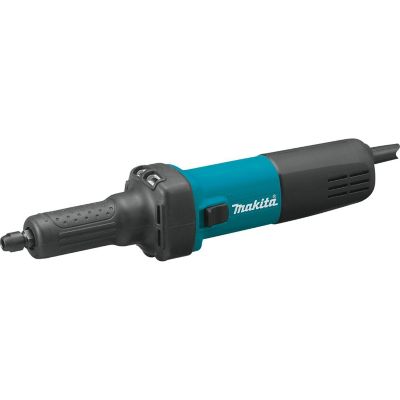
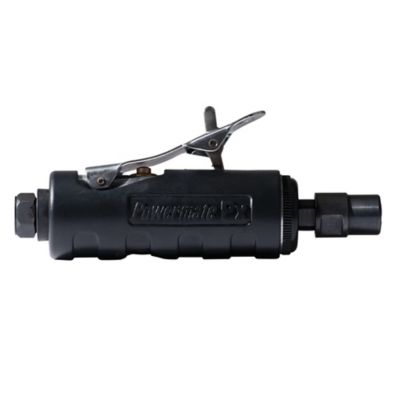
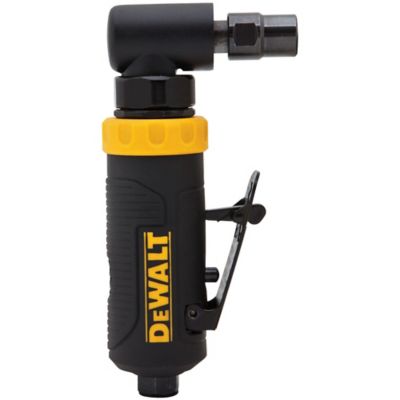
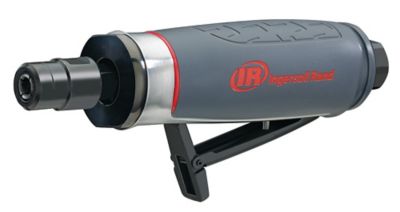
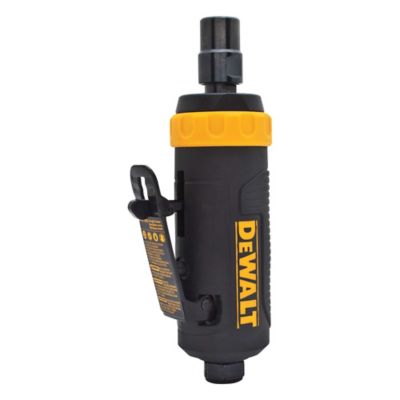
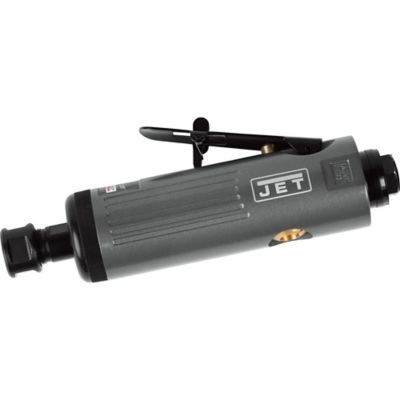
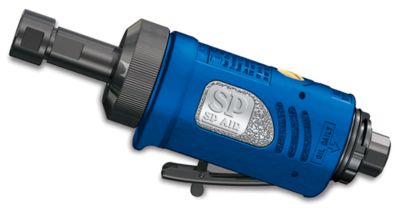
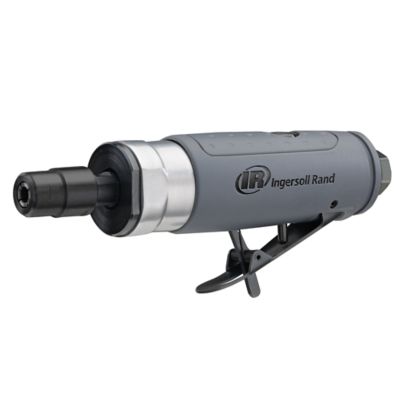
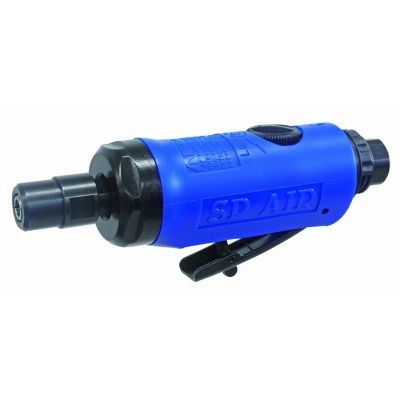
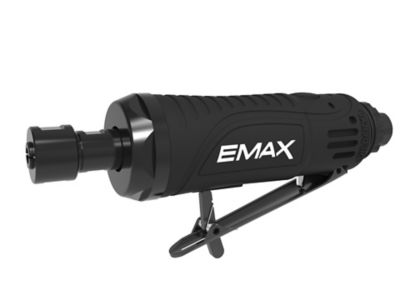
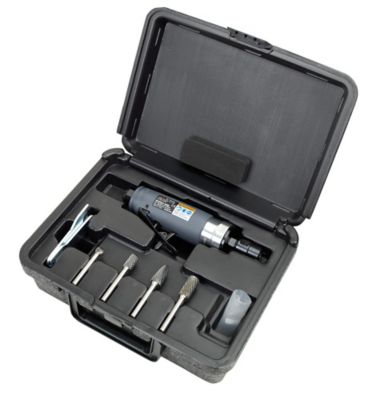
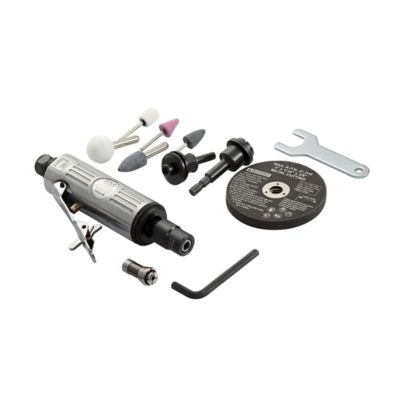
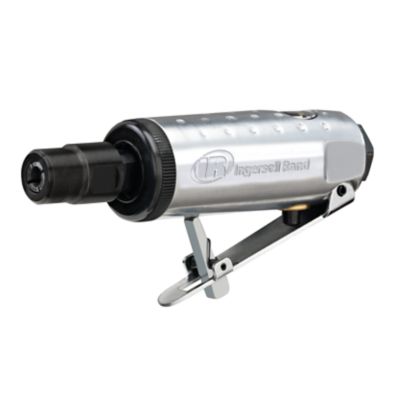
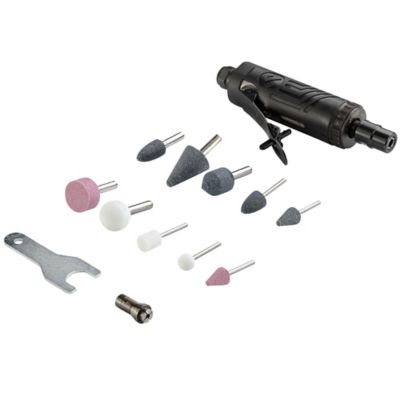
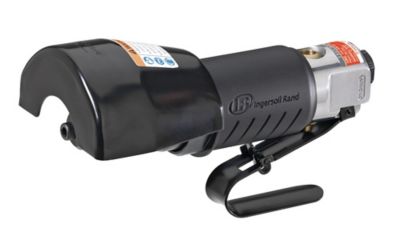
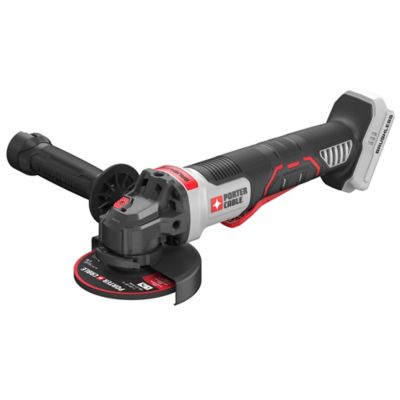
Small die grinders are compact, high-speed handheld tools made for detail work that is hard to handle with a larger grinder. They are useful for deburring freshly cut metal, smoothing welds, cleaning rust from tight corners, polishing surfaces, sharpening certain edges, and cutting or shaping material with the right accessory. In a farm shop, they can help clean up a hitch component, smooth a rough spot on a gate hinge, or reach into a bracket where a full-size grinder will not fit. In an automotive workspace, they are handy for gasket-surface cleanup, porting, light grinding around suspension parts, and removing burrs from drilled holes. Woodworkers and fabricators also use them for carving, shaping, and finishing jobs that call for a steady hand rather than a broad grinding wheel. Their small size makes them easier to guide around corners and narrow openings, while their high speed helps get through careful finishing work without dragging a bulky tool across the project. A small die grinder can be a practical addition to a home garage, welding table, equipment shed, or mobile repair setup, especially for someone who spends time maintaining trailers, machinery, livestock equipment, or older vehicles. They can also make a useful gift for a handy person who enjoys restoring equipment or building things from steel, though the best choice depends on the power source, collet size, and kind of work they usually do.
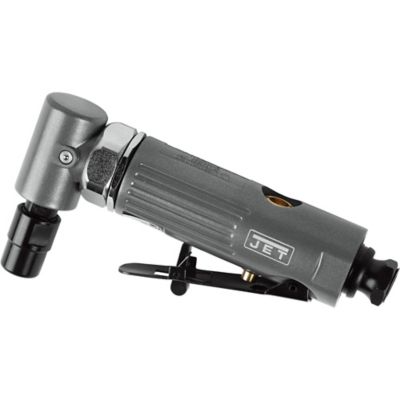
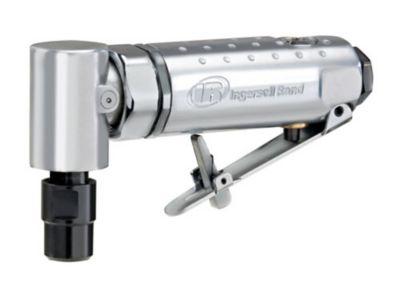
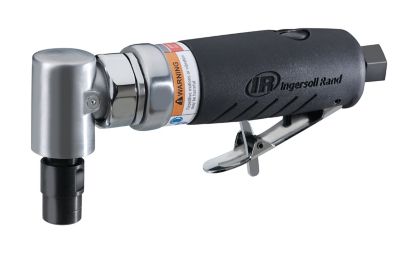
When comparing small die grinders, start with the power source. Pneumatic, or air-powered, models are common in busy shops because they can deliver steady performance and are less likely to stall when the operator keeps a consistent air supply. Many compact air grinders call for roughly 2.5 to 3.5 CFM at 90 PSI, but air requirements vary, so check the tool specifications and make sure the compressor can keep up. A compressor with enough reserve helps the grinder maintain speed during longer passes instead of slowing down when the tank pressure drops. Air tools are often a good fit for a permanent shop where an air hose is already close by, while cordless electric models are convenient when the work is spread around a property or takes place away from an outlet and compressor. Battery-powered tools offer a clean, easy setup with no air hose to pull across the floor, although runtime and performance depend on the battery, material, accessory, and pressure applied. Keeping a spare charged battery nearby can make a noticeable difference during a repair day. Also consider the grinder’s shape. A straight design gives a direct line into cavities and along narrow channels, while a 90-degree angle design can feel more natural when working along a flat panel, inside a frame, or around a crowded engine compartment. If reaching into cramped areas is part of the job, compare the selection of
Right Angle Die Grinders as well. Collet size matters just as much as overall tool size: a 1/4-inch collet is a common choice for general-purpose grinding, cutting, and finishing accessories, while a 1/8-inch collet is better suited to smaller bits, pencil-style tools, engraving, and fine detail work. A slim micro grinder may spin at extremely high speeds, sometimes in the range of 54,000 to 65,000 RPM, so it is best reserved for light, precise jobs and used only with accessories rated for that speed. Larger accessories are not automatically better; the bit must match the collet, the material, and the grinder’s maximum RPM.
The right accessories turn a small die grinder into a versatile shop helper. Carbide burrs can remove material and clean up welds, abrasive stones can smooth edges and cast surfaces, sanding rolls can blend and finish, wire wheels can remove scale and light rust, and cutoff wheels can handle small cuts when the tool and wheel are properly matched. Always check the accessory diameter, shank size, rated speed, and intended material before installing it. Tighten the collet securely, but avoid over-tightening, and make sure the bit is seated straight with as little unnecessary overhang as possible. A crooked or poorly supported accessory can vibrate, wear unevenly, or break. These tools remove material quickly, so a light touch usually gives better control than leaning hard into the work. Let the accessory do the cutting, keep the grinder moving, and pause when the metal becomes too hot to touch or begins to discolor. Eye protection is essential, and a face shield, hearing protection, work gloves suited to the task, and a dust mask or respirator may be appropriate depending on the material and accessory. Secure the workpiece before grinding, keep sparks away from hay, bedding, fuel, solvents, and other flammable materials, and inspect wheels and burrs for cracks or damage before use. During the cooler months, a clean, well-lit bench makes indoor repair work more comfortable, while a portable cordless grinder can be useful for quick maintenance around the property when the weather is unsettled. Store the tool clean and dry, keep air inlets and vents clear, and follow the manufacturer’s instructions for lubrication, battery care, and maintenance. With the proper setup, a small die grinder offers the control needed for close-up work without taking up much room in the toolbox.