Die Grinders
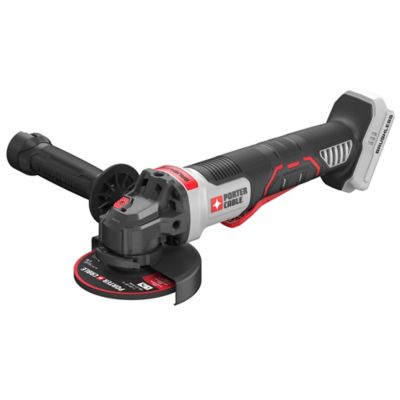
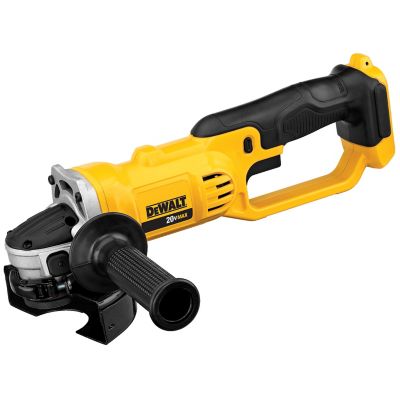
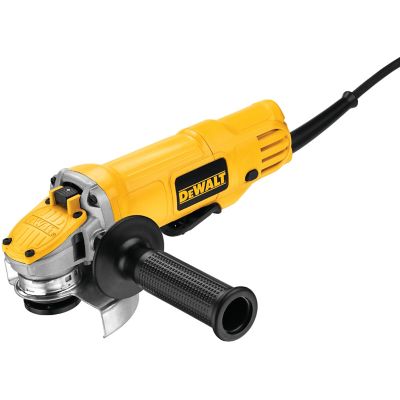
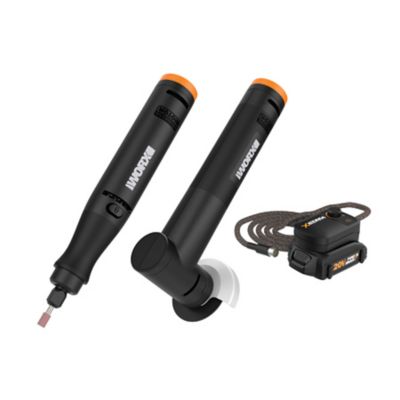
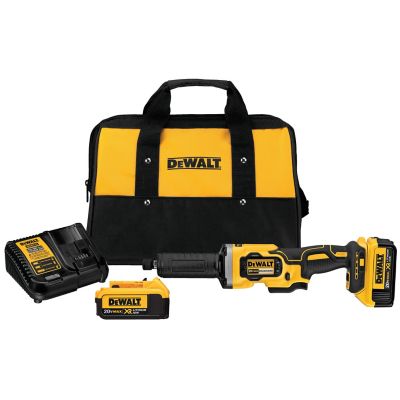
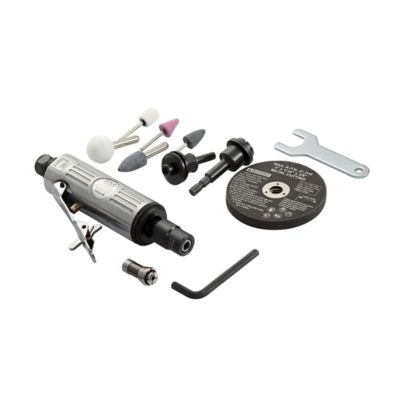
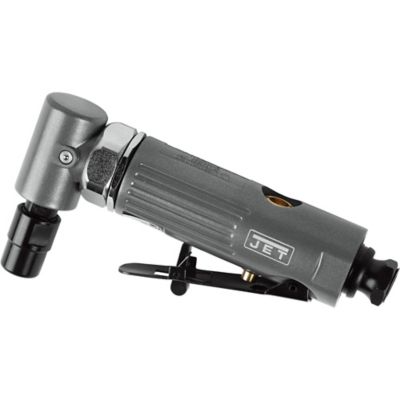
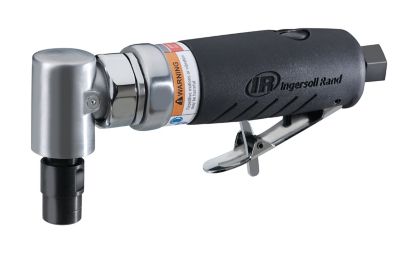
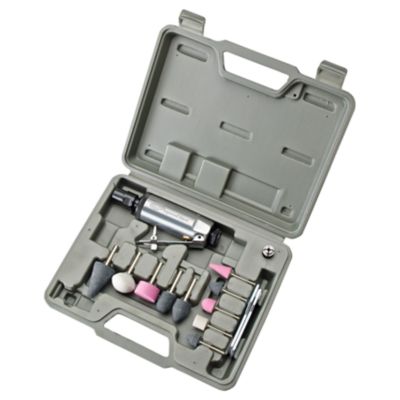
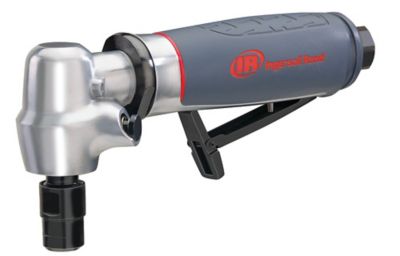
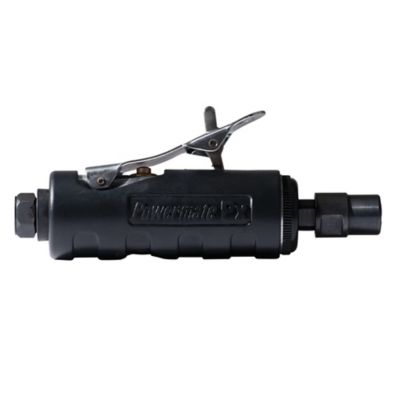
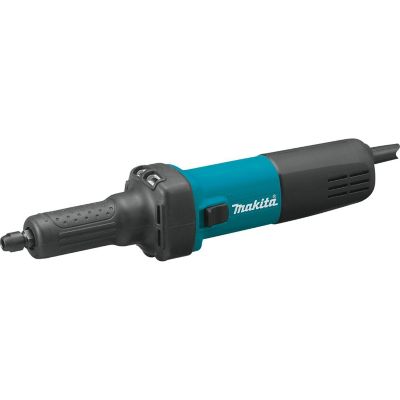
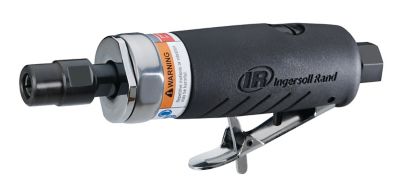
Shop die grinders for grinding, deburring, and smoothing rough edges on projects around the shop or farm. Compare tools by power source, speed, and grip to find a fit for your work, and check attachment compatibility for the tasks you tackle most.
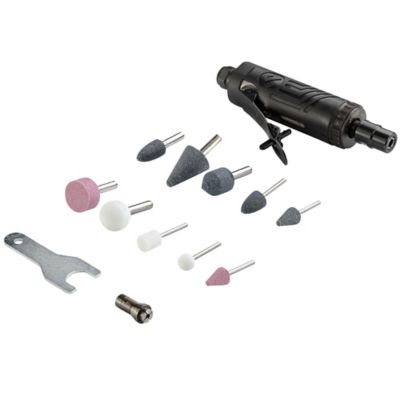
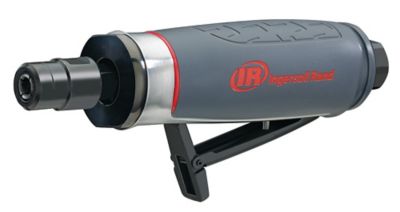
$287
.99
Sale Was $319.99 Save $32.00 (10%)
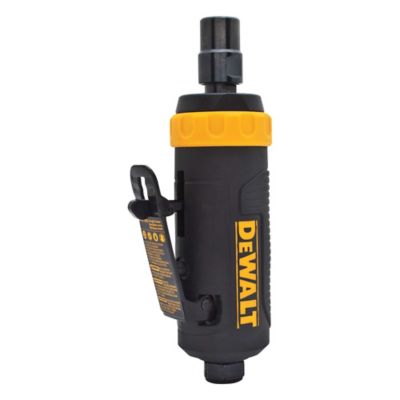
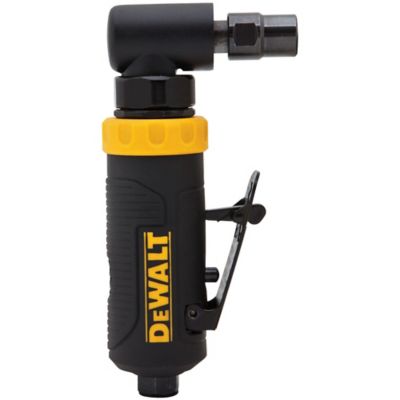
$159
.99
Sale Was $219.99 Save $60.00 (27%)
$321
.29
Sale Was $356.99 Save $35.70 (10%)
$44
.99
Sale Was $64.99 Save $20.00 (31%)
Best Of FAQ
What’s the difference between pneumatic and electric die grinders?
Pneumatic die grinders run on compressed air and connect to an air compressor through a hose. Electric die grinders run on either corded power or a rechargeable battery. Your shop’s air setup and access to outlets can help guide your choice.
How is a die grinder different from an angle grinder?
A die grinder typically holds a shank-mounted attachment in a collet, while an angle grinder holds a wheel or disc on a spindle. They have different attachment systems, so their accessories generally aren’t interchangeable.
What kinds of attachments go with die grinders?
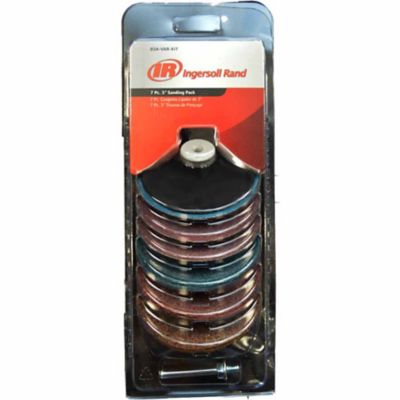
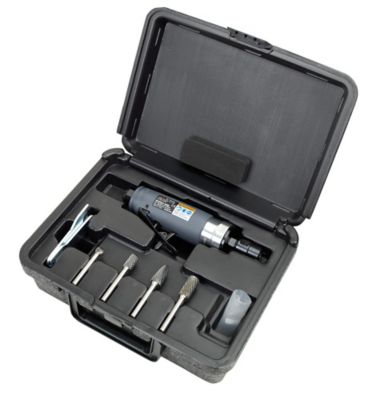
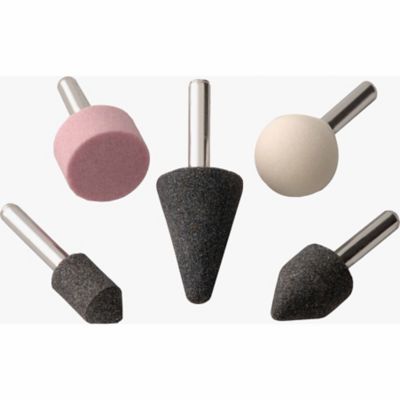
Common die grinder attachments include carbide burrs, mounted grinding stones, sanding drums and polishing points. Attachment compatibility varies by tool, so check the grinder’s specifications when choosing accessories for your shop.
What’s the difference between straight and right-angle die grinders?
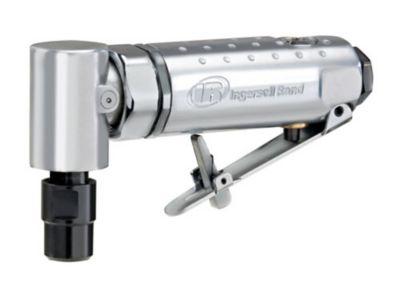
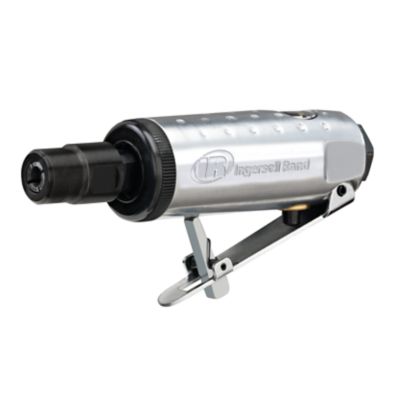
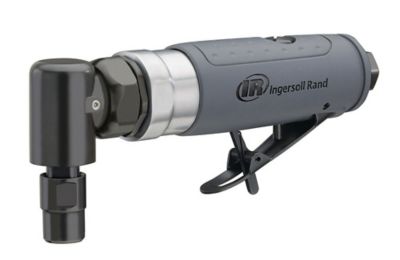
On a straight die grinder, the attachment points in line with the tool’s body. A right-angle die grinder positions the attachment at a 90-degree angle to the body. That layout changes how you hold and position the tool around a workpiece.
What does variable speed mean on a die grinder?
Variable speed lets you change how fast the attachment spins instead of running at one fixed speed. Depending on the tool, you may adjust it with a dial, trigger or air-control mechanism. Check the tool’s specifications to see how its speed control works.
Best Sellers
-
"Works great. One of the best I've used. Good power for cutting"
-
"With the proper attachment this is Great to clean up rusty parts, remove paint, sharpen mower blades"
-
"The best thing id you are not fighting a cord"
-
"Works great with a twisted bead brush to clean welds. 6.0 Amp Hr batteries work best"
-
"The best brand ever. Love my new tool and use it often"