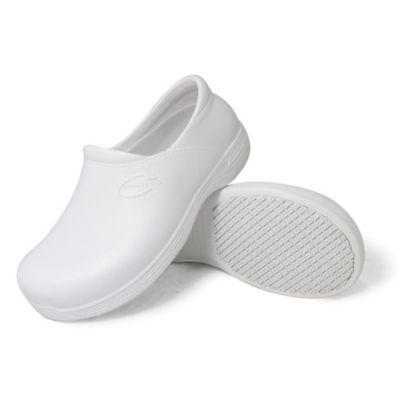
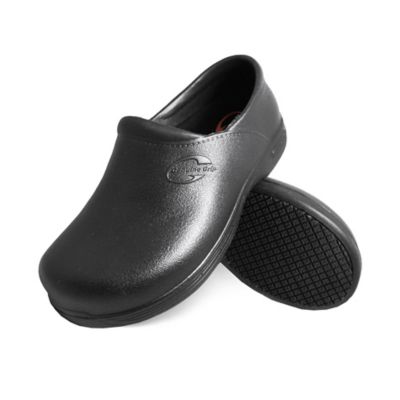
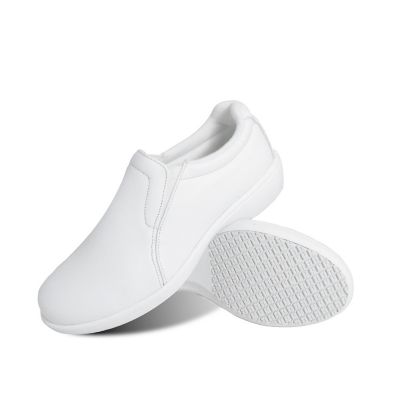
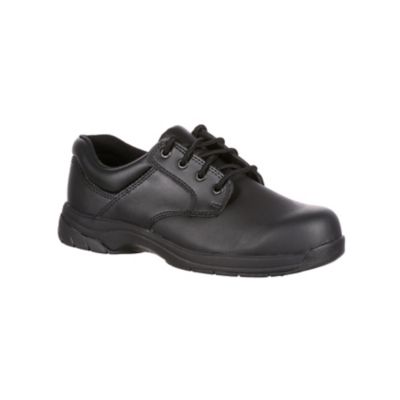
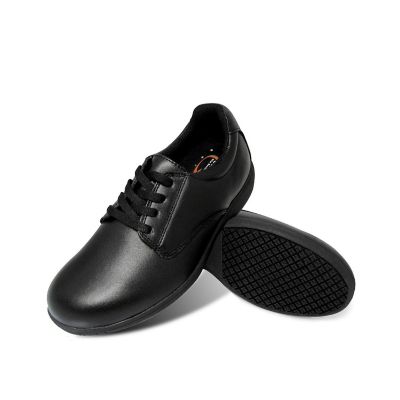
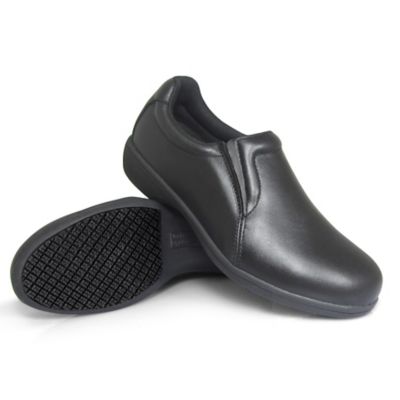
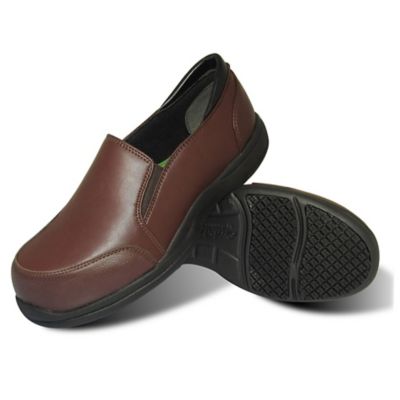
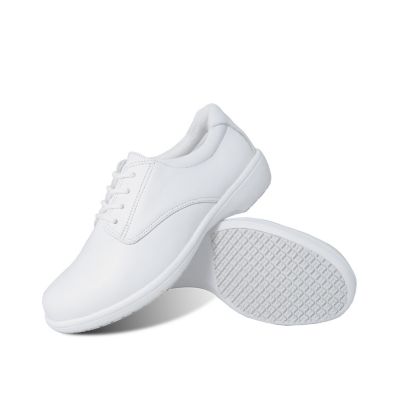
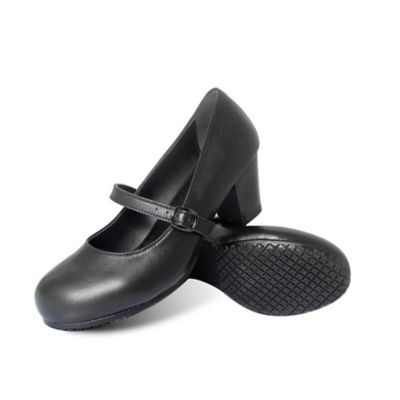
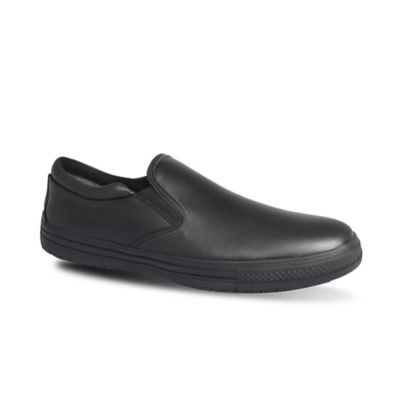
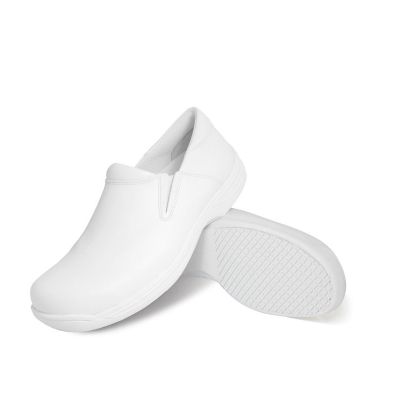
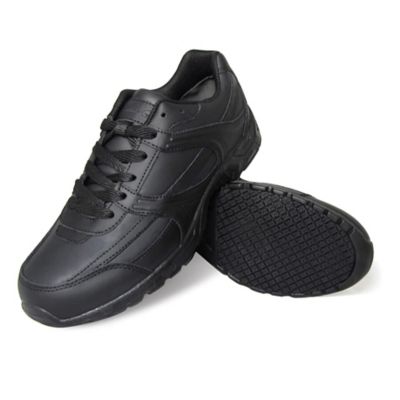
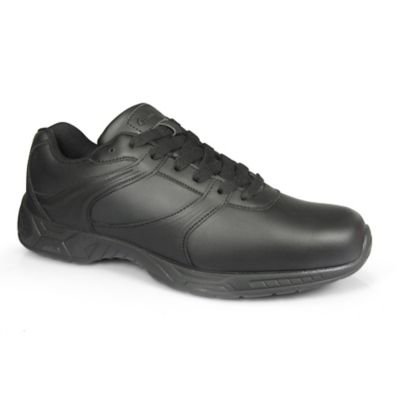
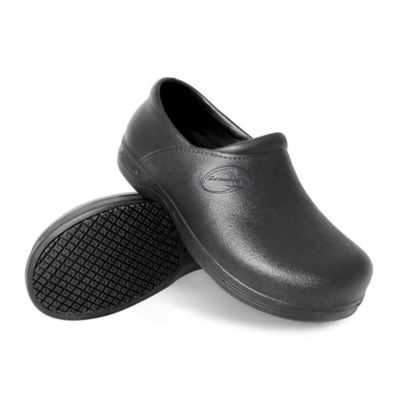
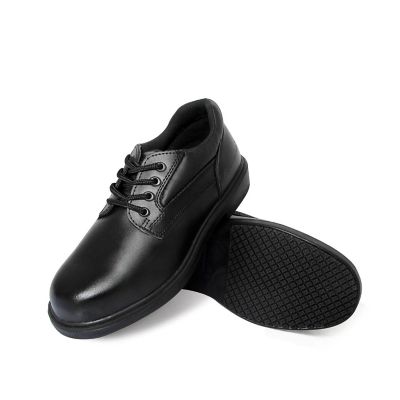
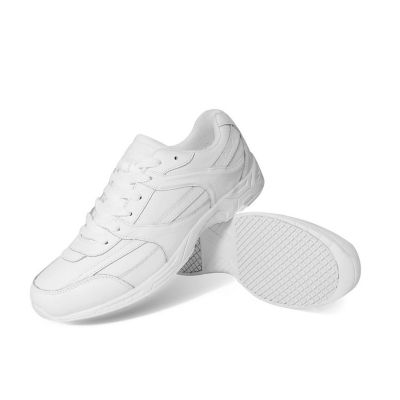
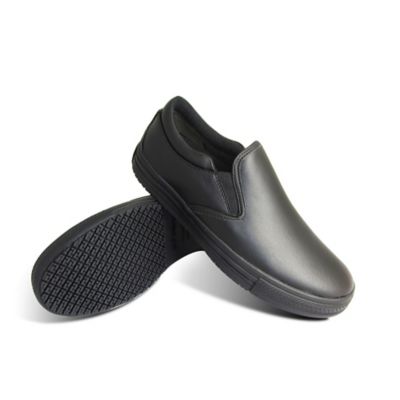
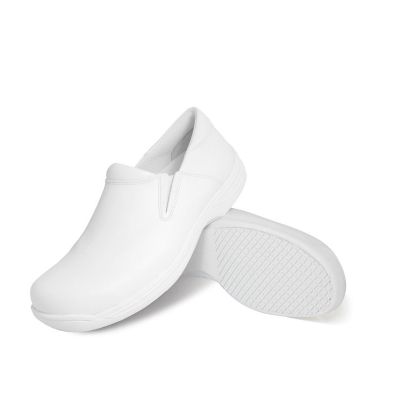
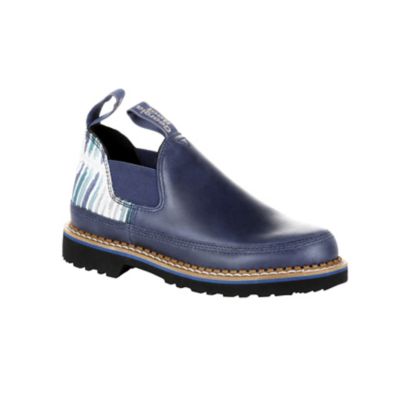
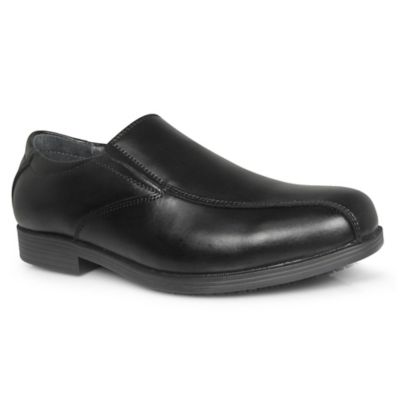
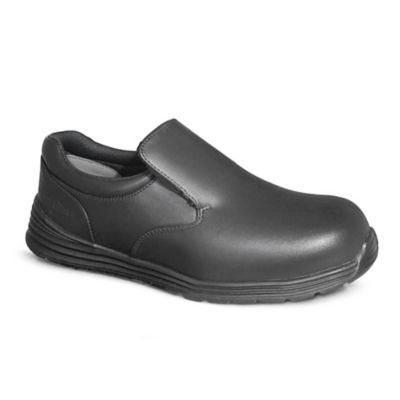
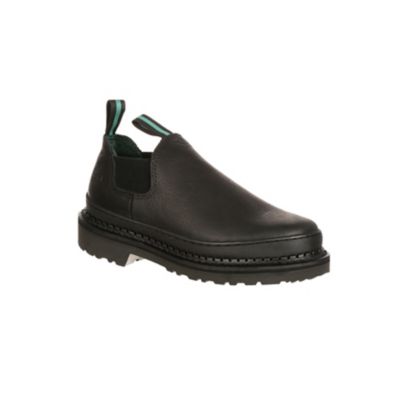
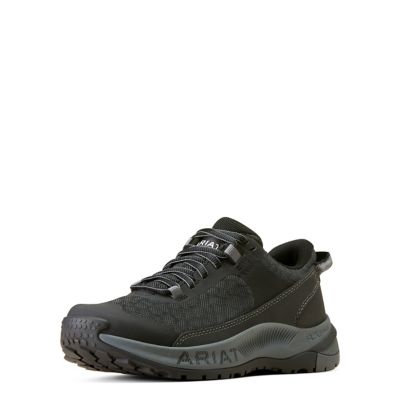
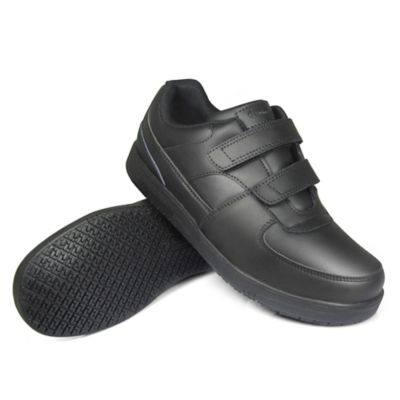
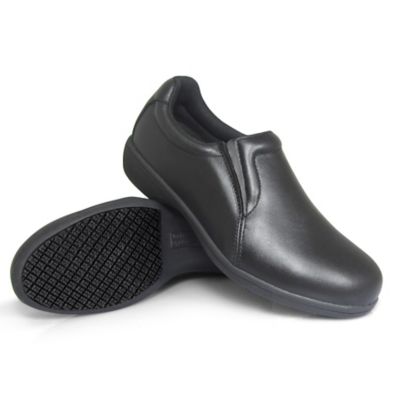
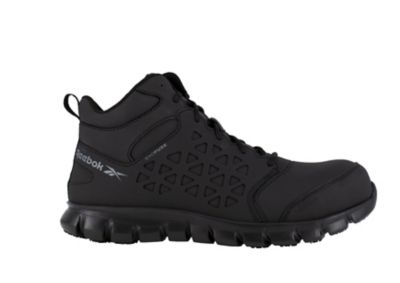
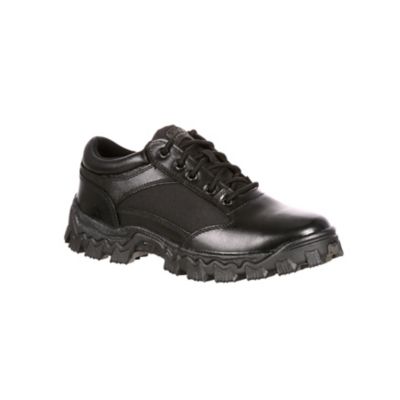
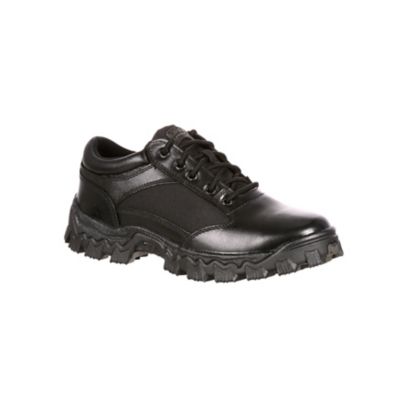
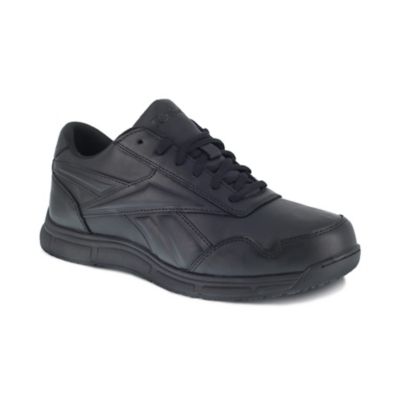
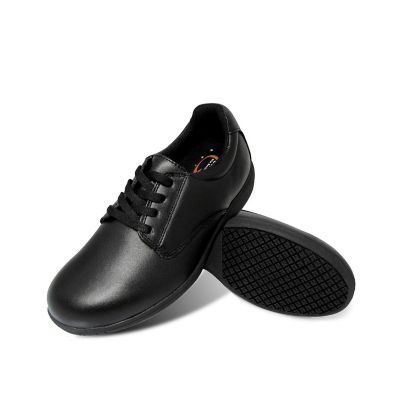
Slip-on shoes for nurses are made for the kind of workday that starts before sunrise and seems to keep going long after the halls quiet down. Nurses and other hospital workers may spend most of a shift walking, standing, turning, and moving quickly between rooms, so the right pair needs to do more than look professional. A comfortable slip-on can save time during busy mornings, especially when there is no room for tying laces or stopping to adjust loose footwear. Look for a secure fit that stays put as you move, along with a roomy toe box that lets your toes spread naturally without allowing your heel to slide. Slip-on styles commonly come in clog and sneaker-like designs. Clogs often have a roomy shape and an easy-clean exterior, while sneaker-style shoes may feel more familiar to anyone who prefers a flexible upper and a closer fit around the foot. Elastic gores, stretch panels, or a shaped opening can make shoes easier to put on while still helping them stay snug. For workers with wider feet, bunions, swelling, or orthotic needs, pay close attention to width choices, removable insoles, and the amount of room across the ball of the foot. Sizing can vary by style, so it helps to check the fit while wearing the socks used on the job. Feet often swell after hours on the floor, and a shoe that feels just right first thing in the morning may feel tight by the end of a long shift. A little breathing room at the toes is useful, but too much extra space can lead to rubbing, blisters, and an unsteady stride.
Workplace conditions matter just as much as comfort. A nurse’s shoes may encounter water, cleaning solution, food, lotion, or other fluids, so fluid-resistant uppers are a practical feature for daily wear. Fluid-resistant does not always mean fully waterproof, and a shoe should be cleaned according to its care instructions instead of being soaked or put in a washing machine unless the manufacturer says that is safe. Smooth leather, coated synthetic materials, and other wipe-clean finishes can make it easier to handle small spills between shifts. A darker color may help hide everyday marks, while lighter colors can make dirt and stains easier to spot before they become set in. Underfoot traction is another important consideration. Hospital floors, clinic entrances, break rooms, and locker areas can become slick when wet, so look for a rubber or rubber-like outsole with a well-defined tread pattern and a slip-resistant rating when available. No sole can prevent every fall, and workers should still use care around spills, but dependable traction can support a steadier step. Cushioning and support also deserve a close look. A soft footbed can help take the edge off repeated steps, while a stable midsole and supportive arch can reduce the tired, achy feeling that builds through a 10- or 12-hour shift. Some people prefer a flexible sneaker feel, while others feel better in a firmer footbed or a rocker-style sole that helps the foot roll forward. There is no single setup that works for every worker. The best choice depends on foot shape, walking habits, existing discomfort, and the surfaces covered during a shift. If you are shopping across several work roles, the selection of
Shoes For Hospital Workers can also help you compare practical footwear options for busy healthcare settings.
Good care can help a dependable pair last through many shifts. Wipe off dust and spills as soon as you can, let the shoes air out fully between wears, and avoid storing them in a damp locker or closed vehicle. A second pair can be useful for rotating footwear, giving each pair time to dry and recover between workdays. Moisture-wicking socks may help manage sweat, while cushioned work socks can add comfort without making the fit too tight. Check the outsole from time to time for worn-down tread, and pay attention to flattened cushioning, cracked material, loose stitching, or a heel that no longer sits evenly. Those signs can affect comfort and traction even when the upper still looks presentable. Slip-on nurse shoes can also make a thoughtful gift for a nursing student, a new graduate, a home health aide, a medical assistant, or a family member heading into a demanding healthcare role. They are especially useful for someone preparing for clinical rotations, a first hospital job, or a return to work after time away. When giving footwear as a gift, a gift receipt and a little flexibility on size or width can make the gesture more useful. Consider the recipient’s dress code, whether the workplace allows clogs, the color requirements, and whether they need removable insoles or a wider fit. During warmer weather, breathable materials can help keep feet more comfortable, while cooler months may call for socks with a bit more warmth without crowding the shoe. Whatever the season, a well-fitting, easy-clean pair with reliable traction and steady support can become one of the most appreciated parts of a nurse’s workday—from the first walk through the parking lot to the final tired steps home.