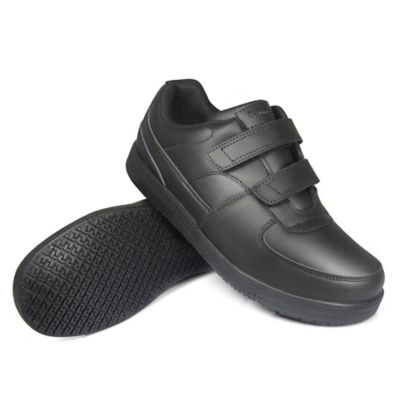
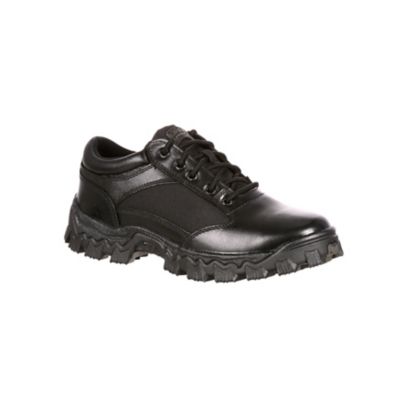
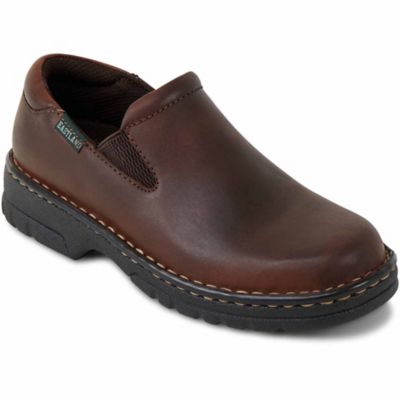
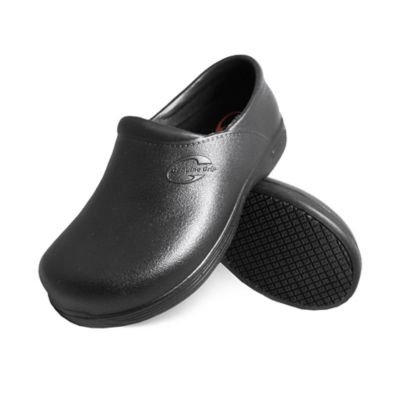
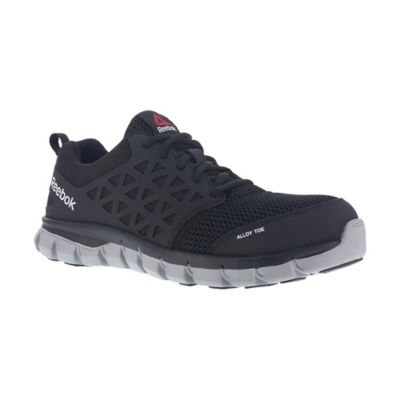
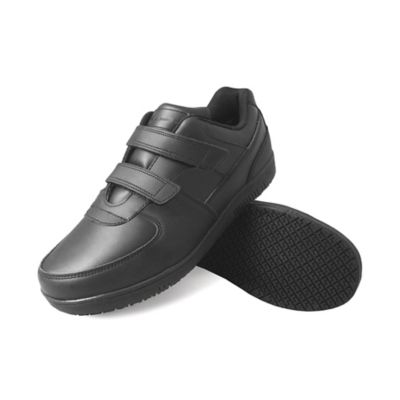
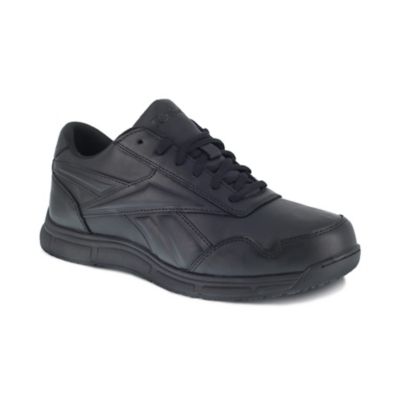
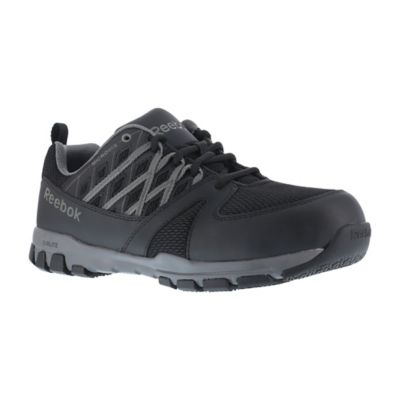
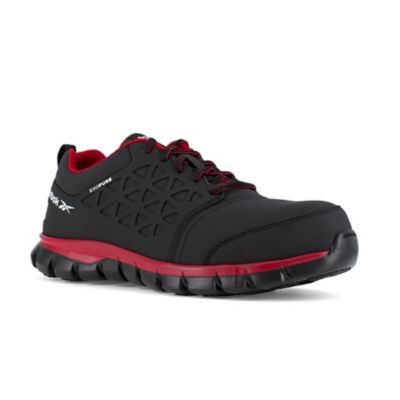
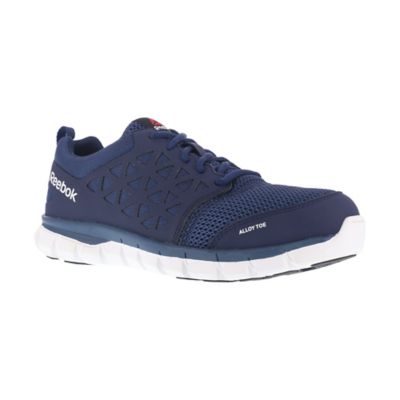
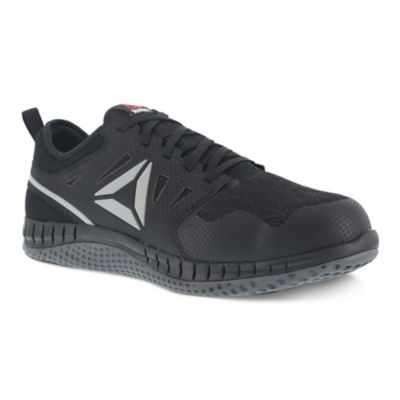
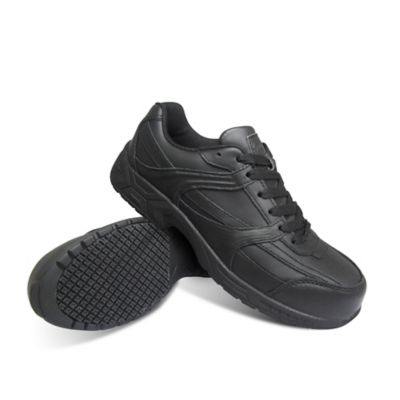
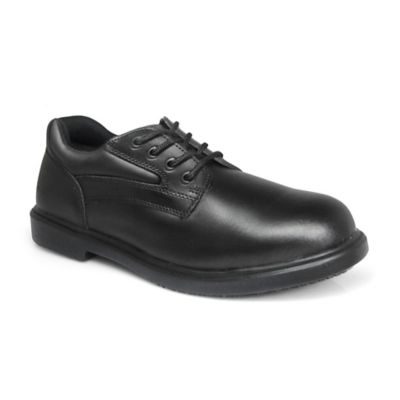
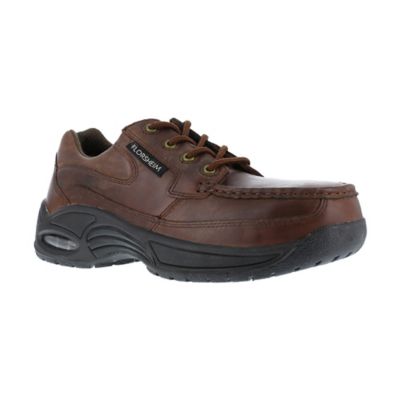
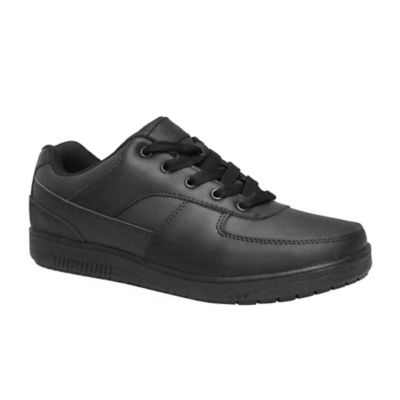
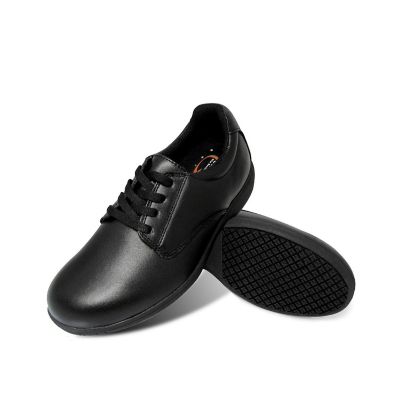
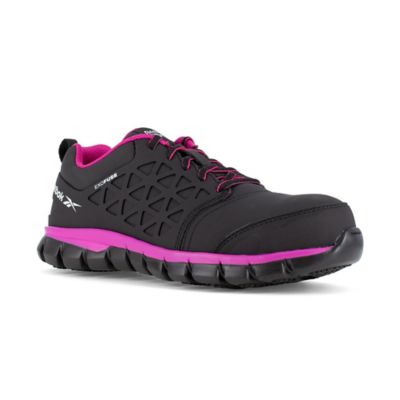
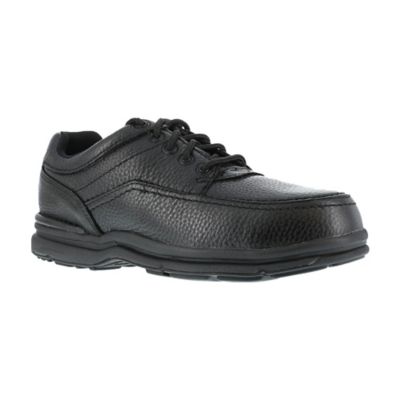
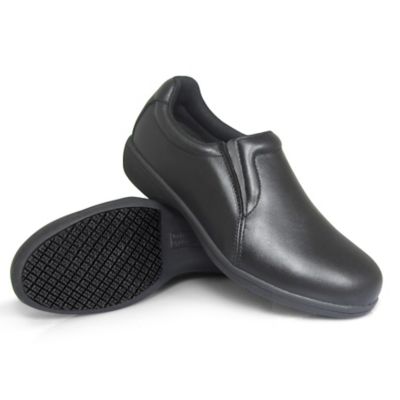
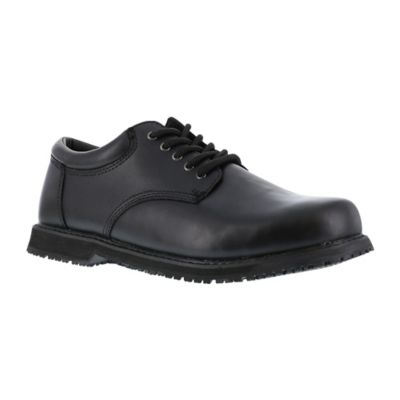
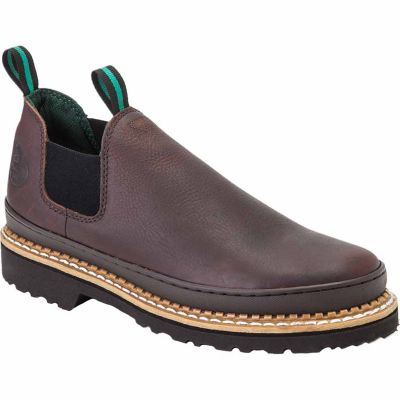
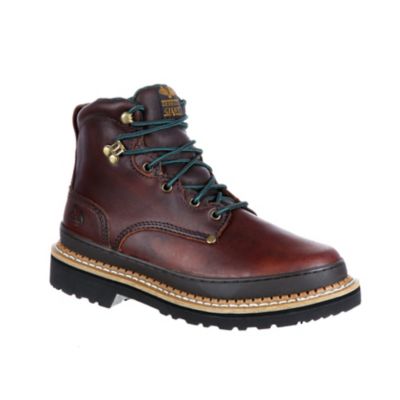
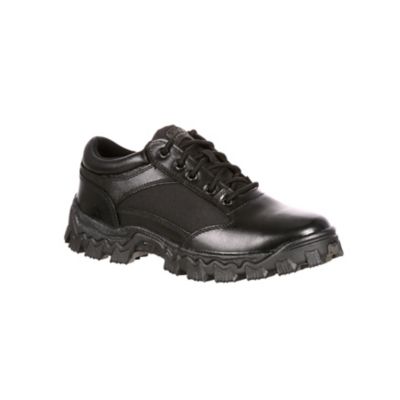
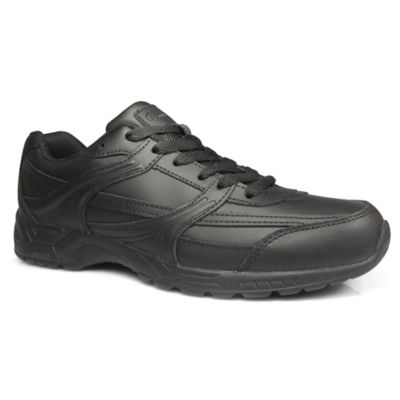
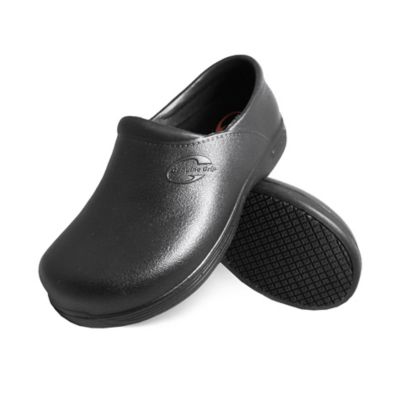
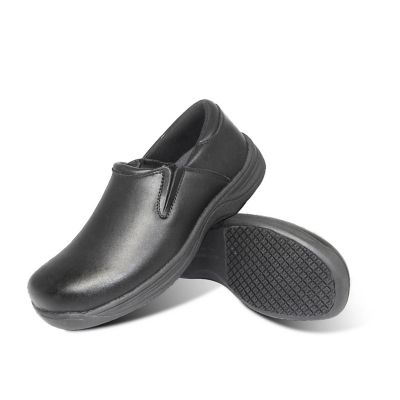
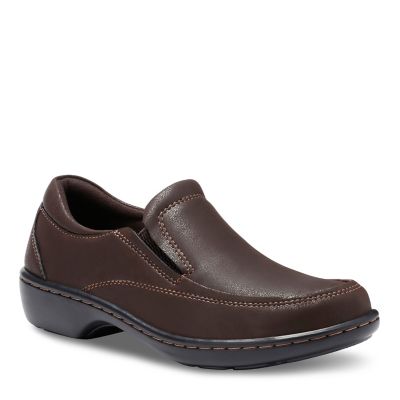
Shoes for healthcare workers have a straightforward job: help keep feet supported through long stretches of standing, walking, turning, and getting back up again. A shift can mean moving between exam rooms at a small-town clinic, making rounds along hospital corridors, or standing beside a treatment table with little chance to sit. The features that matter most are a secure fit, cushioning that stays steady underfoot, traction suited to the floor, and uppers that meet workplace requirements for coverage and cleaning. Those needs apply to nurses, doctors, medical assistants, nursing aides, technicians, and other staff whose work keeps them on their feet. Supportive work sneakers, closed-back clogs, and other closed-toe work shoes offer different ways to balance those features. Lace-up styles allow adjustment across the top of the foot, while slip-on designs depend more heavily on the shape of the opening and heel to stay in place. A shoe that feels soft for a few steps may not feel steady during hours at a workstation, so cushioning and stability deserve equal attention. Foam midsoles can soften the feel of hard flooring, while a broad base and a structured heel can help the foot feel more settled during turns and changes in direction. Neither an especially thick sole nor a particular heel height is a universal answer for every worker. How the shoe bends, how firmly it holds the heel, and how naturally it moves with the foot all matter. For staff splitting their day between patient visits, charting, and rounds,
Comfortable Shoes for Doctors offers a related footwear focus. Across healthcare roles, the right match depends on the demands of the workplace and the person wearing the shoes, rather than appearance alone. A pair that suits a busy outpatient office may feel different during a hospital shift spent covering much longer distances.
Materials make a noticeable difference in how healthcare work shoes feel and how much attention they need after a shift. Smooth leather and synthetic uppers can offer surfaces that are easier to wipe down than open mesh, although cleaning methods and liquid resistance vary by construction. Leather may feel firmer at first and soften with wear, while some synthetic materials need less conditioning. Mesh can allow more airflow, but its openings may make it unsuitable where workplace rules call for fluid-resistant coverage. Water resistance does not automatically mean protection against bodily fluids, chemicals, or punctures; those needs call for footwear with the appropriate stated protection. Closed toes and a secure heel are common workplace requirements, and some facilities also restrict open backs, ventilation holes, or exposed fabric. Underfoot, slip-resistant outsoles are worth close attention wherever smooth flooring and spills can meet. Tread patterns, rubber compounds, and testing conditions differ, so a slip-resistant label does not mean a shoe will prevent every fall. Performance can change with the floor surface, the substance on it, and the condition of the sole. Defined tread channels and an outsole suited to the work setting matter more than a rugged-looking bottom alone. For someone turning from a supply cabinet toward a bedside, secure footing also depends on a shoe that does not slide around on the foot. Construction details play a part in how well footwear holds up: reinforced seams, firmly bonded sole edges, and material around high-flex areas all deserve a look. Lightweight shoes can feel less cumbersome over repeated steps, but lower weight should not come at the expense of the support or coverage the job requires. Footwear for home-health visits may face a different mix of walking surfaces than shoes worn entirely inside a clinic, making intended use an important part of the choice. Protective footwear requirements should always come from the employer’s safety policies, not assumptions based on a shoe’s shape or material.
Fit is where all those features either come together or fall short. Healthcare shoes should leave room for toes to spread without letting the heel lift excessively or the foot slide forward when stopping. Feet can swell over the course of a shift, so trying shoes later in the day, with the socks normally worn at work, can give a better sense of working fit. Width matters as much as length; sizing up to escape pressure across the forefoot may leave too much space at the heel. A roomy toe box, smooth interior seams, and a padded collar can help limit pressure and rubbing, but a painful fit is not something to count on breaking in. Removable footbeds can make room for prescribed orthotics when the shoe has enough interior depth, though not every insert and shoe combination works well together. Workers with persistent foot pain, numbness, or a diagnosed foot condition should seek advice from a qualified clinician rather than expect footwear alone to solve it. Day-to-day care also affects how work shoes wear. Following the maker’s cleaning directions helps protect uppers, adhesives, and cushioning; a shoe that wipes clean is not necessarily machine washable or compatible with workplace disinfectants. Clearing debris from outsole grooves preserves the tread’s contact with the floor, and allowing shoes to dry fully between shifts helps manage moisture inside. Direct heat can damage some materials, so drying methods matter. Worn-smooth tread, separated sole edges, uneven heels, and cushioning that feels flattened are practical signs that a pair needs closer inspection or replacement. There is no single replacement schedule that fits every job or wearer. A nursing student starting clinical rotations or a family member beginning a healthcare role might appreciate work shoes as a gift, but getting their size, fit preferences, and dress-code requirements first makes that gesture more useful. Whether the day involves bedside care or keeping a country clinic running, footwear should fit the work without becoming another thing to fuss over.