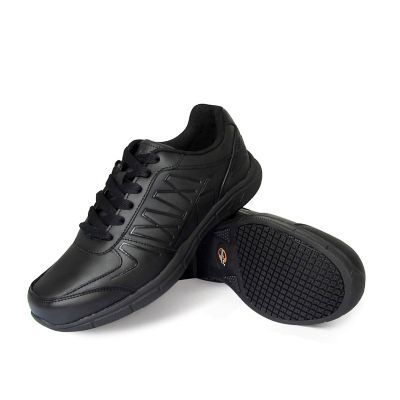
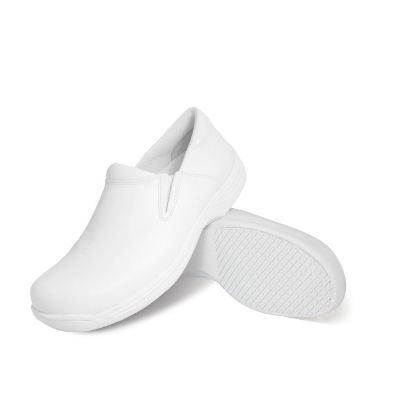
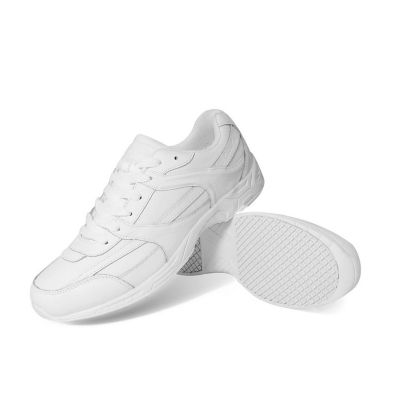
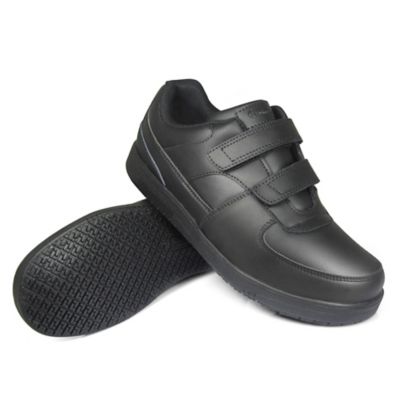
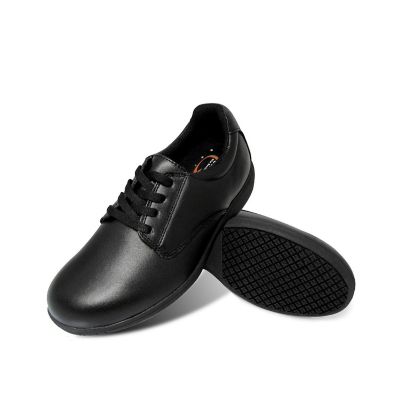
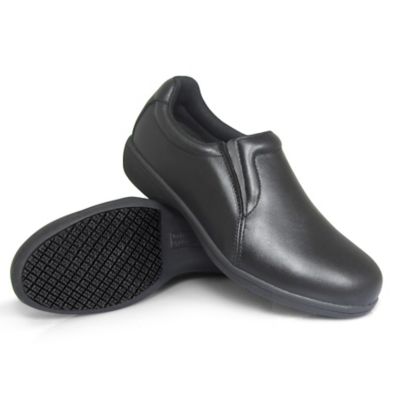
Non-slip shoes for nurses bring together slip-resistant outsoles, steady support and cushioning for hours of walking and standing on hard floors. From a hospital hallway to a small-town clinic, nursing work means plenty of starts, stops, turns and time spent on your feet. A well-matched pair should feel secure during a brisk walk between rooms without becoming uncomfortable while standing beside a bed or working at a counter. Slip resistance comes largely from the outsole’s material and tread design, with rubber compounds and tread channels helping manage contact with the floor. Performance varies by shoe, floor surface and the substance underfoot, so the words “non-slip” do not mean a shoe can prevent every fall. Water, cleaning residue and other spills can each affect traction differently. Manufacturer testing information, including a stated ASTM F3445 designation where applicable, gives more context than the appearance of the tread alone. Workplace footwear rules also matter, especially where closed toes, enclosed heels or particular upper materials are required. Beyond traction, nursing shoes need to suit the work being done. A nurse covering long stretches of hallway may appreciate a lighter feel and cushioning that softens repeated steps, while someone standing through lengthy procedures may prefer a firmer, more planted platform. Softness and support are not the same thing: a deeply cushioned shoe can still feel unstable if the heel shifts or the foot slides from side to side. A secure heel, supportive midfoot and enough room across the toes help create a balanced fit. Nurses, nursing assistants, medical assistants and other care staff may share these needs, though each workplace sets its own requirements. The most suitable non-slip nursing shoes balance grip, fit, cleanability and comfort for the actual shift rather than relying on a single feature. They should also allow natural movement when bending, crouching or changing direction around beds and equipment. Those little movements happen all day, and a stiff edge or loose heel can become a bigger distraction with every trip down the hall.
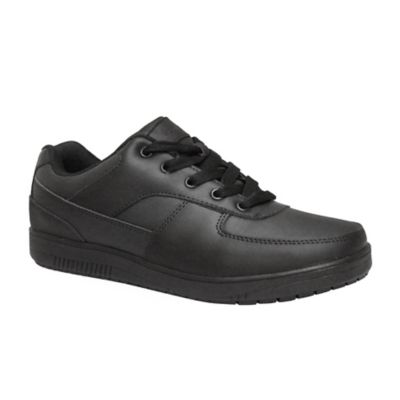
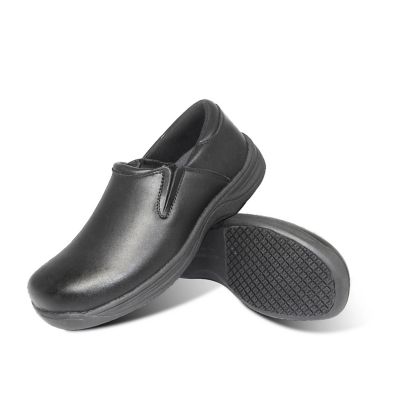
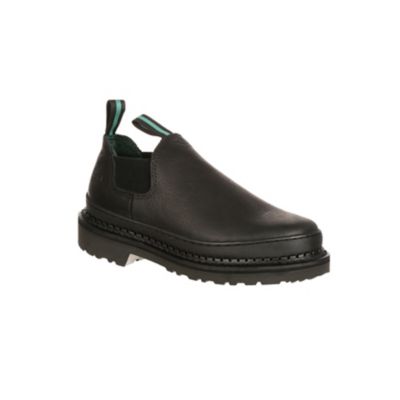
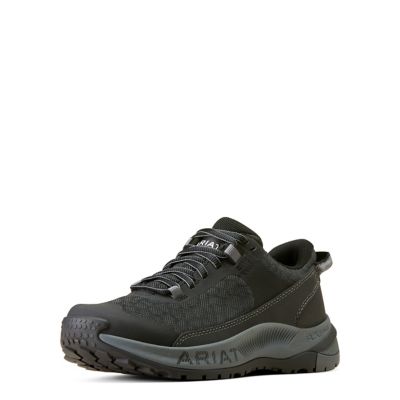
Nursing footwear comes in several familiar shapes, including lace-up sneakers, slip-on styles and clogs, with different trade-offs in coverage and adjustability. Laces allow the fit to change across the top of the foot, which can help accommodate different instep heights. Slip-on designs cut down on fastenings, but they still need a close enough fit to keep the foot from lifting or sliding inside. Clogs may offer a roomy forefoot and a firm underfoot feel, although heel construction varies, and an open-backed shape may not meet every facility’s dress code. Material makes a difference, too. Leather and synthetic uppers can offer a smooth surface for wiping away everyday splashes, while textile or mesh panels allow more airflow but may absorb liquids more readily. Water-resistant footwear is not necessarily waterproof, and neither description establishes protection against every workplace exposure. Ventilation openings, seams and closures all affect coverage, so the whole shoe matters more than the material name alone. Inside, cushioning can soften contact with hard floors, while the shape of the footbed and the stability of the sole influence support. Removable insoles may leave room for prescribed orthotics when the shoe has enough depth, but stacking inserts can crowd the toes or lift the heel too high. Fit includes width as well as length. Toes need space to spread without rubbing, and the heel should stay settled without pinching. Work socks also take up room, making them part of the fit rather than an afterthought. Feet can feel fuller after hours of standing, so a pair that squeezes at the start leaves little room for a long shift. Shoes should feel comfortable from the outset; rubbing seams, cramped toes and pressure across the instep are not features to count on resolving through wear. For anyone managing ongoing foot pain or a diagnosed condition, recommendations from a healthcare professional can help narrow the footwear features that make sense. No single amount of cushioning or arch height suits every foot, even when two people work the same schedule.
Everyday care helps nursing shoes stay ready for the next shift and makes changes in their condition easier to spot. Smooth uppers often need only the cleaning method specified by the manufacturer, while fabric panels, removable footbeds and molded materials may call for different treatment. Machine washing, strong disinfectants and high heat can affect adhesives, finishes or cushioning, so a shoe’s care directions and the facility’s infection-control procedures both deserve attention. Cleaning a shoe is not the same as disinfecting it, and a material that tolerates a damp cloth may not tolerate every workplace chemical. After cleaning, allowing footwear to dry thoroughly according to its care instructions helps keep the inside more comfortable. Alternating between pairs can provide drying time between shifts, especially when shoes collect moisture inside. Outsoles need attention as well: debris lodged in the tread can interfere with contact against the floor, and worn channels may no longer perform as they did when new. Flattened cushioning, uneven sole wear, separating seams and a heel that begins leaning are other signs that a pair deserves a closer look. There is no single replacement schedule for every nurse, since walking distance, floor surfaces, body mechanics and care all affect service life. The same practical concerns carry into other jobs with long hours on hard floors;
Non Slip Shoes For Waiters addresses another workplace where traction, secure fit and easy cleaning matter. For nursing students starting clinical rotations or graduates heading into a first nursing role, work shoes can also make a thoughtful gift when the recipient’s size, preferred fit and workplace requirements are known. A familiar shoe size alone does not tell the whole story. Whether the day involves medication rounds, patient transport or long stretches at a treatment station, footwear earns its place by staying comfortable, fitting securely and matching the demands of the job. That leaves more attention for the people who need care and less for sore spots, loose heels or shoes that are hard to keep clean.