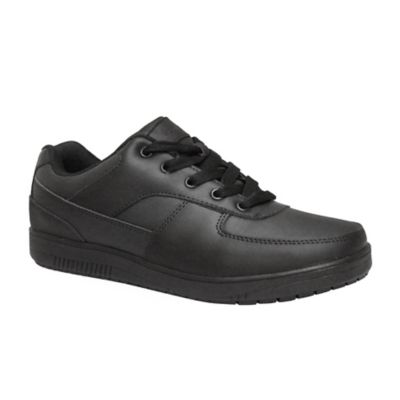
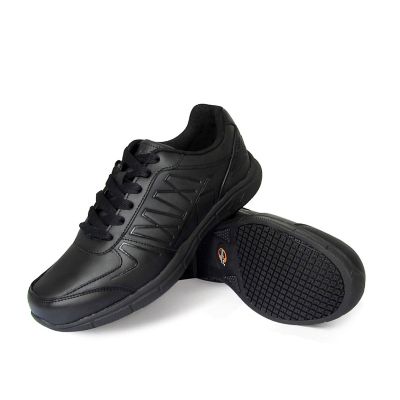
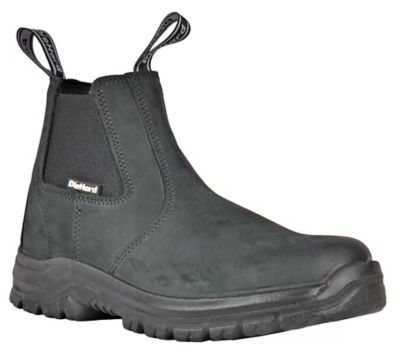
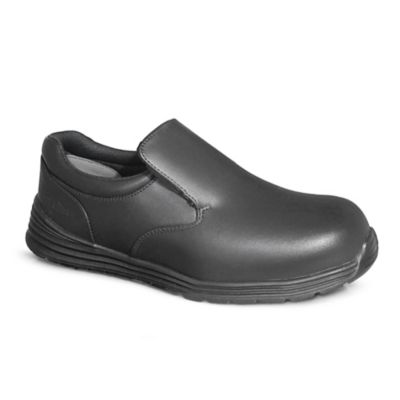
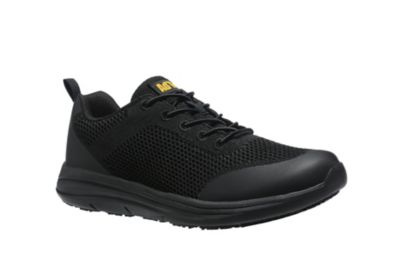
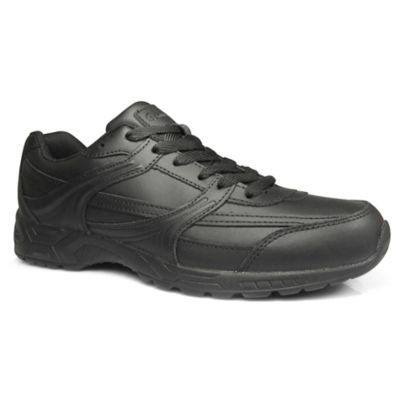
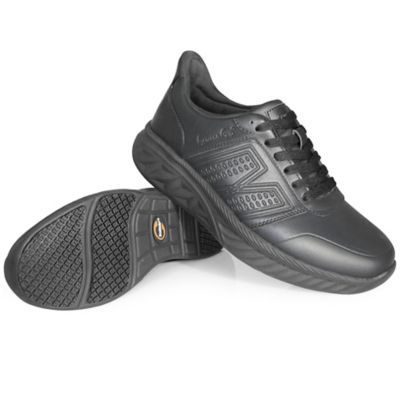
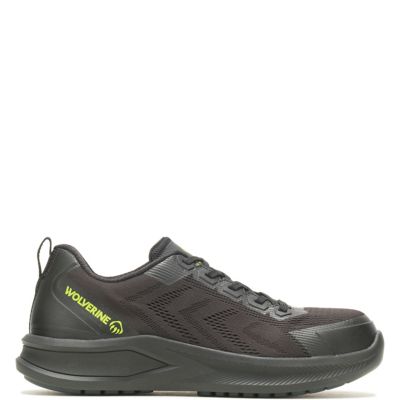
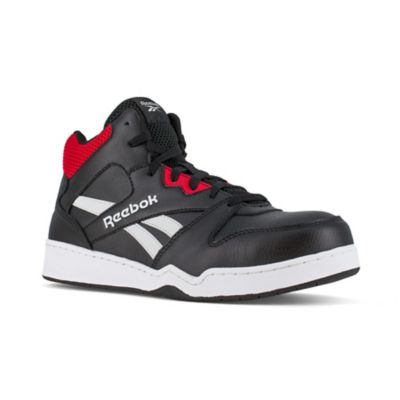
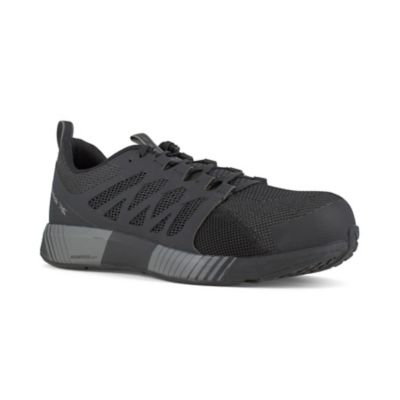
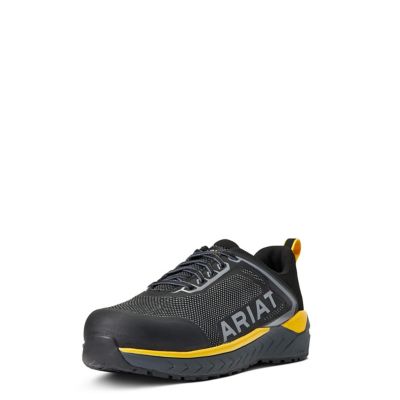
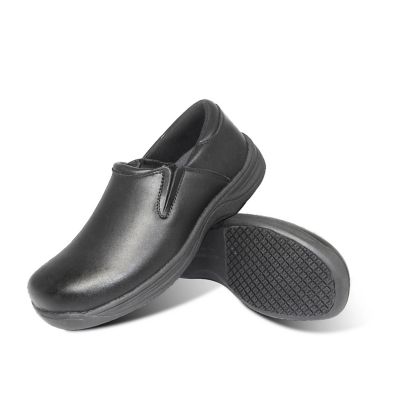
Nursing shoes for men need to handle the steady pace of patient care, from the first walk down the hall to the last round of charting. Long hours on hard floors call for a practical combination of cushioning, a secure fit, supportive construction, and traction suited to the workplace. Men’s nursing footwear includes athletic-style work shoes, lace-up shoes, and slip-on designs, with different shapes and materials to suit different routines. A nurse covering several hospital wings may appreciate a lighter shoe that bends comfortably at the forefoot, while someone standing beside an exam table for much of the day may prefer a firmer, more stable platform. Neither job calls for cushioning alone. Thick foam can feel pleasant underfoot, but a shoe also needs to hold the heel steady and leave enough room for the toes to spread without sliding around inside. Slip-resistant outsoles are another important consideration wherever smooth flooring and occasional spills are part of the job. Rubber compounds and tread patterns affect grip, and a slip-resistant designation does not mean a shoe can prevent every slip. Workplace footwear rules and the manufacturer’s stated testing provide more useful direction than tread appearance alone. Closed toes, covered heels, and uppers that resist incidental splashes may be required in some care settings, so the right construction depends partly on the facility and assignment. Shoes for male nurses also serve nursing students, medical assistants, patient care technicians, and other staff whose work keeps them moving between bedsides, supply rooms, and treatment areas. Whether the setting is a small-town clinic, a long-term care facility, or a busy hospital, footwear should match the actual work rather than simply look the part. Simple profiles and neutral colors often pair easily with scrubs, though employer dress codes take priority. The goal is straightforward: shoes that stay comfortably in place, clean up without much fuss, and provide the right balance of flexibility and support through a demanding shift.
Materials make a noticeable difference in how men’s nursing shoes feel and how much attention they need between shifts. Smooth leather and certain synthetic uppers can be easier to wipe down than open-knit fabrics, especially around the toe and sides where everyday splashes tend to land. Leather may soften with wear, while synthetic materials vary in flexibility, surface finish, and resistance to moisture. Mesh panels allow airflow but may offer less protection against liquids unless the shoe has a barrier specifically intended for that purpose. Water resistance, fluid resistance, and protection against hazardous exposure are not interchangeable claims; product specifications and facility requirements matter when exposure is a concern. Seams, overlays, and the area around the tongue also affect how readily moisture can enter. Underfoot, foam midsoles help soften contact with hard surfaces, while the shape of the footbed influences how support feels along the arch and heel. A softer feel is not automatically a better fit for every foot. Some nurses prefer a firmer base that feels steady when turning around a cart or shifting weight during a bedside task. Removable insoles can leave room for an appropriate replacement insert, provided the shoe has enough depth and the change does not crowd the toes or lift the heel out of position. Fit deserves that same practical attention. The socks worn on shift affect the space inside a shoe, and feet can swell over the course of a long day. Trying footwear after normal daily activity can give a better sense of working room than a quick try-on first thing in the morning. There should be space in front of the longest toe, no persistent pinching across the forefoot, and little unwanted heel movement. Wider feet generally need a suitable width rather than extra length alone. A roomy toe box can accommodate natural toe movement, but an oversized shoe that slips with every step creates a different problem. Comfort should come from a well-matched shape, not from tolerating pressure until the shoe stretches.
Closure style matters when the workday involves frequent turns, brisk walking, and bending to reach equipment. Laces allow adjustment across the top of the foot and can help secure a narrower heel without squeezing the forefoot, depending on the shoe’s shape. Slip-on designs offer a simpler on-and-off routine, with elastic panels or other retention features helping hold the foot in place. For nurses who prefer that style,
Slip On Shoes for Nurses brings the focus to footwear without traditional lace tying. The important distinction is between easy entry and a loose fit: a work shoe still needs to stay secure when walking quickly or changing direction. Long-term wear also depends on construction details that are easy to overlook at first glance. Reinforcement around high-flex areas, firmly attached soles, and heel linings that stand up to repeated movement all contribute to service life. Even a shoe with an intact upper may need replacement once its tread wears smooth, its cushioning stays compressed, or its heel structure loses shape. Uneven wear can change how the shoe sits on the floor, making regular checks worthwhile. Care should follow the footwear maker’s directions and the workplace’s cleaning procedures, especially where infection-control requirements apply. Removing ordinary dirt before cleaning, using only compatible cleaning agents, and letting shoes dry fully can help protect the materials. Machine washing, soaking, and direct heat are not suitable for every construction, and a wipe-clean surface does not automatically tolerate every disinfectant. Keeping a separate pair for work can also make the change from home to shift more straightforward. As a gift for a nursing graduate or a family member starting a clinical role, footwear is most practical when the recipient’s size, preferred fit, and employer requirements are already known. For daily wear, the strongest match is not necessarily the softest or lightest pair. It is the one that suits the wearer’s feet, the facility’s rules, and the miles covered while caring for patients.