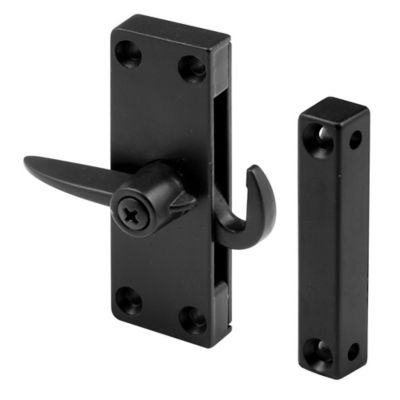
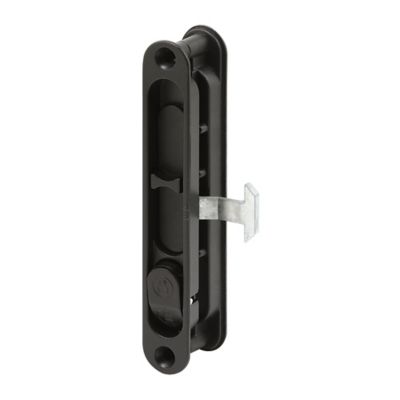
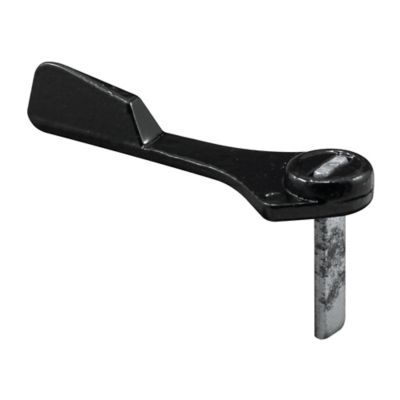
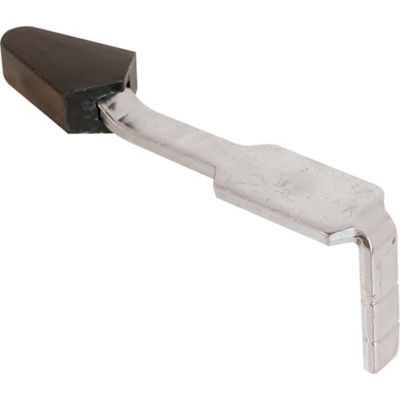
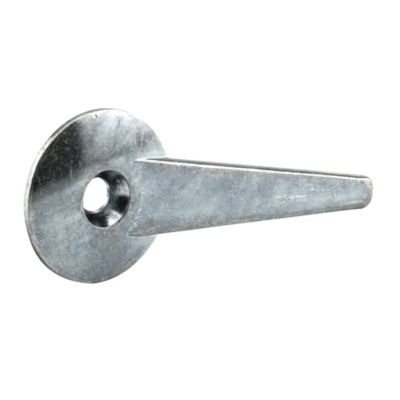
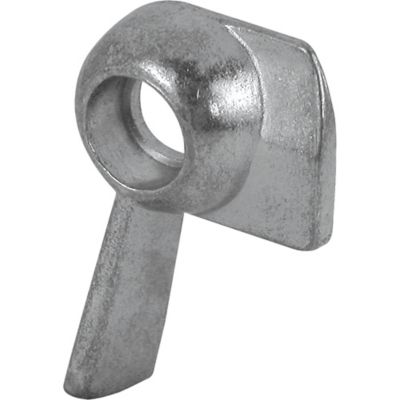
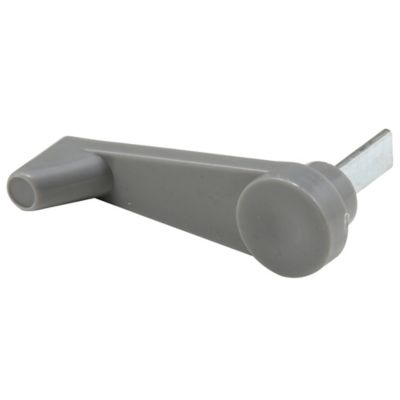
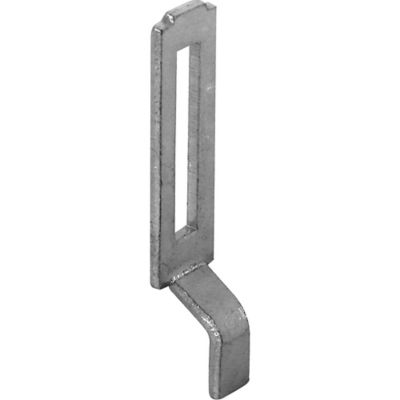
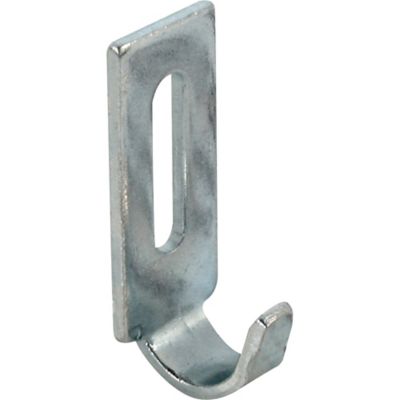
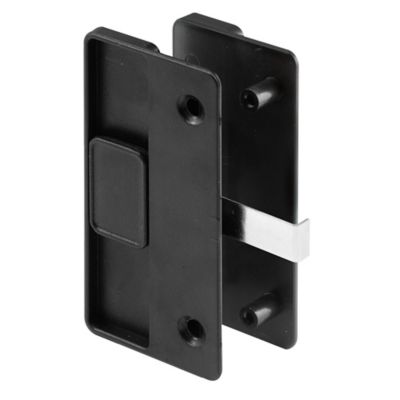
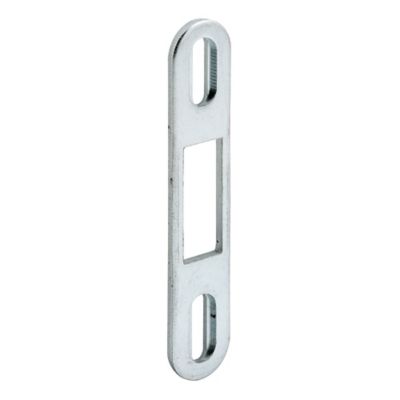
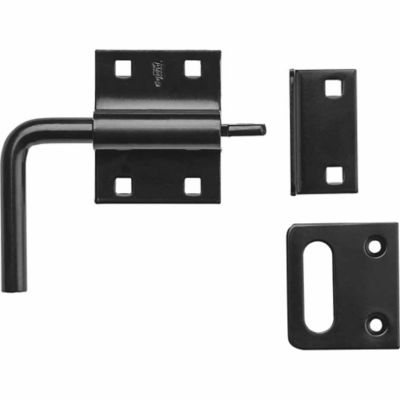
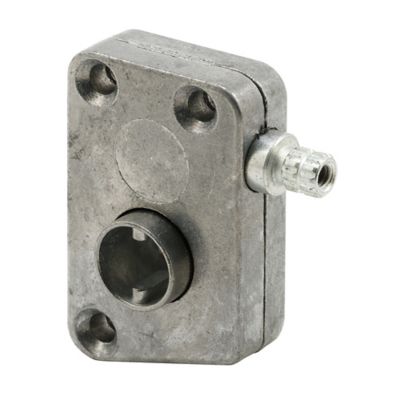
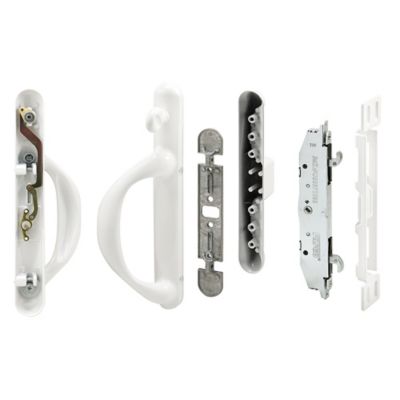
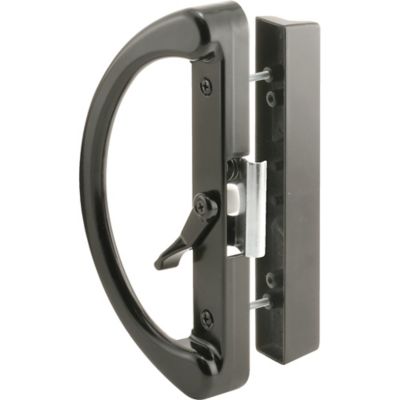
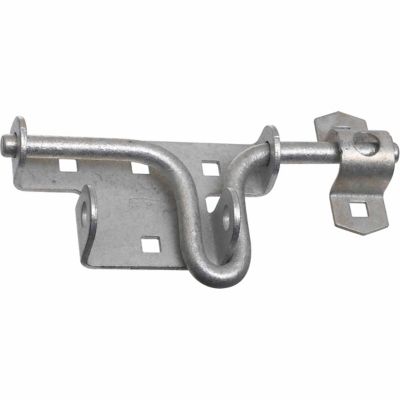
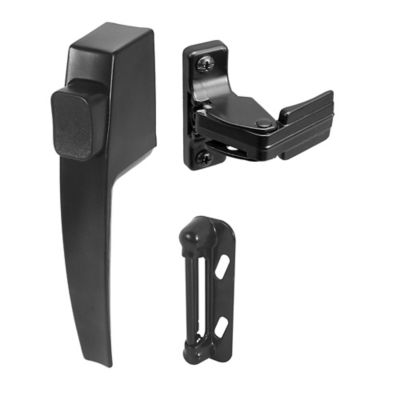
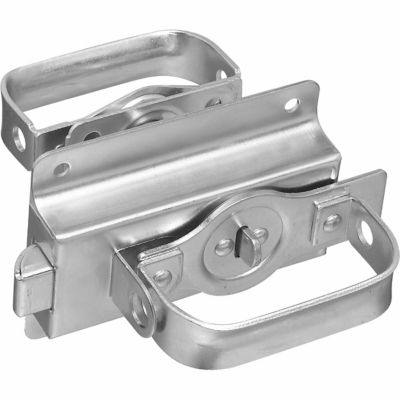
Sliding door latches help keep patio doors, screen doors, shed doors, utility doors, and other sliding entrances closed, secure, and working the way they should. A worn latch can leave a door rattling in the wind, drifting open when the house settles, or failing to catch when you turn the handle. The right replacement depends on the door’s construction and the way the latch meets the frame. Mortise latches fit inside the edge, or stile, of many sliding glass and patio doors. When the thumb-turn is rotated, a spring-loaded hook extends from the latch body and catches a strike plate mounted on the jamb. Clamp-style latches are common on older screen doors and some standard sliding doors, with the latch gripping or hooking over an edge, extrusion, or bar on the frame. A secondary loop lock mounts to the surface of the door or frame and swings a sturdy arm into a bracket, adding another point of security beyond the built-in handle. These latches can also be useful high on a door when you want an extra barrier to help keep young children from wandering outside. As you browse, compare the latch style, mounting method, finish, and overall size with the hardware already on your door. A close match usually makes installation easier and helps the moving parts line up cleanly.
Before choosing a sliding door latch, take a few measurements and look closely at how the door closes. Measure the length and width of the existing latch body, the distance between mounting holes, and the position of the latch hook or bolt from the edge of the door. Check the thickness of the door frame and note whether the strike plate sits flush, raised, recessed, or mounted on an adjoining jamb. A mortise latch needs enough room inside the stile, while a surface-mounted loop lock needs a flat area where both the lock and receiving bracket can sit securely. For a clamp latch, pay attention to the shape and thickness of the frame edge so the clamp can grip properly without binding. Door alignment matters just as much as latch size. If the rollers are worn, the track is packed with grit, or the frame has shifted, a new latch may not catch until those issues are addressed. A door that takes force to slide or lift can put extra strain on the latch and strike. In some cases, a small adjustment screw on the faceplate lets you extend or retract the hook so it meets the strike plate more accurately. Turn adjustments slowly, test the door after each change, and make sure the hook fully engages rather than catching only on its tip. When replacing hardware, use fasteners suited to the frame material and keep the latch square so the hook, bolt, or loop moves freely. Stainless or corrosion-resistant hardware is a practical choice for damp rooms, covered porches, coastal areas, barns, and other places where moisture and dust are part of daily life.
Sliding door latches suit homeowners, renters with permission to make hardware changes, landlords, maintenance crews, and anyone fixing up a farm, workshop, cabin, or outbuilding. They can restore a loose patio door before the cooler months bring stronger drafts, help keep a screened porch closed during changing weather, or add peace of mind to a side entrance that sees plenty of use. A secondary latch can be especially handy on a back door near a play area, dog run, garden, or pool, provided it is installed with safe access in mind and does not interfere with emergency escape. Pet owners may use an added latch to keep a curious dog from nosing a door open, while families often appreciate hardware that helps keep children away from garages, tool rooms, and exterior steps. These latches are also a thoughtful practical gift for someone settling into a new home, repairing an older farmhouse, updating a rental property, or building a small workshop—particularly when you know the door style and measurements. For sliding doors in larger agricultural or storage spaces, browse related options such as
Barn Door Latches. Whether you are replacing a broken internal mechanism or adding a simple secondary lock, choose hardware that matches the door, fastens firmly to sound material, and holds up to the everyday mix of muddy boots, dusty hands, pets, kids, wind, and changing temperatures.