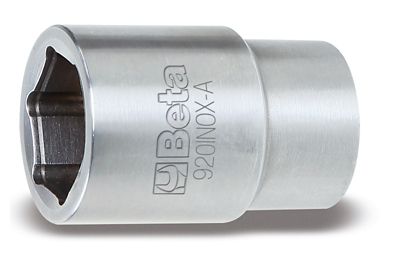
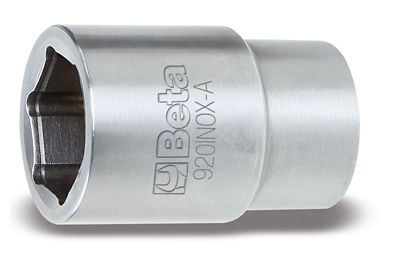
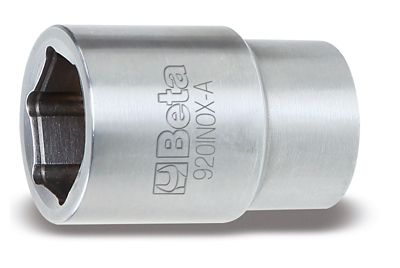
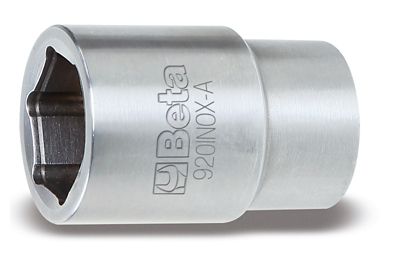
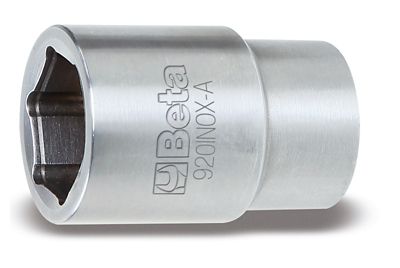
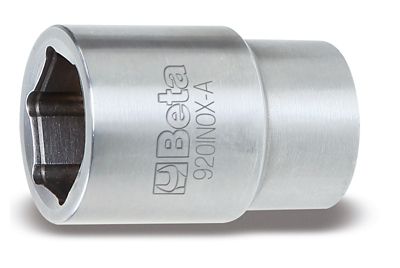
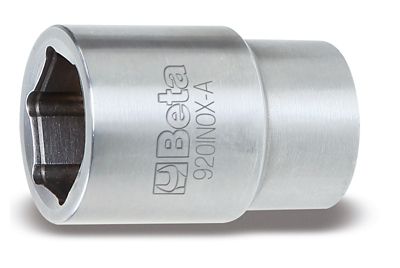
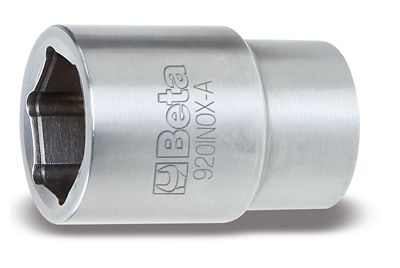
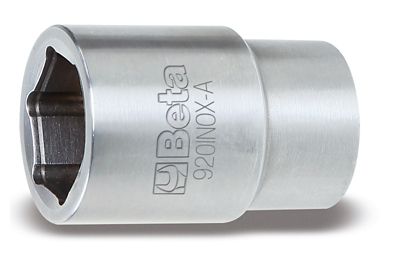
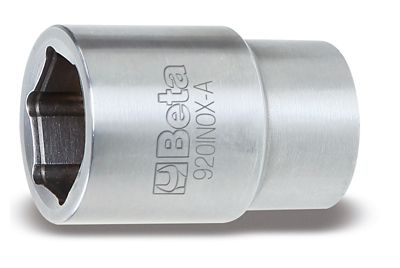
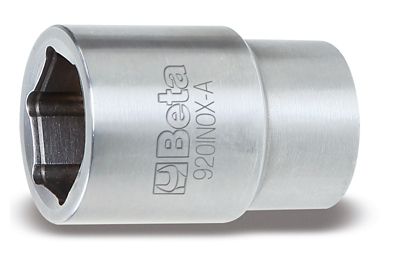
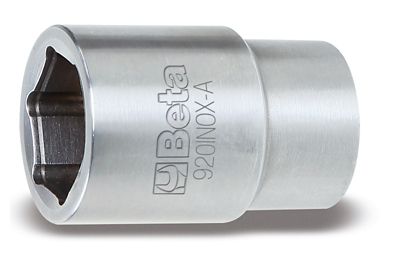
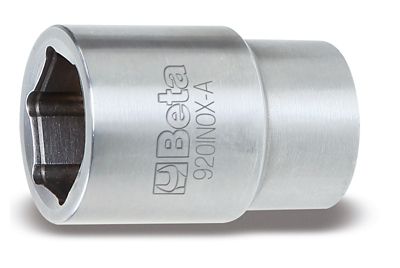
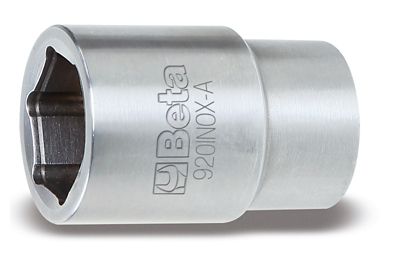
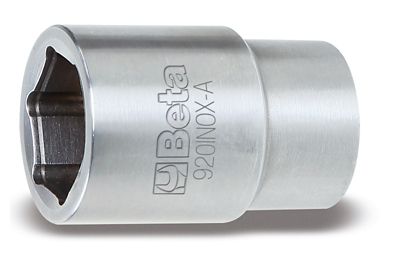
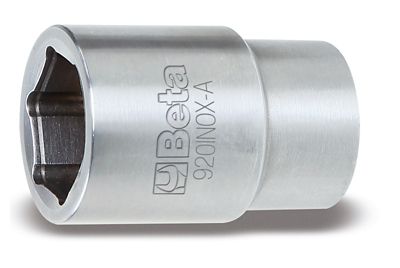
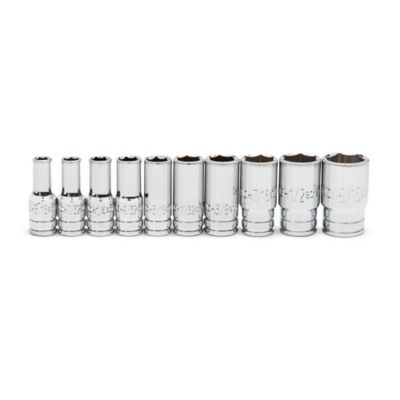
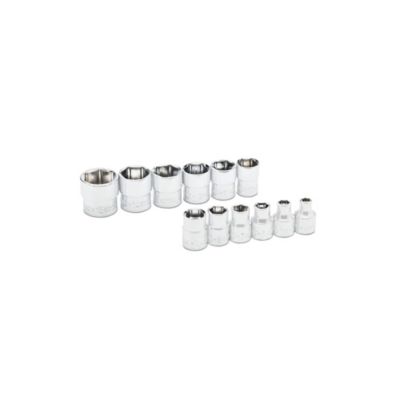
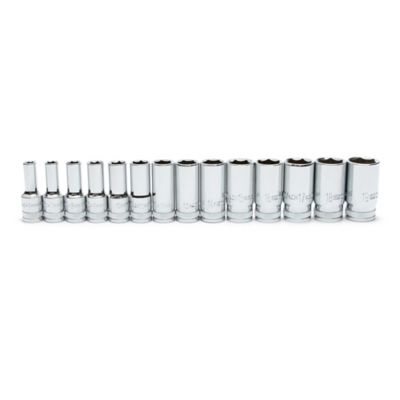
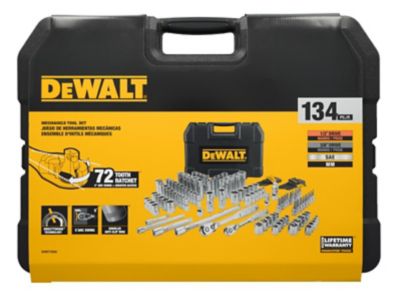
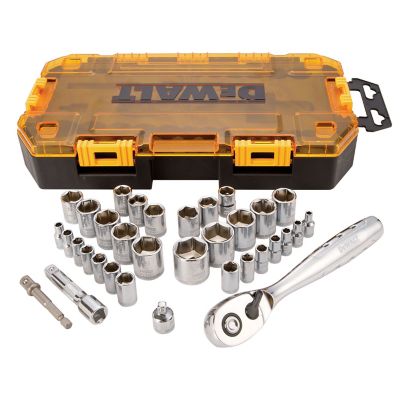
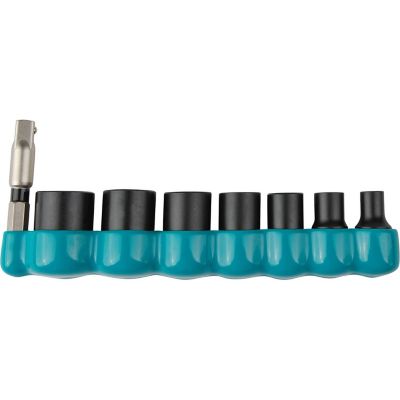
Six point sockets have a six-sided opening designed to fit hexagonal nuts and bolt heads. Their shape helps transfer turning force through the flats of a fastener rather than concentrating it at the corners, reducing the chance of rounding when the socket fits properly. That makes them a practical choice for tractor maintenance, automotive repairs, trailer work, mower service, and the everyday jobs that come with keeping a farm or workshop running. From a mounting bracket on a piece of equipment to a stubborn bolt beneath a pickup, a snug-fitting socket helps keep the wrench engaged while the fastener turns. Many designs have relieved corners that move contact farther onto the flats, though the exact contact pattern varies. Six-point sockets are intended for hexagonal hardware, not specialty 12-point fasteners or every other head shape. Fit starts with the fastener size: SAE sockets are sized in fractions of an inch, while metric sockets are sized in millimeters. A near match can leave enough play to damage a bolt head, so matching the actual size matters more than choosing whichever socket slips on first. Rust, paint buildup, and battered corners can also prevent full seating. Severely rounded hardware may call for an extractor rather than a standard socket. The drive size is a separate measurement that describes the square connection to a ratchet, breaker bar, or compatible powered tool. Common drive sizes include 1/4 inch, 3/8 inch, and 1/2 inch, with the right choice depending on the equipment, access, and torque requirements. A six-point opening offers six engagement positions around the fastener, spaced 60 degrees apart, compared with 30 degrees for a 12-point opening. That can make initial alignment less convenient in cramped spaces. It does not mean a ratchet needs a 60-degree handle swing; the ratchet mechanism determines how much movement is necessary between strokes. Those distinctions matter when a bolt sits close to a frame rail or beneath a crowded engine compartment.
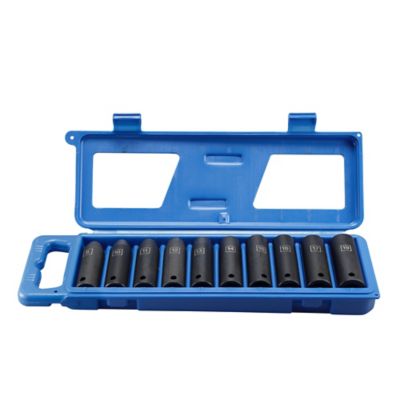
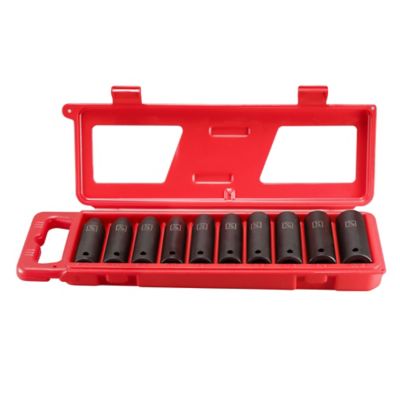
Socket construction matters just as much as the shape of the opening. Hand-tool sockets commonly feature chrome-vanadium steel and a plated finish that helps resist corrosion and makes grease easier to wipe away. Impact-rated sockets often feature chrome-molybdenum steel or other alloys selected for repeated hammering, along with a dark protective finish. Neither color nor alloy name alone proves that a socket belongs on an impact wrench; the manufacturer's rating is what counts. For powered wrench work,
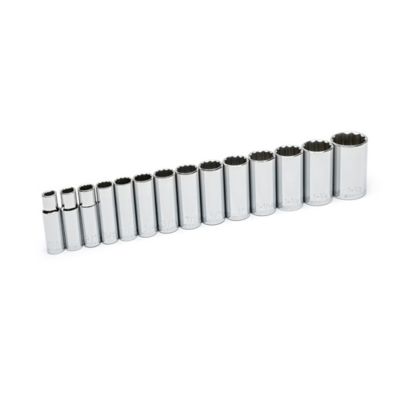
impact sockets are designed for a different kind of stress than ordinary hand sockets. A chrome hand socket should not go on an impact wrench, and any extension, adapter, or other attachment in that setup needs the proper rating, too. Six-point construction can provide substantial support around a hex fastener, but wall thickness and torque limits vary by design. A six-point shape is not permission to overload the tool or lean on a longer handle than the manufacturer allows. Physical dimensions also affect whether a socket can reach the job. Shallow sockets take up less room along the fastener's axis and work well where clearance is limited. Deep sockets provide space for a projecting stud or a recessed nut, though their extra length may get in the way beneath equipment or inside a tight assembly. Internal depth varies, so a deep socket does not always offer clearance through its entire length. Outside diameter matters around recessed bolt heads, too; a thick wall may not fit inside a narrow opening. Extensions can bring a ratchet handle clear of nearby parts, while swivel attachments help with awkward angles, but those connections add movement and may have their own operating limits. A socket that seats fully, stays aligned, and gives the handle enough working room is a better fit than one chosen only for its marked size. For final tightening on machinery or vehicle components, the specified torque and a suitable torque wrench still matter, even when the fastener feels snug.
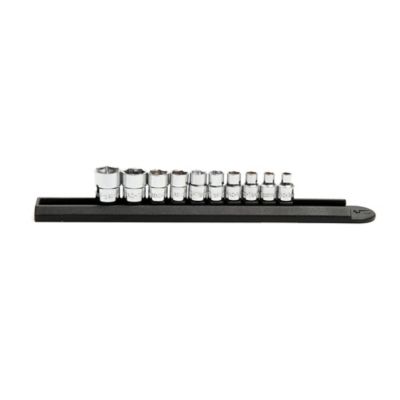
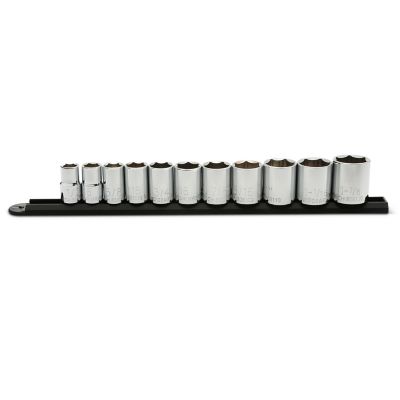
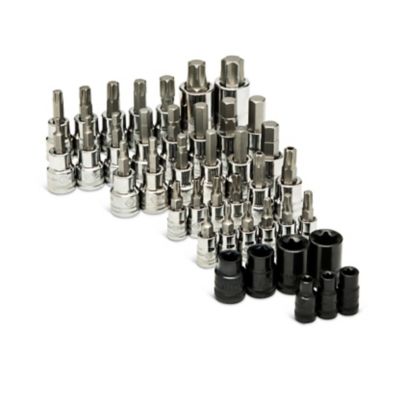
A useful socket collection reflects the equipment that comes through the shop rather than simply filling a case with every possible size. Someone maintaining a mix of tractors, trucks, utility trailers, and lawn equipment may need both SAE and metric sizes, while smaller bench repairs may call for lighter drives and compact sockets. Clearly marked sizes and an orderly rail, tray, or case make a difference when hands are greasy and a repair has already tied up part of the day. Keeping shallow and deep sockets easy to tell apart also saves digging through the toolbox while a machine sits waiting. For mechanics, farm owners, equipment operators, and folks who handle their own repairs, six point sockets can be a hardworking addition to an established tool setup. They can also make a thoughtful gift for someone outfitting a garage or taking on more equipment maintenance, especially when the drive size and measurement system match the tools already on hand. Long service life depends on proper fit, sensible loading, and straightforward care. Dirt packed inside the opening can keep a socket from seating, and grit in the square drive can interfere with the connection to the wrench. Wiping away grease and debris after a job, drying sockets before storage, and following the manufacturer's corrosion-care recommendations help keep them ready for the next repair. Storage away from moisture helps protect both the working surfaces and the size markings. Cracks, distorted openings, damaged drive recesses, and heavy corrosion are reasons to take a socket out of service rather than push it through another job. Eye protection belongs with socket work, particularly around powered tools or hardware that may break loose suddenly. Good six-point engagement can reduce rounding, but it cannot make a seized fastener, an overloaded attachment, or a damaged tool safe. The right combination of size, reach, drive compatibility, and tool rating helps turn everyday maintenance into a more manageable job, whether it happens at a workbench or beside equipment in the barn.