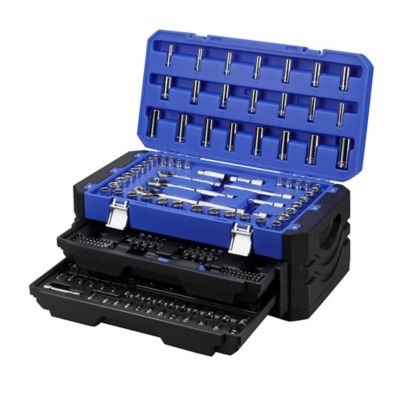
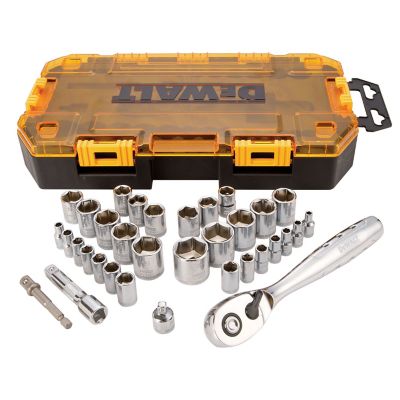
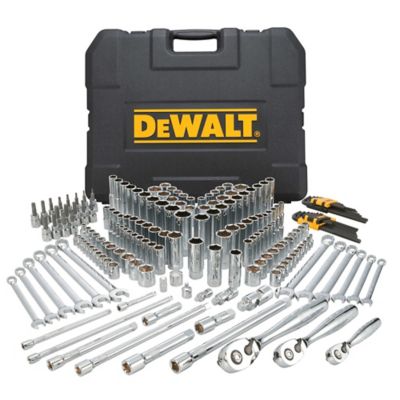
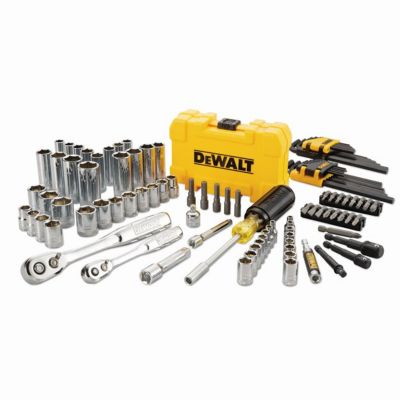
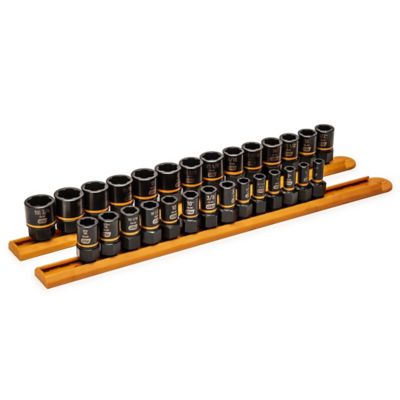
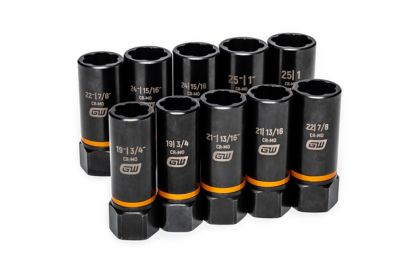
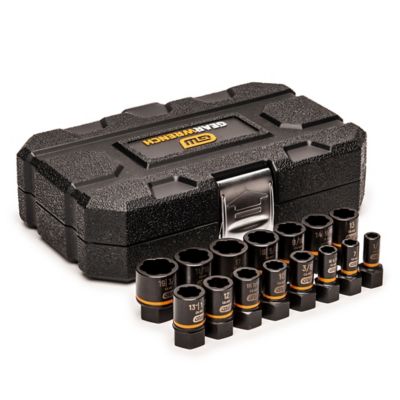
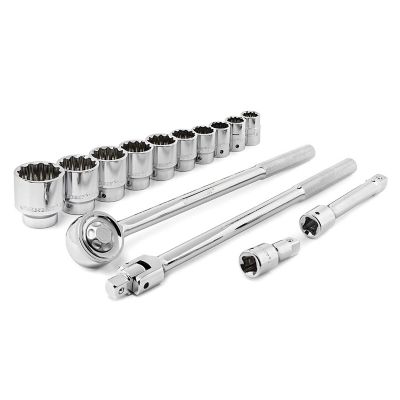
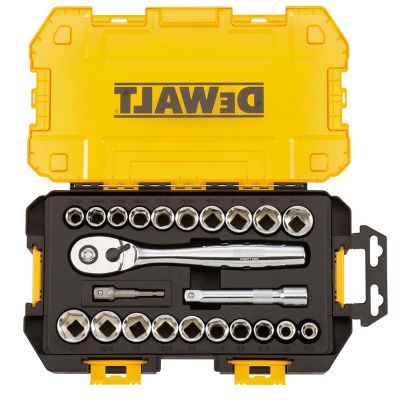
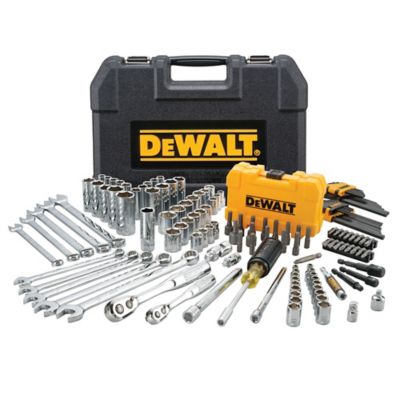
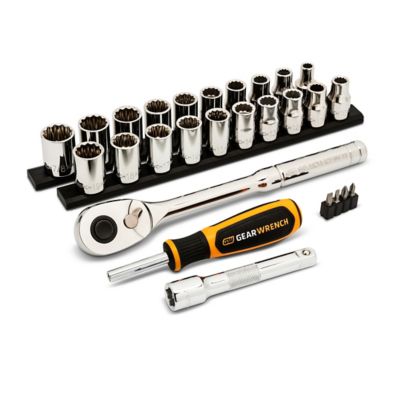
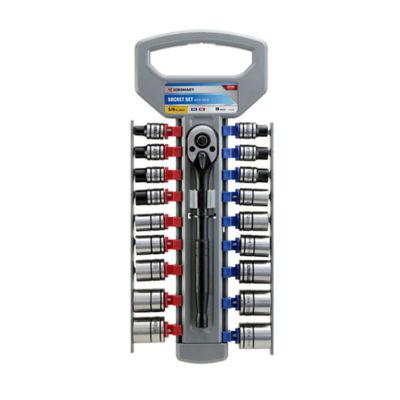
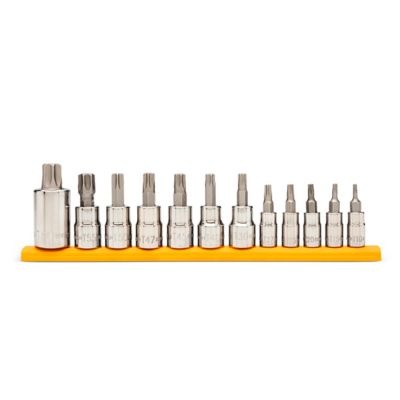
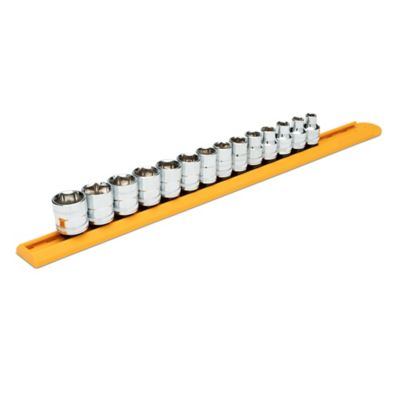
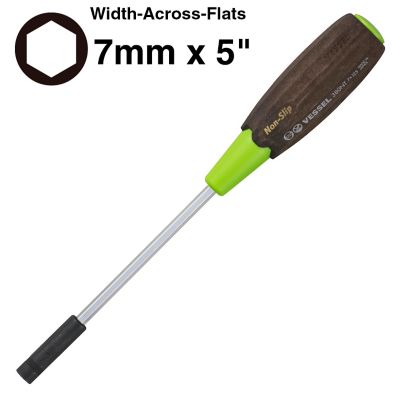
Drive sockets are the hardworking, everyday pieces that connect a ratchet, breaker bar, torque wrench, or other drive tool to a nut or bolt. They come in handy for jobs around the farm, garage, workshop, home, and property, from tightening trailer hardware and repairing equipment to assembling gates, replacing mower parts, working on a pickup, or handling routine maintenance on tractors and utility vehicles. The drive size refers to the square opening that fits onto the tool, with 1/4-inch, 3/8-inch, and 1/2-inch sizes covering many common tasks. A 1/4-inch drive is a good match for smaller fasteners and lighter work where there is not much room to turn, such as interior vehicle repairs, small engines, electrical boxes, and compact equipment. The versatile 3/8-inch drive is often a practical choice for general repairs, automotive work, lawn and garden equipment, and household projects. A 1/2-inch drive is made for larger fasteners and higher torque, making it useful for suspension work, heavy equipment, trailer repairs, wheels, and stubborn bolts that need the extra leverage of a breaker bar. When putting together a socket collection, look at the size range as well as the number of pieces. A set with common sizes can handle many chores without filling every drawer in the toolbox, while a broader set helps when working on older machinery, imported vehicles, or equipment that uses less-common fasteners. SAE sockets measure in fractions of an inch and are common on many American-made vehicles, farm machines, and older equipment. Metric sockets are measured in millimeters and are widely used on newer vehicles, implements, small engines, and imported machinery. Having both types close at hand can save a trip back to the store when a repair turns out to use a mix of fastener sizes.
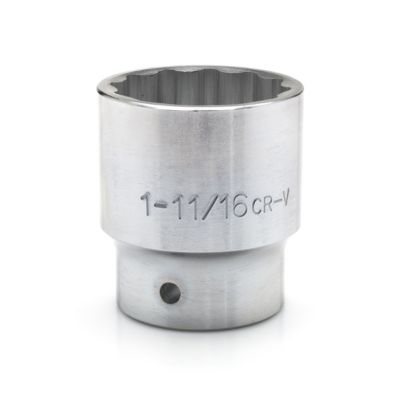
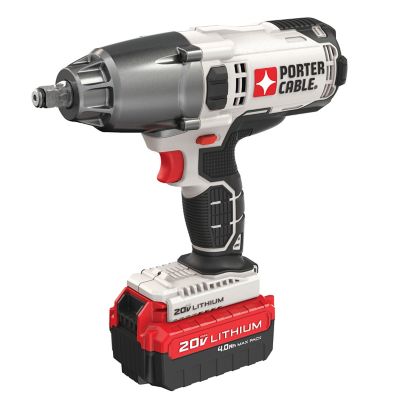
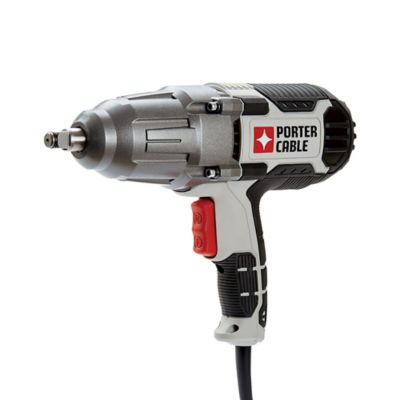
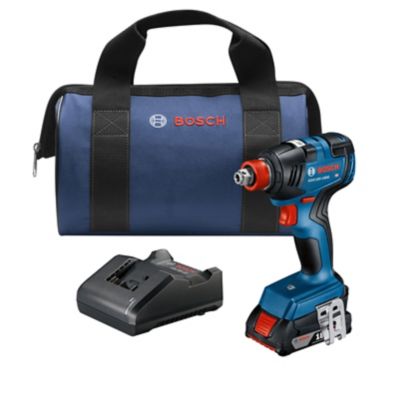
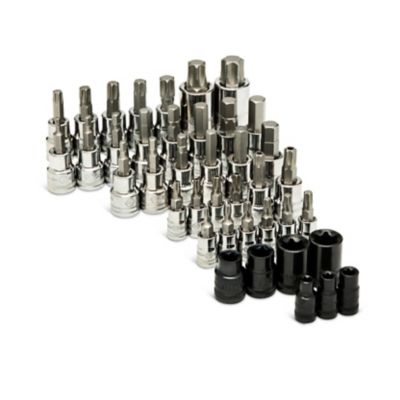
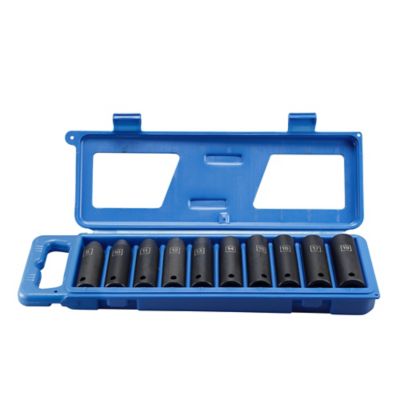
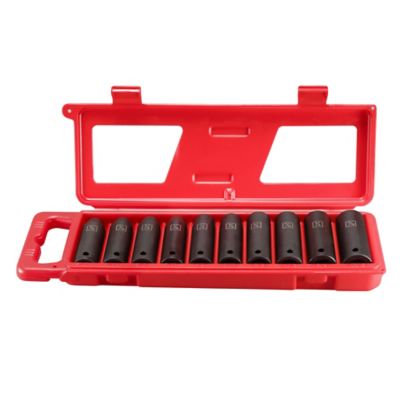
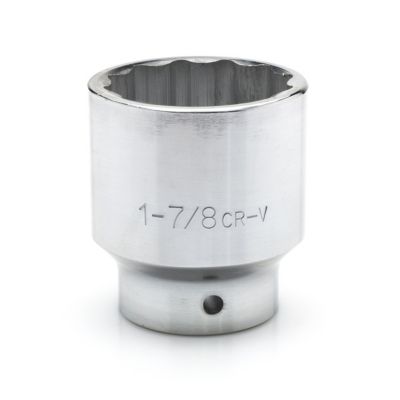
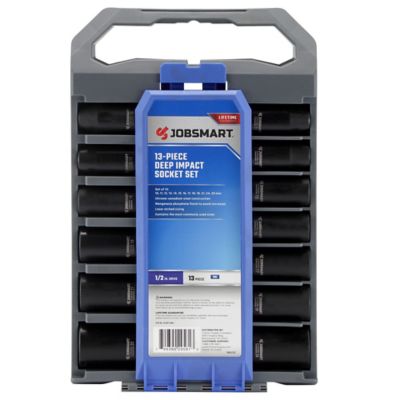
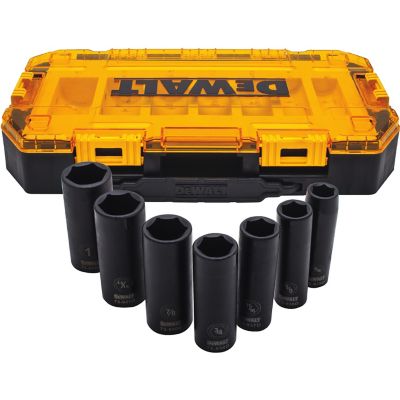
Socket shape matters just as much as drive size. Six-point sockets grip the flat sides of a hex nut or bolt head, spreading force across the fastener and helping reduce the chance of rounding worn or rusted hardware. They are a solid choice when breaking loose tight fasteners, especially on equipment that has spent time in dust, mud, rain, or livestock areas. Twelve-point sockets have more engagement positions, so they can be easier to line up when working in a cramped spot where the ratchet only moves a little at a time. They work well for many ordinary repairs, though a six-point socket is generally preferred for high-torque jobs or damaged fasteners. Shallow sockets are useful where clearance is tight above the nut, such as under a hood, around brackets, or near a frame rail. Deep sockets extend farther over a threaded stud, making them a better fit for recessed nuts, long bolts, spark plugs, wheel studs, and other hardware where a shallow socket bottoms out before it reaches the fastener. Universal or specialty sockets may help with unusual shapes, while extensions and universal joints can give a ratchet the reach needed to work around guards and other obstacles. For hand tools, chrome-finished sockets are commonly used with ratchets, handles, and torque wrenches. Impact-rated sockets are built from tougher treated steel to handle the repeated blows and high force produced by pneumatic or cordless impact wrenches. They are usually darker in finish and should be paired with impact tools rather than standard chrome sockets. A regular socket can crack or fail under impact use, sending sharp fragments into the work area, so matching the socket to the tool is an important part of safe repair work. For impact-rated options, see
Impact Sockets.
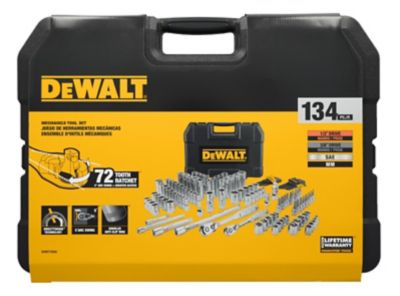
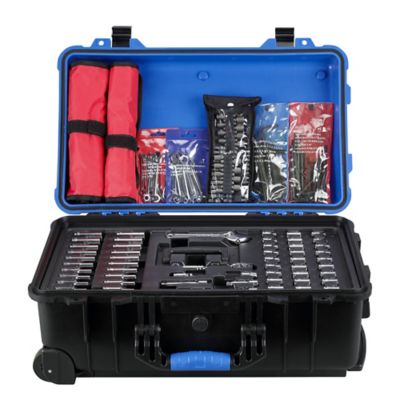
A good socket set can be useful for just about anyone who keeps tools close by. Homeowners can use one for furniture assembly, fence repairs, shed projects, bicycle maintenance, and keeping outdoor equipment ready for the next job. Farmers, ranchers, landscapers, and homesteaders often reach for sockets while servicing tractors, replacing mower blades, repairing feeders, adjusting gates, and maintaining trailers or utility vehicles. Automotive hobbyists and professional mechanics may want several drive sizes, deep and shallow styles, extensions, and both SAE and metric measurements so they are prepared for work under the hood or underneath a vehicle. They also make a practical gift for a new homeowner, a student moving into a first apartment, someone setting up a workshop, or a family member who enjoys tinkering with engines and machinery. Before choosing, consider the fasteners you work with most, the amount of space around them, and whether your projects call for hand tools or impact equipment. Look for clearly marked sizes that are easy to read when the shop is dim or the work is covered in dust, along with a case or organizer that keeps the pieces together instead of scattered across a truck bed or toolbox drawer. A snug fit is essential; using the closest-looking size can damage the fastener and make a simple repair much harder. Keep sockets clean and dry, wipe away grease and grit after a muddy job, and check for cracks, unusual wear, or a distorted opening before putting one under load. Use a torque wrench when a manufacturer specifies a precise setting, and keep hands, clothing, and cords clear of rotating tools. During the warmer part of the year, sockets can help with fencing, equipment tune-ups, and outdoor building projects, while the cooler months often bring more time for shop repairs, vehicle maintenance, and preparing machinery for storage. With the right drive size, socket style, and measurement system, a dependable set makes everyday fixes smoother and helps keep the work moving.