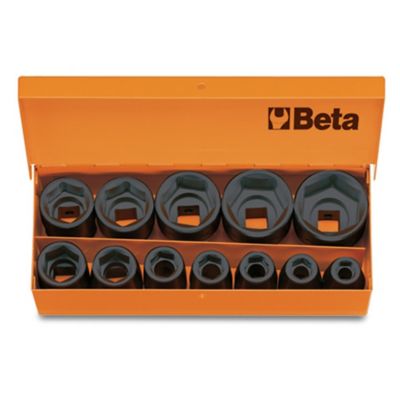
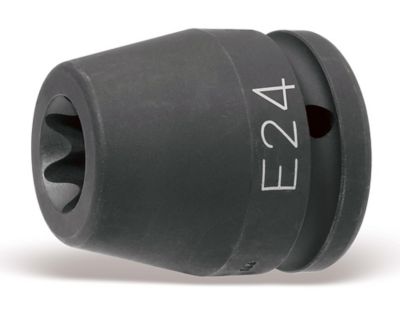
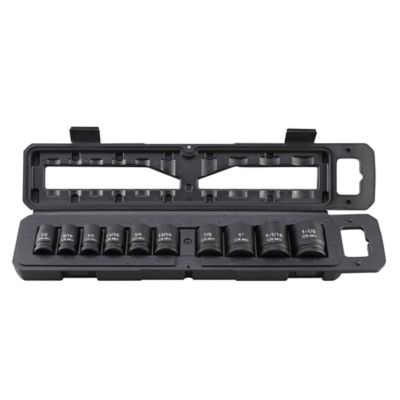
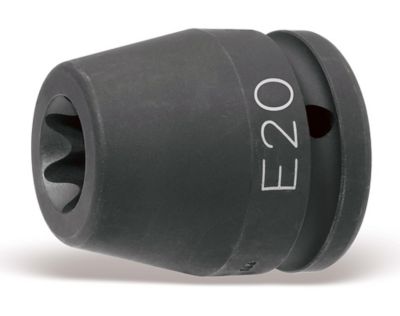
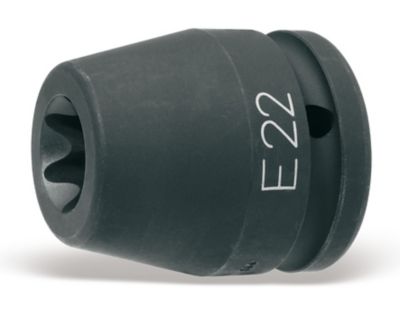
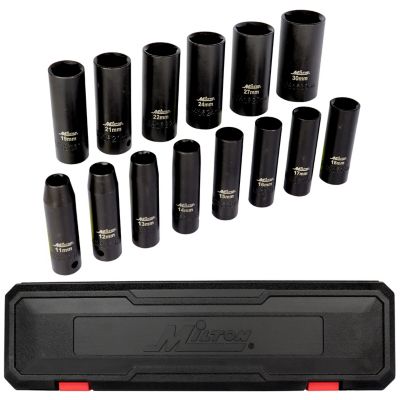
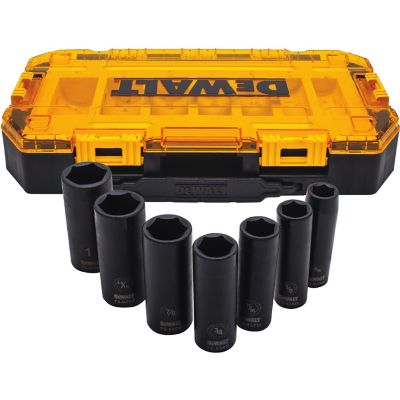
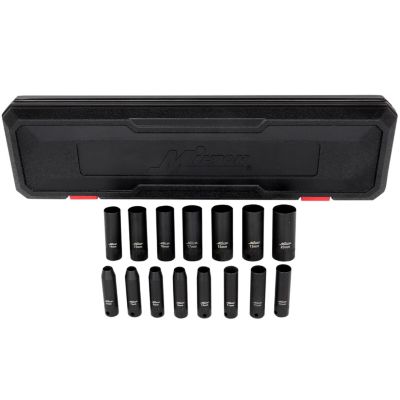
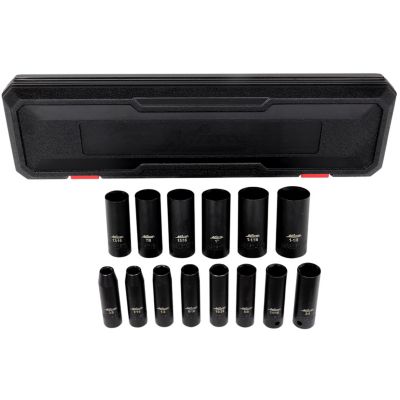
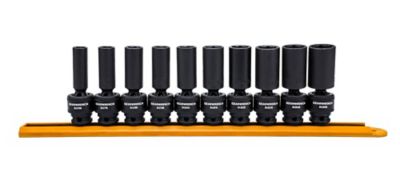
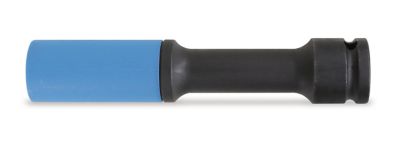
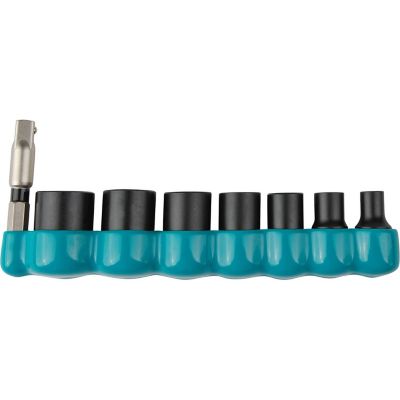
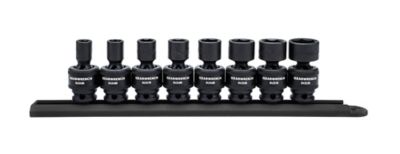
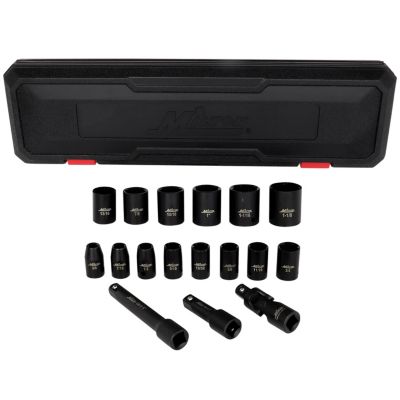
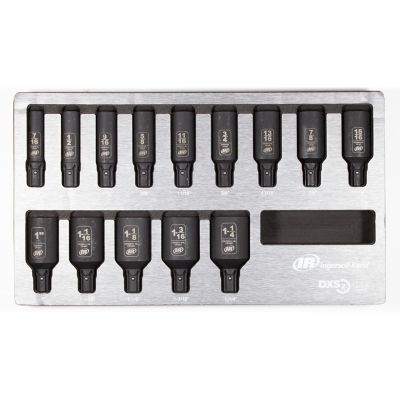
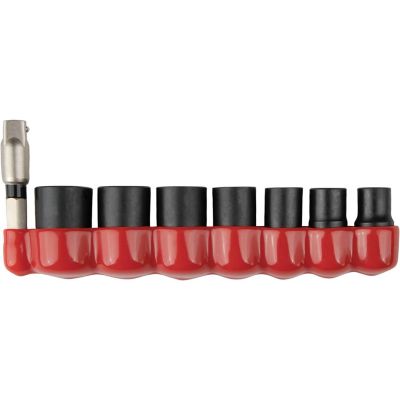
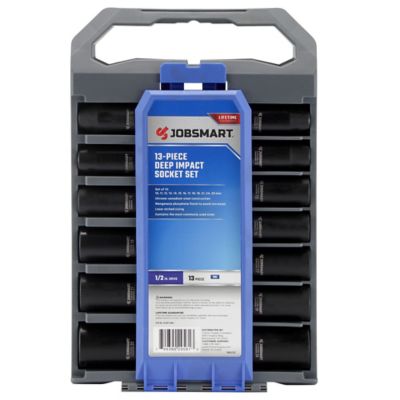
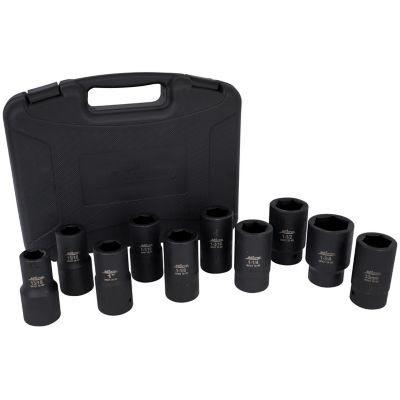
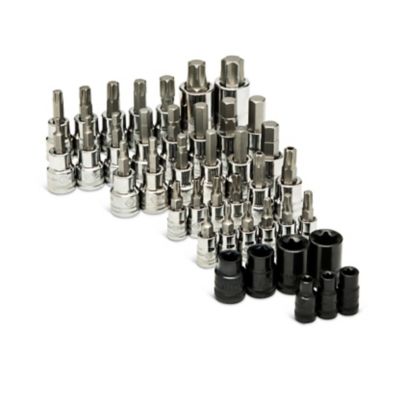
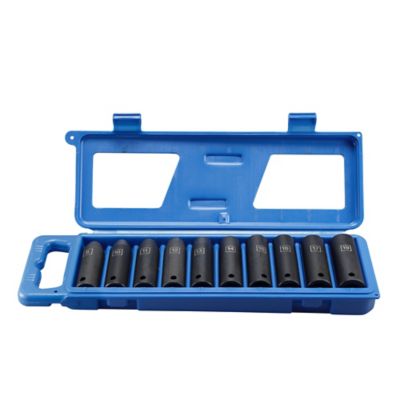
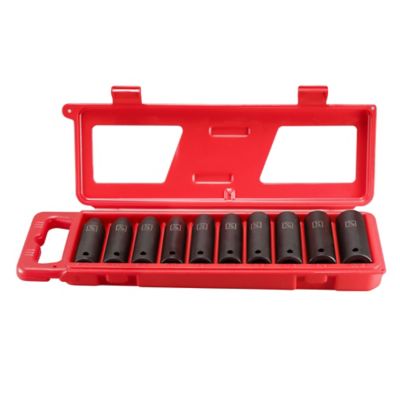
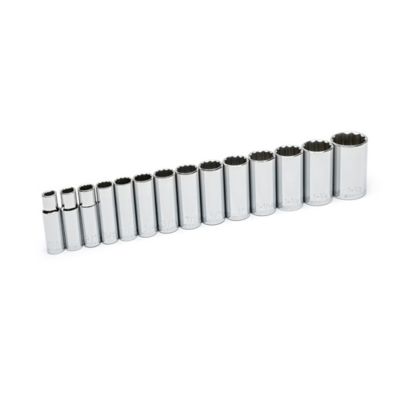
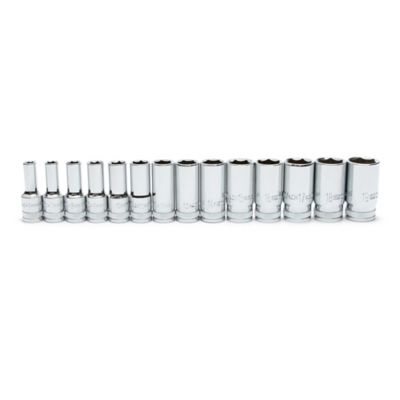
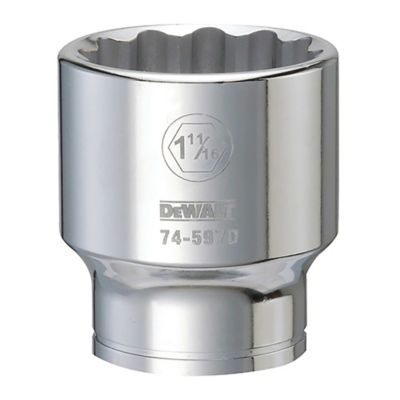
Impact sockets are heavy-duty socket attachments built to handle the repeated blows of a power-driven impact wrench when loosening or tightening nuts and bolts. Their construction makes them a good match for demanding work around the farm, garage, equipment shed, or repair shop, where stubborn fasteners can bring a job to a standstill. From removing a mower blade to servicing tractor wheels or working on a trailer hitch assembly, the right socket helps transfer the tool’s force to the fastener without a sloppy fit. Impact sockets typically have thicker walls than comparable hand sockets and are made from alloy steel with heat treatment suited to repeated impact loads. Chrome-molybdenum steel is common, though other steel alloys can also carry an impact rating. The material name alone does not tell the whole story; the manufacturer’s stated rating and intended application matter more than appearance. A dark phosphate or black oxide finish is common on impact sockets, but a black finish by itself does not mean a socket belongs on an impact wrench. Ordinary hand sockets can crack or break under repeated hammering, even when they fit the tool’s drive. Impact-rated construction addresses those forces, while the socket’s internal shape determines how it contacts the fastener. Six-point openings are a common choice for hex nuts and bolts because they engage the fastener flats and help limit stress at the corners. Twelve-point impact sockets serve applications that call for that profile and can offer more positioning options, provided the fit matches the fastener. For mechanics, ranchers, equipment owners, and folks who handle their own repairs, these details make impact sockets more than another attachment in the toolbox. They are working tools for jobs where a snug connection, suitable reach, and impact-rated construction all need to come together. Their purpose is not simply to apply more force, but to carry the tool’s blows through a connection suited to the work.
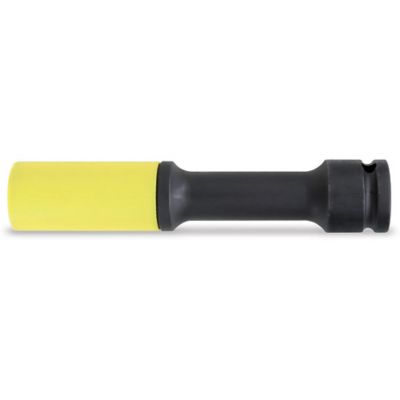
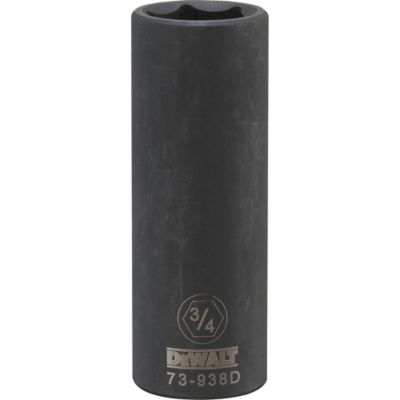
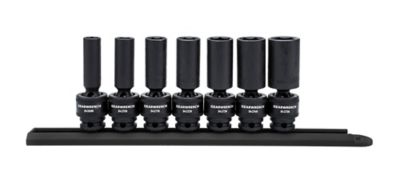
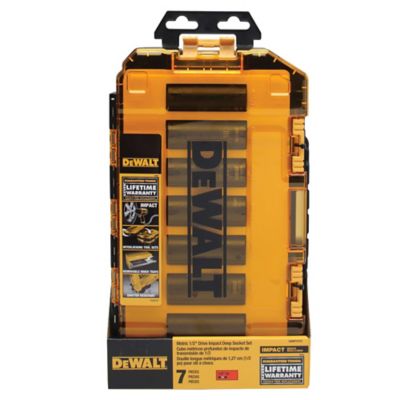
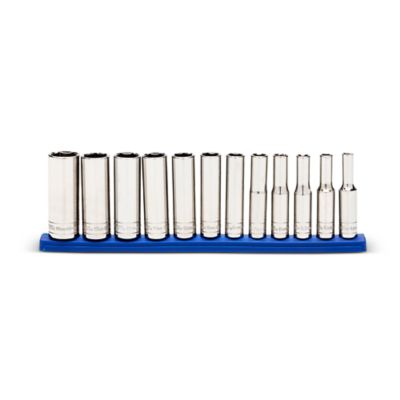
Socket fit starts with two separate measurements: the drive size that connects to the tool and the opening that fits the nut or bolt. Common square-drive sizes include 3/8 inch, 1/2 inch, and 3/4 inch, with larger drives generally associated with heavier equipment and higher-torque applications. Drive size alone does not establish a socket’s torque limit, so the ratings for the tool, socket, and any attachment still matter. The fastener opening may be metric or SAE, and a close-looking substitute can leave enough play to damage corners under load. Clear size markings are especially handy when reaching into a crowded tool drawer or sorting sockets beside a piece of equipment. Standard-depth impact sockets work well where access is straightforward and extra length would crowd the tool. Deep impact sockets provide room for nuts on protruding studs and can reach some recessed fasteners, although the usable internal depth varies by design. A deep socket is not automatically the better choice; its added length can make an already tight space harder to work in. Wall thickness also matters around recessed lug nuts, cast housings, and closely spaced bolts. Thin-wall impact sockets can address certain clearance problems, but they still need an impact rating and a suitable fit for the application. Extensions help reach past obstructions, while impact-rated swivel sockets and universal joints can provide access where a straight approach is blocked. Added length and working angles can affect how the tool delivers force, making a direct connection preferable when space allows. Adapters also introduce another connection and must suit the drive sizes and loads involved. For work that shifts between powered removal and hand operation,
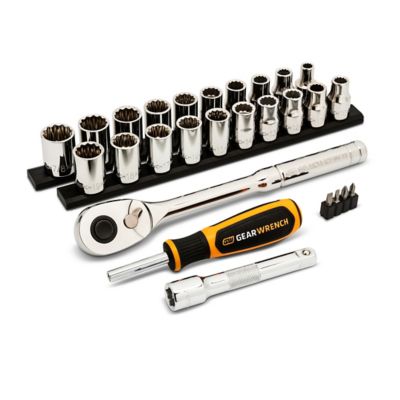
Ratchet Sockets belong in the broader conversation about access and control, but the socket attached to an impact wrench still needs its own impact rating. A practical assortment follows the fasteners on the equipment being maintained, rather than simply filling every space in a case. Matching sizes, depths, and drive connections to those jobs keeps the setup useful.
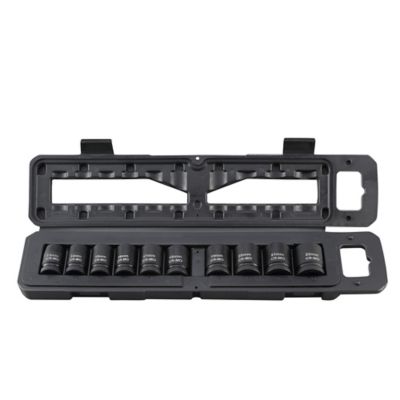
Good impact socket care is mostly about keeping working surfaces clean, watching for damage, and storing tools where moisture and grit cannot settle into every recess. Grease mixed with dirt can hide wear inside the opening, while packed debris can keep a socket from seating fully on a nut or bolt. Wiping sockets after a repair and following the maker’s guidance for cleaning and rust protection helps preserve both the finish and readable markings. Dark surface treatments offer some corrosion resistance, but they do not make steel rustproof. A fitted case, rail, or drawer organizer keeps sizes together and makes a missing socket easier to spot before the next job begins. Cracks, spreading, chipped edges, a distorted drive opening, or a loose connection are reasons to take a socket out of service rather than asking it to finish one more repair. Secure attachment matters, too: friction rings, detent pins, and pin-and-ring retention systems each depend on compatible components and proper engagement. Eye protection and the equipment manufacturer’s service instructions remain part of the job, especially around loaded assemblies or components that can move unexpectedly. Impact sockets help with removal and initial tightening, but an impact wrench’s setting does not replace a torque specification. Wheel fasteners and other torque-critical connections need final tightening or verification with an appropriate torque wrench according to the equipment maker’s procedure. Fasteners should also start correctly on their threads before power is applied, since hammering will not straighten a cross-threaded bolt. For someone building a farm-shop tool collection or outfitting a garage, impact sockets make a practical gift when the recipient’s drive size, equipment, and common fasteners are known. Whether the work involves a utility trailer, a pickup, or machinery that earns its keep every day, the most useful sockets are the ones that fit properly, reach the work, and match the demands of the tool.