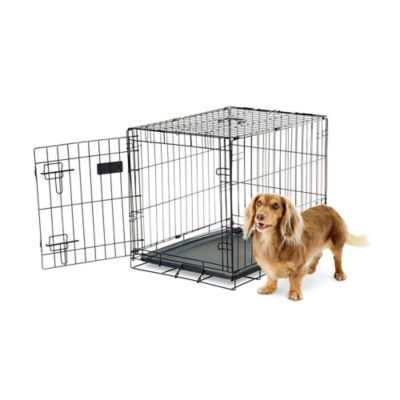
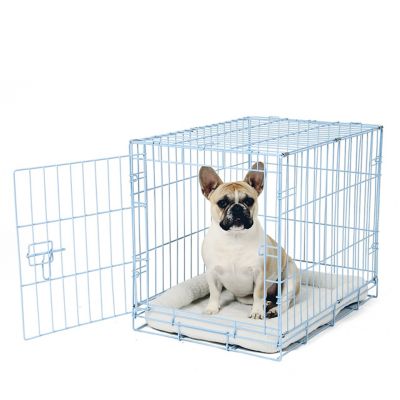
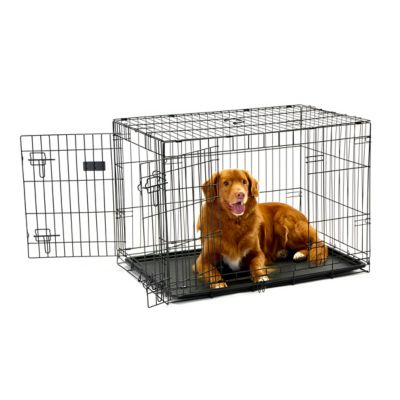
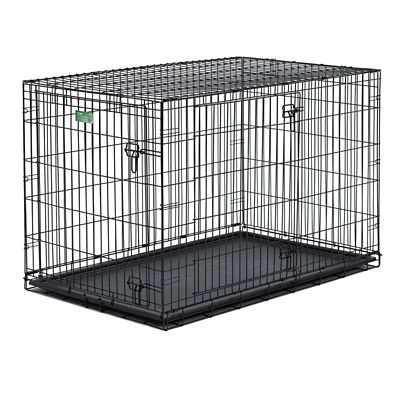
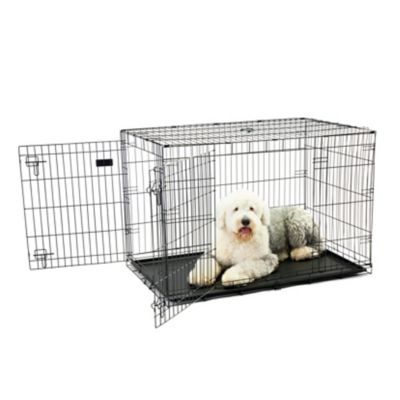
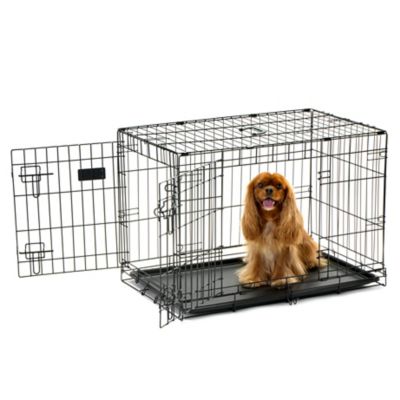
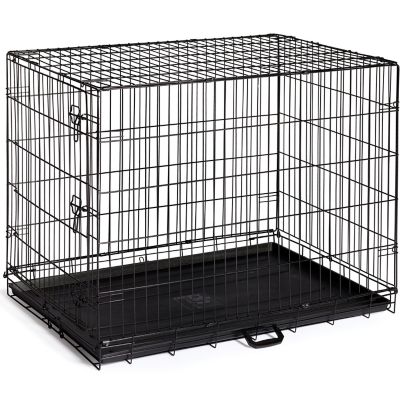
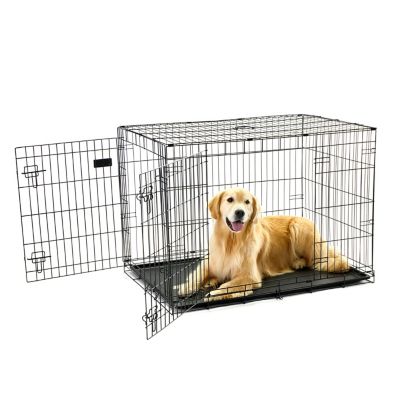
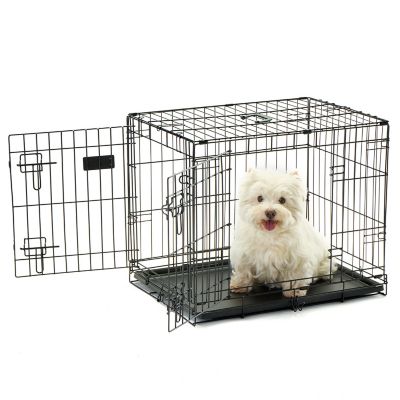
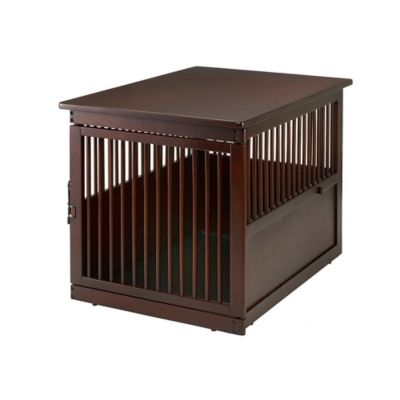
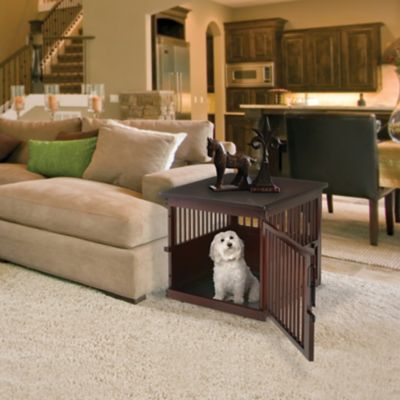
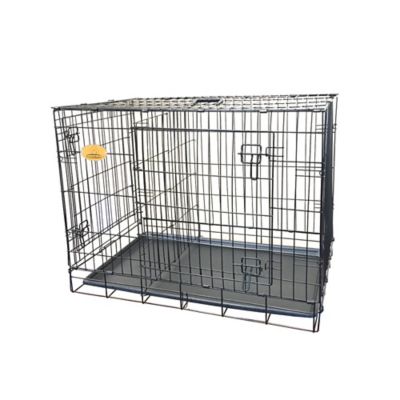
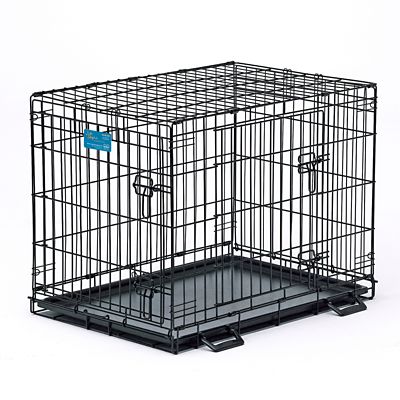
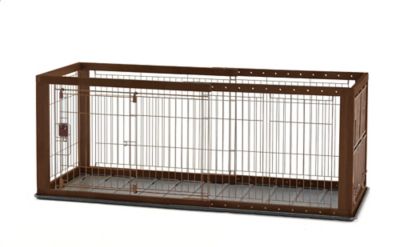
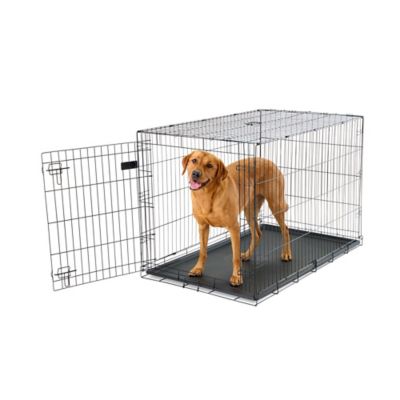
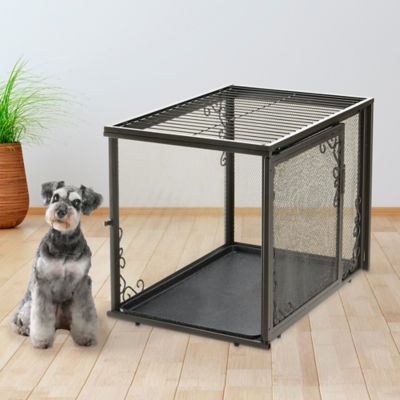
A side opening dog crate gives you more ways to fit a crate into everyday life, whether it sits beside the mudroom door, rides along for a weekend trip, or tucks neatly into a corner of the living room. Instead of relying on a single front entrance, these crates may have a door on the side, a front-and-side door arrangement, or openings on opposite sides. That added access can make a real difference when furniture, walls, kennels, or vehicle layouts limit where the crate can go. It also gives you a convenient spot to reach in for feeding, fresh bedding, a quick check, or a little reassurance without moving the entire crate. Double-door designs can be especially handy in busy homes, since you can position one entrance toward the room and another toward a hallway or open space. They may also make travel setups easier when a crate needs to be loaded from a particular side of a vehicle. As you compare side opening dog crates, start with your dog’s measurements rather than judging by breed name alone. Your dog should be able to stand up without crouching, turn around comfortably, and lie down stretched out, but the crate should not be so oversized that it feels like a chilly, empty room or gives a puppy enough extra space to use one end as a bathroom. Measure from the tip of the nose to the base of the tail, then from the floor to the top of the head or ears while standing. Add a few inches to both measurements, and check the manufacturer’s sizing recommendations before ordering. A growing puppy may need a crate with a divider panel so the interior can be adjusted as those long legs and paws catch up with the rest of the body.
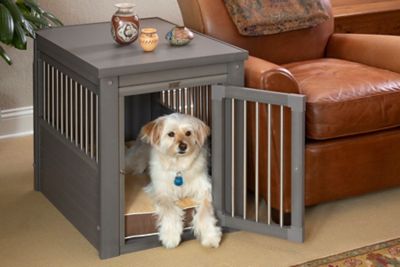
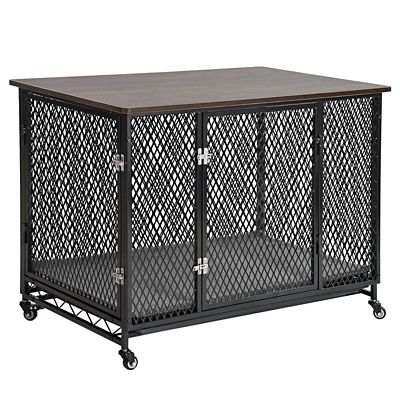
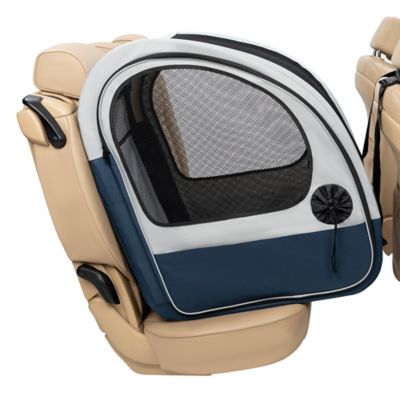
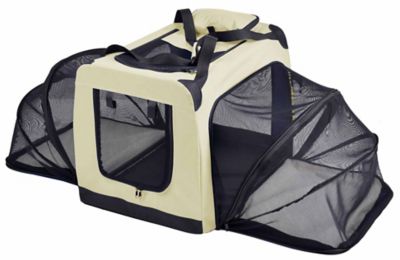
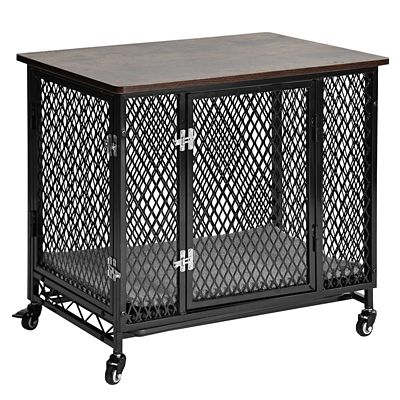
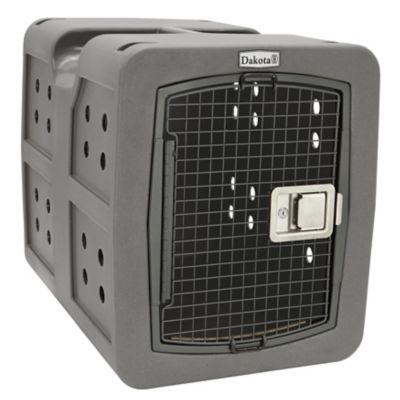
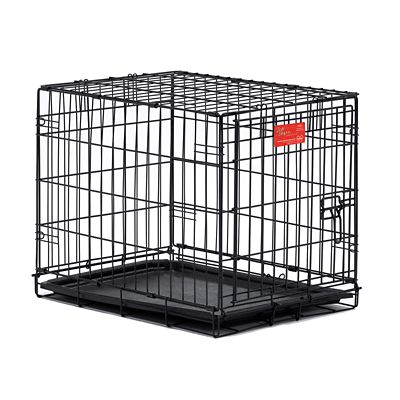
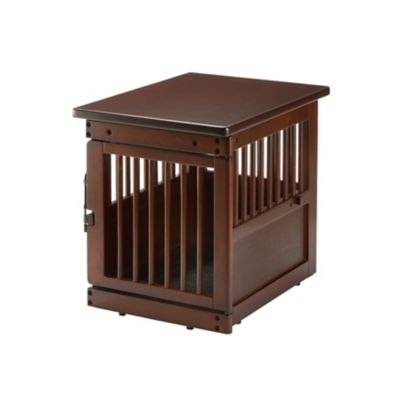
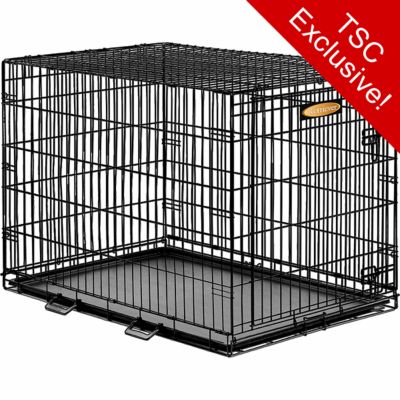
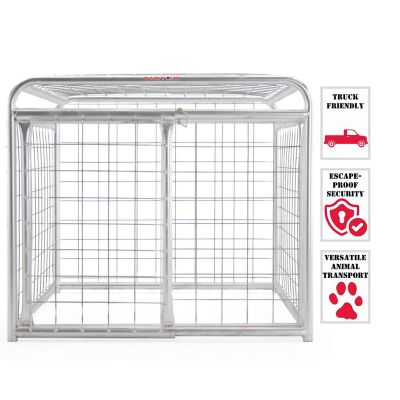
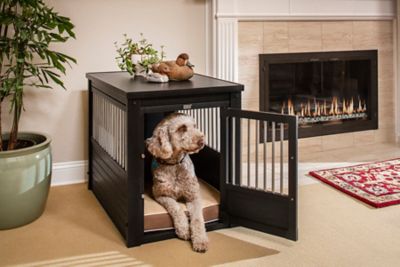
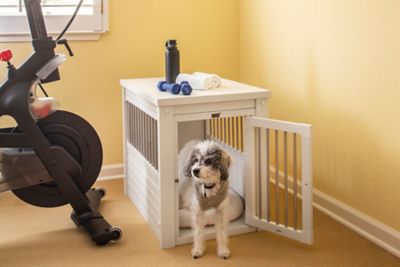
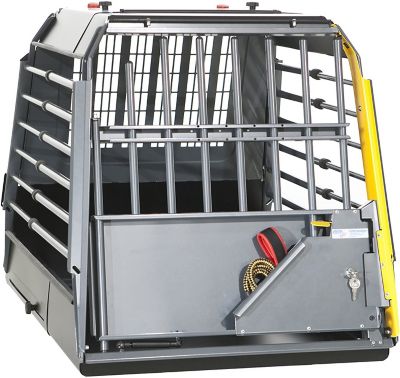
The best material depends on where and how the crate will be used. Metal wire crates are a familiar choice for homes, barns, grooming areas, and travel between rooms because they offer strong ventilation and a clear view of the surroundings. Many fold down for storage, and a removable, leak-resistant pan can make accidents, spilled water, and shed hair much easier to handle. A metal crate with paw-blocking features and sturdy latches can add another layer of security for dogs that like to investigate every hinge and corner. Furniture-style crates made with wood or wood-look materials can blend into a den, office, or family room while serving as a quiet resting place for a dog. These designs may work well for calm pets that are already comfortable in a crate, though they may not be the right match for a determined chewer or a dog that pushes hard against doors. Soft-sided crates are light and convenient for shows, camping, visiting friends, or short trips, but they are generally better suited to dogs that settle quietly and do not scratch, claw, or chew. For road travel, look closely at the crate’s intended use. A crate that works well in the house is not automatically appropriate for a moving vehicle. If a side opening dog crate will ride in a car or truck, look for clear information about fit, tie-downs, door security, and crash testing. Keep the crate level and secured according to the manufacturer’s directions, and never leave a dog unattended in a parked vehicle, especially during hot or cold weather. Inside the home, place the crate away from direct sun, heating equipment, drafts, and heavy foot traffic, while still keeping it close enough for your dog to feel included. A washable mat or correctly sized crate pad can make the space more inviting, and a light cover over part of a wire crate may help some dogs settle, provided ventilation remains open and your pet cannot pull the fabric inside.
A crate is most useful when it feels like a safe, familiar resting place rather than a punishment. Introduce it gradually by leaving the doors open, tossing in a favorite toy or treat, and allowing your dog to explore at their own pace. Short periods with the door closed can follow once your dog is relaxed, then you can slowly build up time while staying nearby. Puppies, newly adopted dogs, and pets adjusting to a new home may need several days or longer before they are comfortable being alone in a crate. Keep water, bedding, and toys appropriate for your dog’s habits, and avoid leaving anything inside that could be swallowed, shredded, or caught in the door. Check the latches, hinges, wire spacing, and pan regularly, particularly if your dog is strong, young, or known for testing boundaries. Side access is also useful when helping an older dog, a recovering pet, or a nervous traveler, since you can open the crate from a convenient angle and keep handling gentle. These crates can make thoughtful gifts for someone bringing home a puppy, welcoming a rescue dog, setting up a grooming space, or preparing for life with a new hunting or farm companion. A crate paired with a washable blanket, food and water bowls, or a durable chew may help new dog owners get started, though the crate itself should always be chosen for the recipient’s dog’s size, temperament, and daily routine. For more ways to compare styles and find a comfortable setup, browse
Nice Dog Crates. Whether your dog sleeps beside the family during the cooler months, rests in the shade as the weather warms, or travels between home and the back porch, the right side opening crate can provide dependable access, easier cleanup, and a secure place to settle.