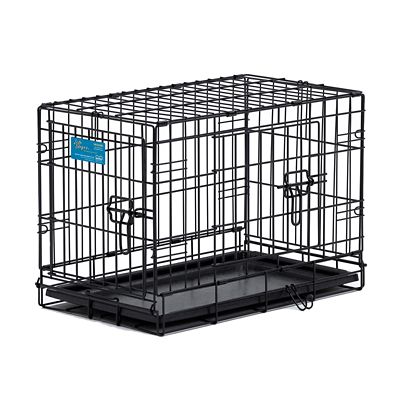
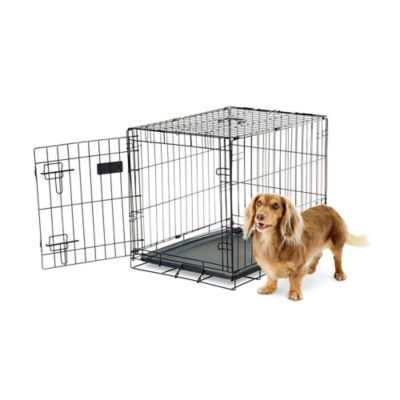
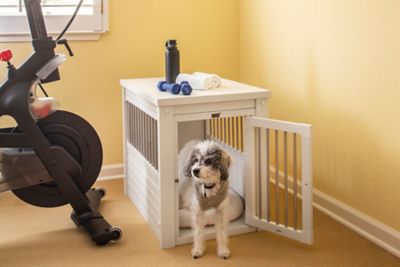
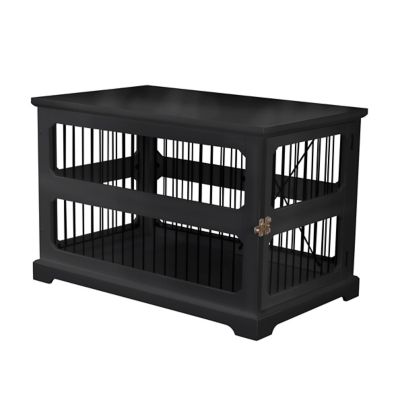
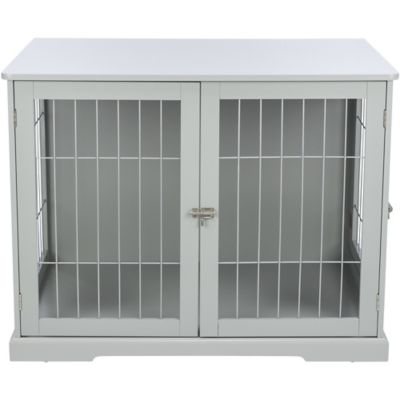
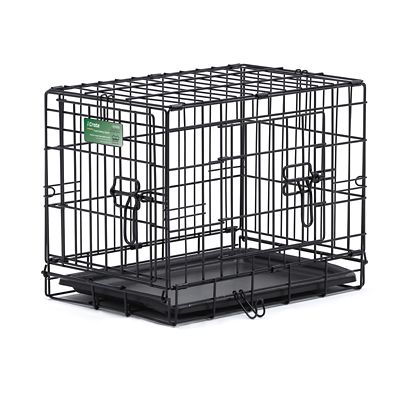
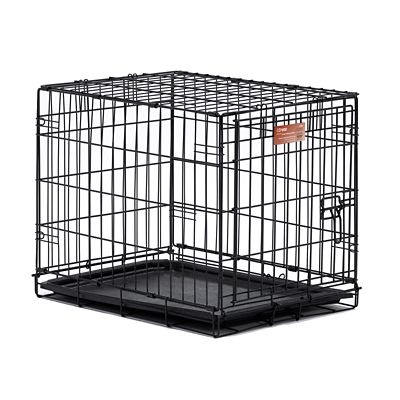
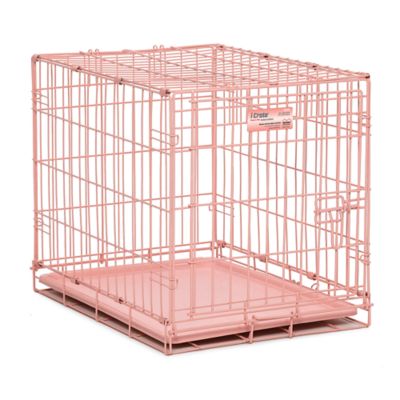
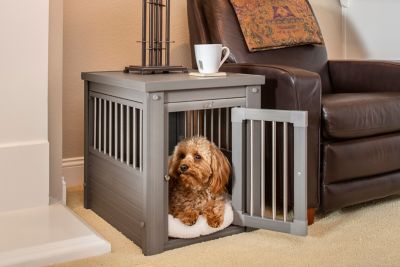
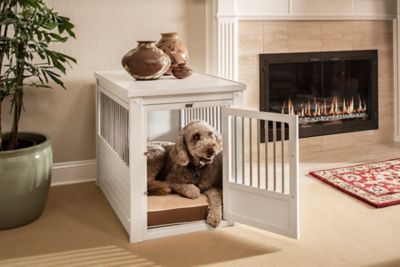
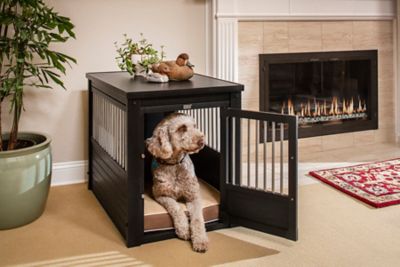
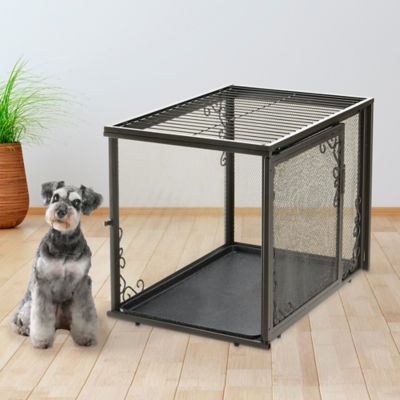
A nice dog crate can be a comfortable spot for your dog and a helpful part of everyday life around the house, barn, truck or kennel area. Today’s crates come in a range of sizes, shapes, finishes and materials, making it easier to find one that fits your dog and your home without looking out of place. Some families use a crate as a quiet den where a dog can nap after a long walk, while others keep one ready for travel, house training, grooming appointments or visits from guests. A crate can also bring a little order to busy days when muddy boots are coming through the door, feed buckets are being carried in and out, or young dogs are still learning the rules of the house. Look for a crate that gives your dog enough room to stand up, turn around and stretch out comfortably, but not so much extra space that one end becomes a bathroom area. A growing puppy may need a crate that can adjust as it gets bigger, while an adult dog may be happiest with a sturdy, roomy setup that feels like a familiar retreat. Measure your dog before shopping, including height from the floor to the top of the head and length from the nose to the base of the tail, then allow a little extra room for natural movement. If your dog has a thick coat, long legs or a broad chest, sizing up may help provide a more comfortable fit. Keep ventilation, visibility and easy access in mind, too. Dogs often settle more easily when they can see what is happening around them, though a quieter corner or partial cover can help a nervous dog relax. A secure door, dependable latches and smooth edges matter just as much as a good-looking finish, especially for dogs that paw, nose or chew when they are getting used to a new space.
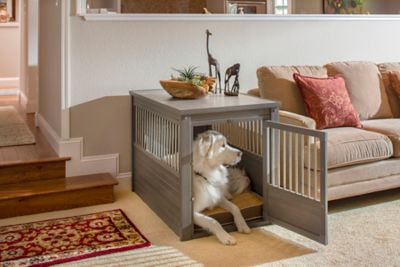
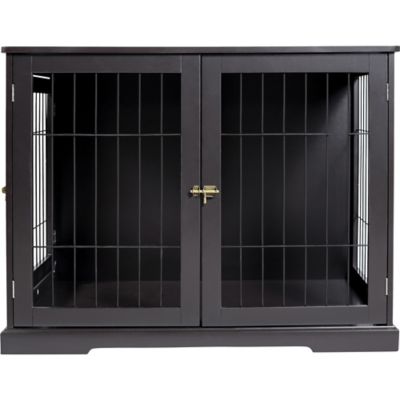
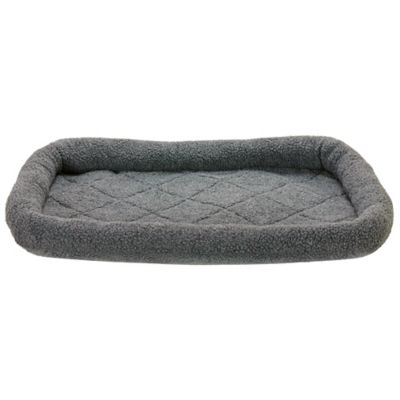
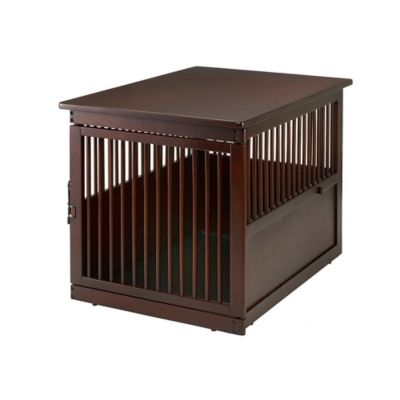
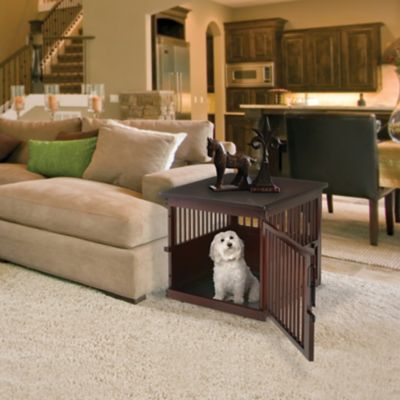
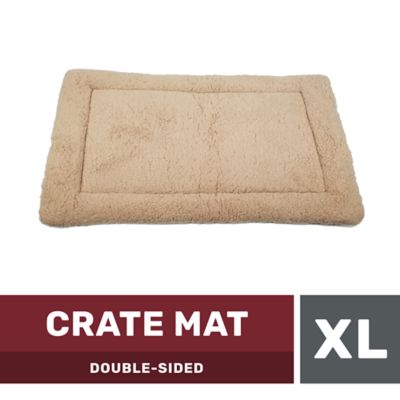
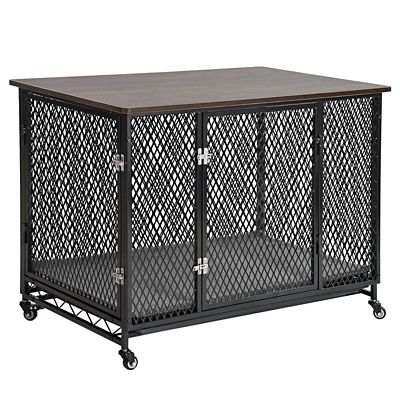
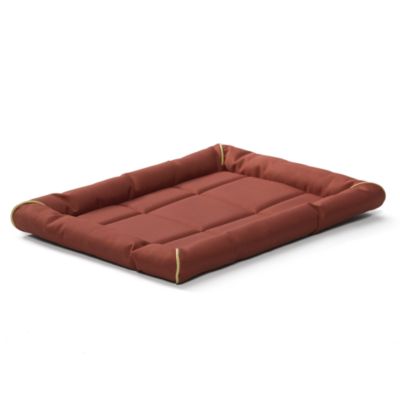
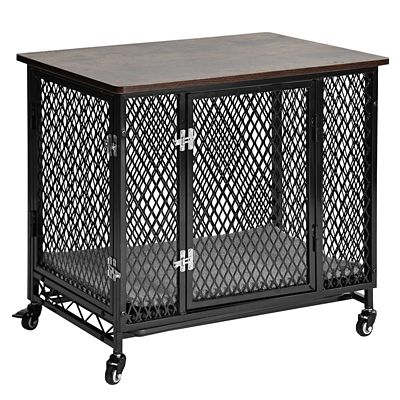
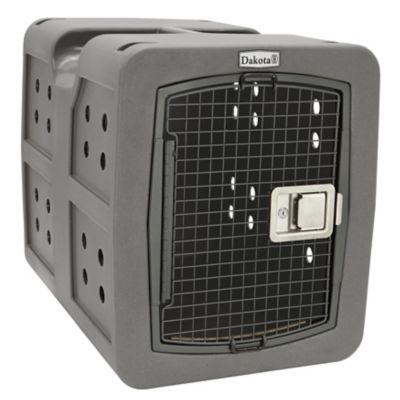
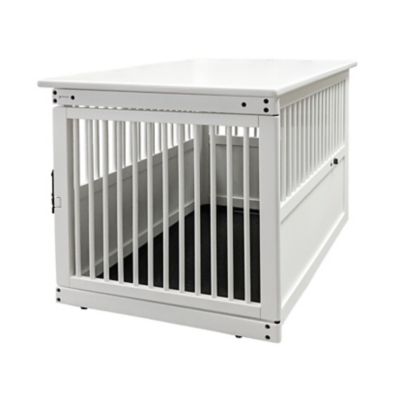
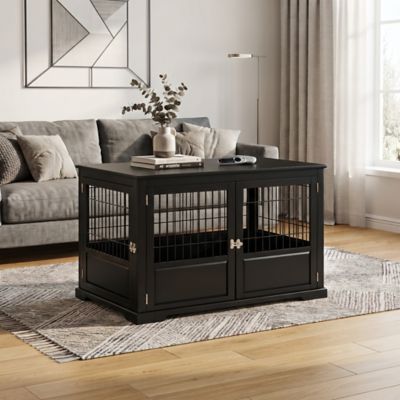
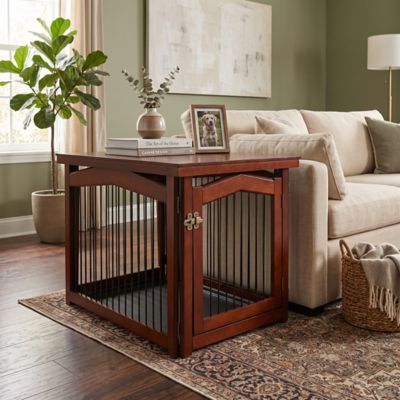
When choosing among nice dog crates, think about where the crate will live and how it will be used from day to day. A wire crate can offer plenty of airflow and visibility, while a molded or enclosed style may provide a more sheltered feel and can be easier to wipe clean after muddy paws or a spilled water bowl. Furniture-style crates may blend neatly into a living room or bedroom, but they should still have enough ventilation and room for your dog to move comfortably. For a farm dog that goes between the porch, truck and pasture, a durable crate with a floor that is simple to clean can save a lot of fuss. For a house dog that sleeps near the family, a quieter design with a soft bed or washable mat may make the crate feel more like a cozy corner than a piece of equipment. Place it away from direct drafts, heaters and heavy foot traffic, especially during the cooler months, and make sure the floor underneath is level. In warmer weather, good airflow and shade are important; in colder weather, bedding can add comfort, but it should never leave the dog cramped or create loose material that could be chewed and swallowed. Always check that the crate stays cool and well ventilated, and never use it as a substitute for exercise, companionship or a safe-temperature environment. A crate works best when it is introduced gradually with praise, treats and familiar bedding. Leaving the door open at first lets a dog investigate at its own pace. Many dogs begin by stepping in for a snack, then spending a few minutes resting inside, and eventually choosing the crate on their own after a busy afternoon outside. Keep early sessions short and positive, and avoid sending a dog to the crate as punishment. That simple approach can turn a new crate into the place where your dog carries a favorite toy, watches the family from a comfortable distance and settles down when the house gets lively.
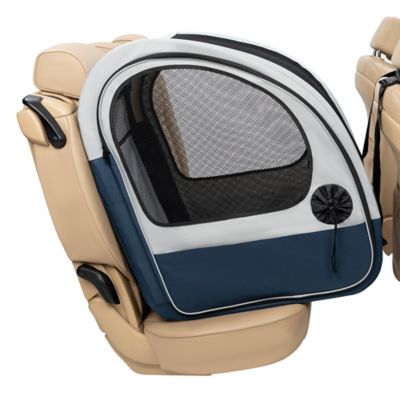
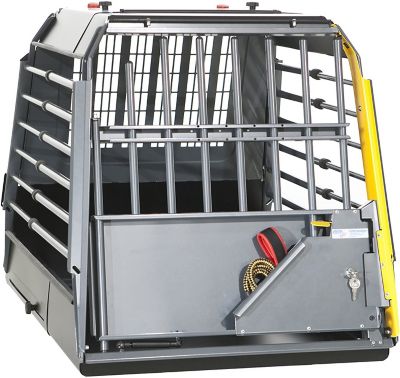
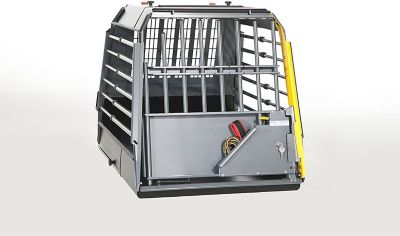
A well-chosen crate can also be a thoughtful, practical gift for someone bringing home a puppy, adopting a dog or preparing for life with a new hunting or farm companion. Pairing a crate with washable bedding, food and water bowls, a lead or a few durable chew toys can give a new dog owner a useful start without guessing at treats or food preferences. For a puppy, choose with future growth in mind and pay attention to how easy the crate will be to clean during the training stage. For an older dog, comfort, easy entry and a low-stress setup may matter more than a compact footprint. Families that travel between home, camp, sporting events and relatives’ houses may also appreciate a crate that is simple to carry, store or set up. If your dog regularly rides along for errands or outdoor work, explore
Travel Dog Crates made for getting from one place to another safely and comfortably. Before bringing a crate home, consider the available floor space, door swing, carrying handles, cleanup needs and whether the crate can be moved by one person. Take a look at the construction, fasteners and floor panel, and check that the size suits the dog rather than just the room. A nice crate should feel steady when the dog shifts around, offer enough room for a relaxed nap and stand up to regular use. With the right fit and a little patience, it can become part of the household rhythm: a calm place after a run through the leaves, a secure rest spot while chores are getting done, or a familiar bed when the weather turns cool and the days grow shorter. Whether you are setting up a first crate for a young pup or replacing an old one for a longtime companion, choosing comfort, safety and easy care will help make the crate useful for both you and your dog.