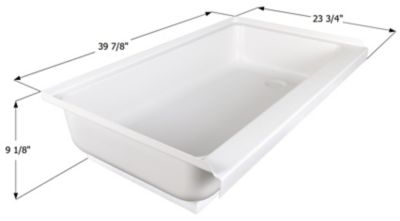
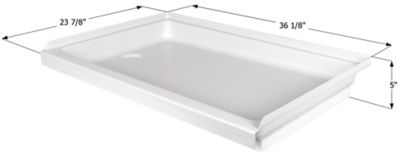
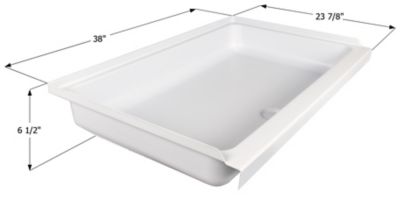
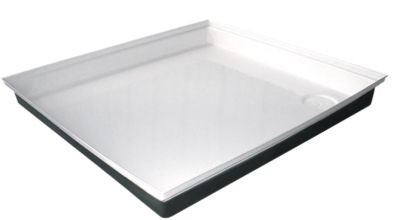
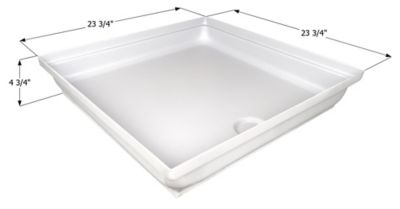
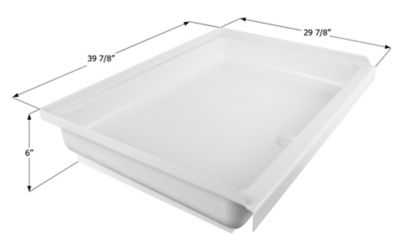
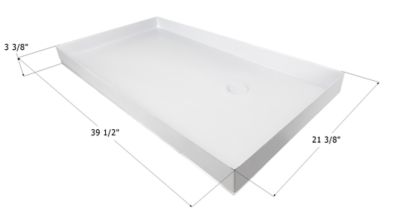
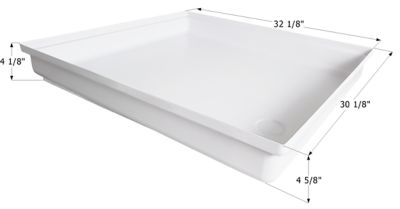
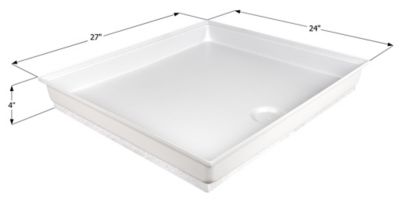
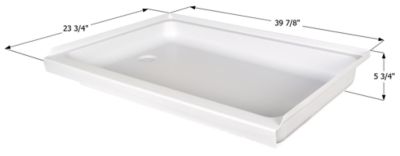
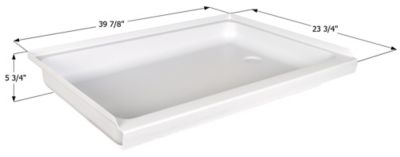
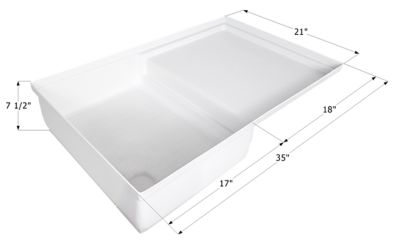
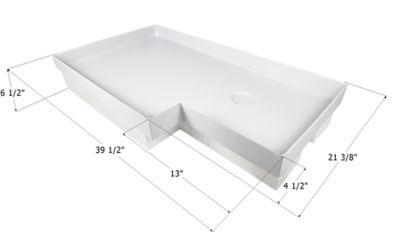
Choosing a shower pan for a mobile home starts with the space beneath the old tub or shower, not with appearance alone. Manufactured homes often have bathroom layouts that differ from site-built houses, and older units may call for replacement dimensions that are hard to match with standard residential fixtures. Common sizes include 54 inches by 27 inches or 54 inches by 28 inches for spaces where a tub has been removed, 54 inches by 42 inches for a wider garden-tub opening, and 32 inches by 32 inches for a compact square shower stall. Measure the finished opening from wall to wall, then check the depth, height, and location of the drain before choosing a pan. A small difference along the back wall can affect how the base meets the surround, trim, flooring, and plumbing. Mark whether the drain sits on the left, right, or in the center, and note the direction the bathroom door swings. Taking photos of the existing setup and writing down each measurement can help prevent a return trip to the hardware aisle, especially when the bathroom is in a hallway or a tight corner of the home.
Material also matters when selecting a shower pan for a manufactured home. Fiberglass and ABS plastic are common choices because they are relatively light to carry through a narrow doorway and can handle the moisture found in a busy bathroom. Their smooth surfaces are easier to wipe down, while their low weight may simplify handling during a renovation. Mobile homes can experience small shifts in the subfloor as the home settles or as temperature and moisture conditions change, so the base needs firm, even support underneath. Before installation, inspect the floor for soft spots, water damage, loose framing, or uneven areas, and make sure the drain connection lines up without strain. A level surface helps water move toward the drain instead of collecting along an edge. Follow the pan manufacturer’s installation requirements for bedding, fasteners, sealant, wall surrounds, and drain fittings; plumbing practices and local building rules may also apply. If the project involves moving drain lines, repairing a wet subfloor, or cutting into finished walls, a licensed plumber or experienced contractor can help protect the room from leaks that may not show up until the next cooler season.
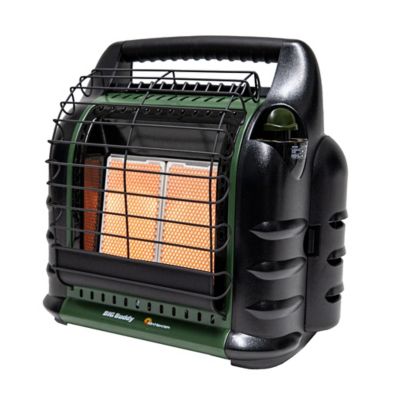
A well-fitted shower pan can make everyday bathing easier for homeowners, renters with permission to renovate, caregivers, and anyone updating an older manufactured home between occupants. When selecting among available sizes, think about the bathroom’s daily demands. A wider base may provide more elbow room, while a compact square pan can make better use of a small stall. Low-threshold styles may be helpful for people who have trouble stepping over a tall tub wall, though the surrounding floor, drain slope, and wall protection must all work together. Keep cleaning habits in mind as well: a smooth, properly sealed surface can make it easier to rinse away soap and hair before buildup becomes a problem. Prices for mobile-home shower pans commonly range from about $300 to more than $800, depending on size, material, layout, and accessibility features, with installation supplies and labor adding to the overall project cost. During the cooler months, a sound shower base is one part of keeping the bathroom ready for daily use, while
Mobile Home Heaters can help support comfort throughout the home. Take time to match the pan to the opening, drain position, wall system, and floor condition so the finished space feels steady, easy to maintain, and suited to the way your household lives.