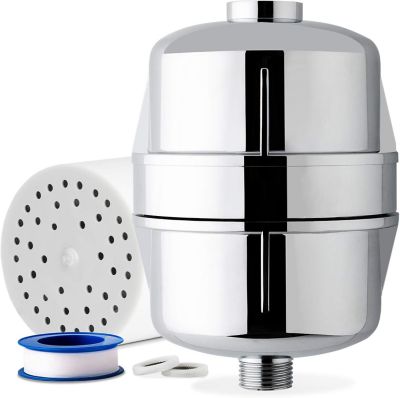
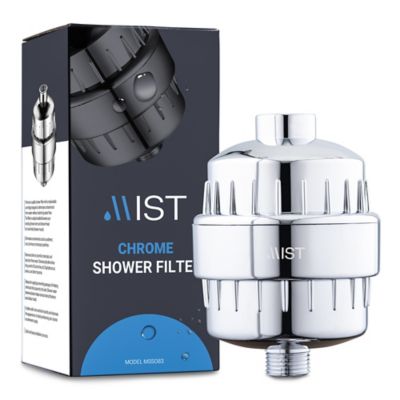
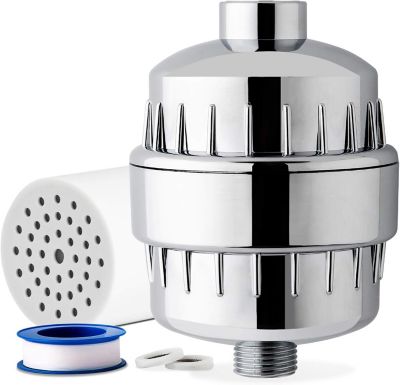
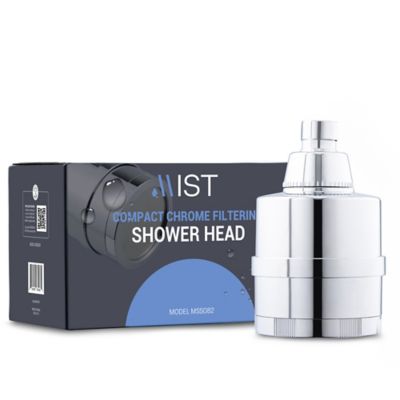
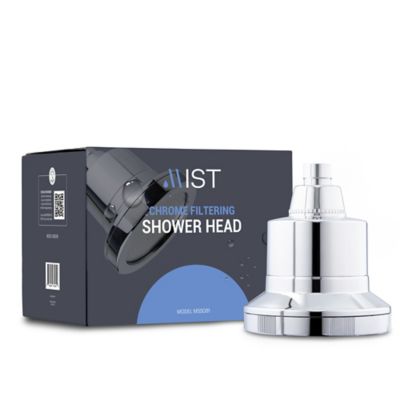
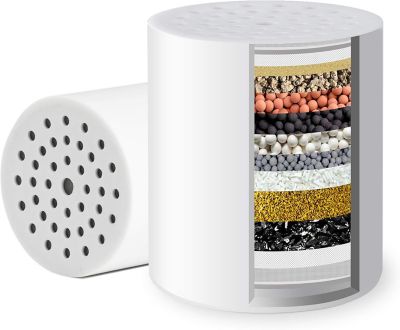
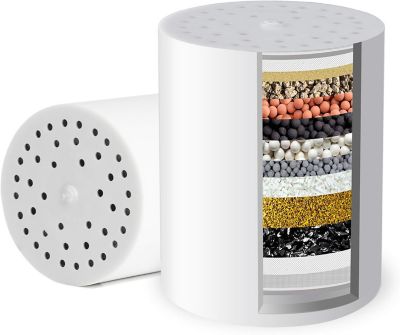
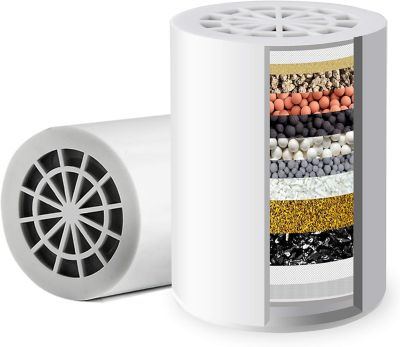
Shower filters can be a simple addition to a home bathroom, especially for households dealing with heavily chlorinated water, hard water, or the dry, tight feeling that can follow a long hot shower. These filters attach to the shower arm or take the place of the existing shower head, depending on the style, and are designed to reduce certain substances in the water before it reaches your skin and hair. Many models use filter media such as activated carbon, KDF, or a combination of materials to help reduce chlorine, sediment, and some metals. The exact results depend on the filter design, the condition of your plumbing, and the quality of your water, so it pays to read the product details closely rather than assuming every filter handles every concern. An inline shower filter is a handy choice when you like your current shower head and want to keep its spray pattern, handheld wand, or rainfall design. It screws onto the shower pipe, with the existing shower head attaching to the other side. A filtered shower head has the filter built into the unit and replaces the shower head altogether, which can make for a cleaner-looking setup with fewer connections. Both styles can be useful in a farmhouse bathroom, rental home, apartment, or family bath where everyday comfort matters. During the cooler months, hot showers often become part of the daily routine after feeding animals, splitting kindling, working outdoors, or simply coming in from a cold, wet day. Water that feels less harsh can make that routine more comfortable, though a shower filter is not a substitute for a whole-home water treatment system or a certified solution for unsafe water. If you have concerns about drinking water, bacteria, or a known contamination issue, use a properly tested and certified treatment method suited to that problem.
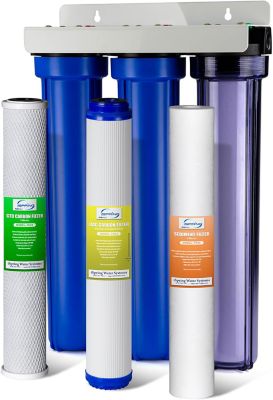
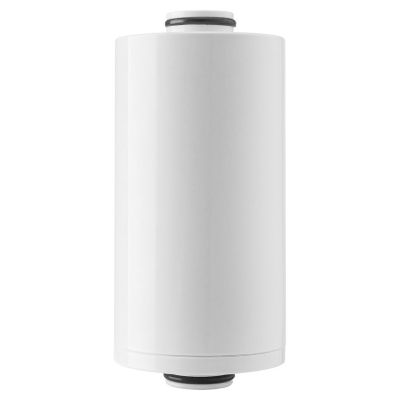
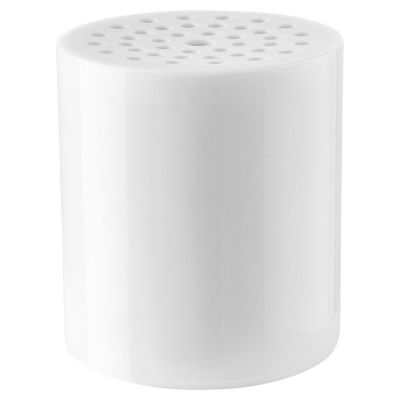
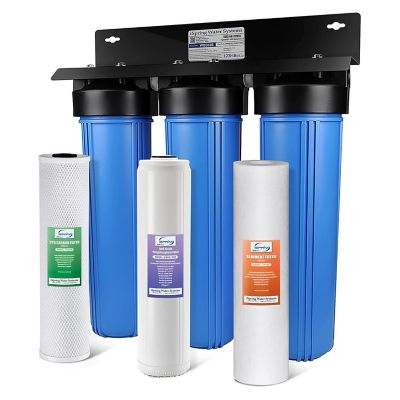
When comparing shower filters, start with the water coming into your home and the habits of the people using the bathroom. A basic water-quality report or an at-home test can help identify chlorine, hardness, iron, sediment, or other issues, while a white crust around faucets, dull-looking hair, or laundry that feels stiff may point to mineral-heavy water. A filter intended mainly for chlorine reduction may not solve a hard-water problem, since hardness is caused by dissolved minerals and often calls for a water softener or other treatment. Check the filter’s stated capacity, replacement schedule, connection size, and installation requirements before ordering. Most standard cartridges are designed to last around six months or roughly 10,000 gallons, whichever comes first, but actual life varies with water quality and household use. A busy home with several daily showers may go through a cartridge faster than a lightly used guest bath. Marking the installation date on the filter housing with a permanent marker is an easy way to keep track. Reduced water pressure, an unusual smell, discoloration, or a return of the dry feeling can also signal that the cartridge needs attention. Replacement filters are commonly sold separately, so take a look at long-term upkeep and cost instead of focusing only on the initial price. Installation is generally straightforward: shut off the water, remove the existing shower head if needed, wrap threaded connections with plumber’s tape as directed, and hand-tighten the filter or new shower head before checking for leaks. Avoid over-tightening plastic fittings, and follow the included instructions for flushing a new cartridge. A small amount of dark or cloudy water during the first flush can be normal with some filter media, but ongoing discoloration or leaking deserves a closer look. Homes that rely on well water may also benefit from keeping sediment and other household water equipment in good working order; related equipment such as
Pump Filters serves a different purpose from a shower filter but can be part of a broader water-maintenance setup.
Shower filters also make practical gifts for someone settling into a new house, renovating a bathroom, moving into a rental, or trying to make a daily routine a little more comfortable. They are especially useful for family members who notice dry skin, brittle-feeling hair, chlorine odor, or mineral buildup after showering, although personal results can vary and a filter cannot replace good skin and hair care. A compact inline style may suit a renter or anyone who wants an easy upgrade without changing the whole bathroom, while a filtered shower head can be a thoughtful choice for a homeowner who is already refreshing fixtures. Consider the recipient’s shower arm, preferred spray style, household size, and willingness to change cartridges before choosing. For a guest bathroom, a filter can add a welcoming touch without a major remodel; for a busy household, look for a generous cartridge capacity and a housing that is easy to open when maintenance rolls around. It is also worth checking whether the unit has a visible replacement indicator, adjustable spray settings, a handheld option, or a finish that fits the rest of the bathroom hardware. Keep expectations practical: shower filters are made to improve water at one fixture, not to soften every faucet or purify water throughout the house. They may help reduce certain unwanted substances and leave water feeling more pleasant, but they do not remove every contaminant, and performance depends on the media inside the cartridge and the water passing through it. With the right match, regular cartridge changes, and a careful installation, a shower filter can be a useful everyday upgrade—one that feels good after a dusty day in the barn, a chilly morning outdoors, or a long stretch of chores on the homestead.