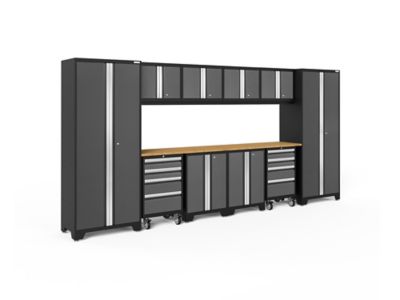
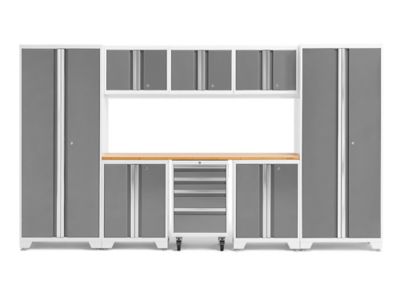
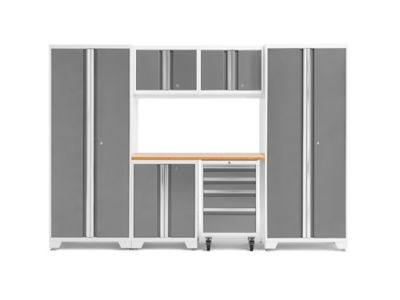
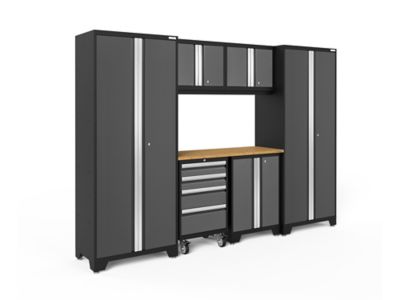
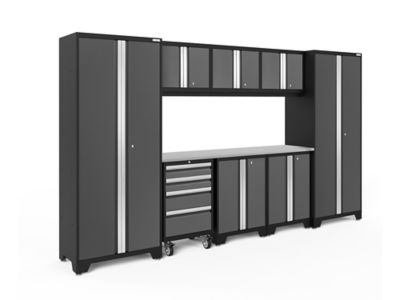
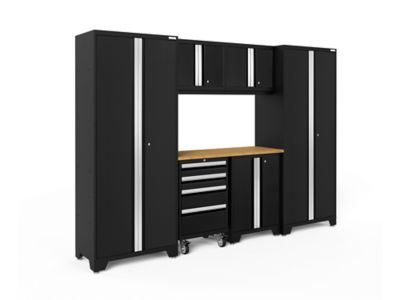
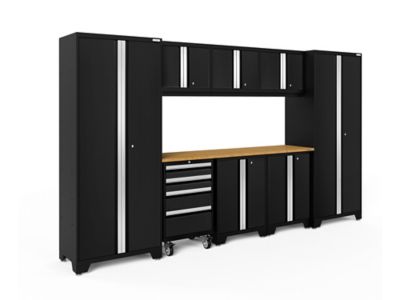
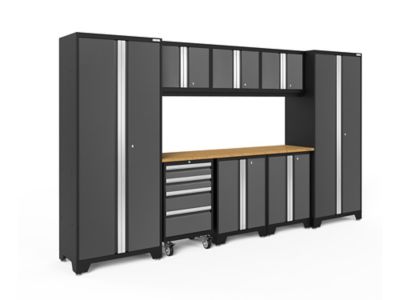
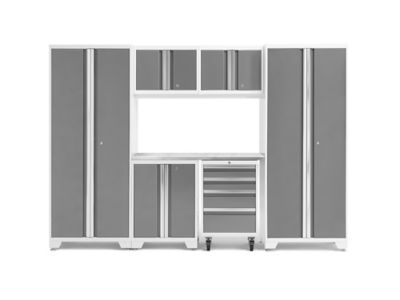
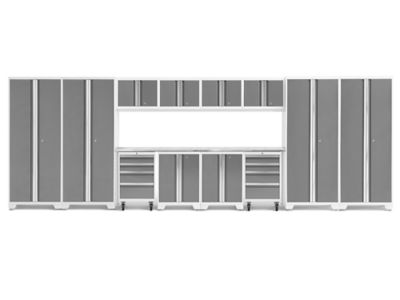
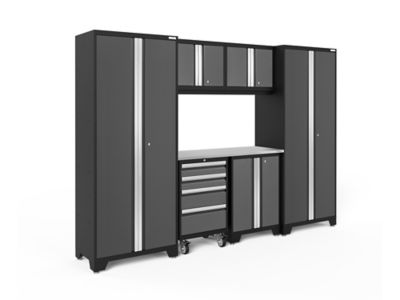
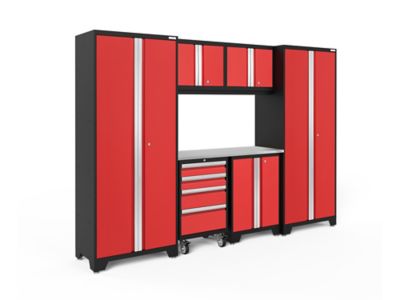
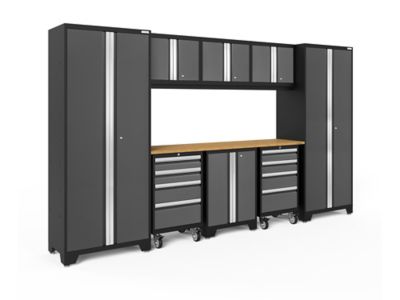
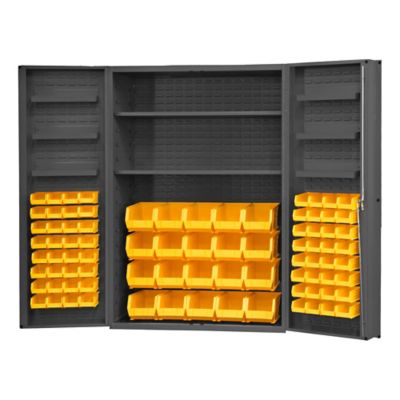
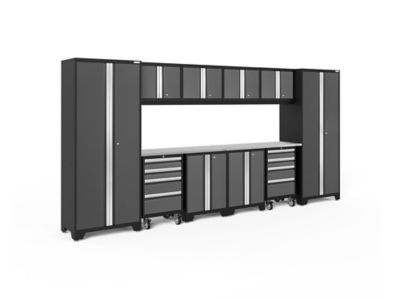
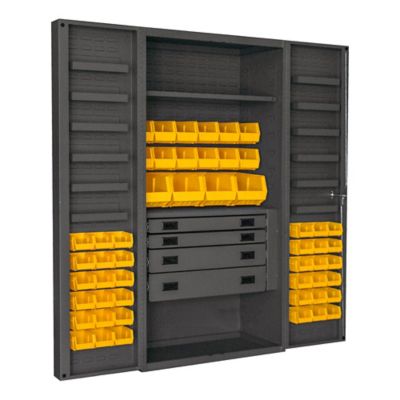
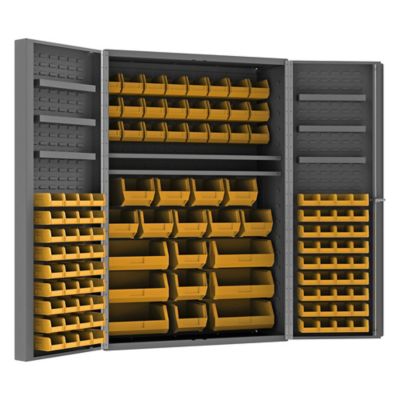
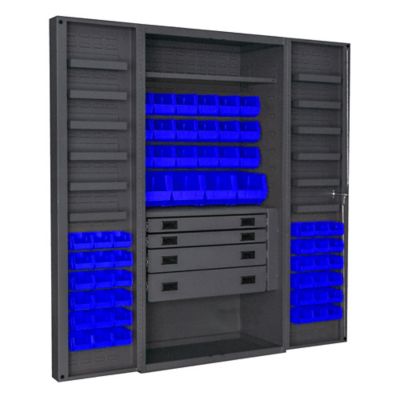
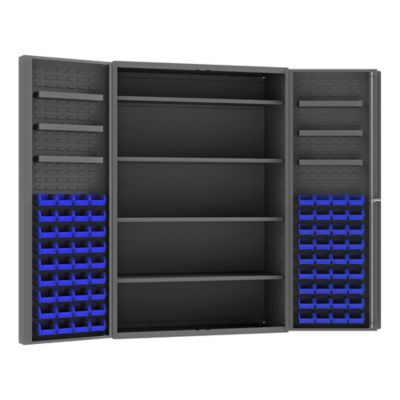
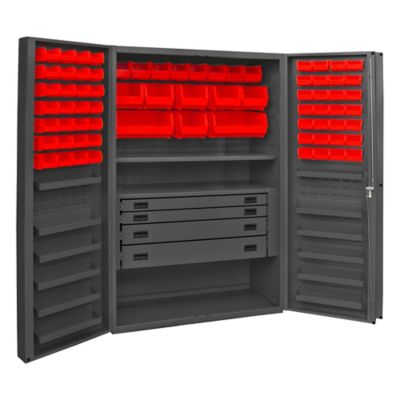
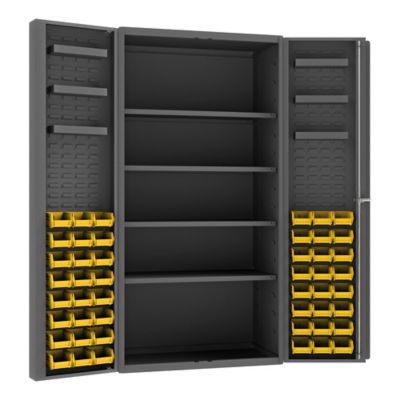
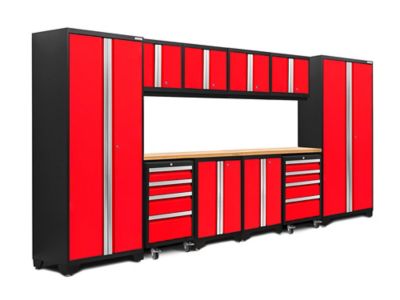
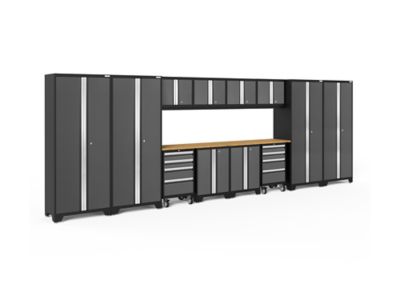
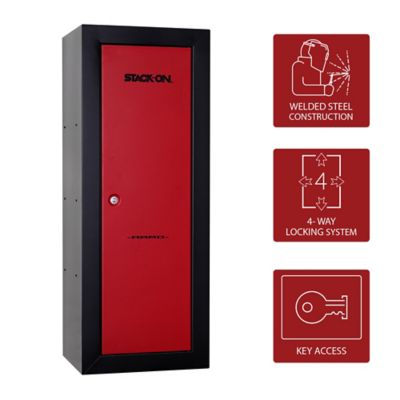
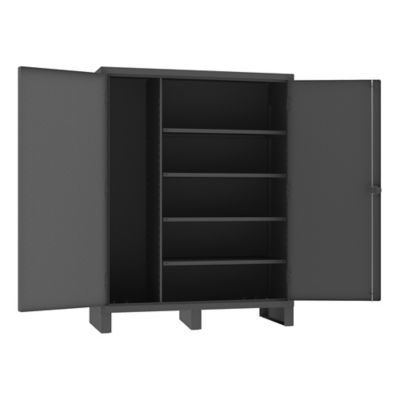
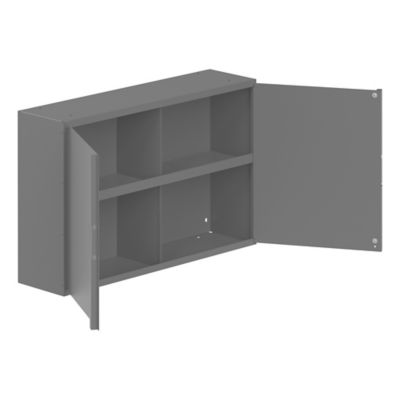
Shop cabinets provide enclosed storage for tools, hardware and supplies in garages, workshops and farm outbuildings, keeping everyday gear close without leaving every surface covered. Common styles include floor-standing cabinets, wall-mounted cabinets, drawer cabinets and rolling cabinets, each suited to a different part of the workspace. A tall cabinet can hold larger equipment and long cases, while a cabinet beneath a workbench keeps smaller tools within reach of the job. Wall cabinets make room for storage above a bench without taking up more floor space, though their mounting requirements and load limits matter just as much as their dimensions. Steel is a common material for shop storage because it handles substantial loads when properly constructed and supported. Powder-coated finishes help protect the metal, but scratches and exposed edges still deserve attention. Aluminum cabinets offer a lighter alternative, with strength and dent resistance depending on the construction. Wood and engineered-wood cabinets bring other considerations, including panel thickness, edge protection and how the surfaces stand up to spilled liquids. Material alone does not tell the whole story: door reinforcement, shelf supports, drawer slides, hinges and cabinet joints all affect how a cabinet feels during daily work. A cabinet that holds small repair supplies has a different job from one carrying heavy tools or stacks of metal parts. Published weight ratings are especially helpful here, since a shelf rating, drawer rating and total cabinet rating describe different limits. Adjustable shelves make it easier to accommodate changing gear, while fixed shelves provide a set layout. For a farm repair corner, home garage or woodworking space, the best fit comes down to what needs a home and how often it comes out. Cabinets with a sensible mix of open interior space, shelves and drawers can support everything from quick equipment adjustments to longer projects that leave the bench busy for several days.
Cabinet size involves more than the width of an empty stretch of wall. Depth determines how far a cabinet reaches into the working area, and open doors or extended drawers need clearance beyond that footprint. A tall storage cabinet beside a parked mower should leave enough room to move around the machine, carry a toolbox and reach the cabinet handles without squeezing through a narrow gap. Near a workbench, door swing can affect access to outlets, pegboard and adjoining drawers. Wall-mounted shop cabinets also need enough clearance above the work surface for the tasks below them. Proper attachment to suitable structural support is essential; drywall by itself is not a substitute for the mounting support specified by the manufacturer. Floor-standing units need a stable base, and leveling feet can help compensate for minor variations in a concrete floor when the cabinet design allows it. Required anchoring helps limit tipping, especially with tall cabinets or drawers that extend outward under load. Inside the cabinet, shallow drawers keep smaller tools from disappearing beneath larger gear, while deeper compartments suit cases, power tools and other bulky equipment. Full-extension drawer slides can bring the back of a drawer into reach, provided the cabinet is installed and loaded as directed. Shelf spacing matters, too: closely spaced shelves suit smaller containers, while wider gaps accommodate taller supplies without forcing them onto their sides. Modular shop cabinets can combine several storage formats along one wall, but dimensions, attachment points and worktop requirements need to match across the intended arrangement. Rolling cabinets offer another layout option for work that moves from a bench to a tractor bay. Caster ratings, wheel size, floor condition and overall loaded weight all influence how readily a cabinet moves. Locking casters help hold a mobile unit in place while parked, but they do not replace a stable setup or the operating precautions provided with the cabinet.
The way a shop cabinet is organized can make the difference between a smooth repair and another lap around the building looking for a wrench. Frequently reached-for tools belong where they are easy to see and reach, with heavier contents stored low to help keep the cabinet steady. Drawer liners can reduce sliding and protect contact surfaces, while trays, bins and dividers separate small hardware without turning each drawer into a mixed pile. Labels on containers or shelf edges are handy in shared workspaces, especially when several people handle repairs and put tools away. Closed cabinets help limit dust settling directly onto stored gear, though ordinary doors and drawers should not be treated as airtight seals. Locks can help control access to tools and supplies, but the level of security depends on the cabinet’s construction and locking hardware. Ordinary tool cabinets do not take the place of storage rated for flammable liquids or other hazardous materials. For spaces that handle more than repair work,
Utility Cabinets can provide another enclosed storage option for general supplies, with the same attention to dimensions, shelf capacity and intended contents. Routine care is straightforward: remove loose grit before wiping surfaces, clean up spills promptly and follow the finish manufacturer’s recommendations for cleaners. Drawer tracks, hinges and casters benefit from periodic checks for debris, loose fasteners and wear. Wood-based panels need particular care around standing liquid, and damaged coatings on metal should be addressed according to the cabinet’s care directions. Shelves should remain evenly loaded rather than carrying most of their weight along one edge. A shop cabinet earns its space through everyday usefulness: a clear bench for laying out parts, a drawer that opens without a struggle and a place for the tools that keep equipment running. Whether the workspace serves a weekend tinkerer, a woodworker or someone tackling farm repairs, storage that suits the work helps keep the next job from starting with a search.