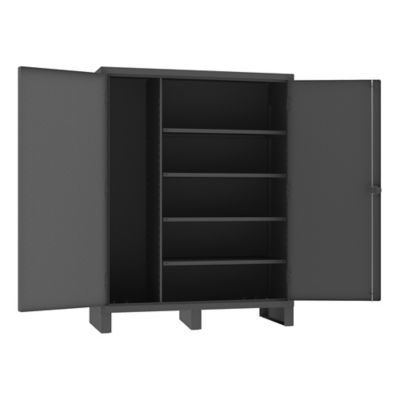
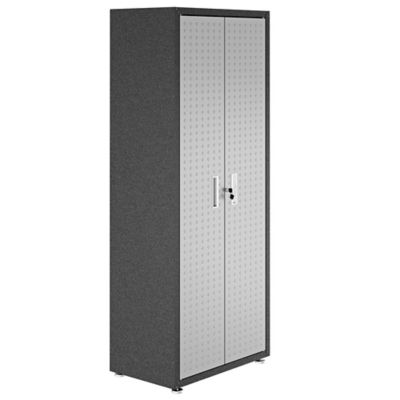
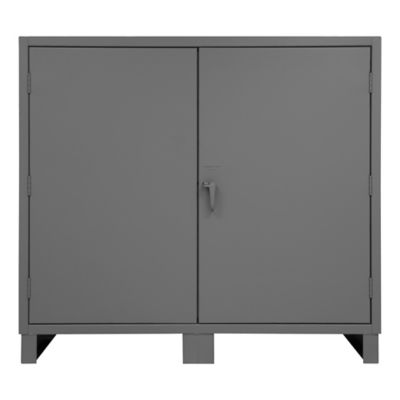
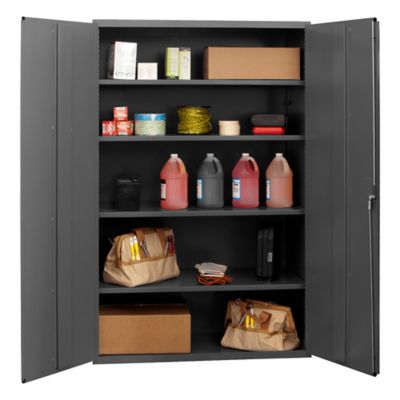
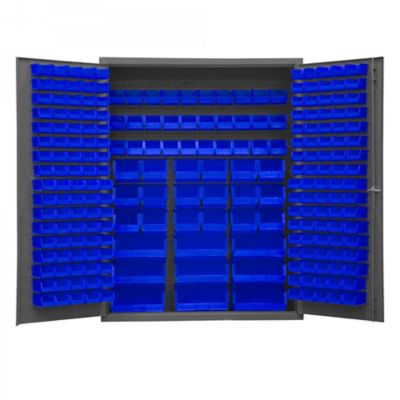
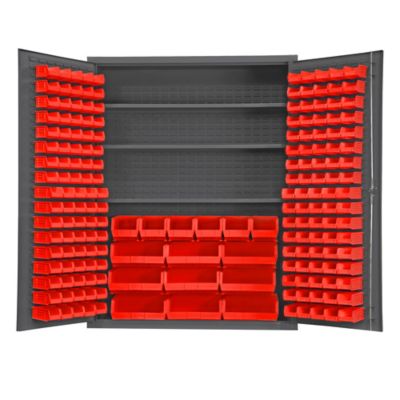
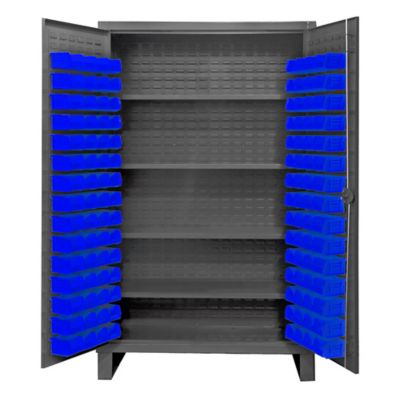
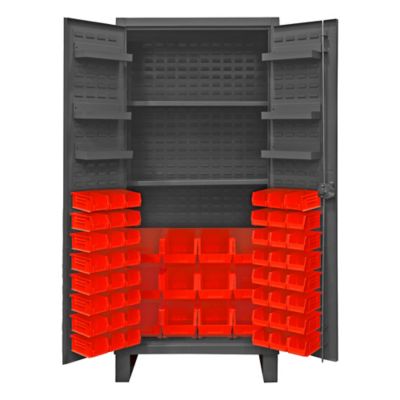
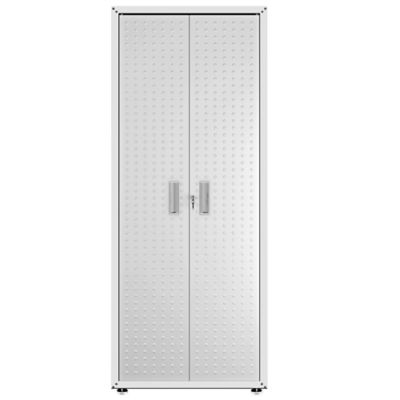
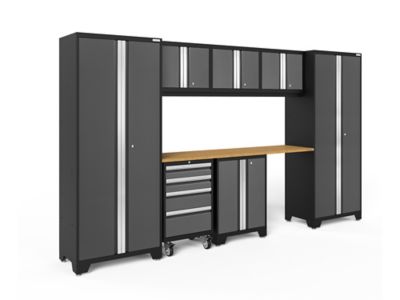
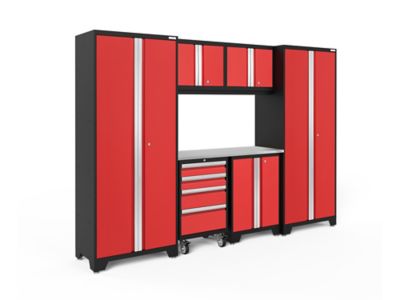
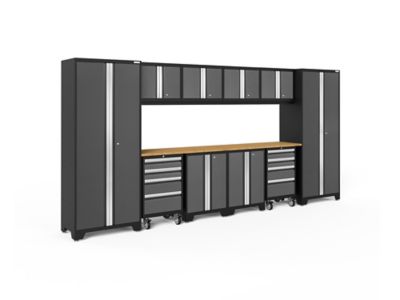
Metal shop cabinets provide enclosed storage for tools, hardware, and equipment in garages, farm shops, repair bays, and home workshops. They give everyday gear a place off the workbench and out of the main walking path, whether the next job is tightening a mower belt, repairing a gate, or sorting fasteners after an equipment teardown. A cabinet with solid doors can help limit settling dust and keep a busy shop looking less cluttered, though ordinary cabinet doors do not create an airtight seal. Open shelving keeps everything in sight; enclosed metal storage keeps the contents tucked away until the job calls for them. Both have their place, but cabinets are especially handy where small supplies tend to disappear behind larger equipment. For property owners, mechanics, woodworkers, and anyone maintaining a place with plenty of moving parts, a sensible layout means less time hunting for the right socket or spare fitting. Tall cabinets make room for larger supplies without taking up much wall space, while shorter cabinets can fit beneath a suitable work surface or beside an existing bench. Wall-mounted designs leave the floor beneath them open, and rolling designs bring storage closer to the work when their casters and load ratings suit the task. Locking doors add access control in shared spaces, although the protection depends on the cabinet body, hinges, and lock—not the presence of a key alone. Within the broader
Shop Cabinets category, metal construction is a practical fit for spaces where storage sees frequent handling and the occasional bump from shop equipment. The best arrangement follows the work itself: repair supplies near the bench, maintenance gear near the service area, and heavier equipment within easy reach without crowding a doorway. That kind of organization helps a small garage pull its weight and gives a larger shop clear places for the gear that several people may need throughout the day.
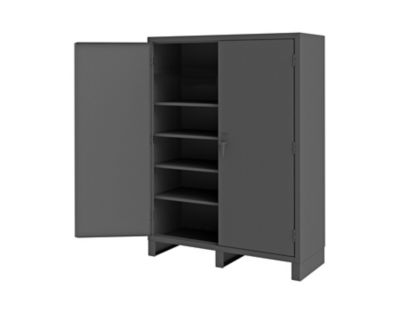
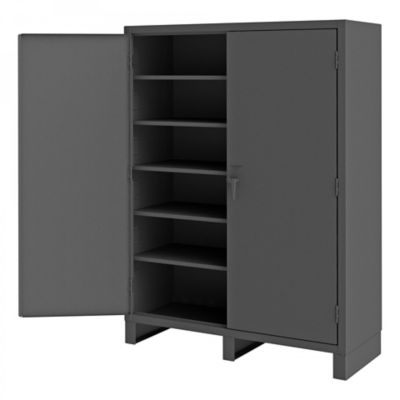
Construction details make a difference in how metal shop cabinets handle those everyday demands. Steel is common because it offers rigidity and supports a wide range of cabinet sizes and shelf arrangements. Where steel gauge is listed, a lower gauge number generally indicates thicker sheet steel, but thickness alone does not tell the whole story. Reinforced corners, welded or bolted joints, door construction, and shelf supports all contribute to how the cabinet carries a load. A powder-coated or painted finish helps protect the underlying metal, while bare edges, deep scratches, and chipped areas deserve attention before corrosion spreads. Aluminum construction can reduce cabinet weight and offers different corrosion characteristics, though load limits still depend on the complete design. Shelf capacity and total cabinet capacity are separate measurements, and both matter when storing dense hardware or heavy tools. A shelf that comfortably holds gloves and small containers may not be intended for a row of heavy metal parts. Adjustable shelves make it easier to accommodate changing equipment, while fixed shelves may provide added structural support in some designs. Door openings matter, too: a wide cabinet is less helpful if the center frame or hinge position makes a larger tool awkward to get through. Fit includes more than height, width, and depth. Doors need room to swing, drawers need clearance to extend, and nearby walkways need to stay open when someone is reaching inside. Handles, outlets, overhead shelves, and garage-door tracks can all affect placement. A cabinet beside a truck parking spot also needs enough clearance for vehicle doors and foot traffic. Freestanding cabinets may require anchoring, and wall cabinets need mounting hardware and framing appropriate for their loaded weight. Rolling cabinets need a clear travel path and casters suited to the floor surface, with brakes engaged for stationary work. Those practical details help storage feel like part of the shop rather than another obstacle to work around.
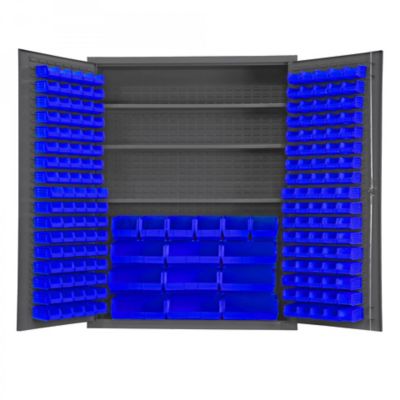
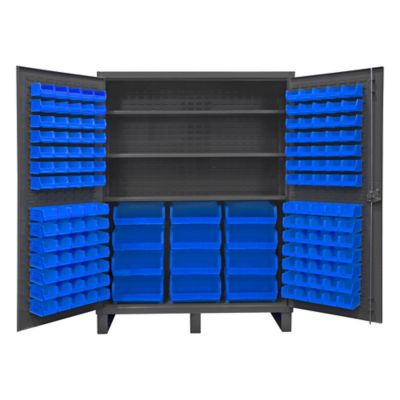
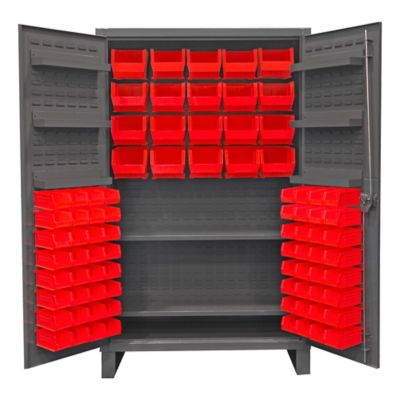
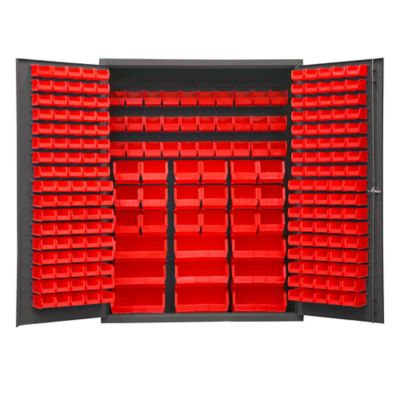
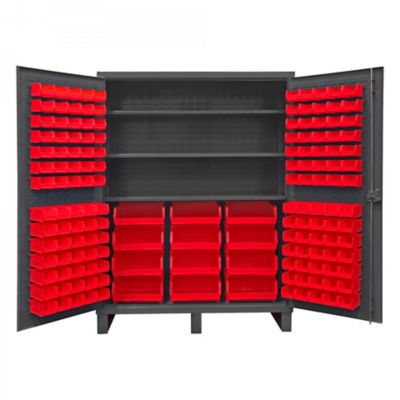
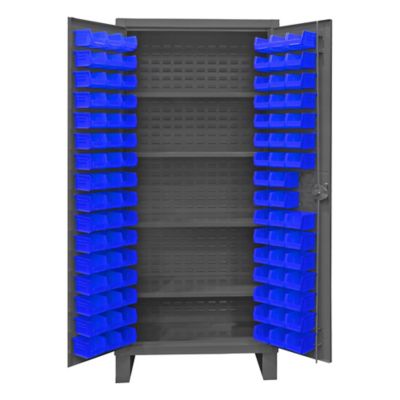
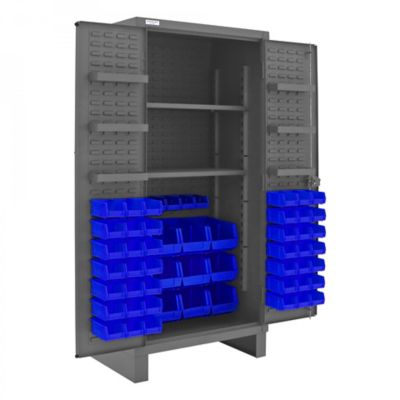
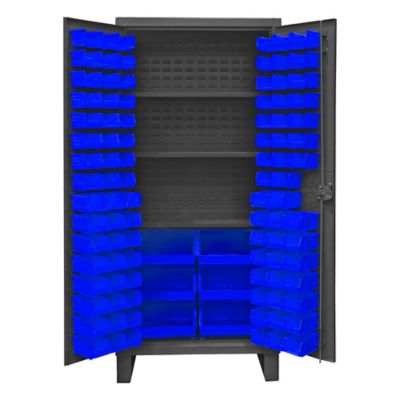
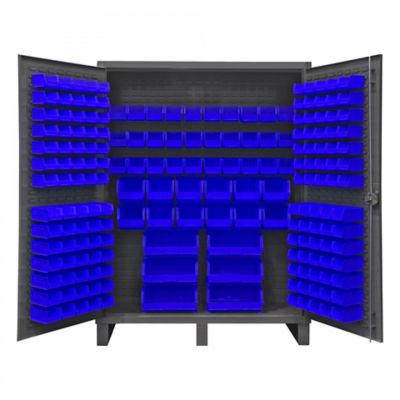
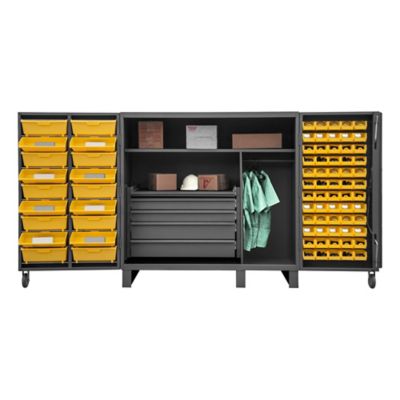
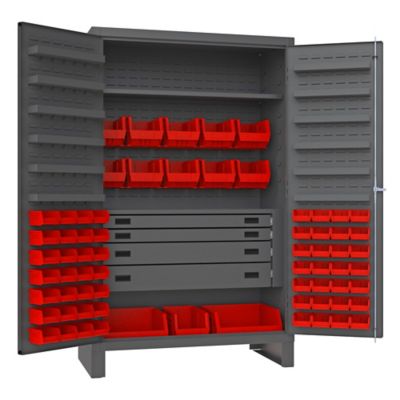
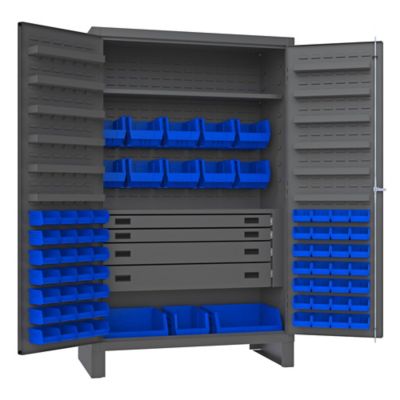
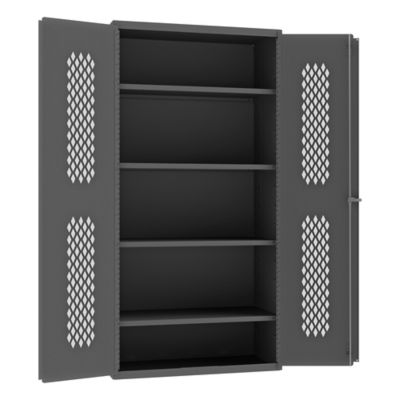
Inside the cabinet, a simple arrangement often works better than packing every inch. Heavy contents belong low, within the cabinet’s stated limits, while frequently needed tools belong where they can be reached without stretching or digging through a pile. Small bins keep washers, clips, and fittings from spreading across a shelf, and clear labels help everyone return supplies to the same spot. Leaving a little room around containers makes them easier to lift out, especially with work gloves on. In a shared farm shop, separate shelves for equipment maintenance and general repairs can prevent unrelated supplies from getting mixed together. In a home garage, a cabinet can keep project materials together between work sessions so the bench stays open for the next task. Cabinets with drawers can suit smaller hand tools, while deeper open compartments inside the doors can accommodate larger cases and equipment, depending on their dimensions. Pegboard-style interiors and door-mounted storage add organizing options on some designs, but door loads must stay within the manufacturer’s limits. Care is usually straightforward: wipe away dust, remove spills promptly, and dry surfaces after cleaning. Mild cleaners that suit the finish help avoid damage, and shelf liners can reduce scuffing when they do not trap moisture underneath. Hinges, drawer slides, locks, and casters benefit from occasional inspection and any maintenance specified by the manufacturer. Loose fasteners, a door that starts rubbing, or a caster that stops turning freely are worth addressing before the cabinet becomes harder to handle. Metal construction by itself does not make a cabinet suitable for flammable liquids or other materials that require purpose-rated storage. For ordinary shop gear, the goal is a cabinet that fits the space, carries the intended load, and makes the next repair easier to start. Strong construction and a workable layout help keep tools protected, supplies organized, and the workbench ready for the job at hand.