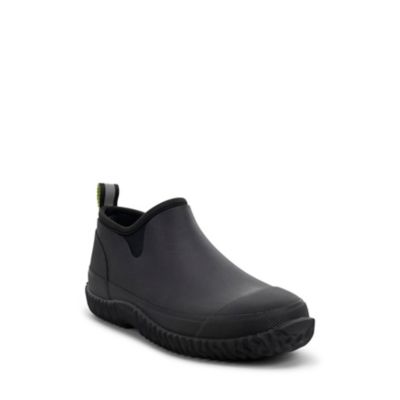
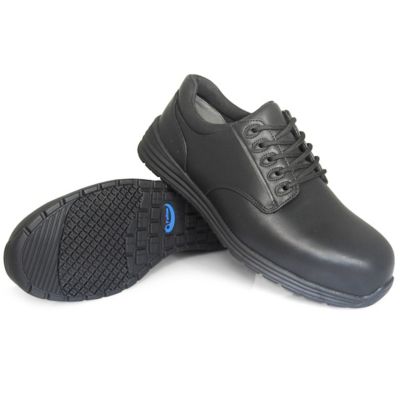
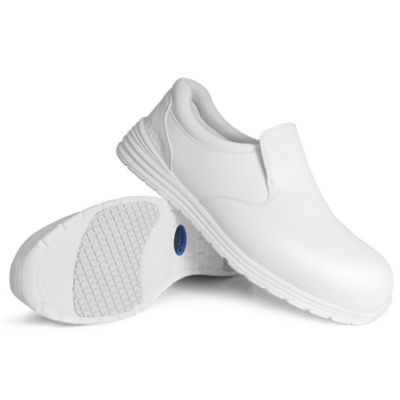
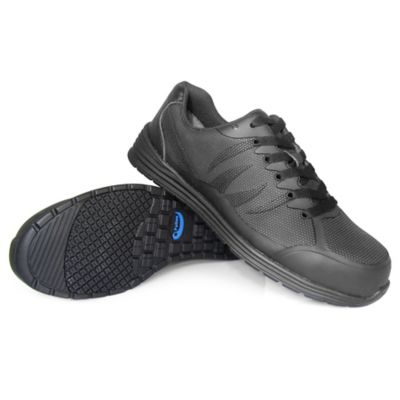
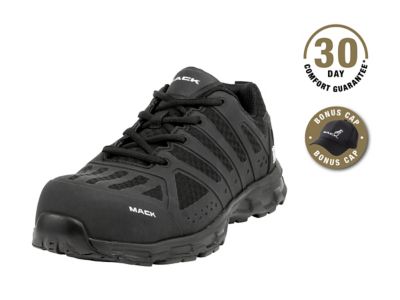
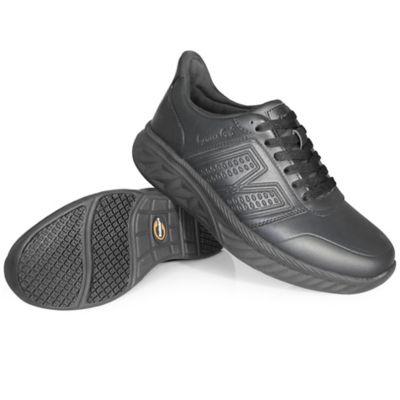
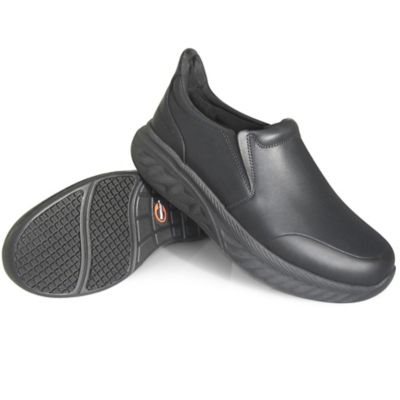
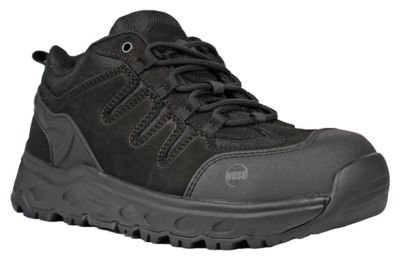
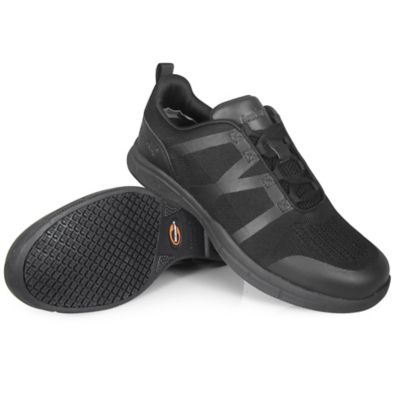
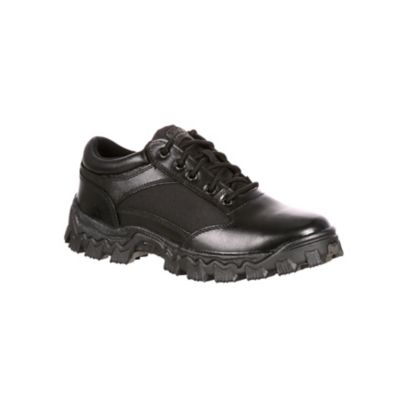
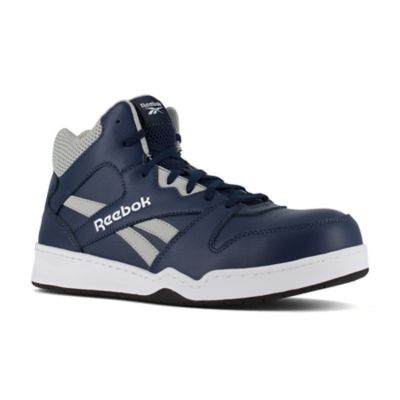
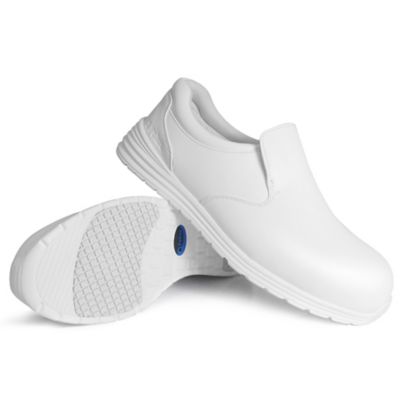
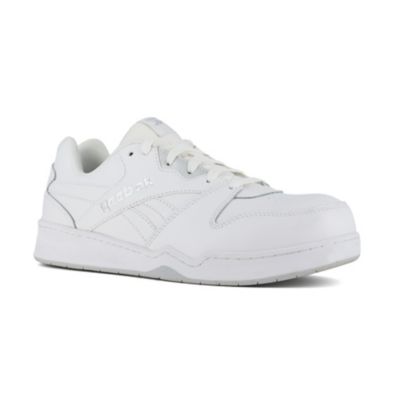
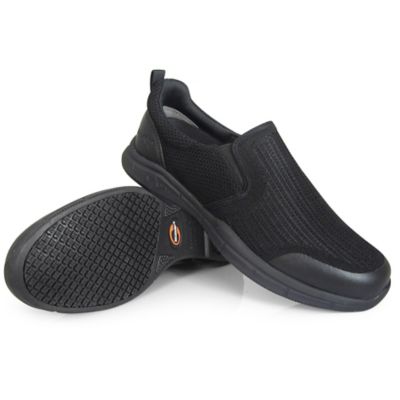
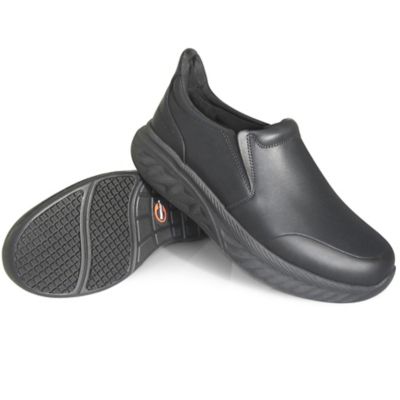
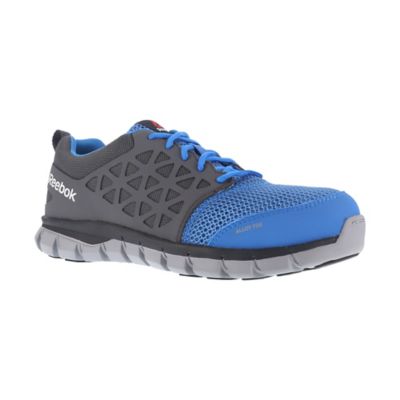
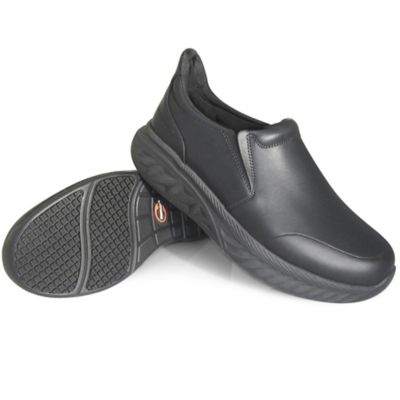
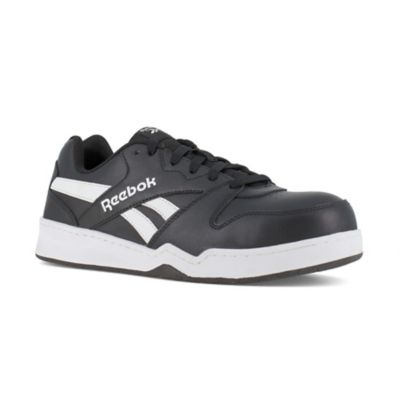
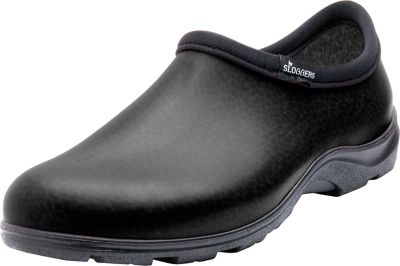
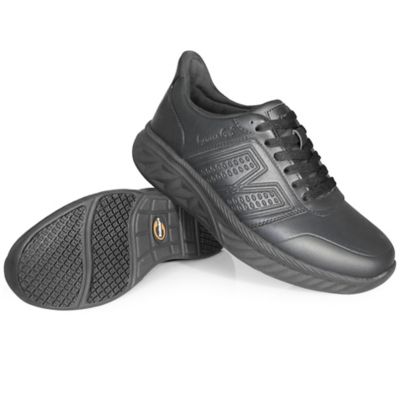
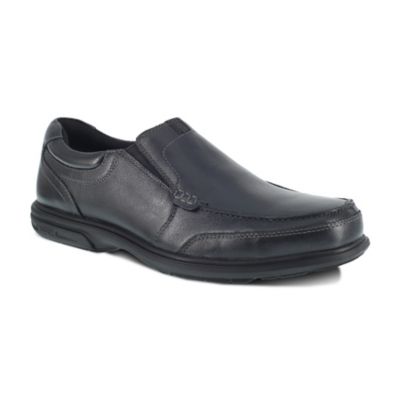
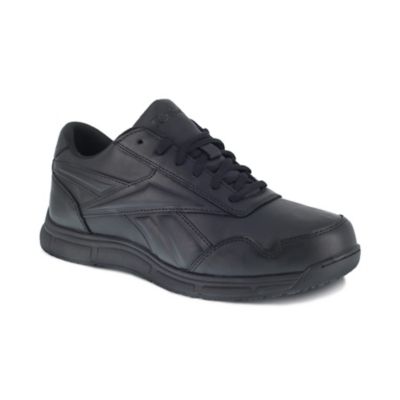
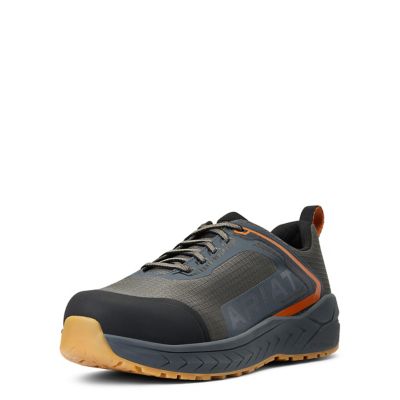
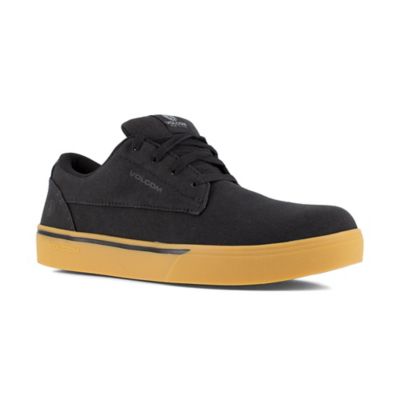
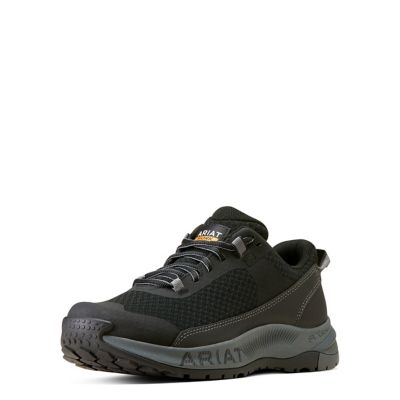
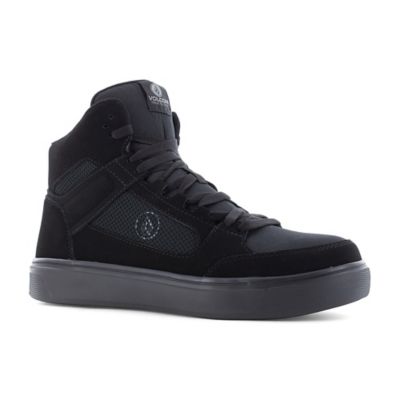
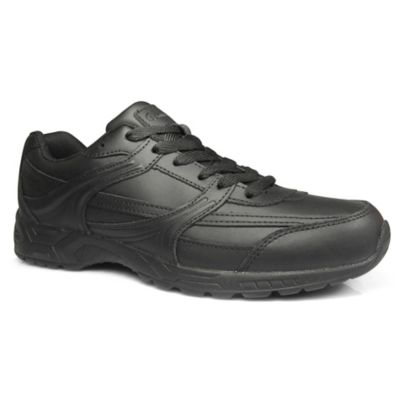
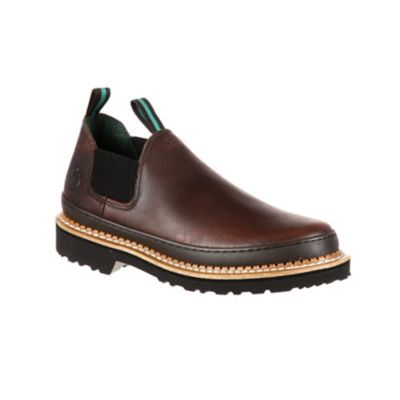
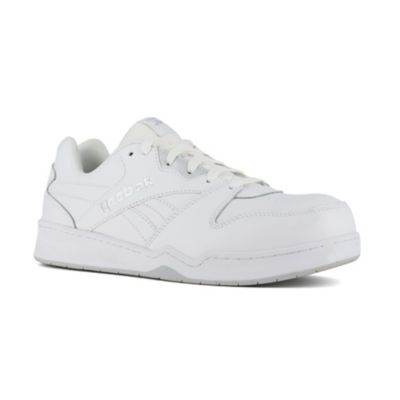
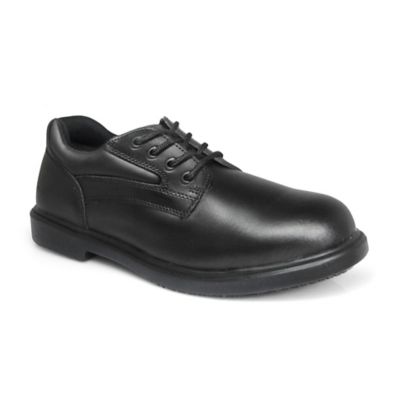
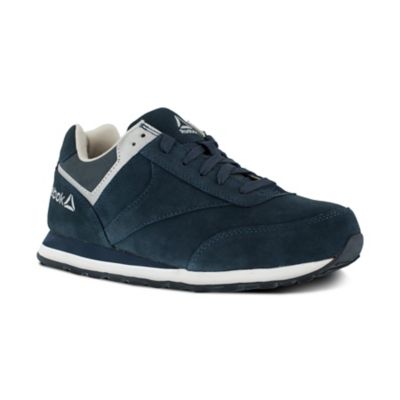
Shoes for janitors need slip-resistant outsoles, steady support, cushioning for long shifts, and uppers that suit the cleanup work at hand. Custodial work can mean walking school hallways, standing at a sink, pushing a loaded trash cart, or moving between restrooms and concrete service areas, all in the same shift. The right footwear needs to feel settled underfoot through those changes without getting in the way when there’s work to finish. Slip resistance matters on floors where water, soap residue, or other spills may be present, but performance depends on both the outsole and the surface. Rubber compounds and tread patterns vary, so a slip-resistant description is worth checking alongside any testing information and workplace requirements. No shoe makes a wet floor safe by itself; spill cleanup, floor signs, and careful footing still matter. Outsoles with channels can help move liquids away from the contact surface, while tread that stays clear of packed-in dirt can maintain better contact with the floor. A nonmarking sole can also matter in schools, offices, and public buildings, although nonmarking and slip-resistant describe different features. For custodians covering several buildings or making repeated rounds through a large facility, shoe weight is another practical consideration. A lighter shoe can feel less cumbersome over a long walking route, while a more structured work shoe or boot may suit duties that call for added support or protection. Low-cut shoes allow freer ankle movement when bending and reaching, and higher styles offer more coverage around the ankle. Neither shape is the best fit for every job. The daily route, floor surfaces, equipment, and employer’s footwear rules all help determine which features belong in a pair of janitorial work shoes. A custodian working mostly on smooth indoor floors may have different needs from someone hauling supplies through a receiving area or handling building maintenance alongside regular cleaning.
Materials make a difference when a shift includes splashes, dust, and frequent wipe-downs. Smooth leather and some synthetic uppers have fewer places for grime to settle than open fabric constructions, and their surfaces can be easier to wipe clean when cared for as directed. Leather generally benefits from appropriate conditioning, while synthetic materials need cleaning methods suited to their finish. Mesh panels can provide ventilation, though exposed mesh may be less practical where liquid splashes are common. Water-resistant footwear can help with light splashes, but water resistance is not the same as waterproof construction. Waterproof designs rely on the complete shoe construction, including seams and closures, rather than the upper material alone. Neither label establishes protection against cleaning chemicals. Custodians handling disinfectants, degreasers, or other concentrated cleaners need footwear appropriate to the substance and the workplace’s protective equipment requirements. Cleaning-product labels, safety data sheets, and employer guidance take priority over a general work-shoe description. Toe protection also depends on the assignment. Soft-toe shoes may suit routine floor care and trash collection where protective toes are not required, while moving heavy equipment or working around certain maintenance hazards may call for safety-toe footwear. Steel and composite safety toes are options to compare by their marked protection rating, fit, and weight, not by appearance alone. Electrical hazard footwear serves a specific protective role under defined conditions and does not replace other electrical safety measures. For any required protection, the shoe’s marked standard and intended application need to match the job. Construction details matter for everyday wear, too. Reinforced areas around the toe and heel can help manage repeated scuffing, while secure stitching and well-bonded soles deserve attention on footwear that spends hours bending, walking, and pushing against the floor. A smooth upper, protected seams, and a sole suited to the task can make routine upkeep less of a chore after a busy shift.
Comfort in custodial shoes comes from the whole fit, not just a soft footbed. Cushioning can soften the feel of repeated steps on hard floors, while a supportive midsole and stable heel help keep the foot from feeling loose inside the shoe. An overly soft feel is not always helpful when turning a floor machine, carrying supplies, or standing in one spot for an extended stretch. Arch support should feel comfortable rather than like a hard lump, and the shoe should bend comfortably near the ball of the foot. There needs to be room for toes to spread without sliding forward, along with enough heel hold to limit rubbing. Trying footwear with the socks worn on the job gives a better sense of fit, especially toward the end of the day when feet may be fuller. Width matters as much as length; sizing up to solve a tight forefoot can leave extra space at the heel. Removable footbeds can be useful for people who wear orthotics, provided the replacement insert fits without crowding the toes or lifting the heel too high. Lace-up styles allow adjustment across the foot, while slip-on designs depend on a snug, comfortable hold through the heel and instep. Any laces need to stay secured and clear of moving equipment. Shoe care supports both comfort and service life: clearing debris from tread, wiping away residue with suitable cleaners, and allowing footwear to dry according to the maker’s directions help keep it ready for the next shift. Smooth patches on the outsole, separating seams, a flattened midsole, or a heel that no longer holds its shape can signal that a pair needs attention or replacement. Facilities staff whose duties also include entry checks or patrol rounds may find related footwear considerations on the
Shoes for Security Guards page. For janitors, the best match remains grounded in the actual work: steady footing, room to move, manageable cleanup, and comfort that holds up through the last hallway of the shift.