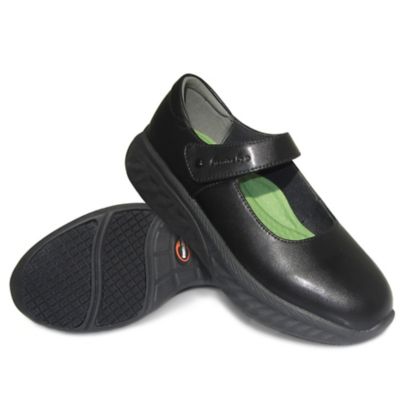
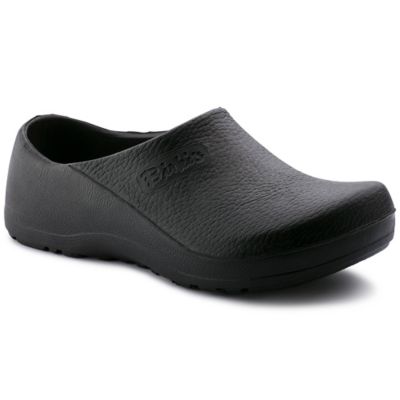
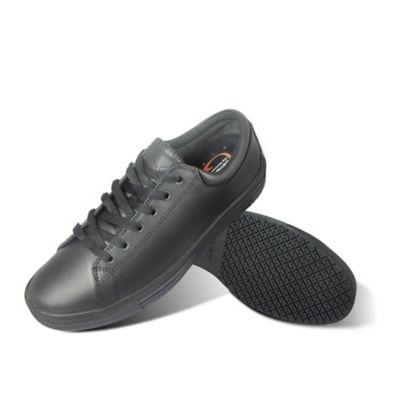
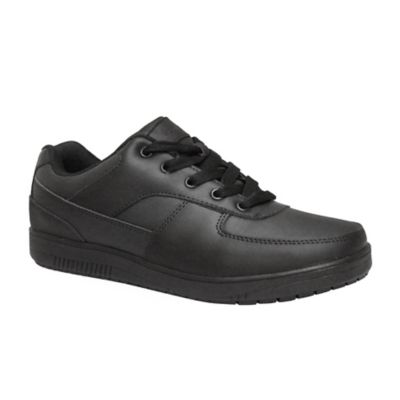
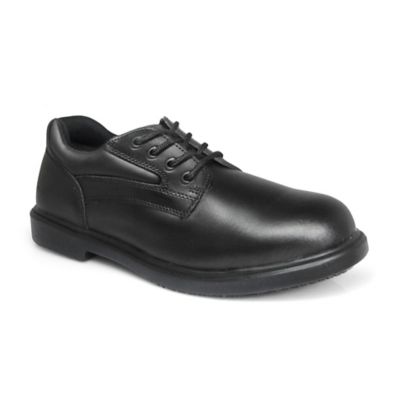
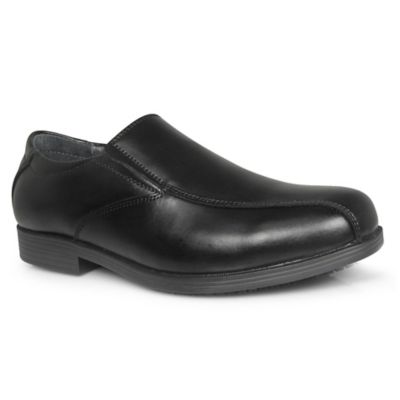
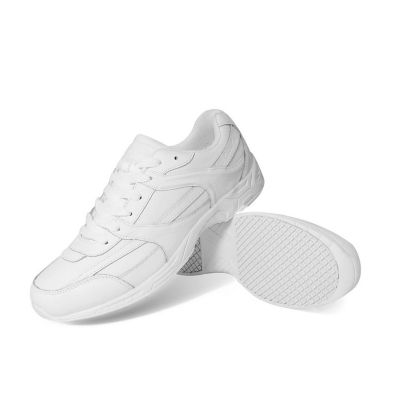
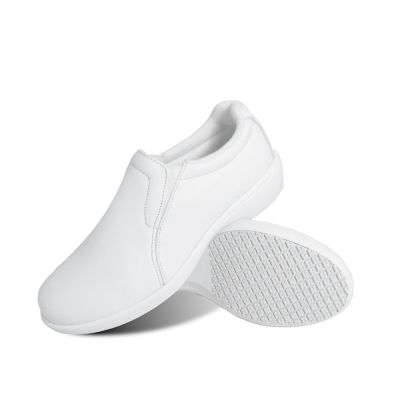
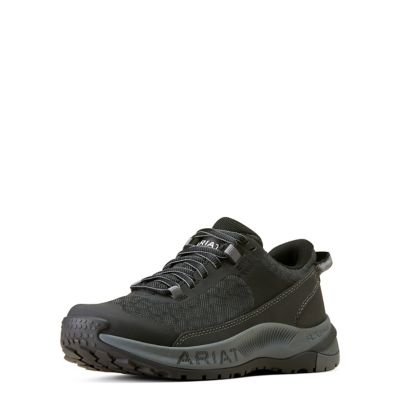
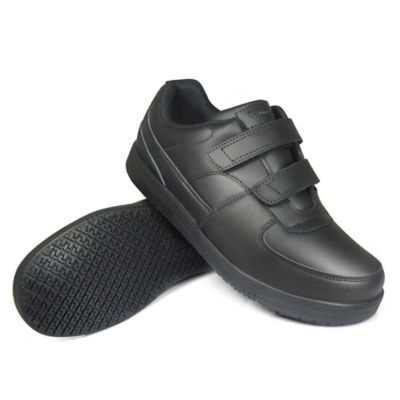
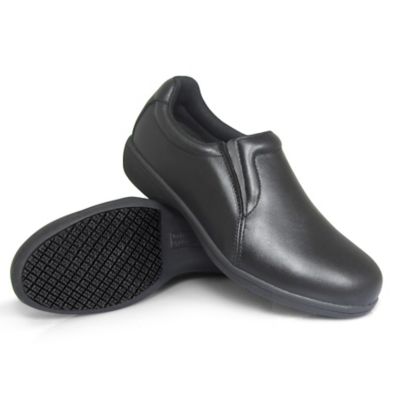
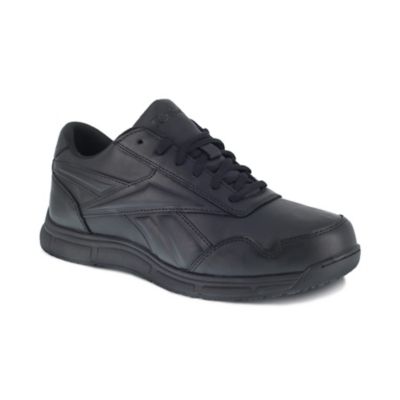
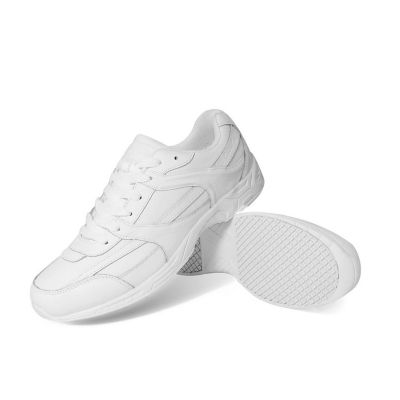
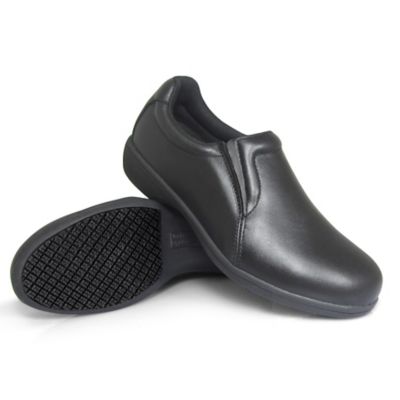
Shoes for the hospitality industry need to match the job, with slip-resistant outsoles, a secure fit, and support suited to long stretches of standing and walking. Kitchen crews, restaurant servers, hotel housekeepers, bartenders, and front-desk staff all spend plenty of time on their feet, but their footwear needs can differ. In a kitchen, closed uppers that wipe clean and outsoles designed for slick floors matter when the work takes you between prep counters, sinks, and cooking stations. On the dining-room floor, lighter shoes with a steady heel and enough flexibility for quick turns can help keep a busy shift moving. For dining-room roles,
Shoes For Servers brings the focus to footwear suited to carrying trays, walking between tables, and spending hours on hard flooring. Hotel staff may need a polished appearance alongside cushioning, especially when moving between a lobby, service hallway, and guest rooms. Slip resistance deserves a closer look across all these jobs. Tread pattern, outsole material, floor finish, and the substance underfoot all affect traction; a deep tread alone does not tell the whole story. Water, cooking oil, and food residue create different challenges, so documented slip-testing information is more useful than appearance alone. No shoe makes a slick surface safe in every situation, and clean floors still matter. Workplace rules also shape the choice, from closed toes and covered heels to a required color or a particular level of foot protection. A soft-toe work shoe is not a substitute for safety footwear where an employer requires impact or compression protection. Lace-up shoes, work clogs, and slip-on styles each have a place, provided their construction and fit suit the work. A pair that feels steady while reaching across a counter may feel different while pushing a loaded housekeeping cart or walking quickly with a full tray. Matching the shoe to those everyday movements matters more than choosing by looks alone.
Comfort in hospitality footwear starts with how the shoe holds the foot, not simply how soft it feels at first. A roomy toe box gives toes space to spread without letting the whole foot slide around, while a snug heel helps limit rubbing during repeated trips across a restaurant or hotel. Width matters as much as length, particularly for people whose feet feel crowded along the outside edge or across the ball of the foot. Fit is best judged with the socks worn on the job and, when practical, later in the day after normal activity. There should be space at the toes without a loose, sloppy feel through the middle of the shoe. Laces offer adjustment across the instep, while slip-on designs depend more heavily on the shape of the upper and heel opening. Cushioned midsoles can soften the feel of hard tile and concrete, but very soft cushioning is not automatically the right match for every worker. A stable base can feel more planted when carrying plates, handling linen carts, or standing at a prep station. Arch contours also vary, and support should feel comfortable rather than like a hard ridge pressing into the foot. Removable footbeds can make room for a compatible replacement insole or an existing orthotic, as long as the change does not crowd the toes or lift the heel out of position. Upper materials bring their own trade-offs. Smooth leather can suit a dressier service uniform and often wipes clean readily, though it needs care appropriate to its finish. Synthetic uppers may offer a lighter feel and straightforward cleanup, depending on their construction. Fabric panels can allow more airflow, but open mesh is not the right choice for every spill-prone workspace. Seams, lining, and the collar around the ankle matter, too. A rough edge that seems minor during a short try-on can become distracting after hours of steady movement, and persistent pinching should not be written off as something that will simply disappear.
Shoes that handle hospitality work well also need construction and care suited to the mess that comes with the job. Repeated bending at the forefoot, scuffs from chair legs, and contact with cleaning solutions can take a toll on uppers, seams, and soles. Reinforcement around high-wear areas can help protect those spots, while a flexible forefoot allows a more natural walking motion. Outsole edges and the connection between the upper and sole deserve attention because lifting, cracking, or separation can interfere with footing. Cleanup should follow the footwear maker’s directions rather than a one-method-fits-all approach. A damp cloth may be enough for routine marks on a smooth upper, while leather treatments should match the material and finish. Fabric and synthetic materials can have different cleaning requirements, and machine washing is appropriate only when the care instructions allow it. Tread needs attention as well: food bits and packed-in grime can keep the sole from making proper contact with the floor. Removing that buildup helps the outsole work as intended, without treating slip resistance as a guarantee. After cleaning, shoes generally need time to dry away from direct heat, which can damage some materials and adhesives. Removable footbeds, when included, can be taken out according to care directions to help the interior dry. Keeping laces tied and tucked clear of equipment is another small detail that matters around carts, shelving, and narrow kitchen aisles. Over time, flattened cushioning, worn tread, a leaning heel, or a lining worn through at the back can signal that a pair no longer fits or performs the way it once did. For someone working a breakfast counter, a banquet hall, or a small-town restaurant, the right hospitality shoes combine practical traction, comfortable support, and an appearance that fits the workplace. They should stay out of the way so attention can stay on the next table, the next room, and the work at hand.