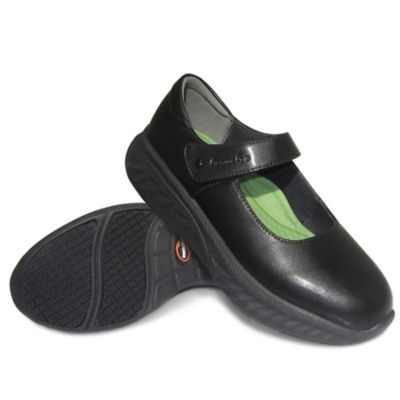
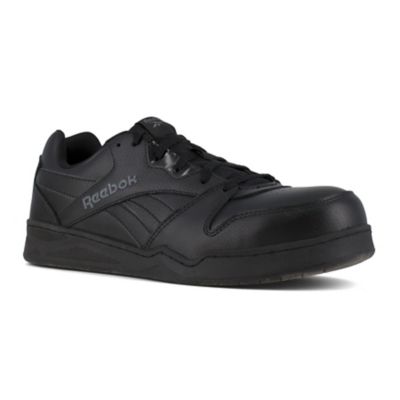
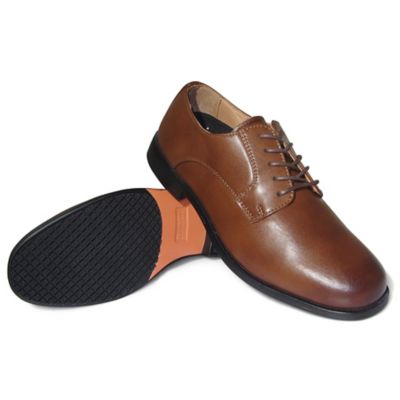
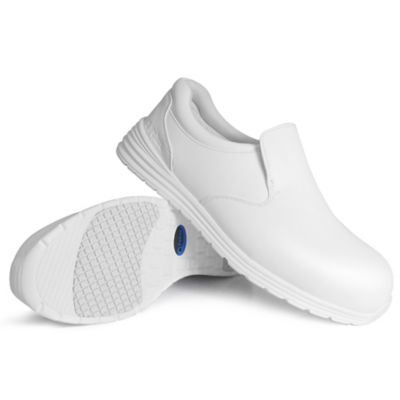
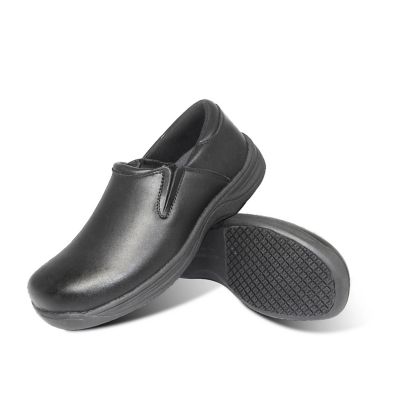
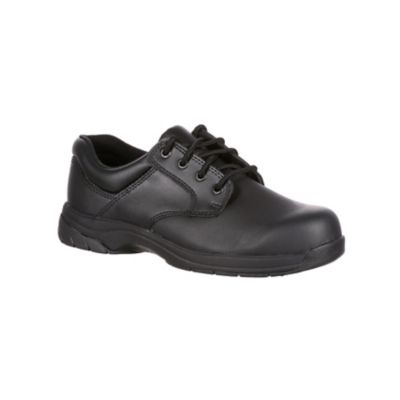
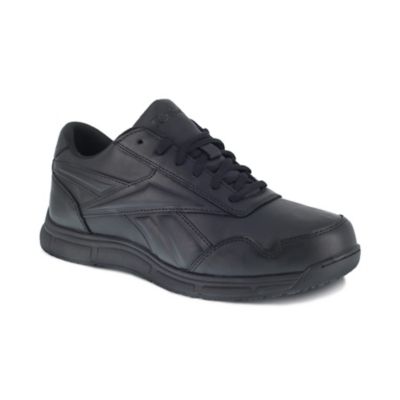
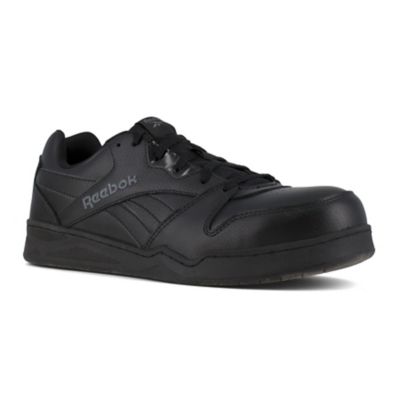
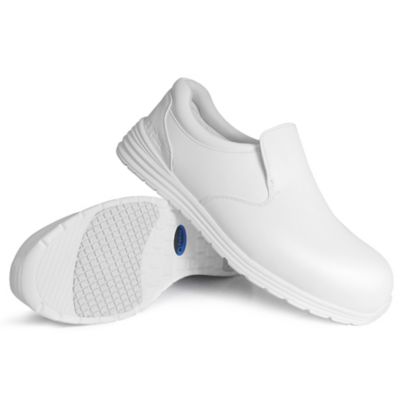
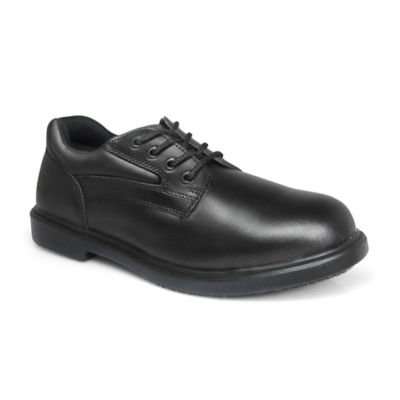
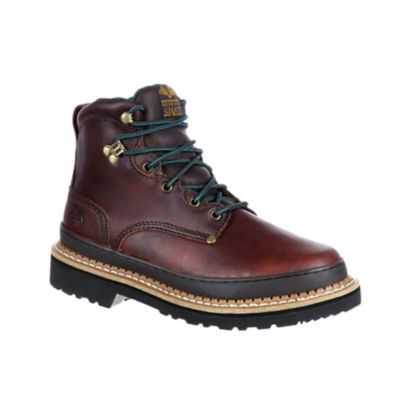
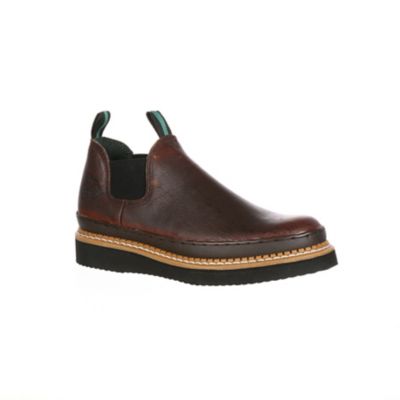
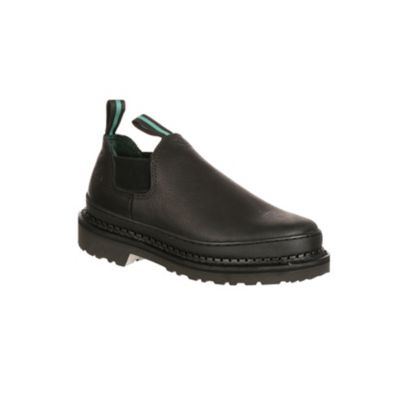
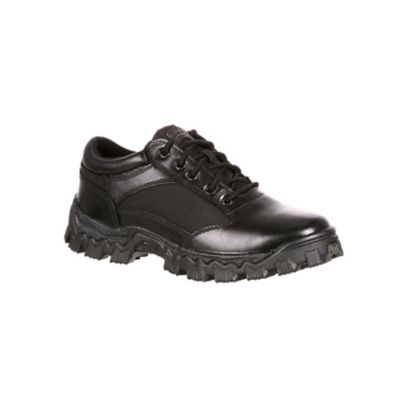
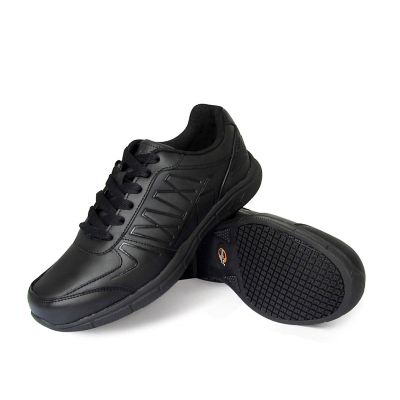
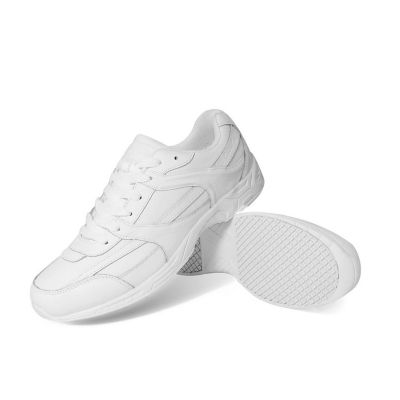
Shoes for servers need to handle long stretches on hard floors, quick turns between tables, and the steady back-and-forth of a busy dining room. The most useful features are slip-resistant outsoles, cushioning that stays supportive underfoot, and a secure fit that keeps the foot from sliding inside the shoe. Whether the job is carrying breakfast plates at a roadside diner or working a banquet with a full tray, footwear should feel steady without being heavy or stiff. Restaurant floors present different challenges within just a few steps: smooth tile near the drink station, a damp patch beside the dish area, and a floor mat at the kitchen entrance. Outsoles designed for slip resistance can help provide traction, but no shoe can prevent every slip. Performance depends on the floor surface, spills, tread condition, and how the shoe has been tested. A slip-resistant designation and clear information about testing are more meaningful than a rugged-looking sole alone. Deep tread meant for outdoor ground is not automatically the right tread for a restaurant floor. Channels that help move liquid away from contact points, along with an outsole compound suited to the workplace, matter more than an aggressive appearance. Shoes for servers also need to match the employer’s footwear rules, which may call for closed toes, enclosed heels, a particular color, or specific slip-resistance requirements. Lace-up athletic styles can suit fast-paced shifts with plenty of walking, while work clogs and slip-on styles offer a different feel and fit. Neither shape is the best choice for every foot or every workplace. For dining-room staff,
Non Slip Shoes For Waiters share the same basic priorities: work-ready traction, steady support, and a neat appearance that fits the uniform. A low, broad heel and a stable base can also make standing at a service station feel more settled than a narrow or elevated heel.
Upper materials affect how server shoes feel through a shift and how much effort goes into keeping them presentable. Leather uppers can offer structure and a smooth surface that wipes clean, though their care needs depend on the finish. Synthetic uppers often provide a similarly smooth exterior with their own cleaning requirements. Textile and mesh panels can allow more airflow, but open fabrics may offer less protection from splashes and can hold stains more readily. Water-resistant footwear can help with occasional moisture, but that description does not mean the shoe is waterproof or protective against hot liquids. A closed upper with fewer exposed openings may better suit work around drinks and food spills, provided it meets the workplace dress code. Reinforced stitching, secure upper-to-sole construction, and coverage around high-wear areas can help footwear stand up to repeated bending and contact with chair legs or service carts. Inside the shoe, lining seams and heel padding deserve attention because a small pressure point can become a real nuisance after several hours. Fit should leave room for the toes to spread without letting the heel lift noticeably with each step. Feet can expand during a long day, so a pair that feels snug before work may feel tighter toward the end of a shift. Trying footwear with the same socks worn on the job gives a better sense of the space available. Width matters as much as length; sizing up does not always solve pressure across the forefoot and may create extra movement at the heel. Laces allow adjustment across the instep, while slip-on designs depend more heavily on the shape of the opening and how well the upper holds the foot. A removable footbed can make room for an appropriate replacement insert, although the shoe still needs enough depth to avoid squeezing the toes or lifting the heel out of position. Familiar sizing is only a starting point, since fit can vary between footwear styles.
Comfort during restaurant work comes from more than a soft first step. Cushioning helps soften contact with hard flooring, while a supportive midsole and well-fitting heel help keep the shoe from feeling loose or wobbly. Very soft cushioning may feel pleasant at first but can feel less stable during quick direction changes or long periods of standing. Arch support should suit the wearer’s foot rather than press sharply into one spot, and the sole should bend comfortably where the forefoot bends. Shoe weight also matters when a shift includes repeated trips from the kitchen to the far end of the dining room. At the same time, a light shoe still needs enough structure for the work. Long wear is easier on footwear when spills and food residue are cleaned away before they settle into seams or tread. Cleaning methods should match the upper material and the manufacturer’s directions; soaking, harsh chemicals, or machine washing can damage footwear that is not designed for them. A soft brush can help clear debris from outsole channels, while removable footbeds may need separate care. Shoes should dry fully before the next wear, away from direct heat that can affect uppers, adhesives, and cushioning. Rotating between pairs, when practical, gives damp linings more time to dry. Wear checks matter just as much as cleaning. Flattened tread, separating soles, damaged heel linings, or cushioning that feels compressed can signal that a pair is no longer doing its job as well. A shoe may still look tidy from across the dining room while losing support or traction underneath. For restaurant servers, catering crews, bussers, and counter staff, the right footwear balances those everyday details with the demands of the shift. A secure fit, suitable materials, manageable care, and traction matched to the workplace help make shoes a practical part of the work uniform, from the first table setting through the last walk back to the kitchen.