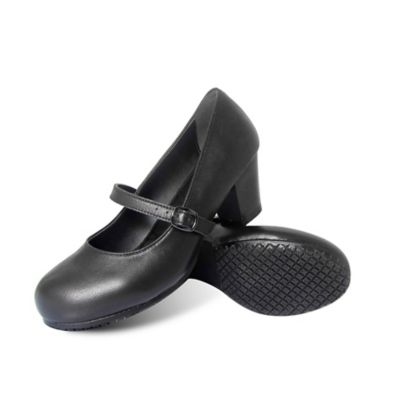
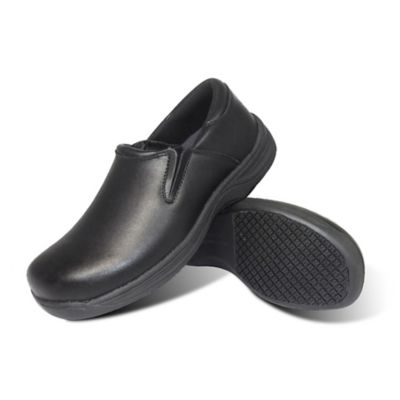
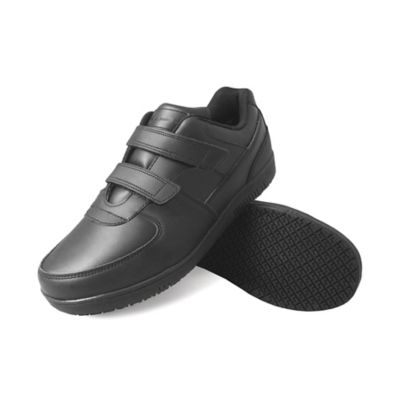
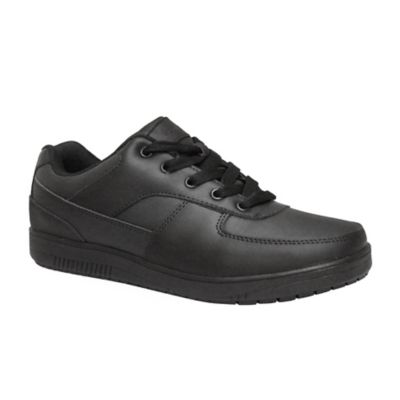
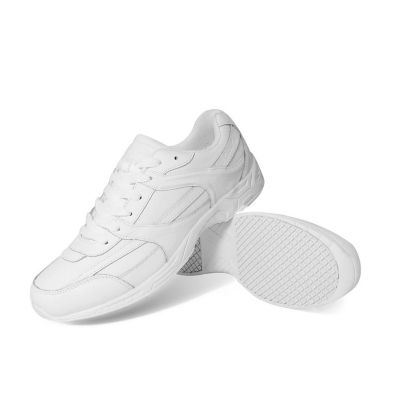
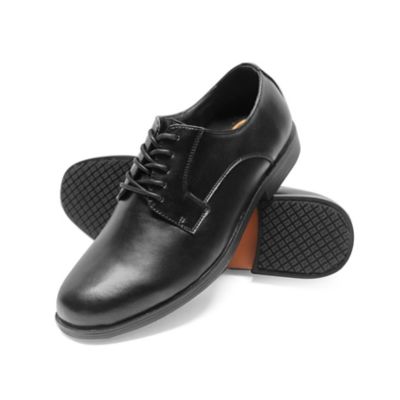
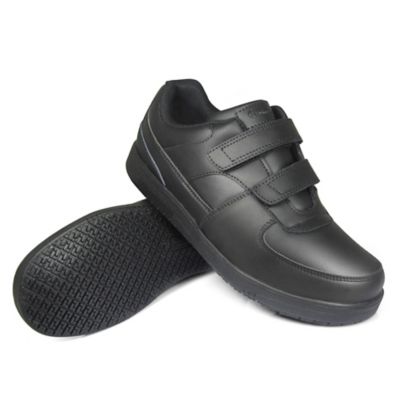
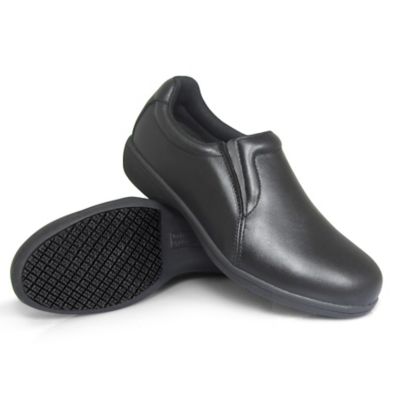
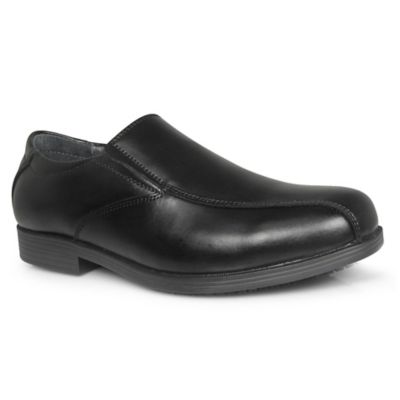
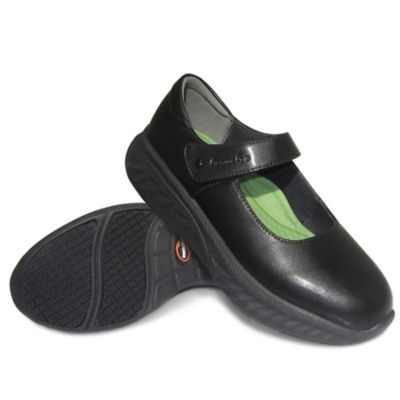
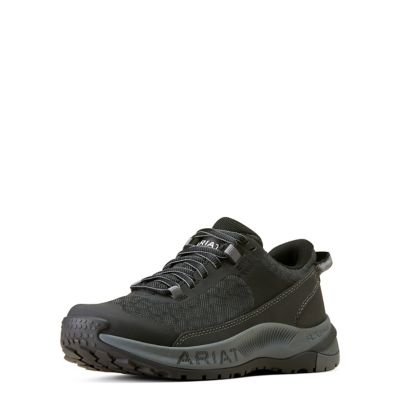
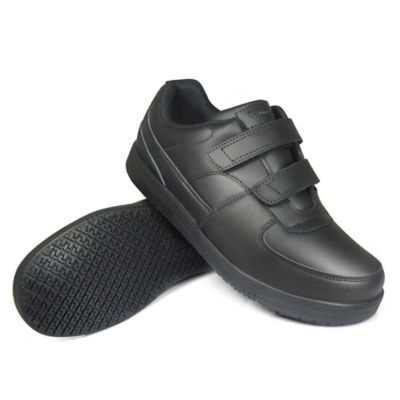
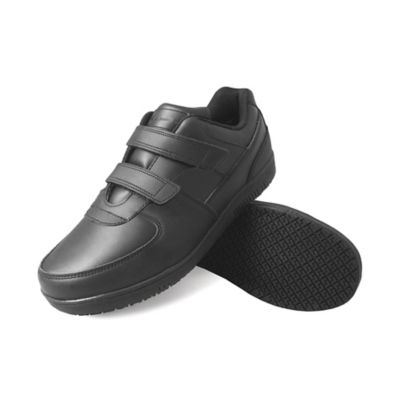
Comfortable shoes for doctors often fall into three broad groups: cushioned athletic-style shoes, slip-resistant work shoes, and structured clogs. The best match depends on the workday, the fit, and the footwear requirements of the hospital or practice. A physician making rounds may cover long hallways, climb stairs, and move between patient rooms for hours. Another may spend much of a shift standing beside an exam table or procedure chair. Both need comfort on hard floors, but walking comfort and standing comfort do not always feel the same. Cushioned midsoles help soften each step, while a stable base keeps the foot from feeling as though it is sinking or rocking from side to side. More padding is not automatically better; a shoe still needs enough structure to feel steady during turns, quick stops, and stretches of standing still. Athletic-style shoes can suit walking-heavy schedules when workplace rules allow their materials and construction. Work shoes often emphasize secure coverage, practical cleaning, and traction, while structured clogs offer a roomy forefoot and a firm platform that some doctors prefer. Open-back styles are not appropriate for every clinical setting, so heel coverage and facility requirements matter as much as the overall feel. Slip-resistant outsoles are another useful consideration around smooth floors and areas where spills may happen. They can help with traction, but no outsole makes every surface safe, and tread performance depends on the flooring, contaminants, and condition of the shoe. Closed toes, a secure heel, and enough room to move naturally help round out a practical pair. For doctors moving from a small-town clinic to hospital rounds, or from office visits to an on-call shift, the goal is straightforward: shoes that stay comfortably in place and suit the tasks ahead without constant adjusting. A pair that feels fine for a quick walk across the room may feel quite different after several hours, which makes support through the heel, midfoot, and forefoot worth considering together rather than judging comfort by softness alone.
Fit brings all those features together. Comfortable shoes for doctors should leave room for the toes to spread without letting the foot slide forward whenever the pace picks up. The heel should feel secure rather than rubbing or lifting with every step, and the upper should hold the midfoot without squeezing it. Feet can become fuller over the course of a long day, so a fit that starts out tight may become harder to tolerate before the last appointment. The socks worn at work also affect the feel, especially around the toe box and across the top of the foot. Width matters just as much as length; going up a size may add extra space in front without addressing pressure along the sides. Laces give more control over how closely a shoe wraps the foot, while slip-on designs depend more heavily on the shape of the opening and the way the heel is held. Materials bring their own trade-offs. Mesh and knit uppers allow airflow and often feel flexible, but their suitability depends on the workplace’s requirements for fluid exposure and cleaning. Smooth leather and synthetic uppers may be easier to wipe down, though cleaning methods still need to match the material. Water resistance does not mean a shoe is waterproof, and neither feature alone establishes whether it meets a facility’s protective-footwear rules. Inside, a smooth lining and well-placed seams can make a difference when the same spot meets the foot thousands of times a day. Removable insoles can provide room for an appropriate replacement insert or prescribed orthotic, provided the shoe has enough depth and the heel remains secure. Arch support is personal, too: a firm contour that suits one foot may feel intrusive under another. Persistent pain deserves attention from a healthcare professional rather than simply adding thicker cushioning. For everyday wear, a balanced combination of cushioning, flexibility, and support usually matters more than any single feature listed on a label.
Long shifts also put stitching, uppers, soles, and cushioning through plenty of wear. Reinforced areas around the toe and heel can help a shoe handle repeated bending and everyday scuffs, while sound sole attachment matters through miles of hallway walking. Wear patterns tell part of the story: tread that has flattened at the heel, an upper that no longer holds the foot securely, or cushioning that feels noticeably compressed can change how a pair performs. There is no single replacement schedule that fits every doctor, since walking distance, flooring, body weight, gait, and time on the feet all affect how quickly footwear wears down. A pair may still look tidy while feeling flatter or less steady than it once did. Care matters along the way. Cleaning according to the manufacturer’s directions helps protect the materials, whether that means wiping a smooth upper or following specific instructions for a washable style. Not every shoe belongs in a washing machine, and strong disinfectants can damage some finishes, adhesives, and fabrics. Facility infection-control rules take priority in clinical areas, including any requirements for cleaning or changing footwear. Letting shoes dry fully before the next wear and keeping them away from direct heat can help preserve their shape and construction. Removable insoles may need separate drying or cleaning when the care instructions permit it. Doctors share many of these practical footwear needs with nurses, technicians, and other care staff, making
Shoes For Hospital Workers a related category for the whole team. Comfortable work footwear can also be a thoughtful gift for a medical school graduate or a physician starting a new role, though foot shape, preferred support, and workplace rules make personal input especially helpful. Whether the day involves a packed appointment book, bedside conversations, or repeated trips between departments, the right combination of fit, grip, coverage, and manageable care keeps the focus on the job instead of the shoes.