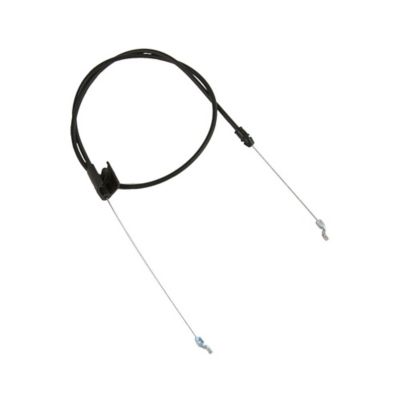
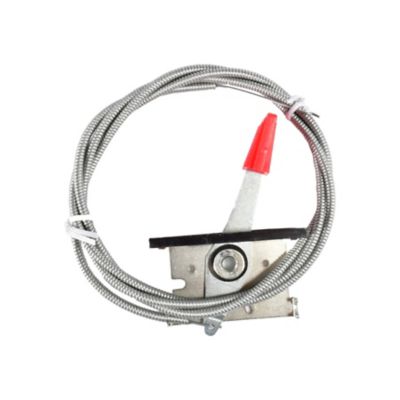
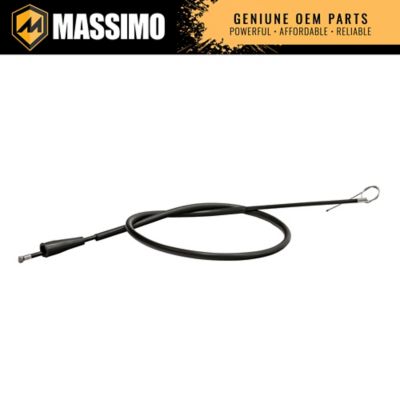
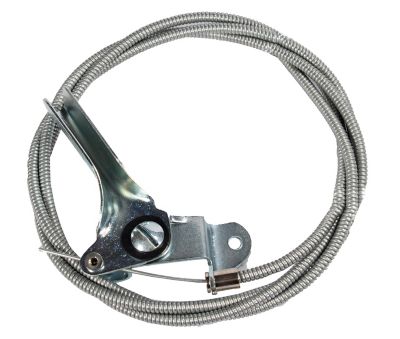
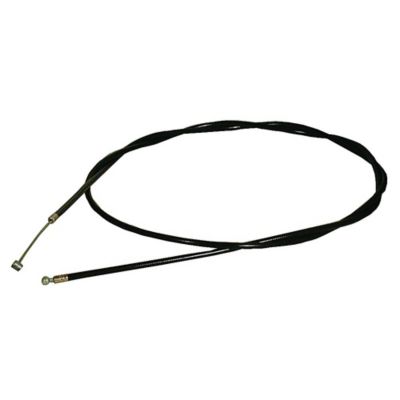
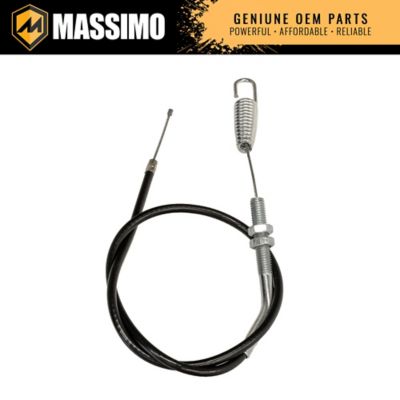
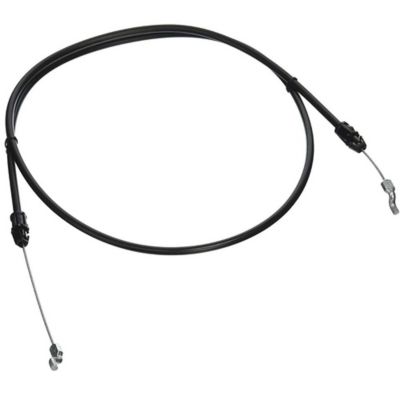
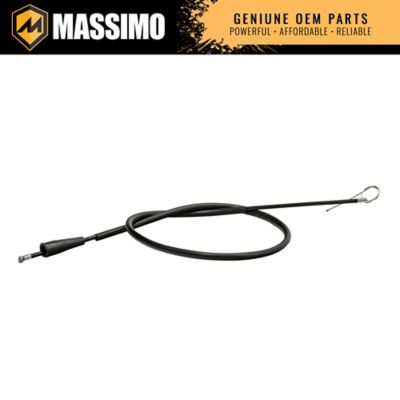
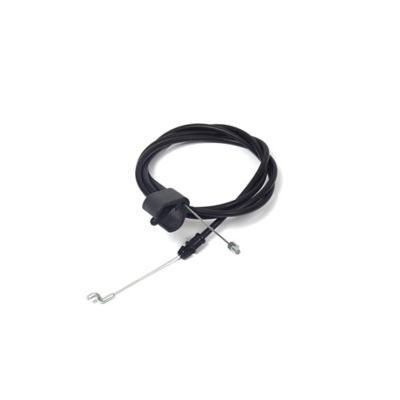
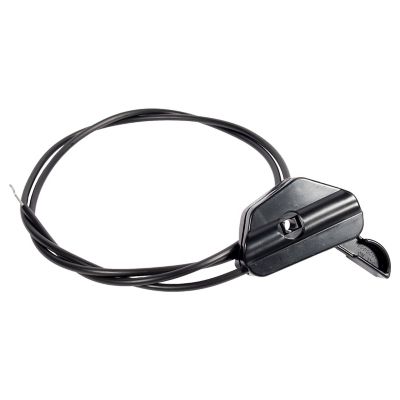
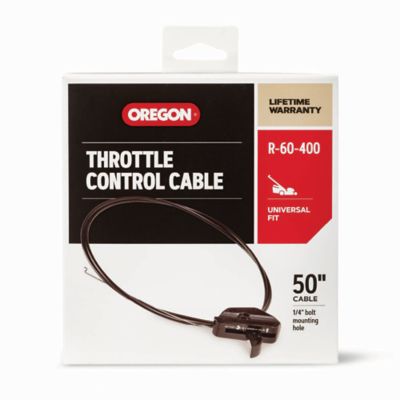
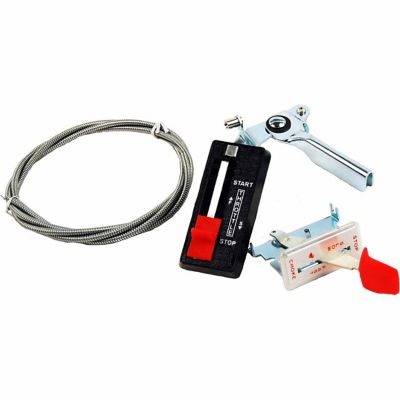
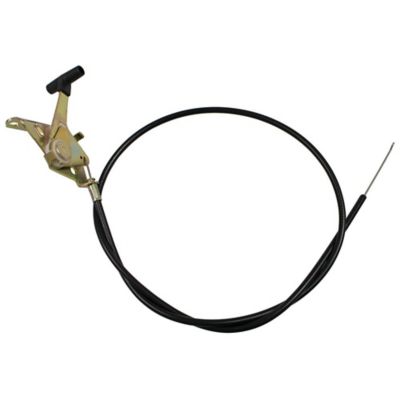
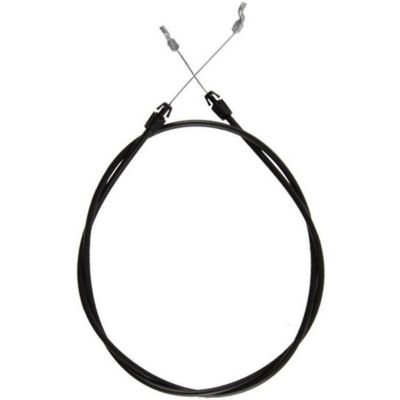
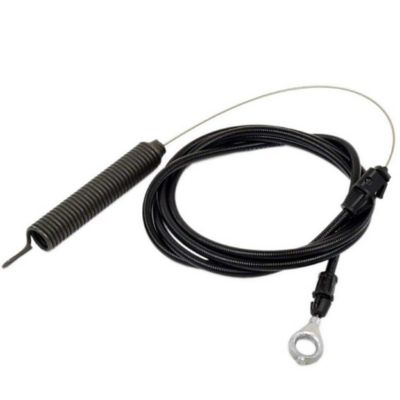
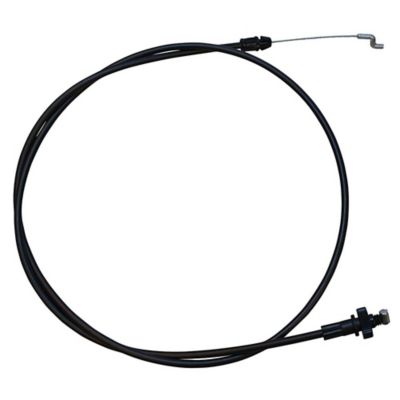
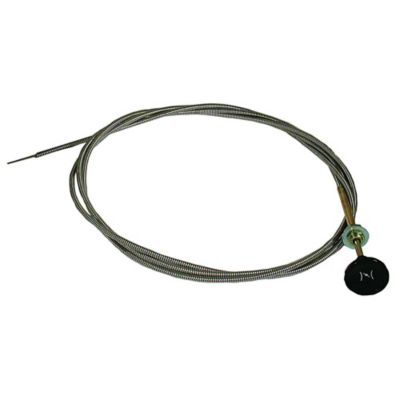
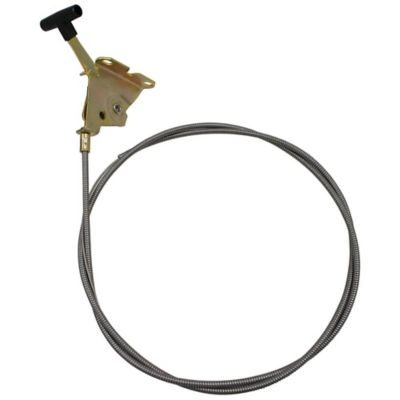
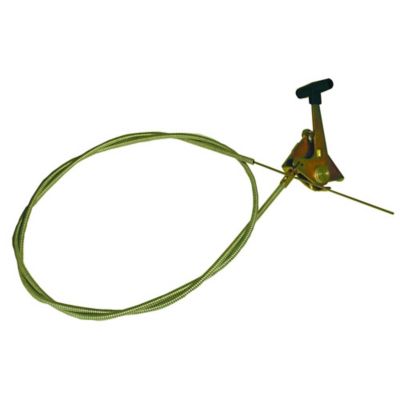
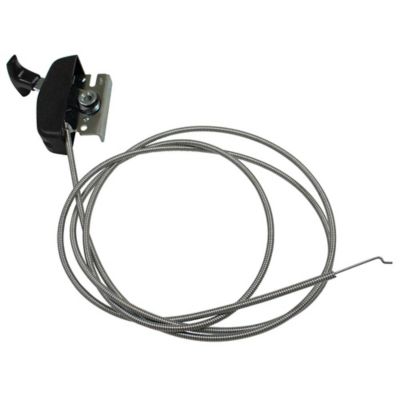
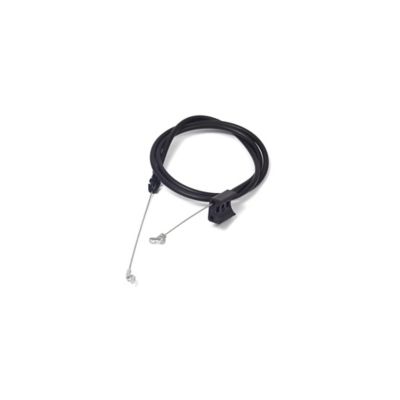
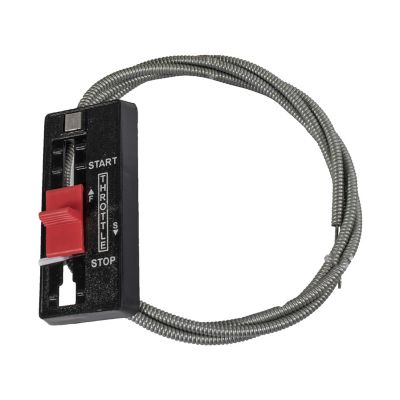
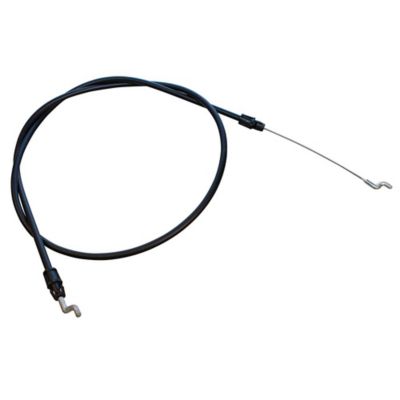
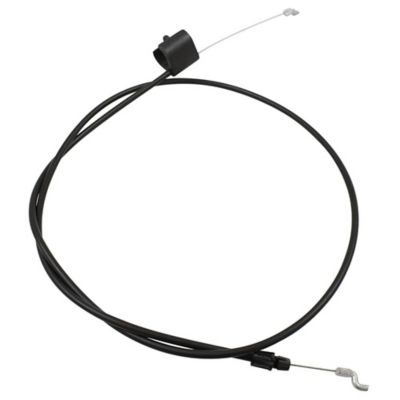
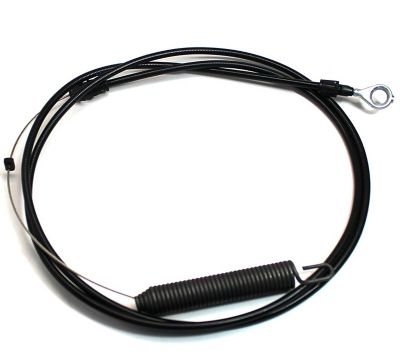
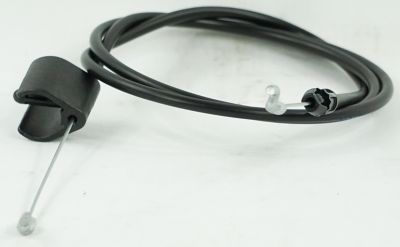
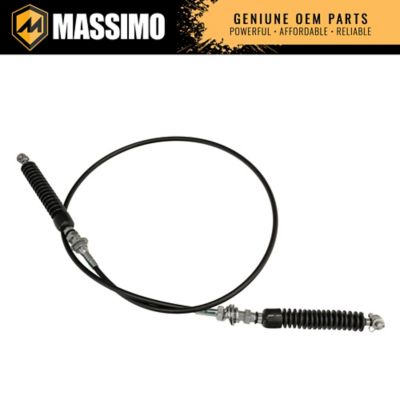
Replacement throttle cables help restore smooth accelerator control on cars, trucks, tractors, utility vehicles, riding mowers, go-karts, and other equipment that relies on a mechanical cable between the pedal or hand control and the throttle linkage. Over time, a cable may stretch, fray, stick, or snap after years of dust, moisture, engine heat, and repeated movement. A sticking pedal or throttle lever should not be ignored, especially when equipment is being driven around a farm, hauling feed, clearing a lane, or moving through a busy work area. When shopping, start with the vehicle or machine year, make, model, engine type, and cable application. Check whether the system uses a carburetor or fuel injection, and compare the cable’s overall length, housing length, end fittings, mounting brackets, pedal connection, and throttle-linkage connection. Some applications call for a specific cable assembly, while others may accept an adjustable replacement with matching ends. The part that looks close at a glance may still have the wrong inner-wire travel or mounting point, so compare measurements and photographs with the original before placing an order. It also helps to inspect the cable path from the footwell or control area, through the firewall or body panel, and across the engine compartment. A proper replacement should follow that same path without sharp bends, rubbing against sheet metal, resting on hot exhaust parts, or pulling sideways on the throttle arm. For related mower maintenance, browse
Lawn Mower Brake Cables as well.
A throttle cable replacement is often a practical repair for a farm truck, work vehicle, lawn tractor, ATV, small engine project, or equipment kept ready for the next chore. Someone bringing an older vehicle back into service may discover that the outside housing looks sound while the inner wire has rust beneath the sheath. In other cases, the cable still moves but the pedal feels rough, returns slowly, or fails to let the throttle close completely. Those symptoms can come from a kinked cable, a loose bracket, worn linkage, or dirt packed into the housing, so inspect the entire system before choosing a part. If replacement is needed, park on a level surface, set the parking brake, place the transmission in park or neutral, and let the engine cool. Disconnect the negative battery terminal to help prevent electrical trouble or accidental engagement during the work. Before removing the old cable, take clear photos of every bend, clip, bracket, and connection. A quick picture from the driver’s footwell and another from above the engine can save a lot of head scratching when the new cable is ready to go in. Detach the cable from the throttle body or carburetor linkage, remove it from its brackets, then access the pedal or hand-control end by removing only the trim or panels needed to reach the retaining clip. Pull the old cable out along its original route, taking care not to snag wiring, seals, or insulation. Feed the replacement through the same opening, seat the housing firmly in each bracket, and connect both ends without forcing the inner wire into a tight bend. If the firewall grommet is split or missing, replace it so water, dust, and engine heat do not enter the cabin or control area.
Adjustment and testing matter just as much as selecting the right cable. With the engine off, move the accelerator pedal or throttle control several times and watch the linkage. It should travel smoothly from closed to fully open and return promptly every time. Make sure the cable has a little free play at the closed-throttle position, while still allowing the throttle to reach its full travel when the pedal is pressed. Too much slack can limit engine response; too little can hold the throttle open. Check that the cable housing stays seated while the inner wire moves, and confirm that the linkage does not bind when the steering wheel, hood, or nearby components move through their normal range. After reconnecting the battery, start the engine only when the area is clear, keep hands and loose clothing away from moving parts, and test the pedal at idle before taking the vehicle onto the road or back into the field. If the cable catches, the engine speed does not settle, or the throttle fails to close, shut the engine down and inspect the routing and adjustment again. Replacement throttle cables can be kept on hand by equipment owners, farm mechanics, and rural repair shops because a broken cable can stop a job with little warning. They also make a useful practical gift for someone who spends weekends maintaining an older truck, restoring a tractor, caring for a riding mower, or keeping several machines ready through the cooler months. Choose the application carefully, compare the connection points, and give the repair a final function check before putting the equipment back to work.