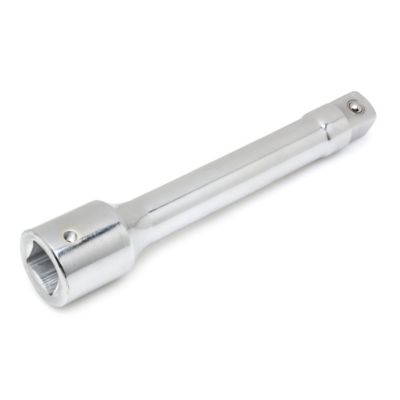
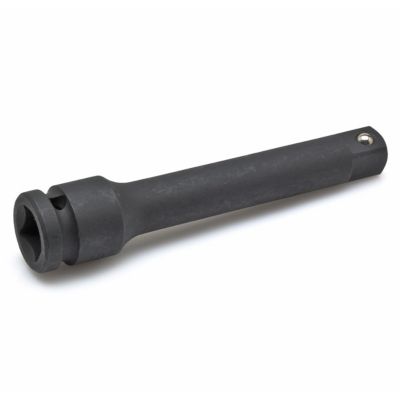
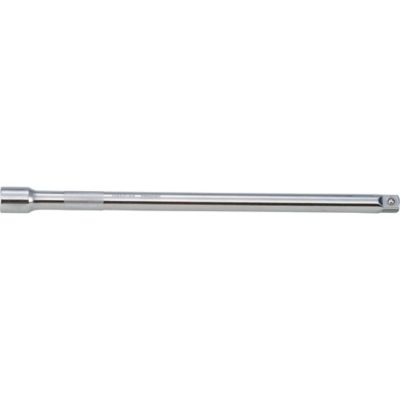
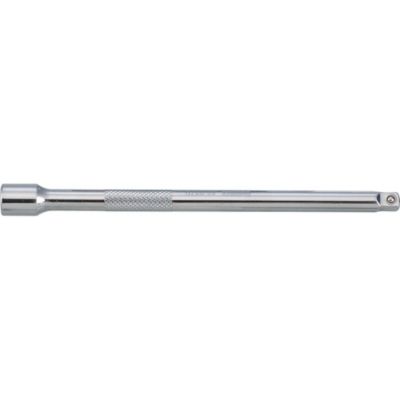
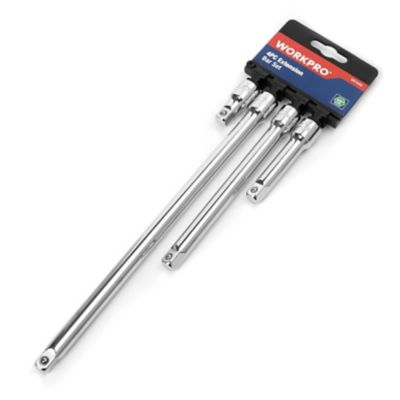
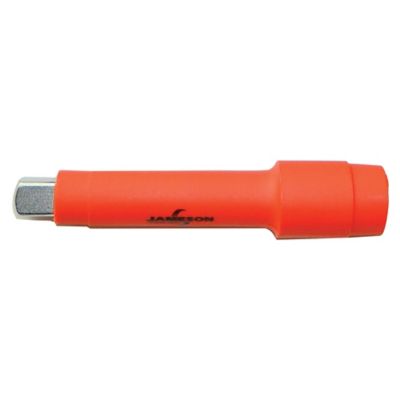
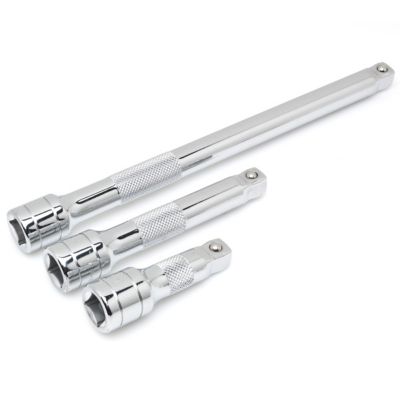
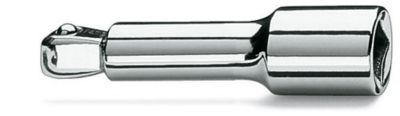
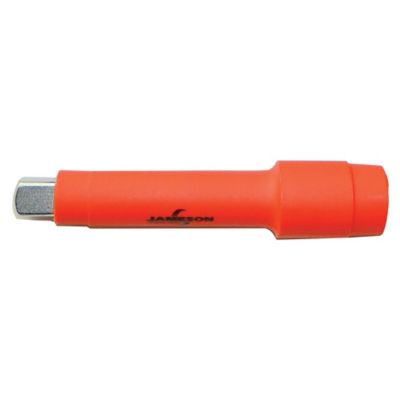
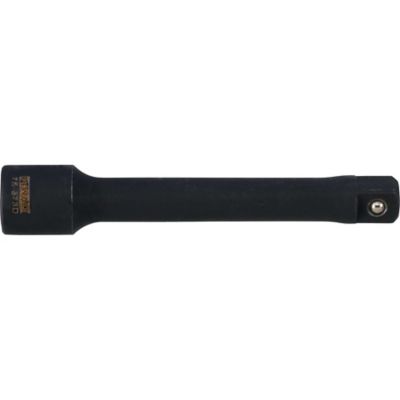
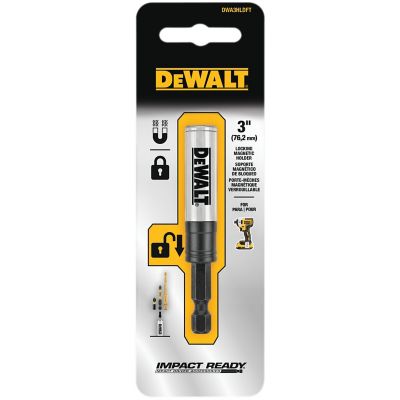
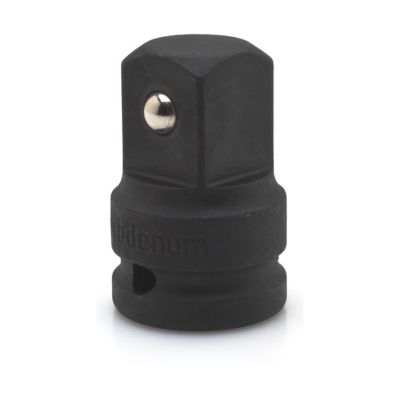
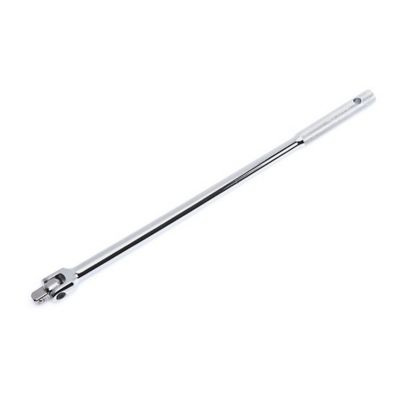
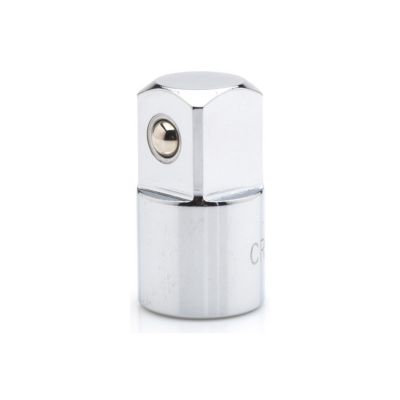
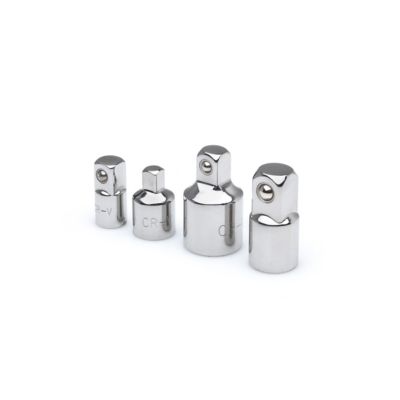
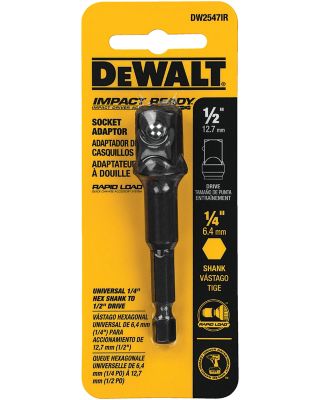
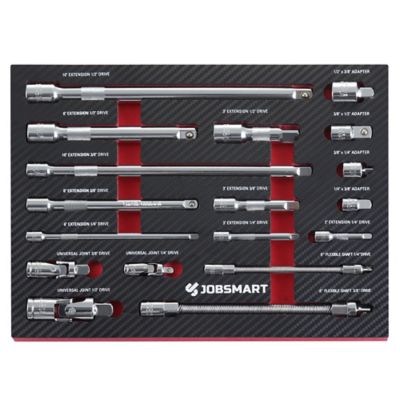
A fastener tucked behind an engine bracket or down inside a mower housing can be hard to reach with a ratchet alone. Socket extensions bridge that gap, moving the handle away from the socket so there’s room to turn without crowding nearby parts. They earn their place in farm shops, home garages and equipment sheds, whether the job involves maintaining a tractor, working on a pickup or tightening hardware on a piece of shop equipment. The basic arrangement is straightforward: one end connects to a square-drive tool, and the other holds the socket. Choosing a workable combination comes down to drive size, extension length, available clearance and the kind of force the job requires. Common drive sizes include 1/4 inch, 3/8 inch and 1/2 inch, with each extension needing to match the mating tools or an appropriately rated adapter. Drive size is separate from socket opening size, so the same extension can connect to either metric or SAE sockets that share its square drive. Short extensions help clear an obstruction without adding much distance between the handle and fastener. Longer versions reach deeper into engine compartments, recessed mounting points and other spots where a hand cannot comfortably follow the socket. Overall length matters, but so does the room around the connection. A thick socket, wide shoulder or locking collar may not fit through a narrow opening even when the extension itself does. Browsing
socket extension bars with those clearances in mind makes it easier to compare options that suit the tools already in the box. The best fit leaves enough room for the socket to sit fully on the fastener and for the handle to move without bearing against a hose, wire or nearby housing. Extra reach solves an access problem; it does not increase the load rating of the ratchet, socket or extension.
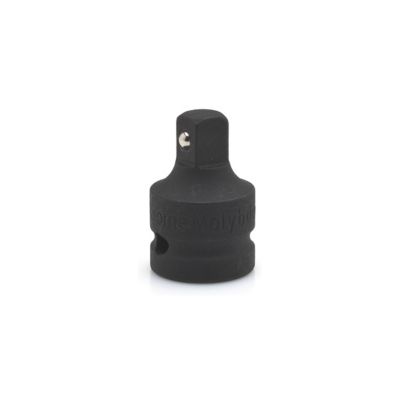
Materials, finish and connection style help determine where an extension belongs in the shop. Chrome-vanadium steel is common in hand-tool extensions, while impact-rated versions often feature chrome-molybdenum or other alloy steels specified for that work. The alloy name alone does not establish whether an extension can handle an impact wrench. Manufacturer ratings and markings matter, and a dark finish is not proof that a tool is impact-rated. Chrome-plated hand-tool extensions generally have a smooth surface that wipes clean easily, while black oxide and phosphate finishes are common on impact tools. Each finish has its own care needs, particularly when tools encounter moisture, grease and grit around equipment. For hand-powered work, a standard straight extension provides a direct connection that keeps the socket and drive aligned. Some extensions offer a wobble connection that permits limited movement at the socket end, helping with a fastener that sits slightly off the straight approach. That movement differs from the broader articulation of a universal joint, and the permitted angle depends on the design. A standard extension should not be expected to flex around an obstruction. Retention features deserve attention, too. A spring-loaded ball helps hold many sockets in place, while certain designs add a positive locking mechanism. A secure connection is especially useful above an engine bay or beside a frame rail, where a dropped socket can disappear into a hard-to-reach pocket. Some impact systems call for specific retaining pins or rings, making compatibility more important than appearance. Knurled sections can give fingers a better hold when positioning a socket or turning a loose fastener by hand. Length, weight and connection design also affect how the assembly feels, particularly with several pieces joined together. Longer assemblies can flex or wobble under load, and extra joints add movement. For torque-wrench work, the tool maker’s instructions govern suitable attachments and operating technique. A long extension may provide access, but it is not a substitute for the right drive size, proper alignment or equipment rated for the task.
The most practical assortment reflects the work that actually comes through the shop door. Someone servicing compact equipment may value shorter, smaller-drive extensions for close quarters, while a person maintaining trucks or farm machinery may need more reach and larger-drive tools for appropriate applications. Neither approach replaces checking the fastener, socket and tool requirements for the job. A deep socket can sometimes provide the needed clearance on its own; elsewhere, a shallow socket paired with an extension gives a better fit around surrounding parts. Having a few lengths to choose from can keep a repair from turning into a struggle with a handle pressed against a bracket. Sets can make sense for a shared shop with varied equipment, while an individual extension can fill a particular gap in an established tool collection. Storage space matters as well: long bars need enough drawer length, and organized holders make drive sizes easier to tell apart when there’s work waiting. Care is mostly about keeping contact surfaces clean and spotting trouble before the next job. Dirt packed into the square-drive opening or around a retaining ball can interfere with seating and release. Grease, fertilizer residue and moisture left on steel can encourage corrosion, even when the surface has a protective finish. Cleaning and corrosion protection should follow the manufacturer’s recommendations, with tools stored dry rather than left in a damp truck bed or on the floor. Cracks, a twisted shaft, damaged plating or a retaining mechanism that no longer works are reasons to take an extension out of service. Tools intended for hand operation also need protection from impact-tool use and makeshift leverage. For someone who enjoys equipment upkeep, socket extensions can be a practical gift when the drive size and intended applications match their existing setup. The value is in having a fitting connection ready when a bolt sits just beyond easy reach, whether the work happens at a garage bench or beside a machine in the barn.