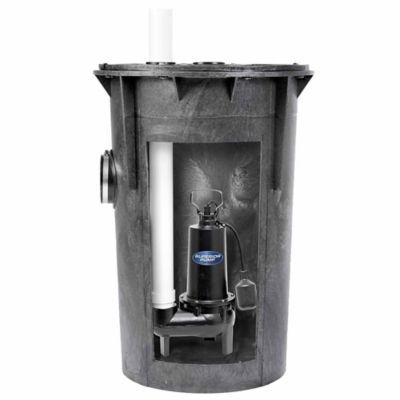
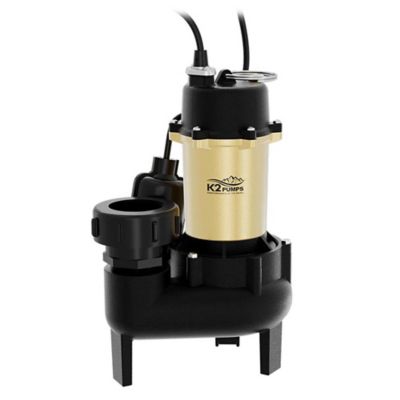
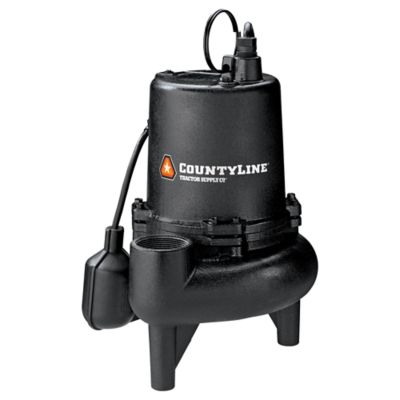
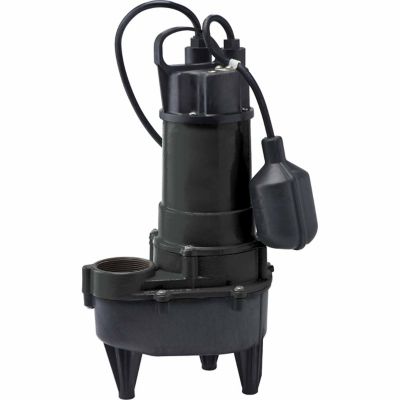
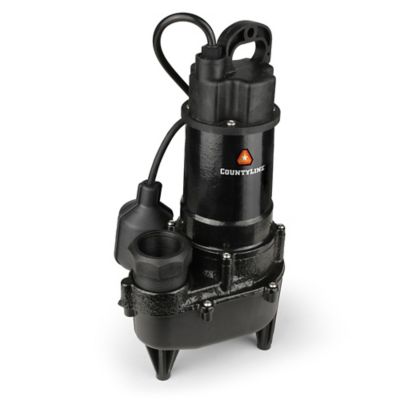
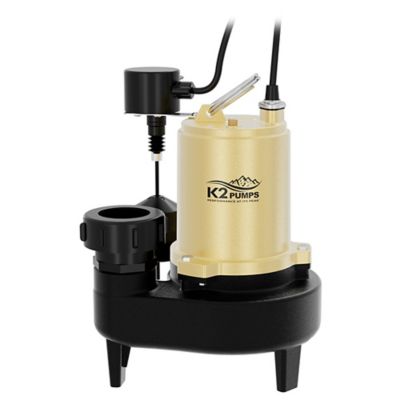
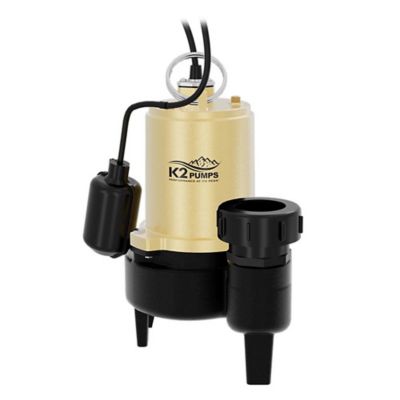
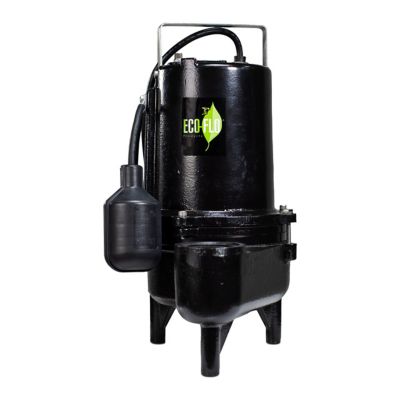
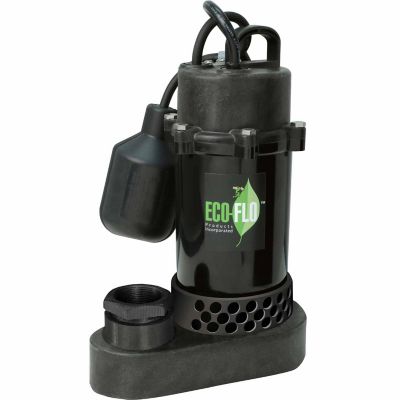
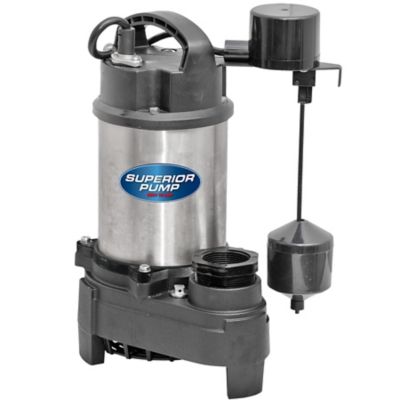
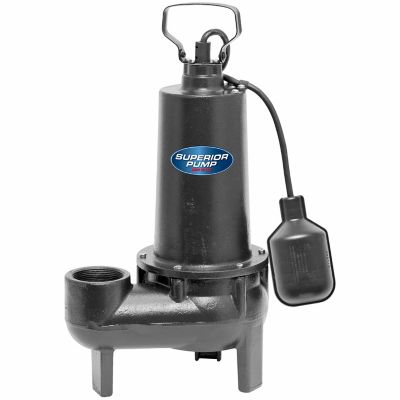
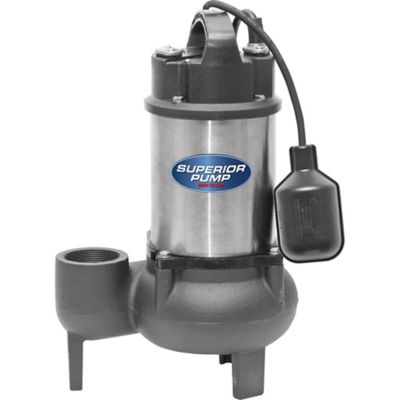
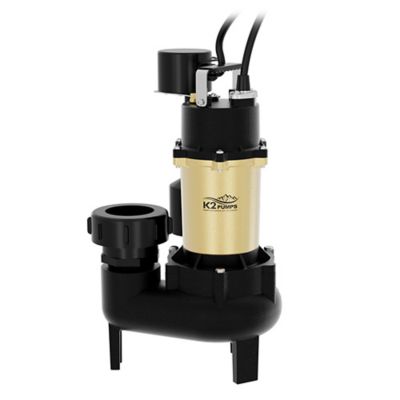
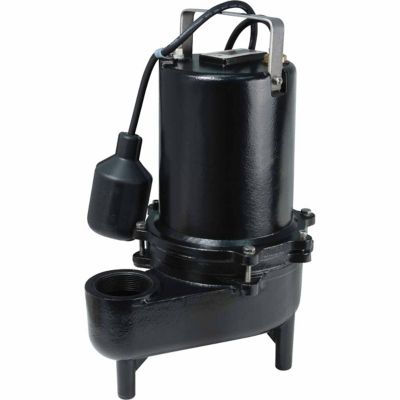
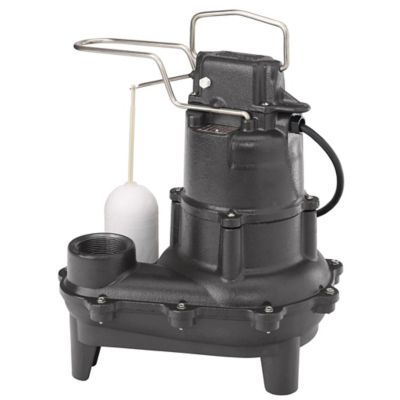
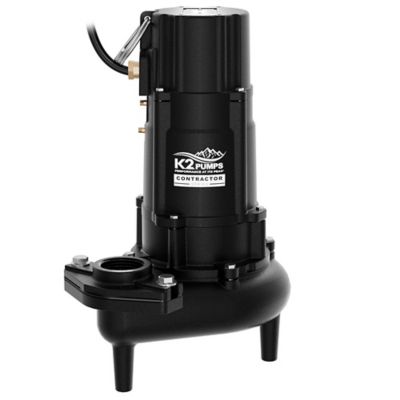
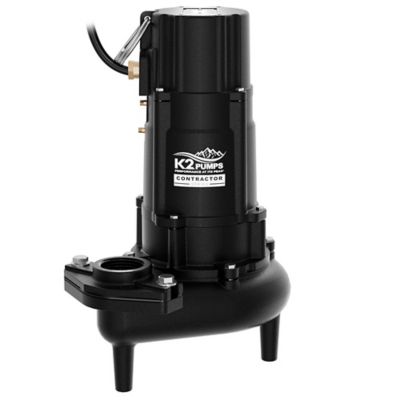
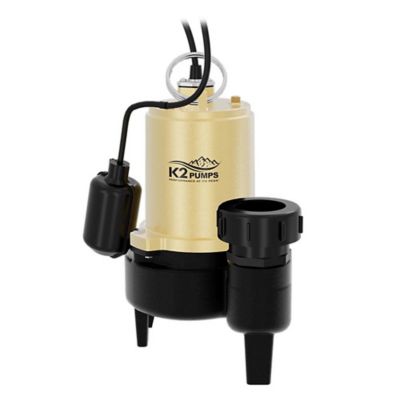
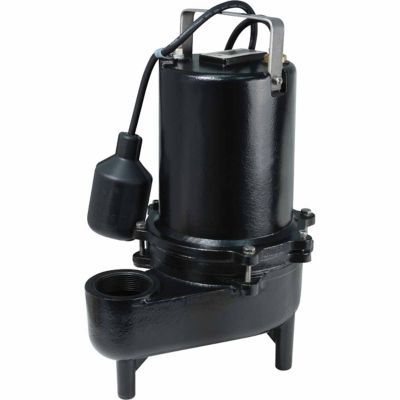
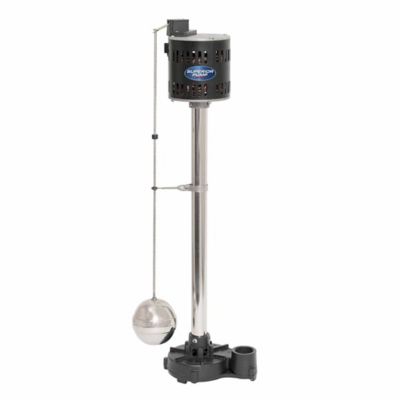
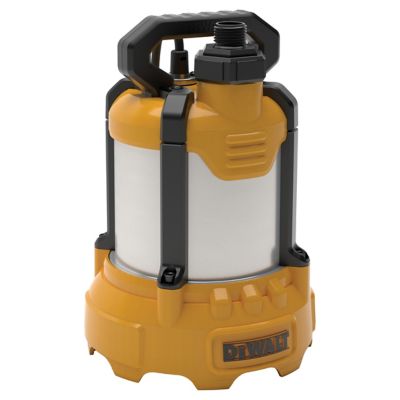
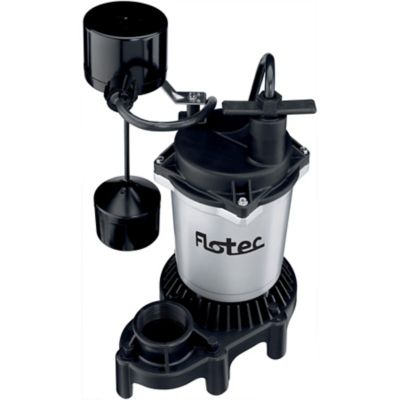
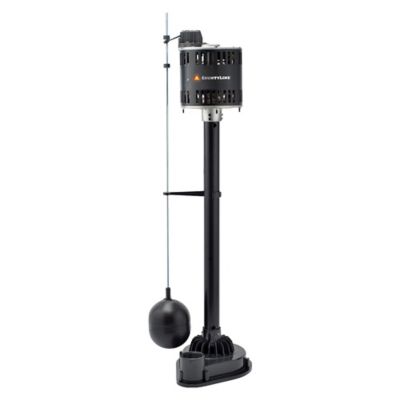
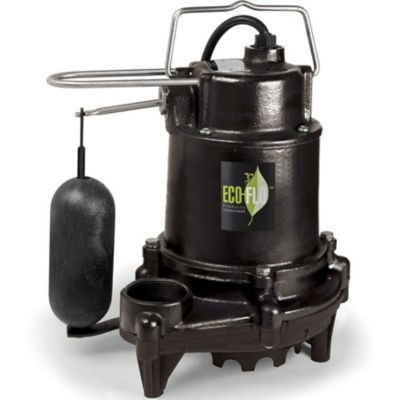
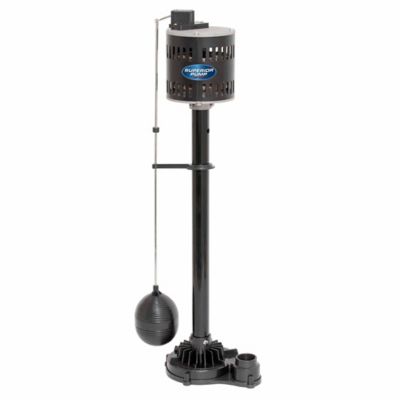
A basement bathroom can add useful living space, a handy wash-up area near a workshop, or a welcome convenience for guests, but its plumbing needs a little extra planning. When the bathroom fixtures sit below the home’s main sewer line, gravity cannot carry waste away on its own. That is where sewage pumps for basement bathrooms come in. These systems collect wastewater from a toilet and, depending on the setup, a sink, shower, laundry drain or other fixtures, then pump it upward and into the home’s sewer or septic line. The right choice depends mostly on how the room is built and how much use it will see. A submersible sewage ejector system is installed in a sealed basin below the floor and is a solid fit for a permanent bathroom with several connected fixtures. Because the pump sits in the basin, it can handle wastewater containing full-size solids and is commonly used with toilet waste, including solids up to about 2 inches when the pump and plumbing are rated for that service. Installation usually means cutting and excavating part of the concrete floor, setting the basin, connecting the drain lines, and routing the discharge pipe. That work can be a bigger project, but it provides strong capacity for a busy family bathroom, an in-law suite, a rental property or a basement laundry area that needs dependable drainage. An above-floor upflush or macerating system offers another path when breaking concrete is not practical. These units sit behind or near a compatible rear-discharge toilet, use a cutting mechanism to process waste, and push it through a smaller discharge line toward the main drain. They can make sense for a compact half bath, a finished basement that is already closed in, or a homeowner who wants to avoid tearing up a concrete slab. Always match the pump to the fixtures it is designed to serve, since some systems are intended for toilet waste alone while others can accept water from a sink or shower.
Before choosing a sewage pump, take a careful look at the planned bathroom and the path to the main drain. Measure the vertical lift from the pump outlet to the point where the discharge line joins the existing sewer or septic piping, then account for the horizontal run and any bends. Pump ratings are affected by total head, so a unit that looks adequate on paper may not have enough working capacity once it must push waste several feet upward and across the basement. Check the inlet and discharge sizes, the recommended pipe material, and the maximum solids-handling capacity. A check valve on the discharge line is essential because it helps keep pumped wastewater from flowing back into the basin after the pump shuts off. A shutoff valve can make future service easier, while unions or accessible fittings may save time if a component ever needs to be removed. Basin systems should have a properly sealed cover to help contain sewer gases and keep moisture, dirt and curious pets out of the pit. Venting is just as important as pumping. The basin or macerating system generally needs to connect to the home’s existing plumbing vent system in accordance with local requirements, allowing air pressure to balance and helping prevent sewer odors. Electrical planning matters, too. Many sewage pumps use a standard 120-volt supply, but the circuit should be properly grounded and protected as required by local code, often with GFCI protection. Keep the pump plug, controls and alarm where they can be reached without standing in water, and consider a high-water alarm for extra warning if the basin level rises. Capacity should reflect real household use rather than the size of the room alone. A lightly used guest bath may need less pumping power than a basement bathroom used by a large family, while a system serving a toilet, shower and laundry drain needs careful attention to flow, solids and run time. Product instructions, local plumbing codes and a licensed plumber’s advice are especially important when tying new plumbing into a septic system or an existing sewer line.
These pumps are useful for homeowners finishing a basement, property owners adding a bathroom to a rental, contractors handling remodels, and families making a lower level more comfortable for aging relatives or overnight guests. They can also be a practical project gift for someone building out a workshop bathroom or preparing a hunting cabin, farm office or recreation room, although the pump should be selected only after the building layout and plumbing plan are known. During the warmer seasons, many people take on concrete, framing and drainage work, while cooler months often bring more time spent indoors and a sharper appreciation for a bathroom that works without a trip upstairs. A well-matched pump helps keep muddy boots, tools and work clothes from tracking through the main part of the house when a basement washroom is located near the garage or utility area. It can also support a simple half bath beneath a stairway or a full bathroom beside a finished family room, provided the fixtures, venting and discharge route are compatible. For shoppers comparing options, pay attention to whether the system is a sewage ejector pump for a buried basin or an above-floor macerating unit, whether it is approved for the number and type of fixtures planned, how much lift it can provide, and whether the package includes the basin, cover, alarm, check valve or other required components. Noise level, service access, warranty terms and replacement-part availability are worthwhile considerations in a finished living space. For compact installations centered on toilet waste, browse
Toilet Pumps to compare related options. No matter which style fits the job, avoid flushing wipes, paper towels, grease, feminine hygiene products, shop rags or harsh chemicals through a sewage pump. These materials can clog the cutter, float switch, check valve or discharge line. A little planning before installation, along with routine checks of the alarm, basin cover, electrical connection and visible piping, can help a basement bathroom stay dependable through busy weekends, family gatherings and the everyday wear of home and farm life.