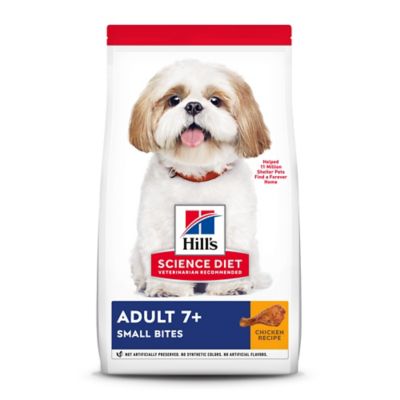
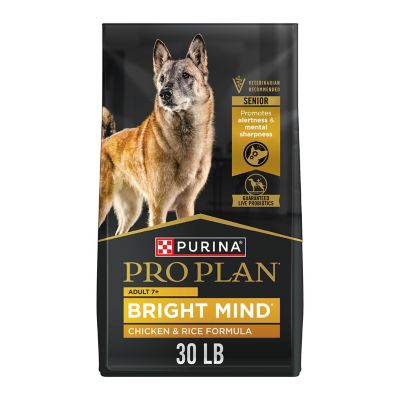
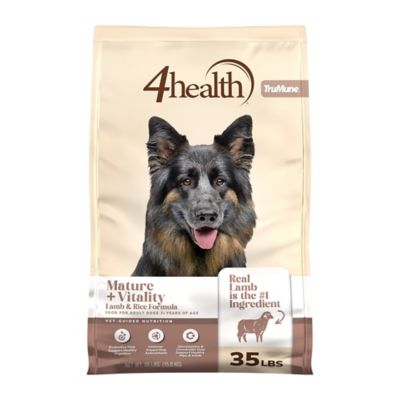
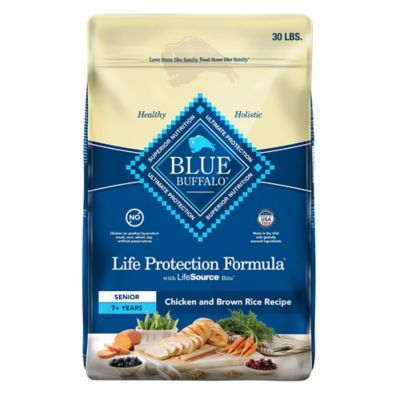
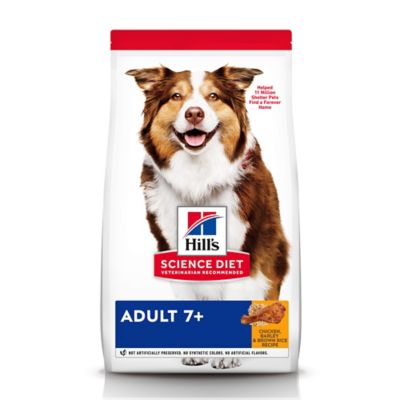
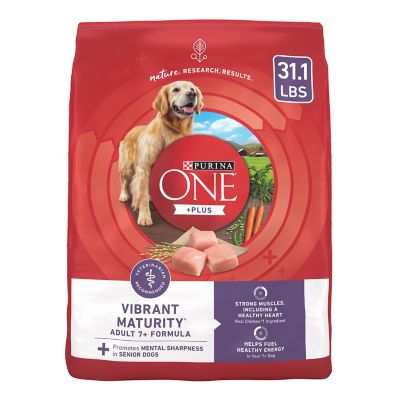
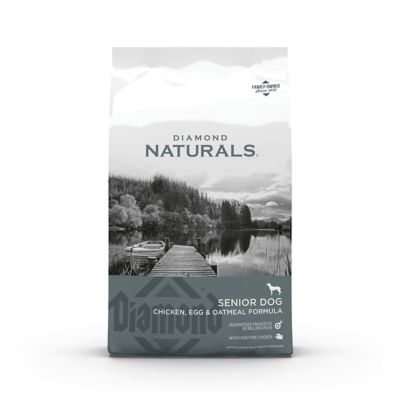
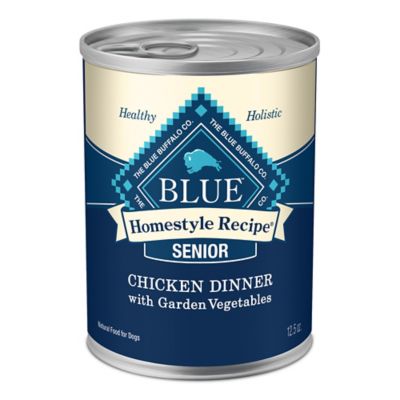
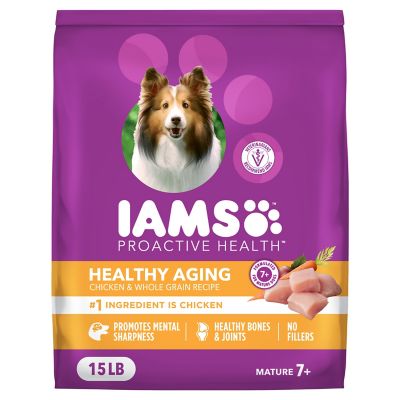
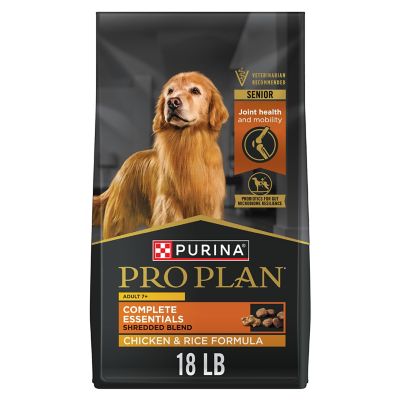
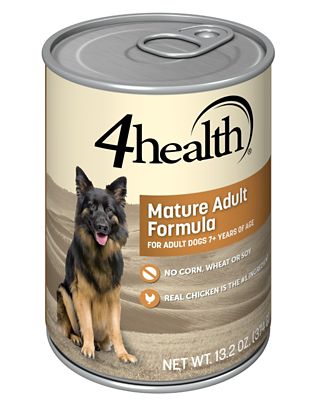
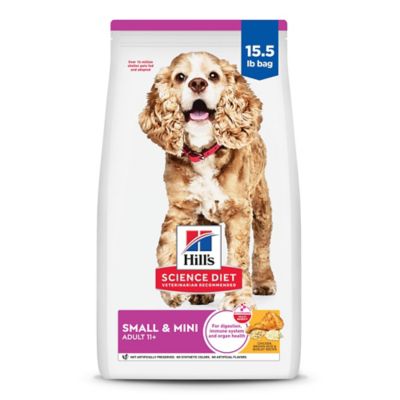
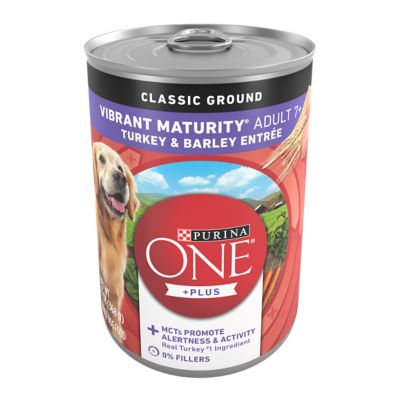
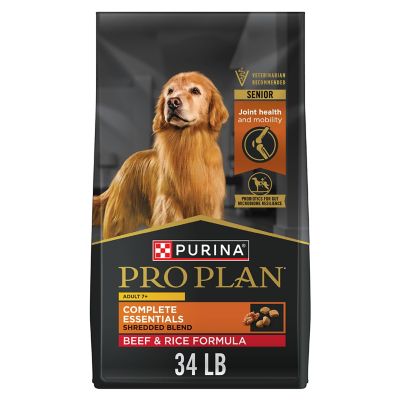
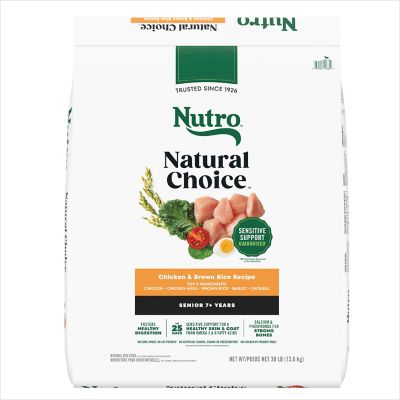
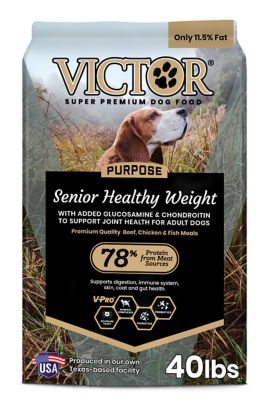
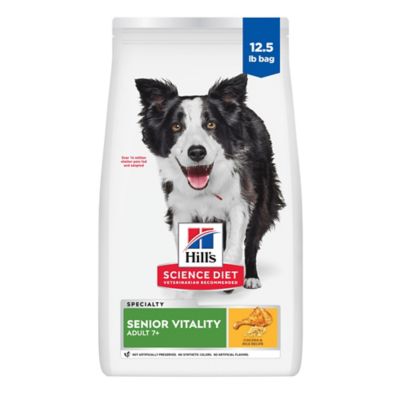
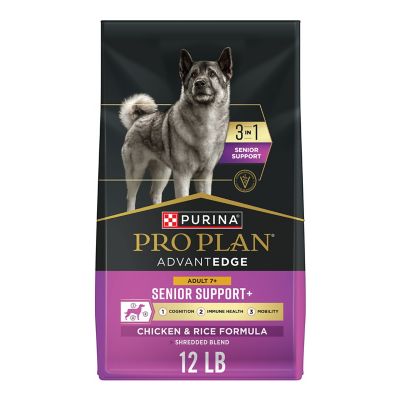
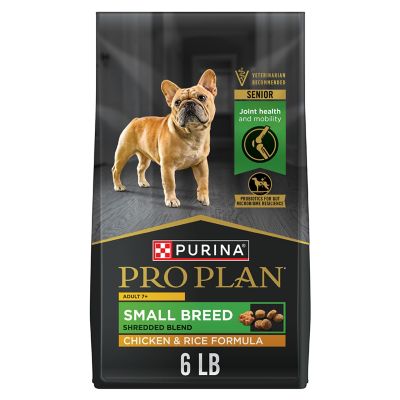
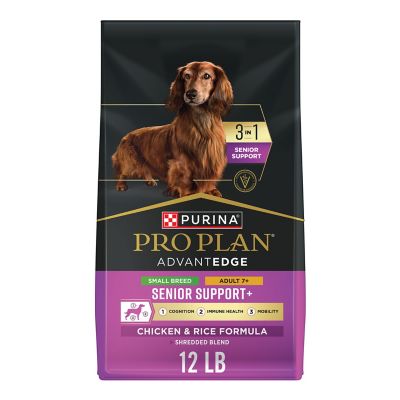
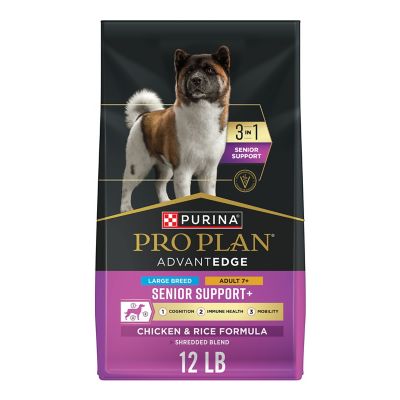
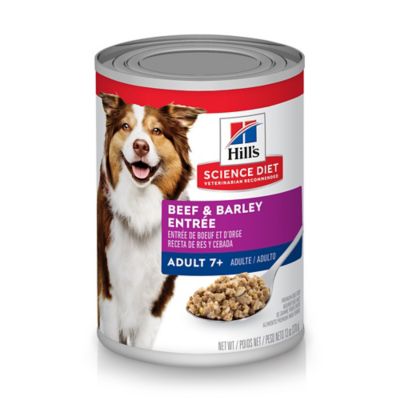
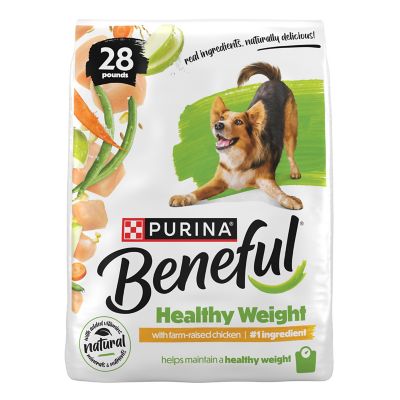
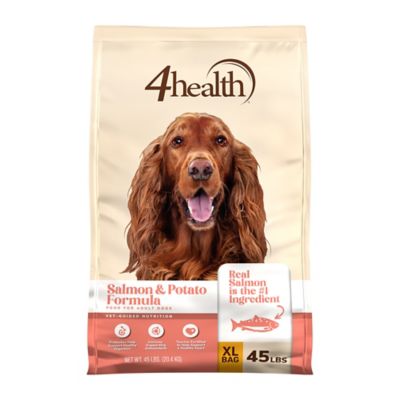
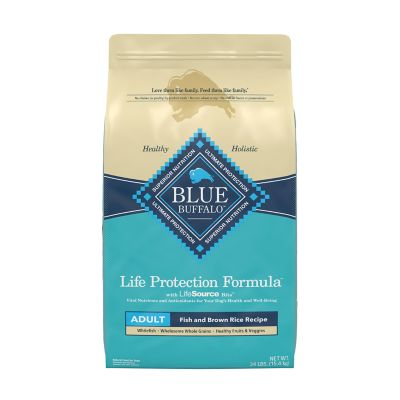
Nutrient-rich dog food for senior dogs is about making each meal count, whether an old farm companion still follows along to the gate or prefers keeping watch from the porch. As dogs get older, their appetite, activity level, body condition, and feeding needs can change, but those changes do not happen at the same age for every breed. Larger dogs often reach their senior years earlier than smaller dogs, and two dogs of the same age may need very different meals. That makes a food’s nutritional purpose, calorie content, and feeding format more useful considerations than an age number alone. Protein helps maintain muscle, while an appropriate balance of fat, carbohydrates, vitamins, and minerals supports everyday body functions. For a dog taking shorter walks and spending more time stretched out beside the chair, a less calorie-dense recipe may make portion control easier. A lean older dog with a smaller appetite may need a different approach, with enough calories and nutrients in a serving that feels manageable. Senior food is not automatically low-calorie, and a larger serving is not always a better source of nourishment. The nutritional adequacy statement on the package helps distinguish a complete and balanced daily food from a topper or supplemental feeding option. Adult maintenance is a recognized nutritional life stage; senior labeling alone does not establish a separate set of nutritional standards. Body condition matters here, too: excess weight can add strain to aging joints, while unintended weight loss deserves a conversation with a veterinarian rather than simply a fuller bowl. Calories from treats and table scraps also count toward the day’s intake, even when those little extras seem small. The best fit is food that matches the individual dog’s needs, supports a healthy weight, and fits a feeding routine the household can keep steady from one day to the next.
Ingredients and texture both play a part in how well a senior dog’s food suits everyday life. Protein sources provide amino acids for maintaining body tissues, and digestibility affects how readily nutrients can be absorbed. An ingredient list offers useful details, but it does not tell the whole story about a recipe’s nutritional balance or how an individual dog will handle it. Fiber blends may help support regular stools, though more fiber is not necessarily better for every dog. Some older dogs do well with a recipe that helps them feel satisfied between meals, while others need a food that delivers more energy without an oversized portion. Dietary fats provide energy and essential fatty acids, and omega-3 fatty acids may be part of formulas intended to support skin, coat, or joint health. Foods with added glucosamine or chondroitin may also fit into a veterinarian’s broader joint-care plan, but food does not replace treatment for pain or trouble getting around. Dry kibble brings a familiar crunch and straightforward measuring, with piece size and shape worth considering for small mouths or dogs that have trouble picking food up. Canned food has a softer texture and higher moisture content, which can be helpful for some dogs with reduced interest in dry meals. A combination of wet and dry food can offer another texture, provided the total daily calories stay in line with the dog’s needs. Fresh drinking water still belongs within easy reach, whatever feeding format fills the bowl. Missing teeth, sore gums, or difficulty chewing call for veterinary attention; switching textures alone does not address the cause. For dogs with a confirmed food sensitivity, the relevant details are the ingredients and the veterinarian’s recommendations, not simply whether a recipe carries a senior label. Familiar flavors can make mealtime feel comfortable, but a sudden refusal to eat a longtime favorite is worth taking seriously.
Everyday feeding details matter just as much as what is printed across the front of the package. A dog that once finished supper before the feed scoop reached the bin may begin eating more slowly, leaving part of a meal, or preferring smaller servings. Those changes can influence which food format fits the household, but persistent appetite changes deserve a closer look with a veterinarian. Feeding directions provide a starting point rather than a fixed serving for every dog of a certain weight. Actual needs depend on activity, body condition, health, and the calories in each measured portion. A kitchen scale can make portions more consistent, especially for small dogs whose daily allowance leaves little room for extra bites. When a food change is appropriate, a gradual transition generally gives the digestive system time to adjust, unless the veterinarian recommends a different schedule. Storage also helps protect the food between meals. Dry food belongs in its original bag with the opening securely closed, and the bag can sit inside a clean, tightly closing container away from moisture and pests. Keeping the original package preserves the feeding directions, lot information, and best-by date. Opened canned food needs refrigeration and should be handled according to the package directions, with leftovers in the bowl cleared away promptly. Clean bowls and a steady feeding spot help keep the routine comfortable, particularly for an older dog that moves carefully across the kitchen floor. Comparing
Senior Dog Food by calorie density, texture, nutritional adequacy, and feeding purpose keeps the focus on practical differences rather than broad promises. Dogs managing kidney disease, diabetes, digestive conditions, or other diagnosed concerns may need a veterinarian-directed diet instead of a general senior recipe. With the right nutritional match and regular checkups, daily meals can remain a familiar, satisfying part of life for the dog that has shared years of chores, walks, and quiet company.