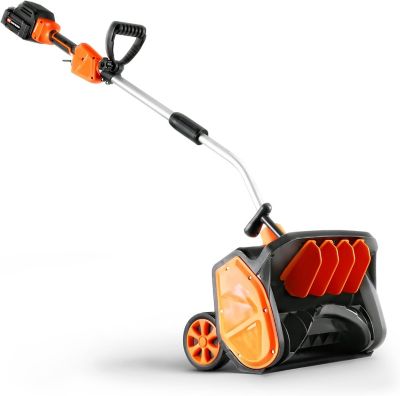
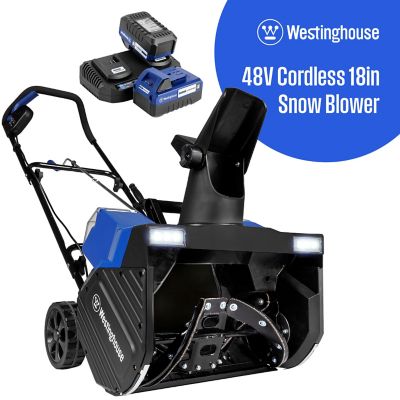
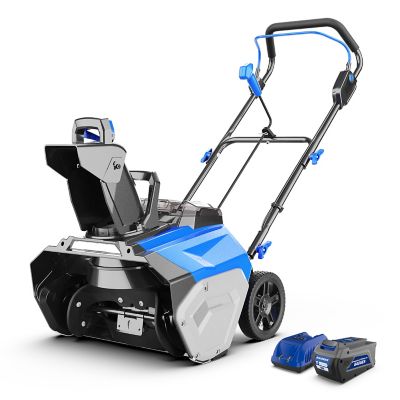
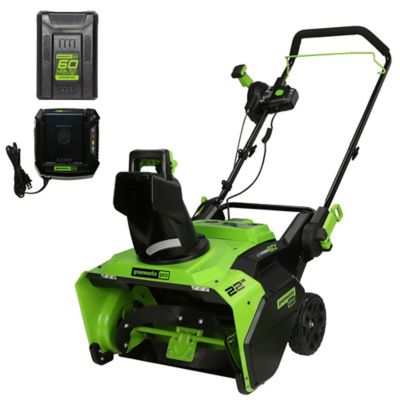
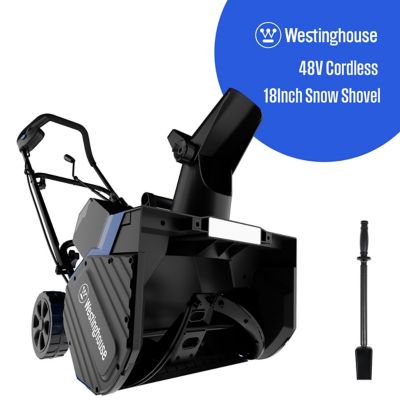
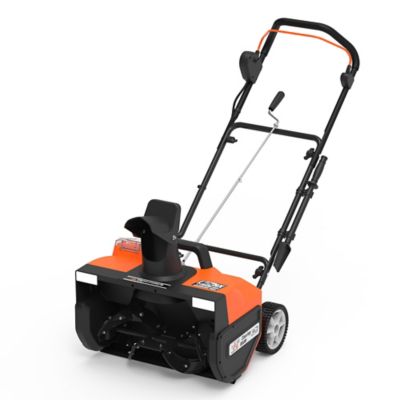
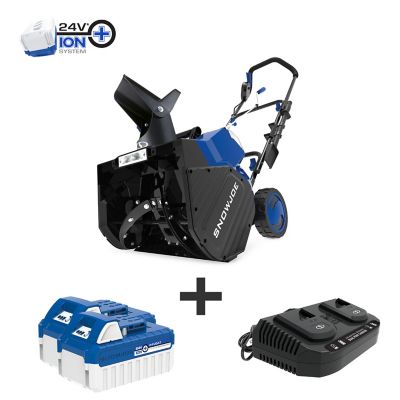
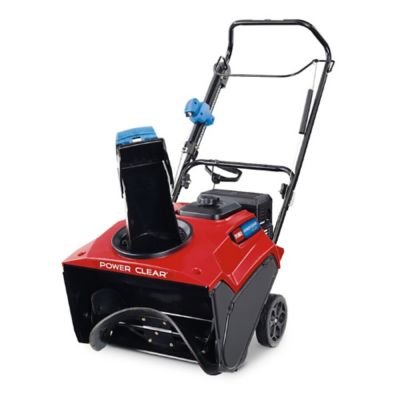
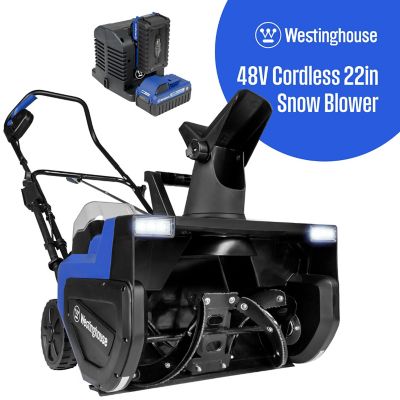
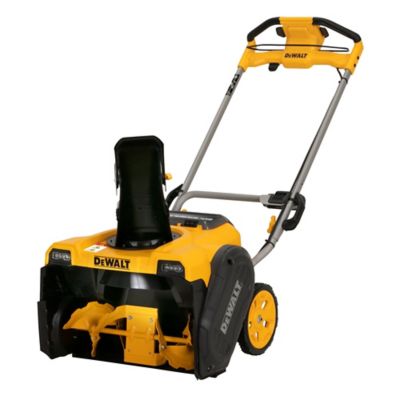
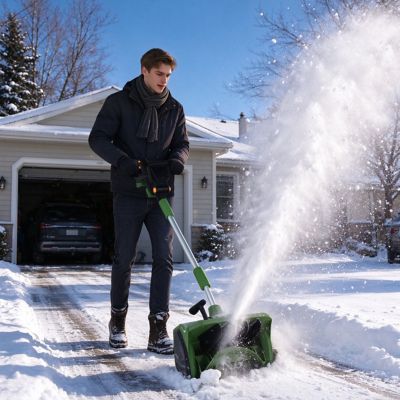
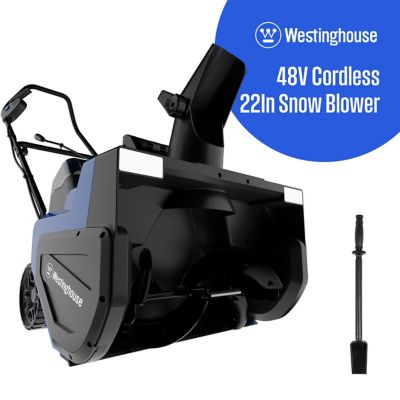
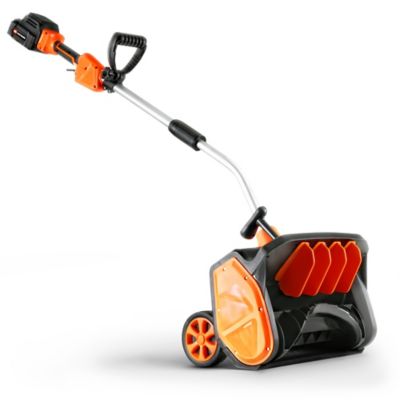
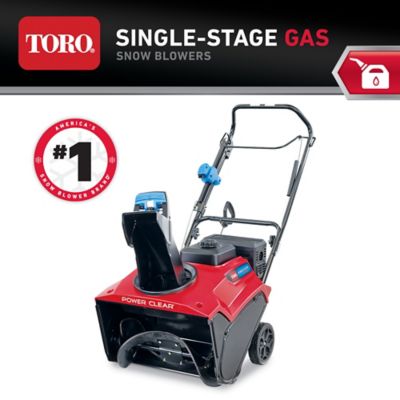
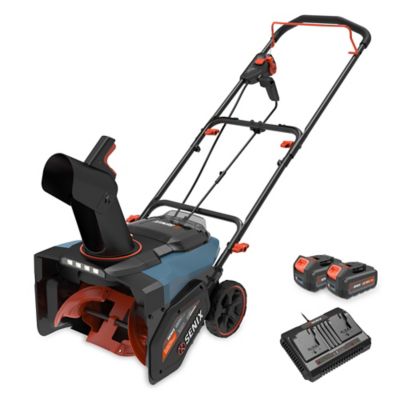
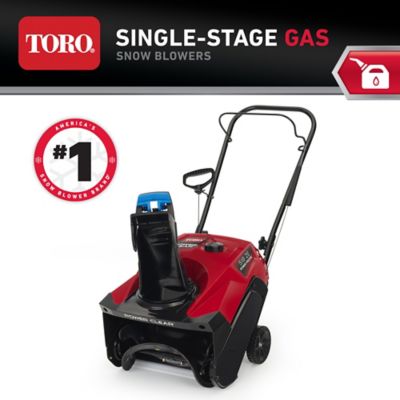
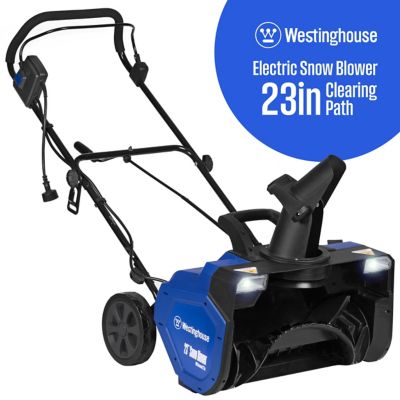
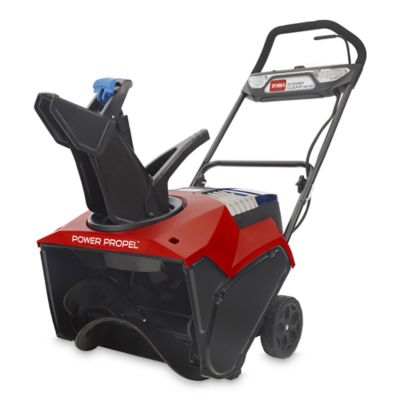
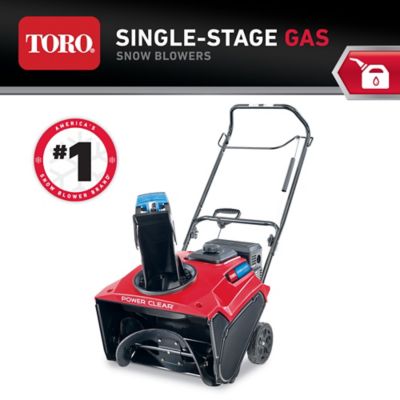
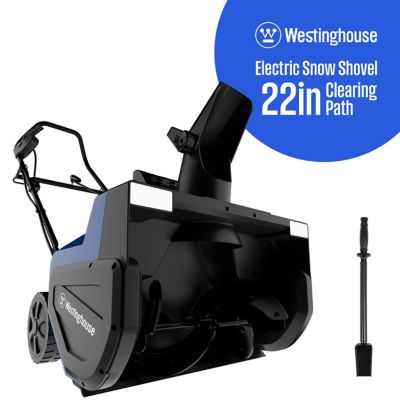
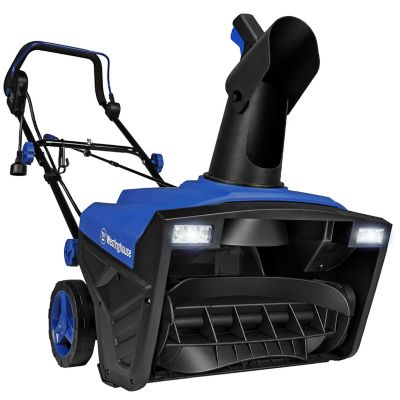
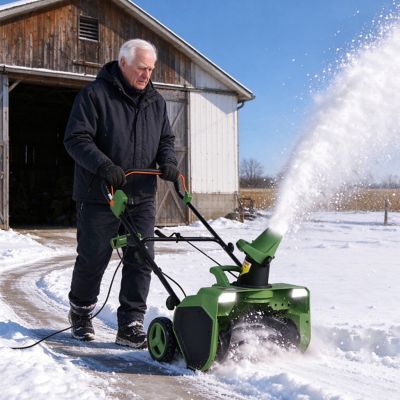
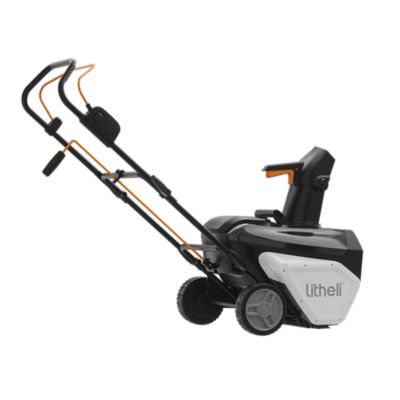
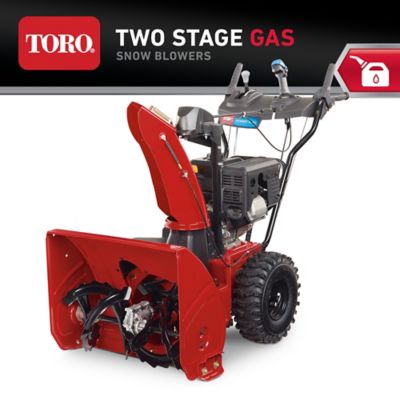
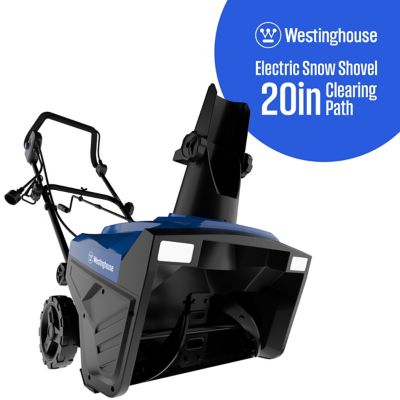
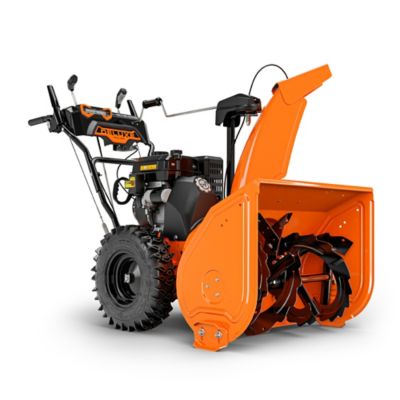
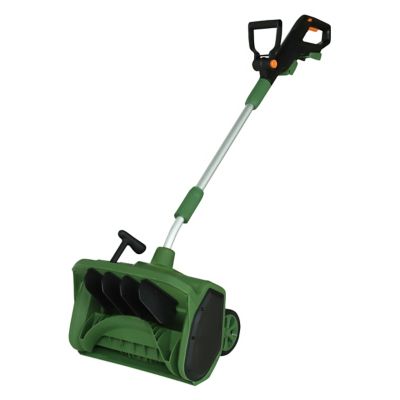
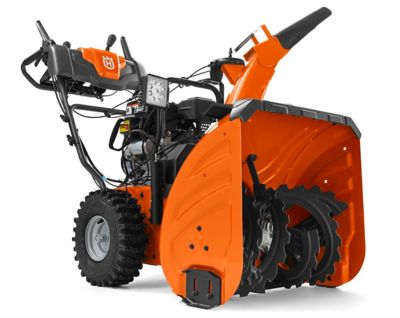
Portable snow blowers are compact snow-clearing machines built to make walkways, patios, decks and smaller driveways easier to clear without the size and weight of a larger machine. Many are corded or battery-powered, with narrow housings, manageable handles and designs that take up less room in a garage or shed. Electric snow shovels fall at the lighter end of the category, while compact walk-behind snow blowers offer wheels and wider clearing paths for covering more ground. Portability means different things depending on the job: carrying a tool out to a detached garage calls for a different setup than rolling one down a paved driveway. Overall weight, balance, carrying points and folded dimensions all matter, especially when storage space is shared with feed bins, garden tools and the mower. A lightweight machine can be handy for clearing the stretch between the back door and the truck, opening a path to the mailbox or keeping a paved route to an outbuilding passable. These smaller tools generally do their best work in fresh snowfall before foot traffic and tires pack it down. Deep drifts, heavy slush and the hard ridge left by a road plow can demand more power and capacity than a compact model provides. An
electric snow blower can be a good match for routine cleanup near the house, with corded and battery-powered designs offering different trade-offs. Corded machines depend on access to a suitable outdoor electrical connection and an extension cord rated for the machine and conditions. Battery-powered machines leave the cord behind, making it easier to move between separate patches of pavement, though runtime depends on snow conditions, battery capacity and workload. Compact gas-powered designs offer another option for properties without convenient electrical access, but engine weight, fueling and maintenance affect how practical they are to move and store.
The best fit comes down to the ground being cleared and the person handling the machine, not simply the widest path or longest throwing distance. A narrow clearing width can help along a tight sidewalk, beside a porch railing or between a parked vehicle and a garage wall. A wider housing can reduce the number of passes across an open driveway, but it also adds size and may make tight turns more awkward. Intake height helps indicate how much snow a machine can take in, while actual performance still depends on how dense, wet or packed that snow is. Single-stage machines commonly have an auger that works close to the ground, making surface compatibility especially important. Paved concrete and asphalt are typical applications; loose gravel can be picked up and thrown by equipment that is not designed for it. Deck boards, pavers and other finished surfaces also deserve attention to the manufacturer's surface recommendations and scraper design. Housing materials may include steel, aluminum or molded polymers, each contributing differently to weight, stiffness and resistance to rust. Metal parts still need care around moisture and ice-melting salts, while scrapers, paddles and other ground-contact parts gradually wear through regular operation. Replaceable wear parts can help keep a machine working well over time. Handle height, grip shape and control placement matter when thick gloves are part of the job. A comfortable stance lets the operator guide the machine without hunching over or reaching too far, and wheels that roll smoothly can make repeated passes less tiring. Chute adjustment is another practical detail: snow needs somewhere to land without covering the section just cleared or piling up against a door. Wind can send powder back toward the operator, and wet snow may travel a shorter distance than dry snow. For a property with several small areas to clear, manageable weight and easy steering may matter more than maximum capacity. For a longer paved stretch, a broader clearing path and enough power for repeated passes may carry more weight in the decision.
Care and storage are part of choosing a portable snow blower, especially when it needs to stay ready between storms without taking over the garage. Folding handles can save floor space, but the machine's actual stored dimensions and the steps required to fold it are worth considering. A carrying handle should provide a secure lifting point, and the total weight should be manageable for whoever will move it over a threshold or into storage. Compact does not automatically mean easy for every person to lift. Snow and slush should be cleared from the machine after operation according to the owner's manual, with attention to trapped moisture around the housing, wheels and controls. Checking fasteners, inspecting cords and watching scraper or paddle wear can help catch trouble before the next snowfall. Battery care also matters: cold conditions can reduce runtime, and charging and storage temperatures should stay within the battery manufacturer's limits. Batteries and chargers belong in a dry location, away from moisture and out of reach of children. Gas-powered equipment brings additional fuel and engine-care requirements and must never run inside a garage, shed or other enclosed space, even with a door open. Safe operation matters just as much as easy handling. Stones, branches and other hidden objects can become projectiles, so the clearing area needs attention before snowfall covers it. People, pets, vehicles and windows should stay out of the discharge path. A blocked chute calls for shutting the machine down, disconnecting its power source as directed, waiting for every moving part to stop and using the recommended clearing tool rather than a hand. Machines should be switched off before lifting or carrying them. For a household sharing snow-clearing chores, a portable machine with straightforward controls, a comfortable working height and sensible storage needs can make the walk from the door to the driveway a little less of a chore.