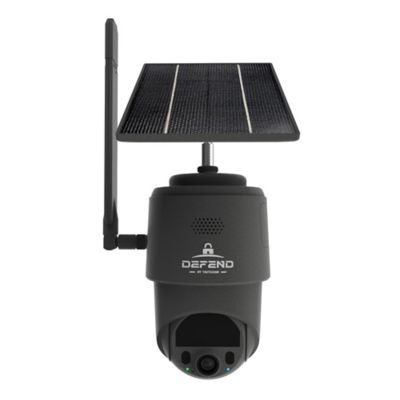
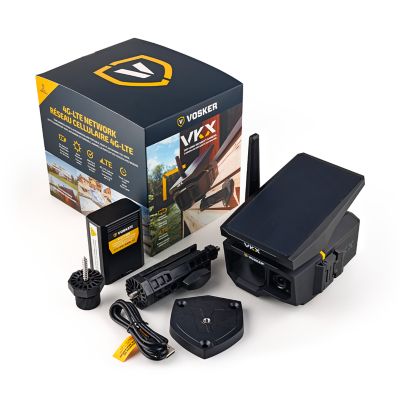
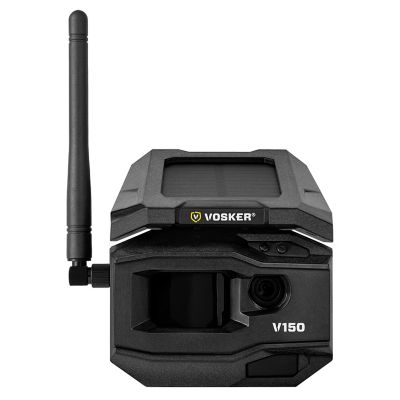
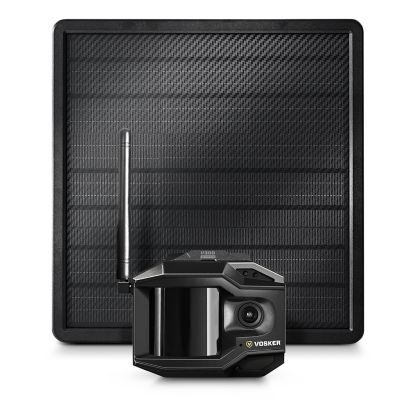
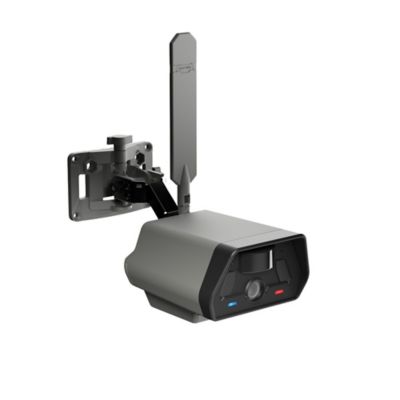
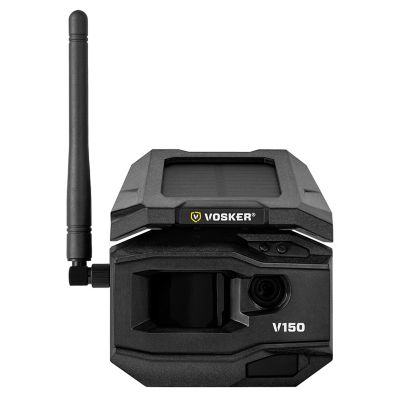
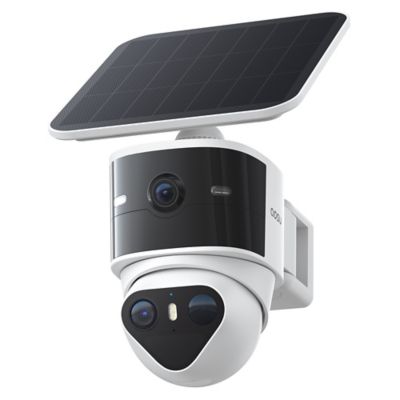
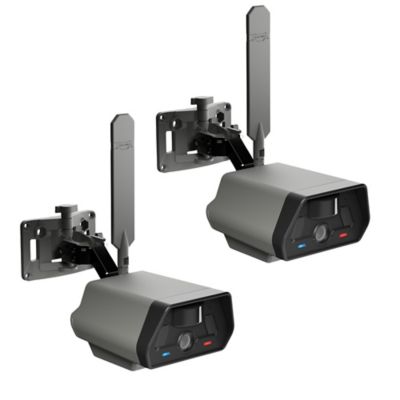
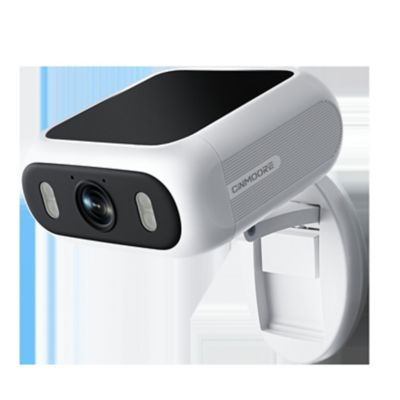
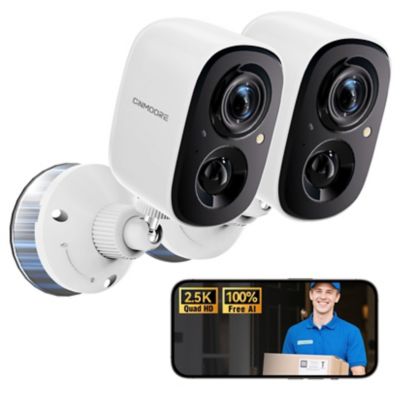
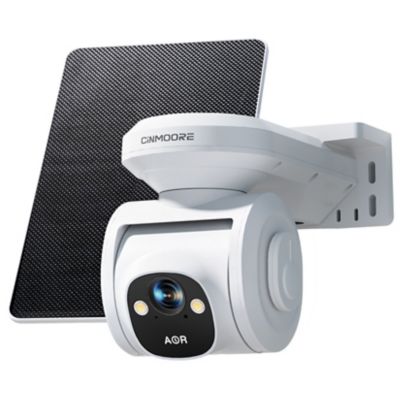
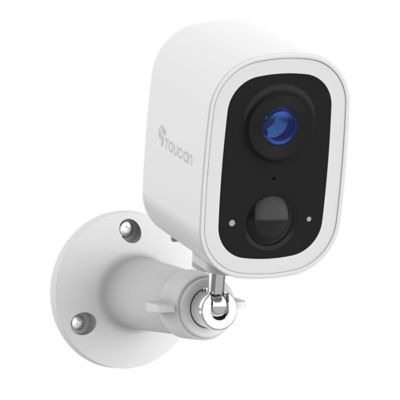
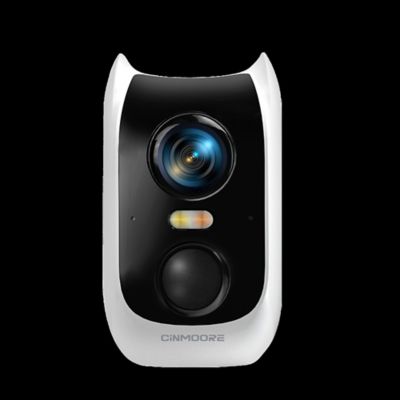
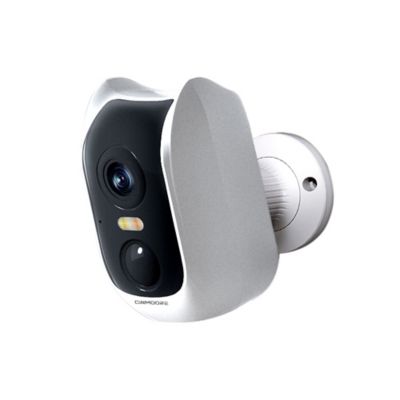
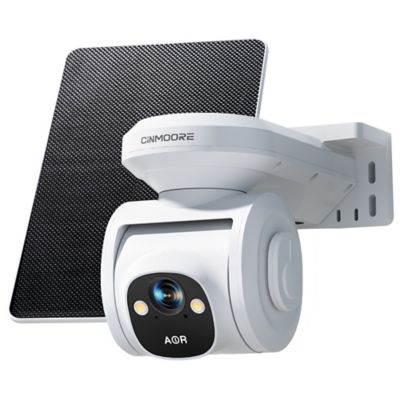
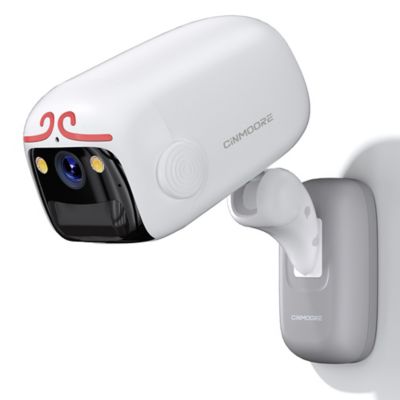
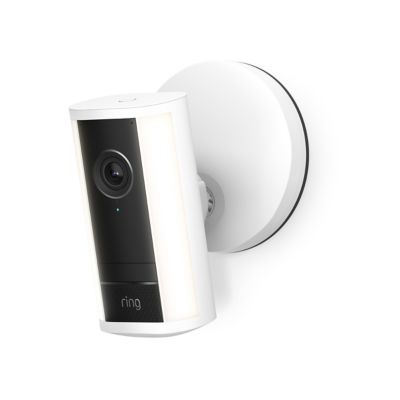
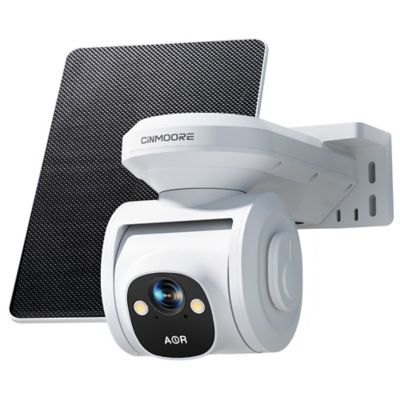
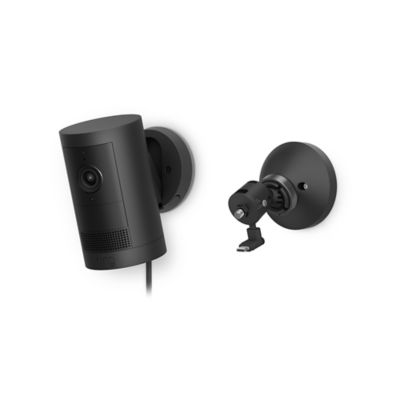
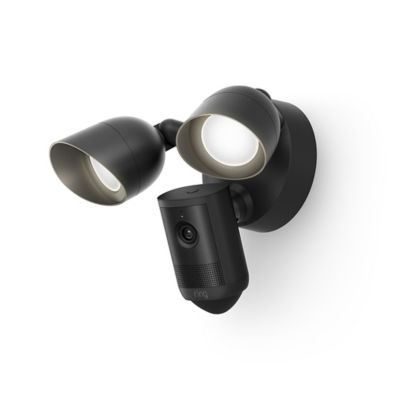
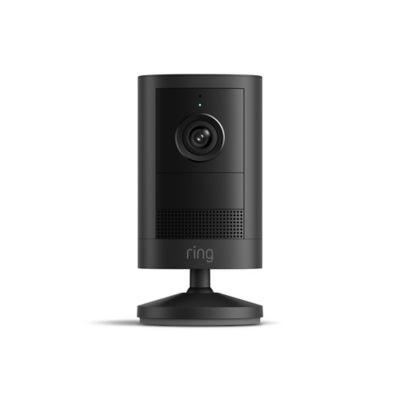
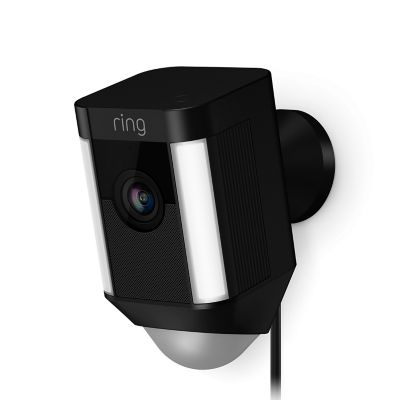
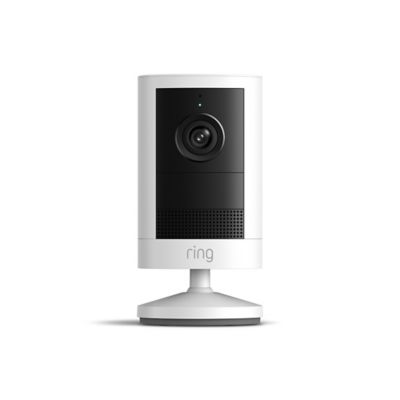
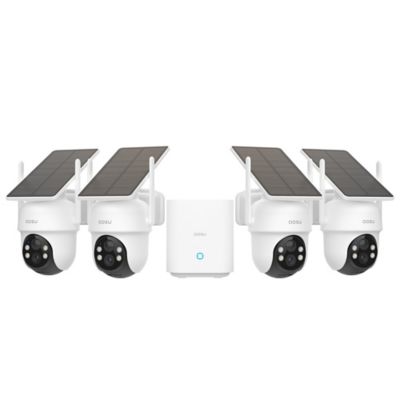
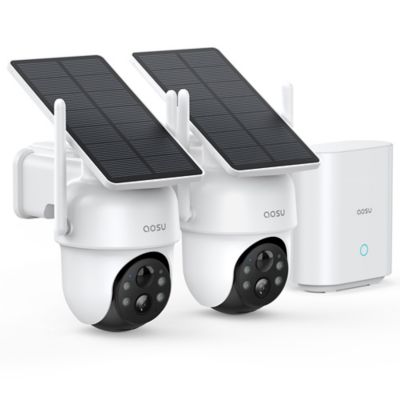
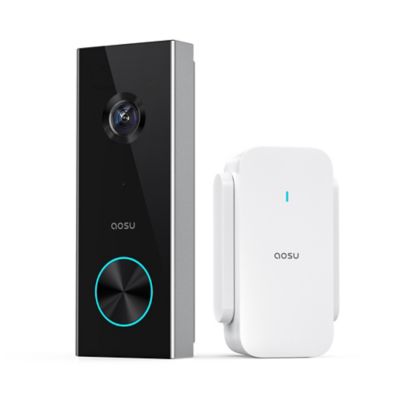
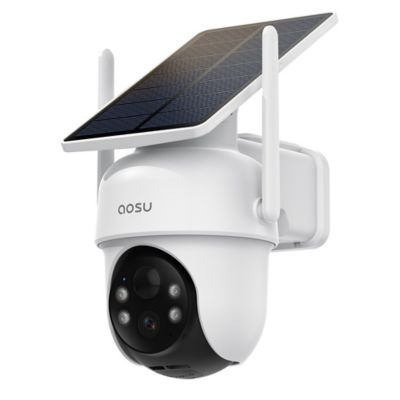
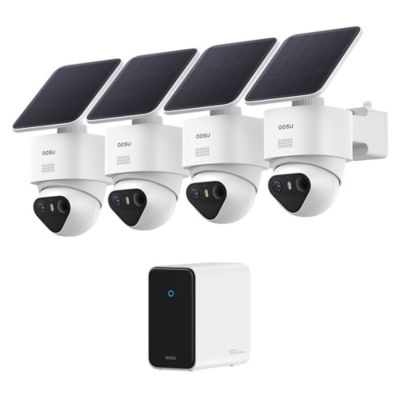
A security camera for a barn helps keep an eye on entry doors, feed rooms, equipment bays and livestock areas without a walk across the yard every time something needs checking. The right setup depends on three things: power at the mounting location, a connection that reaches the barn and a clear view of the area that matters. Wi-Fi cameras fit barns with a strong network signal, but distance alone does not tell the whole story. Metal siding, masonry walls and equipment between the router and camera can weaken reception, even when the building looks close to the house. A point-to-point wireless bridge can extend a network between buildings with suitable placement and a clear path, though the equipment at each end generally needs power. Cellular cameras communicate through a mobile network rather than local Wi-Fi, making them an option for detached barns without an internet connection. Carrier coverage at the actual mounting spot, compatible service and support for the desired viewing features all matter. Battery-powered and solar-assisted cameras offer flexibility where outlets are missing, while charging needs depend on recording activity, signal strength and the camera’s power demands. Solar panels need an unobstructed position with enough sunlight; a panel tucked beneath a deep barn overhang may not keep up. Wired cameras suit locations where permanent cabling makes sense, and Power over Ethernet systems can carry power and data through compatible network cable. Those cameras still depend on powered network equipment or a recorder elsewhere in the setup. For a barn with several entrances and a long center aisle, a coordinated camera system can provide broader coverage than one camera aimed from a corner. Electrical connections and cable routes belong in an installation suited to the building, with wiring protected from hooves, teeth, machinery and snagging tools. That foundation matters whether the goal is watching the tack-room door, checking a delivery or seeing who pulled into the equipment shed.
Clear barn security footage depends on camera placement and lens coverage as much as the resolution printed on the box. A wide-angle lens can show a feed aisle or several stall fronts, but people and animals farther away occupy less of the image. A tighter view can reveal more detail around a doorway or gate while leaving other areas outside the frame. Pan-and-tilt cameras let viewers change direction remotely, although they cannot watch every direction at once. Optical zoom can help bring distant details closer when the camera supports it; digital zoom enlarges part of an existing image without adding captured detail. Mounting height also changes what the camera sees. A view straight down may show someone entering without giving a useful look at their face, while a low position can put the housing within reach of a curious horse or passing equipment. Solid mounting surfaces, suitable fasteners and brackets that hold their position help keep the scene steady. For a wood post, masonry wall or metal building frame, the mounting hardware needs to match the surface rather than simply fit the camera bracket. Housings and connection points also need protection appropriate to dust, airborne chaff, damp areas and any routine washdown nearby. An enclosure rating describes specific protection limits, so a camera intended for sheltered placement is not automatically suited to a hose-down area. Night vision deserves attention in barns where aisle lights go off after chores. Infrared illumination can show activity without visible floodlighting, but nearby rails, walls and cobwebs may reflect that light toward the lens and obscure the scene. Cameras looking through glass can face similar glare. Routine care is straightforward: gentle lens cleaning, clearing cobwebs and checking mounts and cable protection help preserve a useful view. A camera above a busy feed aisle may need more attention than one in a cleaner storage area, especially when dust collects around the lens.
For animal areas, a barn camera offers a handy extra set of eyes between hands-on checks. A broad stall view may help show whether a mare is standing or lying down, while coverage along a pen can reveal movement around a feeder or waterer. The related
Security Camera for Livestock page focuses on cameras for animal-monitoring needs. In any livestock setup, rails, partitions, bedding and the animals themselves can block parts of the picture, so one viewpoint may not cover an entire enclosure. Video supplements regular care rather than replacing physical checks, veterinary advice or emergency attention. Audio, when supported and appropriate for the location, can add context, but a microphone may also pick up fans, machinery and other barn noise. For general security, motion alerts can flag activity around doors and equipment storage, while person or vehicle detection may help narrow notifications on cameras that support those features. Animal movement, insects near the lens and changing light can still trigger alerts. Detection zones can concentrate attention on an entrance instead of every movement in the aisle, though they do not guarantee that every event will be identified. Recording options matter just as much as live viewing. Memory cards, network recorders and cloud storage have different connection and retention requirements, and some functions depend on an account or service plan. A camera with local recording may continue saving footage during an internet interruption if its power and recording hardware remain running, while remote viewing generally needs a working connection. Backup power must cover the equipment needed for the intended function, not only the camera. Strong account passwords, supported software updates and access limited to the people who need it help protect private footage. For livestock owners, horse keepers and folks with tools or equipment stored away from the house, the most practical barn camera setup brings together a useful view, suitable power, a working connection and recordings that can be found when needed.