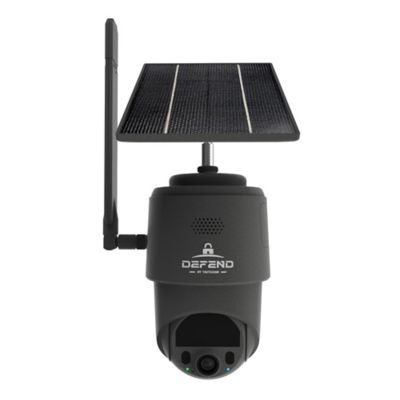
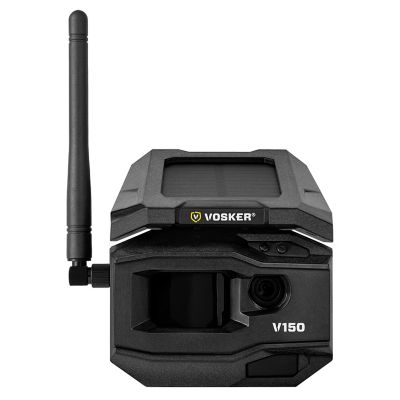
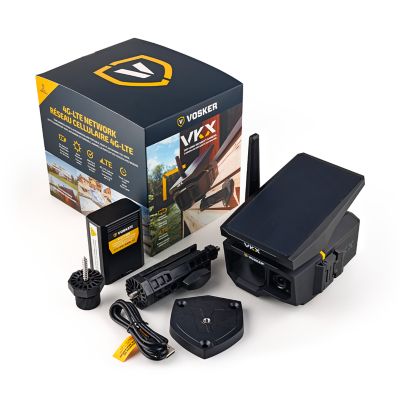
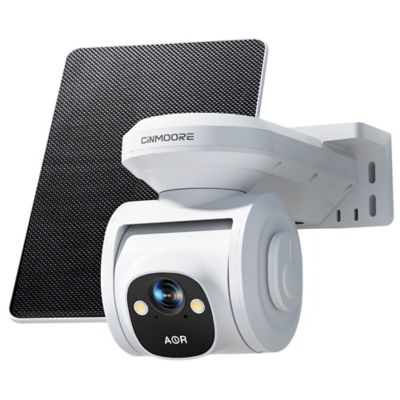
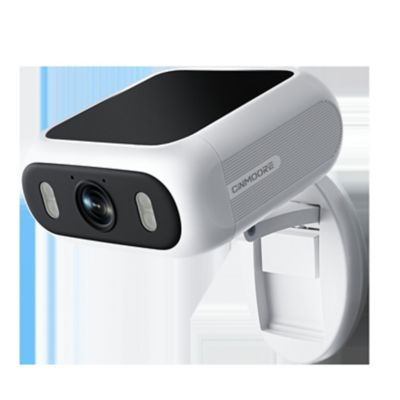
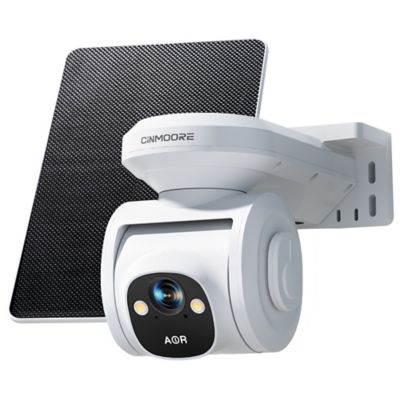
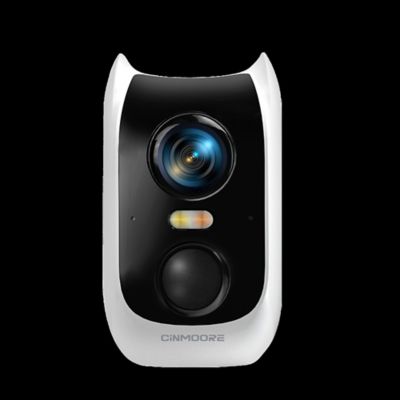
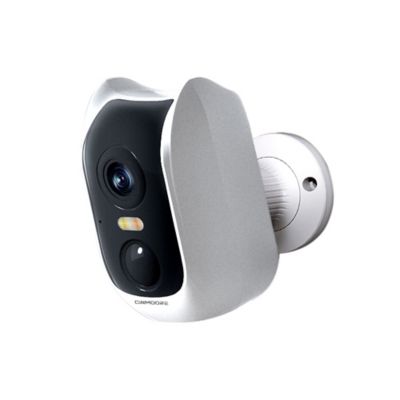
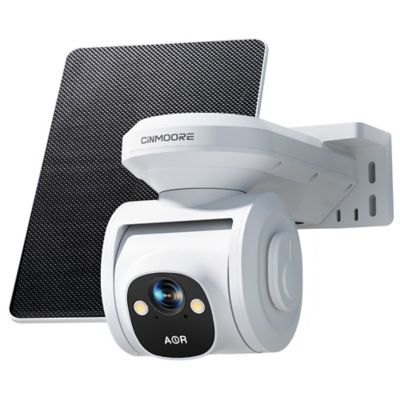
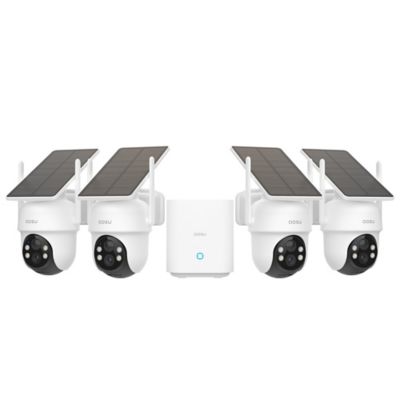
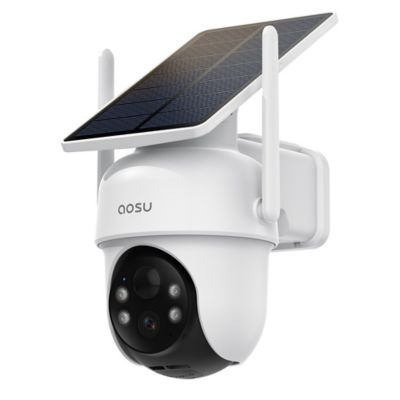
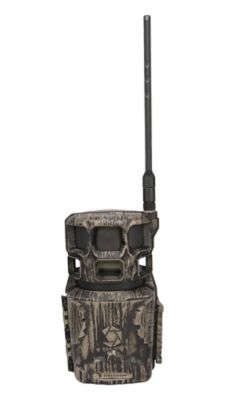
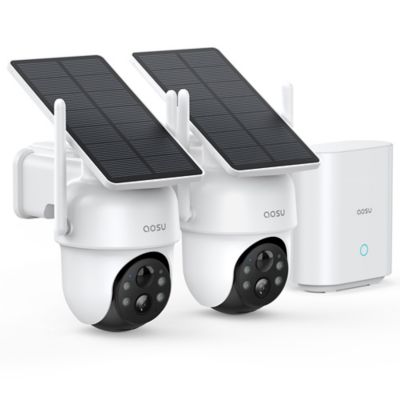
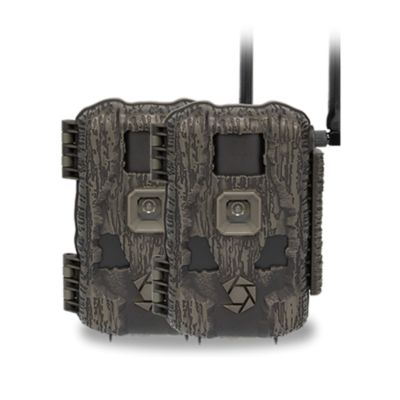
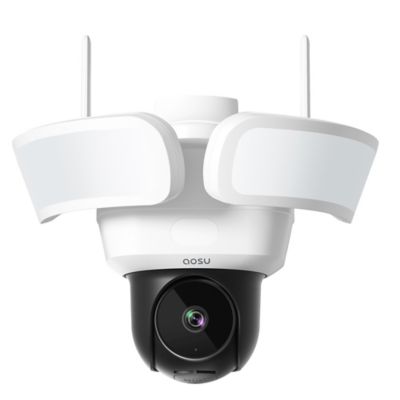
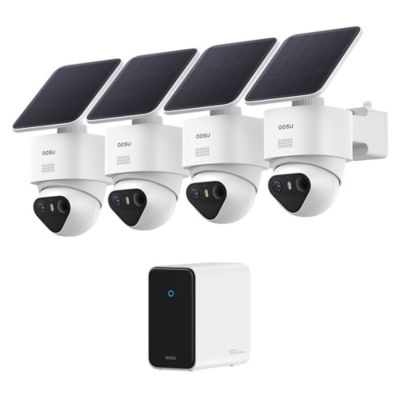
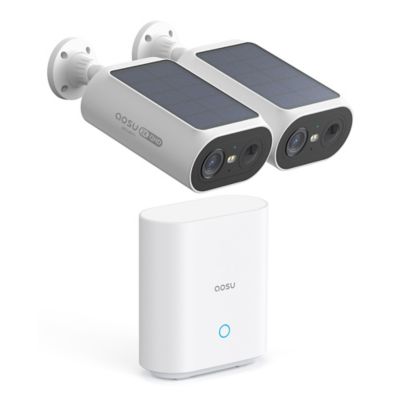
The right security camera for a ranch depends on power at the mounting location, internet or cellular coverage, and the distance between the camera and what needs watching. A camera overlooking the driveway has a different job than one aimed down a barn aisle or across an equipment yard. Ranch security cameras can help keep an eye on gates, trailers, fuel tanks, tack rooms, and outbuildings without a separate trip to every corner of the place. For ranch owners, caretakers, and families managing acreage, that extra view can make it easier to see a delivery arrive, spot activity near a parked tractor, or check whether someone has left a gate open. Coverage matters more than simply having a camera with a high resolution. A wide-angle lens takes in more of a yard, while a narrower view can show more detail at a particular entrance. A broad picture of a distant gate may show a vehicle coming through without capturing enough detail to identify a face or license plate. Higher-resolution video can help with detail, but distance, lens design, lighting, and camera placement still matter. Pan-and-tilt models offer adjustable views, while fixed cameras keep steady watch over one area. A moving camera only records the direction it faces at that moment, so separate views may make more sense where several entrances need attention at once. After dark, infrared night vision can provide a view without visible lighting, while color night viewing may depend on built-in lights or existing illumination. Published night-vision distances describe operating reach, not a promise of readable details at the far edge. Cameras facing reflective gates, close walls, or glass can pick up glare that hides the scene beyond. A useful ranch camera setup balances broad awareness with closer views of the places where recognizable detail matters most.
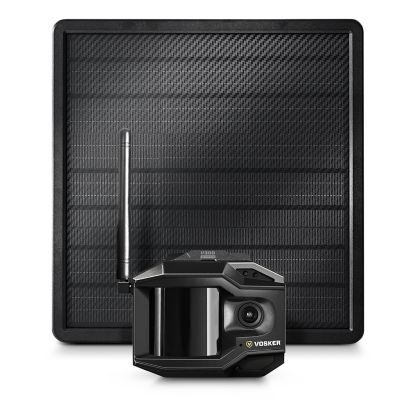
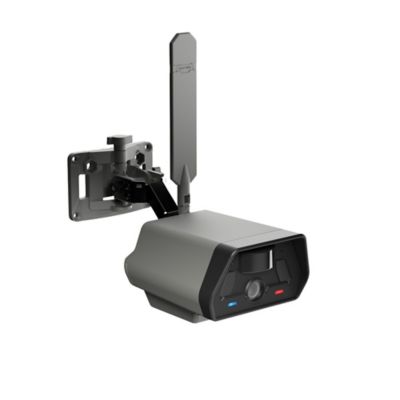
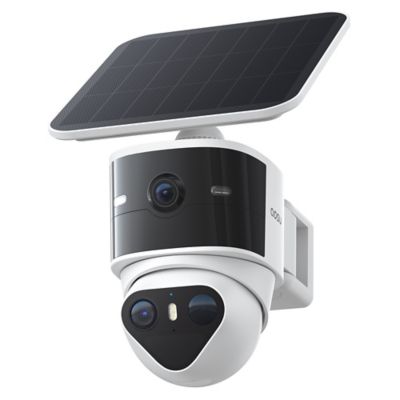
Power and connectivity often separate cameras suited to the home place from those intended for a distant pasture entrance. Plug-in cameras need access to an appropriate electrical supply, while compatible Power over Ethernet systems carry power and data through a network cable. Wired connections can make sense around a shop, house, or barn where cable routes are practical and protected from livestock and equipment. Long runs between buildings bring additional installation considerations, including cable distance limits, grounding, and electrical protection. Wi-Fi cameras connect through an existing wireless network, but coverage inside the house does not guarantee a strong signal at the far side of a metal barn. Building materials, terrain, and distance can interrupt the connection even when the camera appears close on a property map. A network extender or point-to-point wireless bridge may support some layouts, depending on the equipment and a clear path between locations. Cellular security cameras offer another option for gates and outbuildings beyond the home network, provided a supported carrier has sufficient service at the actual mounting spot. Phone reception nearby is a starting point, not a guarantee that every camera will connect equally well. Battery-powered cameras reduce the need for electrical wiring, though recording frequency, clip length, and connection strength affect how often batteries need attention. Compatible solar panels can help recharge batteries where there is enough direct sunlight and suitable placement. Solar charging supports the battery rather than removing its operating limits, and a shaded mounting location may call for a separately positioned panel. Motion-triggered battery cameras and continuously recording wired systems serve different needs, too. A motion clip may be enough to see a truck enter a lane, while continuous footage can provide more context around activity in a busy work area. For a ranch with several buildings, a mix of camera types may fit better than expecting one connection or power source to reach everywhere.
Recording, alerts, and the camera’s physical build shape how well the setup fits everyday ranch work. Local storage can keep footage on a memory card or compatible recorder, while cloud recording sends supported footage to an online account. Recording capacity, clip retention, and the ability to export video matter when looking back at activity after a long day away from the phone. Some systems can continue recording locally during an internet outage, although remote viewing and notifications depend on connectivity. App compatibility, shared access, and account security also deserve attention when several family members or caretakers need a view. Person and vehicle detection can help sort activity, but performance varies with placement and the scene. Motion zones may reduce alerts from a busy road beyond the fence, and adjustable sensitivity can help keep every passing animal from filling the notification list. For a setup centered on pens, stalls, and feeding areas, explore
Security Camera for Livestock options alongside cameras for gates and equipment storage. Remote views can help reveal activity that calls for a closer look, but they do not replace hands-on animal checks. Around barns and corrals, sturdy metal or molded polymer housings, secure brackets, and suitable outdoor ratings help a camera stand up to its surroundings. Mounting height should balance a useful viewing angle with protection from rubbing animals, swinging gates, and passing machinery. Exposed cords need a protected route away from chewing and snagging, and cameras should not create a hazard near feed or water. Dust, cobwebs, and insects around the lens can interfere with daytime detail and night vision, making accessible mounting and gentle cleaning worthwhile. Cleaning methods should follow the equipment’s care directions, especially around lenses, seals, and electrical connections. Cameras aimed at the property’s own entrances and work areas can provide useful coverage while respecting neighboring spaces. A setup matched to the ranch’s layout, routines, and connection options makes it easier to keep watch without adding unnecessary chores.