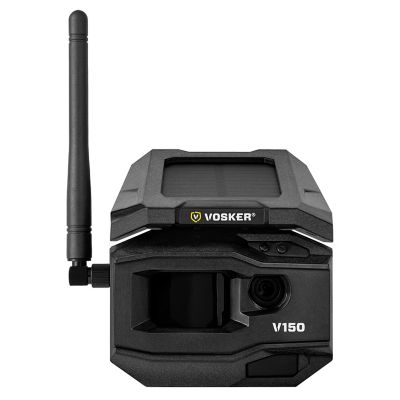
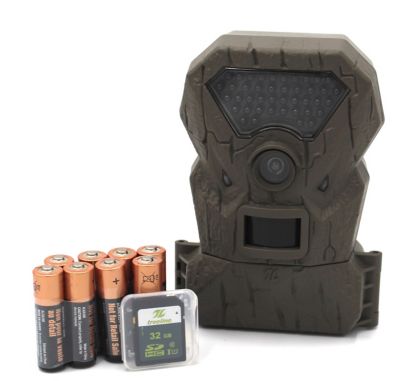
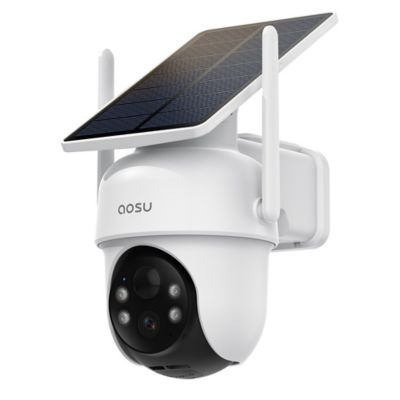
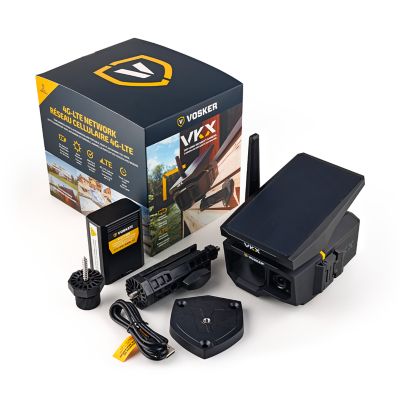
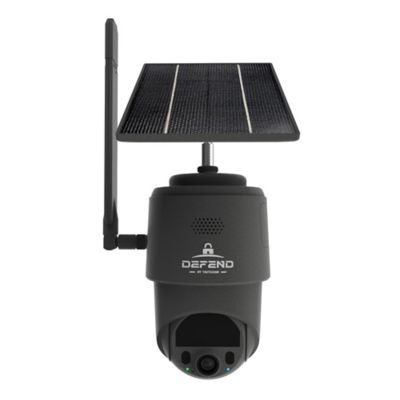
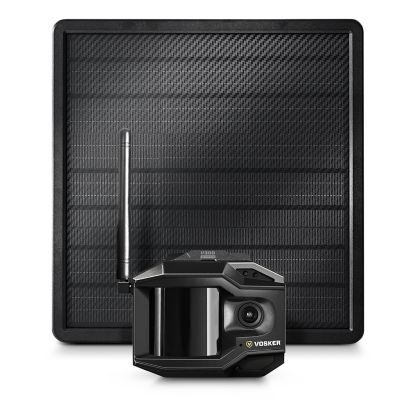
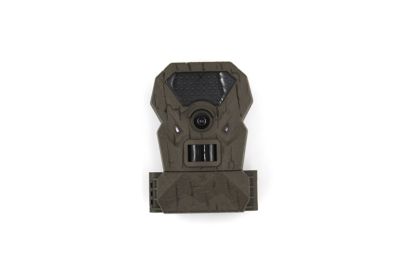
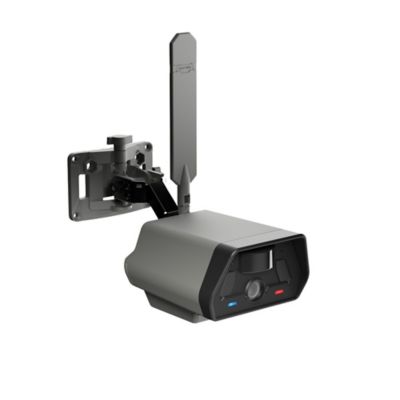
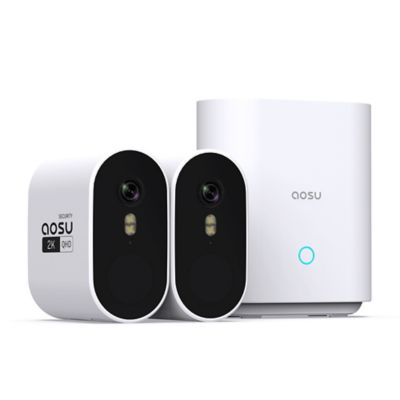
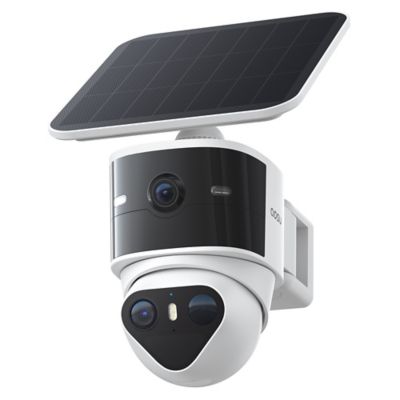
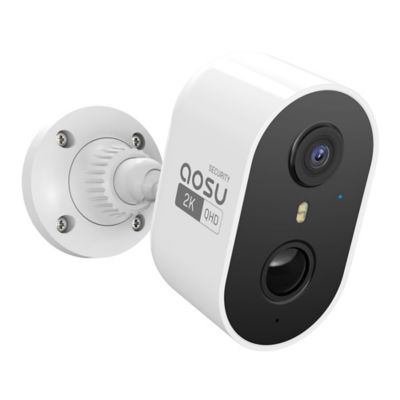
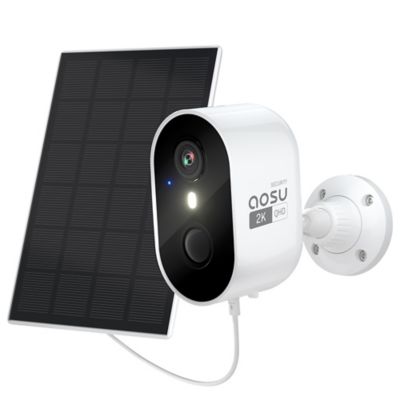
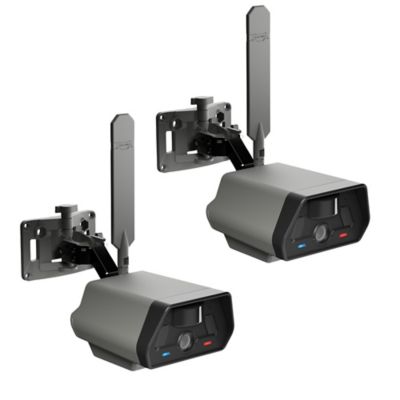
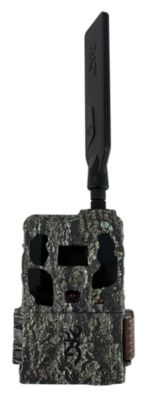
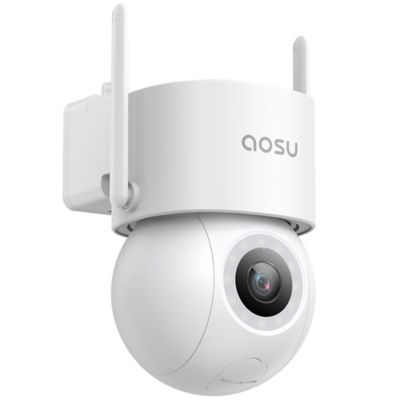
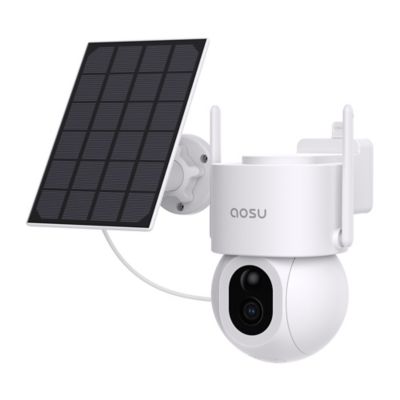
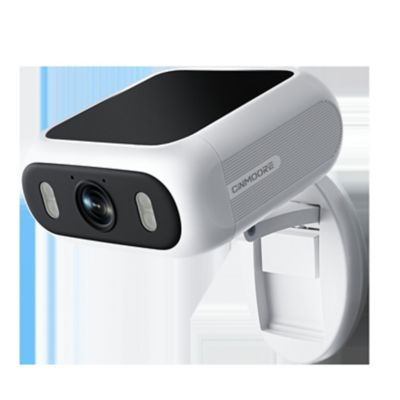
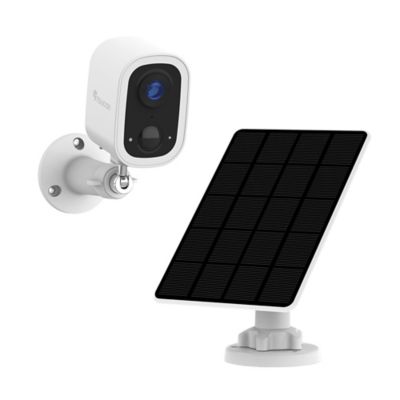
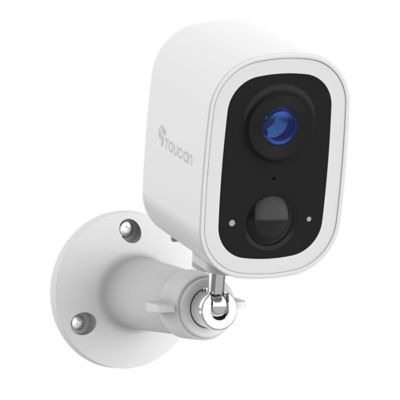
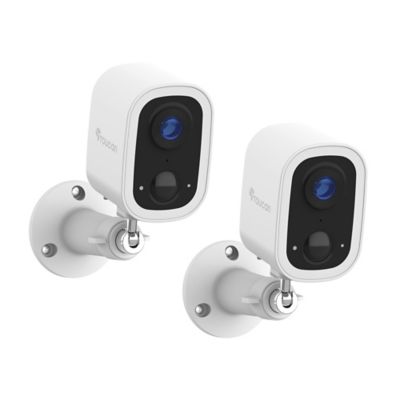
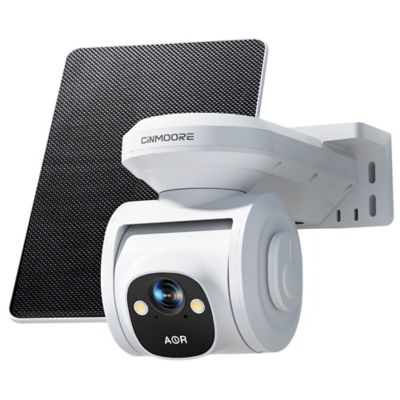
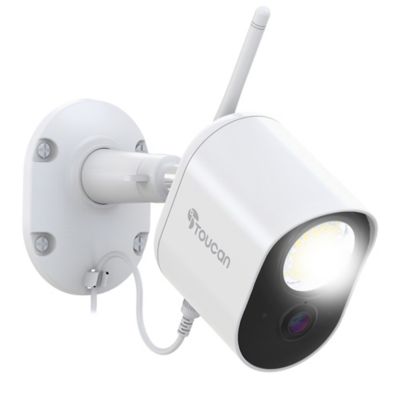
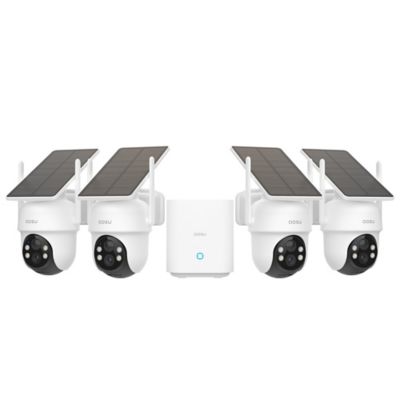
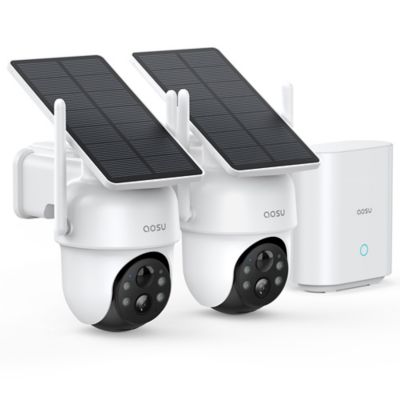
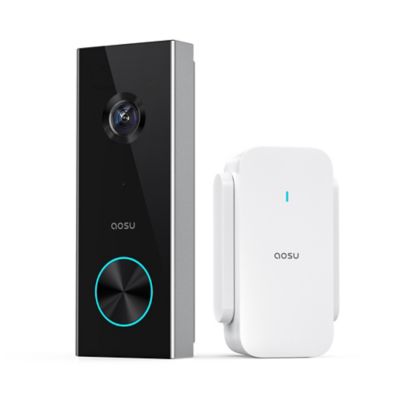
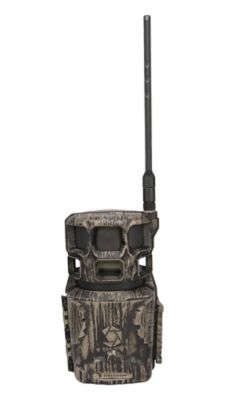
An outdoor farm security camera helps keep an eye on gates, equipment yards, feed storage and the lanes that connect a working property. The right setup depends on three things: power at the mounting spot, a workable internet or network connection, and the distance between the camera and what needs watching. A camera near the house may connect to an existing Wi-Fi network, while one at a far pasture entrance may need cellular service or a separate network connection. Metal siding, thick walls, trees and the lay of the land can affect wireless signals, so a strong connection at the kitchen table does not necessarily mean a strong connection behind the equipment shed. Cellular cameras communicate through a compatible mobile network and generally need an active data plan; they do not depend on the house Wi-Fi reaching the gate. Power options matter just as much. Plug-in cameras need a suitable electrical supply, battery-powered models need periodic charging or battery replacement, and solar-assisted setups depend on panel placement, sunlight and battery capacity. A solar panel does not remove the need to check the battery, especially where frequent recordings draw more power. Some wired systems carry power and video through an Ethernet cable, which can make sense around buildings with an established network. Wireless networking and cordless power are separate features, so a Wi-Fi camera may still have a power cord. For a property with several buildings, a mix of camera types may suit the layout better than one approach everywhere. A barn entrance, machinery shed and remote driveway each present different connection and coverage needs. Looking at those locations as separate working spaces helps make sense of the choices without assuming that a single camera can watch an entire farm. Remote viewing also depends on the camera’s supported features and connection; local recording alone does not necessarily provide live video on a phone away from home.
Coverage is about more than fitting the whole yard into the picture. A wide-angle outdoor security camera can show activity around a loading area or several stall entrances, while a narrower view can put more attention on a driveway opening or walk-through gate. Fine details become harder to make out as the subject gets farther away, even when a camera has a high-resolution image. A broad view of a gravel lane may show that a truck arrived without clearly showing a face or license plate. Camera position, lens design, lighting and movement all affect what the recording reveals. For buildings that combine animal care, tack storage and daily foot traffic, a
Security Camera for Barn setup can help bring attention to entrances and other busy spots without relying on a single distant view. Mounting height should balance reach protection with a useful viewing angle; a camera pointed steeply downward may mostly capture hats and the tops of vehicles. Adjustable brackets make it easier to frame a doorway or gate, and a secure mounting surface helps keep the image steady when nearby doors or machinery vibrate. Metal or outdoor-rated polymer housings, sealed cable connections and stated water- and dust-resistance ratings are worth considering for exposed locations. A housing’s protection rating applies to the camera as specified, not automatically to every plug, adapter or junction in the installation. After dark, infrared night vision can show activity without a visible light, while cameras with built-in lighting may support color images under suitable conditions. Published night-vision distances are not a promise of facial detail at the far end of that range. Nearby siding, rails, spiderwebs and glass can reflect infrared light back toward the lens. Around livestock, light placement and alert sounds also deserve some thought so routine animal movement does not set off a distracting spotlight or siren throughout the night.
Recording and notifications shape how a farm camera fits into the day-to-day routine. Motion alerts can draw attention to someone approaching the shop while chores are happening elsewhere, but a busy property has plenty of other movement: cattle at a water trough, a swinging chain, a farm truck making repeated trips through the yard. Cameras with activity zones or supported person, vehicle and animal detection can help narrow the alerts, though no detection system catches every event or sorts every movement correctly. Battery-powered cameras often conserve energy by recording triggered events rather than recording continuously, so recording mode deserves a close look when uninterrupted coverage matters. Local memory cards and recording systems keep footage on-site, while cloud recording depends on the service and an internet connection. Storage capacity, recording resolution and the amount of activity all influence how much footage remains before older recordings are overwritten. A camera that keeps recording locally during an internet outage may still lose remote viewing and alerts until the connection returns. For farm owners, caretakers and families managing more than one building, shared viewing access can help keep the right people informed without sharing a single account password. Strong passwords, software updates and access settings are part of looking after the system, along with respecting neighboring property and private spaces when framing the view. Physical care is straightforward but important: keep the lens clear of dust and webs, check brackets and cable seals, and follow the maker’s cleaning directions rather than scrubbing the lens with whatever is handy in the shop. Cords and charging connections belong out of chewing reach and clear of equipment paths. Cameras can provide a helpful view of arrivals, deliveries and activity around animals, but they do not replace sound locks, secure fencing or hands-on livestock checks. A setup matched to the property’s power, connection and viewing needs becomes another practical tool for keeping tabs on the place.