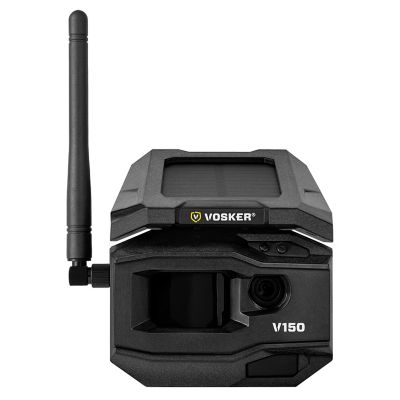
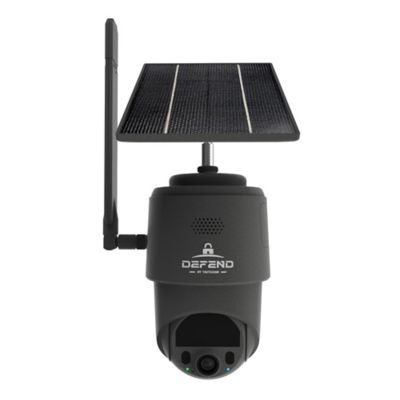
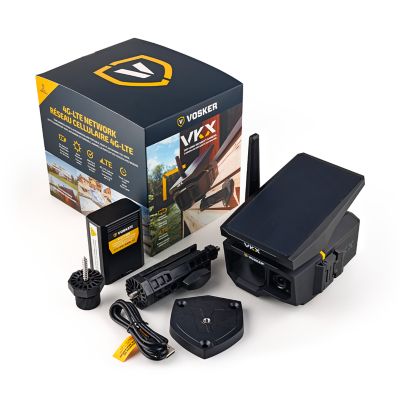
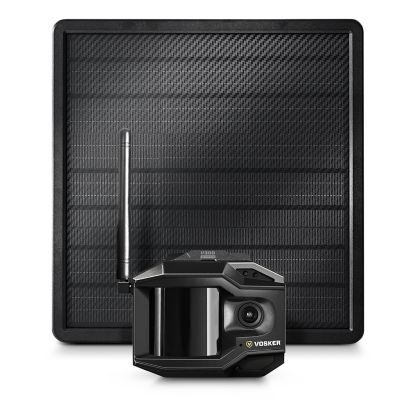
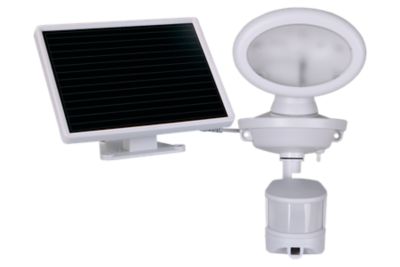
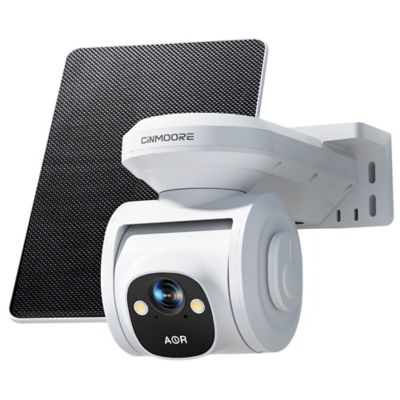
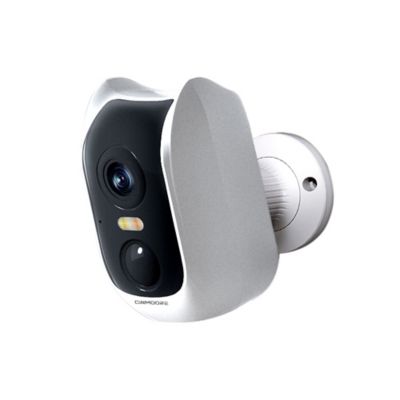
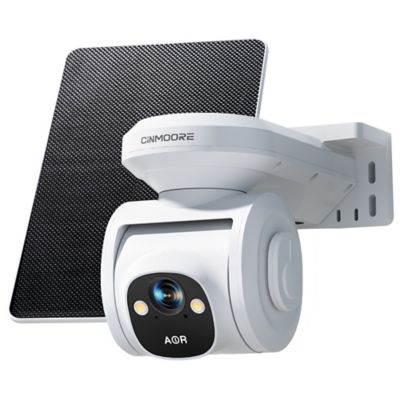
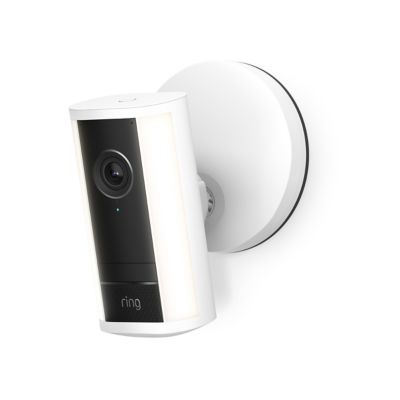
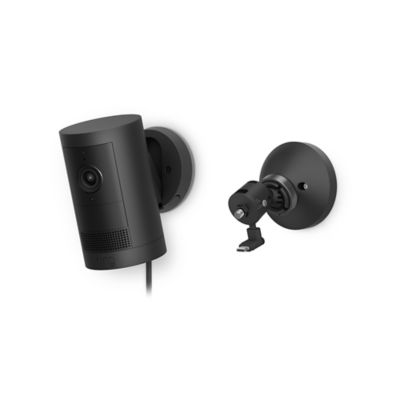
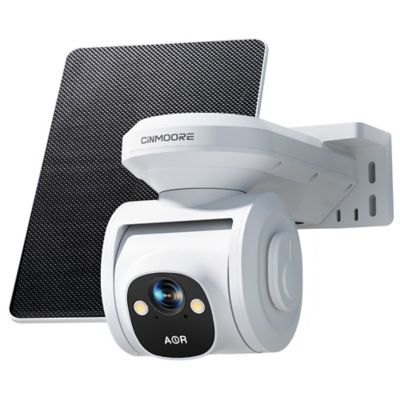
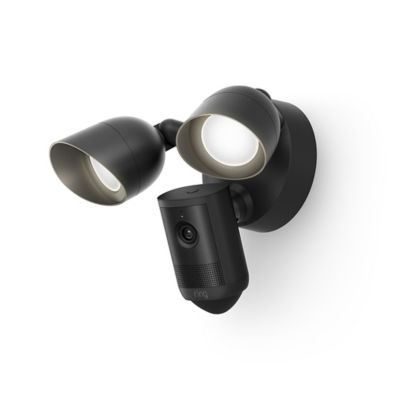
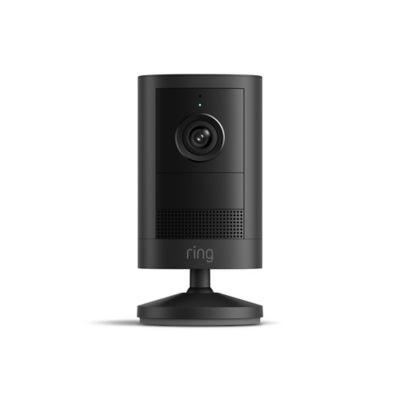
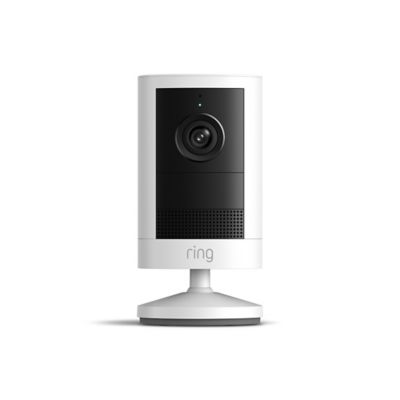
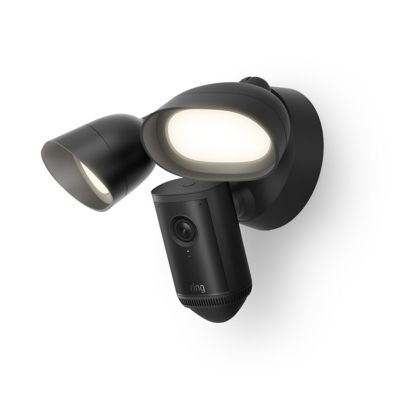
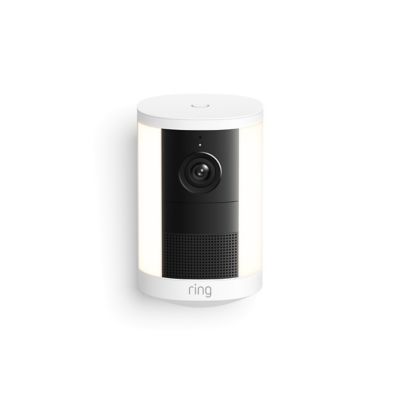
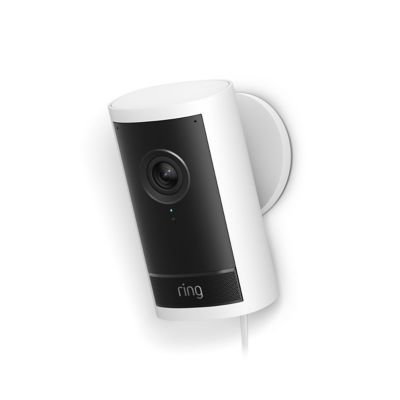
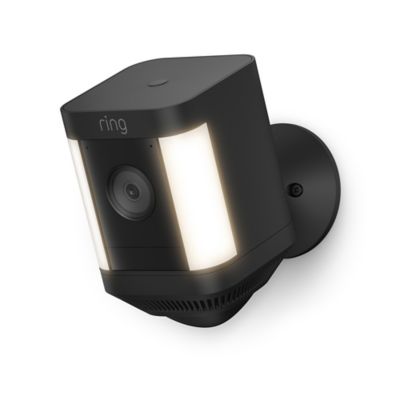
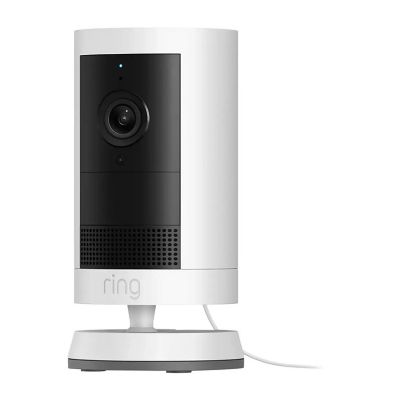
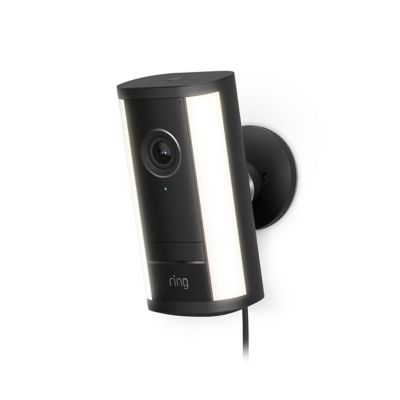
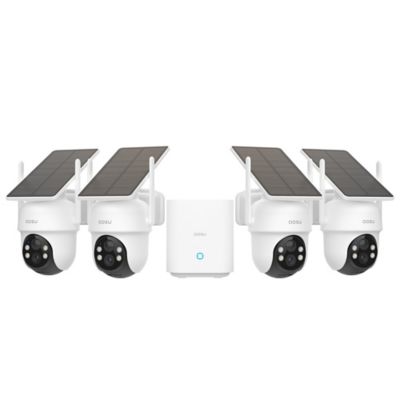
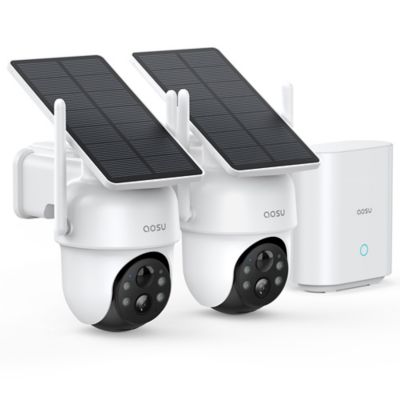
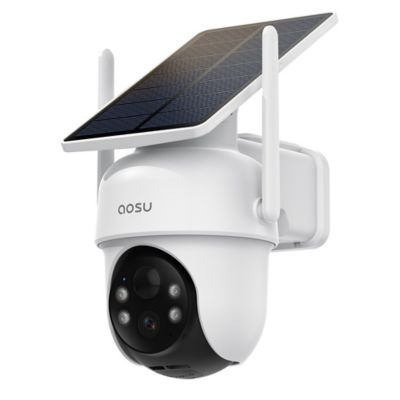
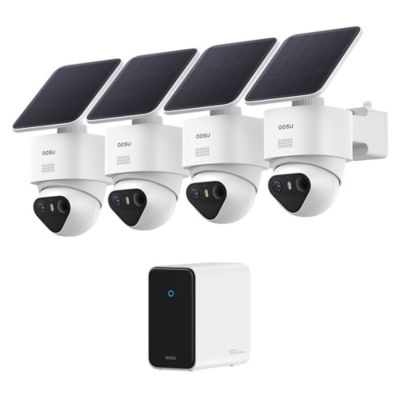
Farm security cameras help keep an eye on barn entrances, equipment sheds, livestock areas, and the long driveway between the road and the house. The right setup depends on three things: the property’s layout, the internet connection at each camera location, and the power available there. A camera watching a shop door has a different job than one overlooking a pasture gate half a mile away. Near the house or office, Wi-Fi cameras can make sense when the signal reaches the mounting spot without dropping out. Metal siding, thick walls, and distance can weaken that signal, so coverage at the actual barn entrance matters more than coverage inside the kitchen. Cellular cameras connect through a supported mobile network and may suit locations beyond the farm’s Wi-Fi, provided there is sufficient carrier coverage and compatible service. Solar-powered models pair a panel with a battery, offering another power option where running an electrical line would be a substantial project. Their performance depends on panel placement, battery capacity, and how often the camera records or sends alerts. A busy lane with trucks coming and going puts different demands on that setup than a gate opened twice a day. Wired systems can fit buildings where cable routing is practical, including compatible Power over Ethernet systems that carry power and data through one cable. Wireless does not always mean cord-free, either; some wireless cameras still need an outlet. For farmers balancing chores across several buildings, a connected system can bring those views together on a phone or monitor. For a smaller acreage, coverage of the driveway and main outbuilding may be enough. The best match is a camera arrangement that covers the places people, animals, and equipment actually pass through, rather than simply showing the widest stretch of ground.
Image detail, viewing angle, and camera placement shape how useful that coverage will be. A broad view can show activity around a hay shed, but a closer view of the entrance may give a better look at someone approaching the door. Higher resolution can reveal more detail, although distance, lighting, lens design, and network performance still affect the picture. A camera mounted high under an eave may be harder to reach, yet an overly steep angle can show the tops of hats instead of faces. For an entrance where vehicle identification matters, a camera should have a clear view of the approach; ordinary security footage does not guarantee readable license plates, especially with moving vehicles or headlight glare. Pan, tilt, and zoom features can help check different parts of a yard or livestock area remotely. They do not replace fixed coverage everywhere, since a camera turned toward the loading area cannot watch the opposite gate at the same moment. Night vision deserves attention around unlit barns and equipment lots. Infrared lighting supports nighttime viewing, while some cameras need visible illumination for color images after dark. Nearby walls, cobwebs, and reflective metal can interfere with the view, making placement just as important as the listed viewing distance. An
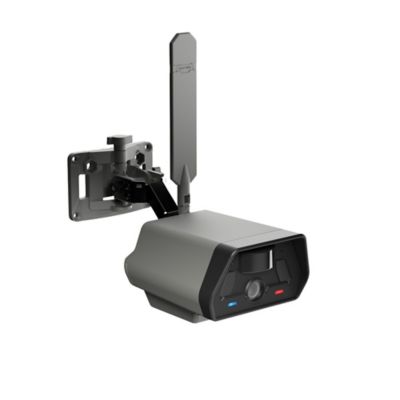
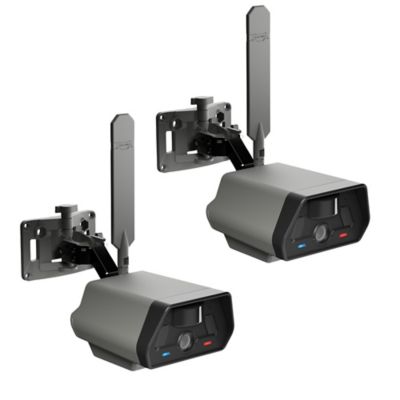
Outdoor Farm Security Camera belongs in an enclosure suited to exterior placement, with a stated protection rating appropriate for the location. Housing materials, sealed connections, and mounting hardware all matter around dust, moisture, and daily farm traffic. Metal and plastic housings vary in construction, so the enclosure rating and installation requirements tell more than the material alone. Mounts need a sound attachment point, and cables belong clear of swinging gates, rubbing livestock, loader paths, and places where rodents can reach them. A clear lens and a steady mounting surface help keep a useful view through the bustle of the workday.
Recording and alert features determine what happens after movement enters the frame. Motion-triggered recording can capture activity at a feed room door without filling storage with hours of an empty walkway, while continuous recording can provide more context around a busy shop or loading area. Support for either recording mode varies by camera and power setup. Detection zones can focus attention on a driveway or entrance rather than a nearby road, and person or vehicle detection may help reduce notifications from moving vegetation or passing animals. Those features still need sensible settings; a barn cat crossing close to the lens can look much larger on screen than expected. Audio and two-way talk can help with a delivery at the gate when supported, though machinery noise may limit how clearly voices carry. For livestock owners, remote viewing can offer a quick look at activity in a pen or around a water station, but it is not a substitute for hands-on animal checks or a dedicated safety alarm. Storage choices also affect day-to-day use. Compatible memory cards or recording units keep footage on the property, while cloud-supported systems can make recordings accessible away from the farm through an internet connection. Recording retention, storage limits, and behavior during a connection outage vary by system. Account security matters when cameras show building access points, equipment locations, or daily routines: strong passwords, software updates, and separate access for authorized viewers help protect that information. Camera views should stay focused on the property and respect neighboring homes and private areas. Routine care can remain straightforward, with lens cleaning according to the manufacturer’s directions, checks for loose mounts or damaged cables, and occasional playback to confirm that important areas are recording as intended. Whether the job is checking a delivery, reviewing activity near a tool shed, or looking across the barnyard before heading down the lane, practical coverage puts the parts of the farm that matter within easier reach.