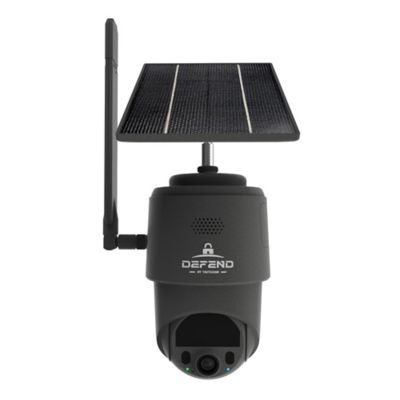
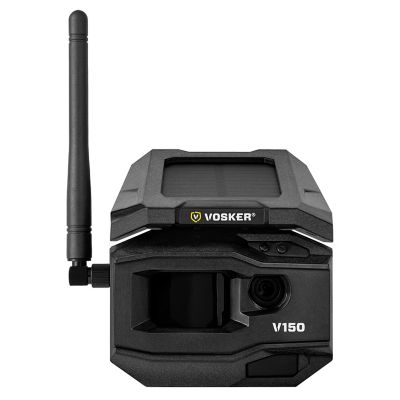
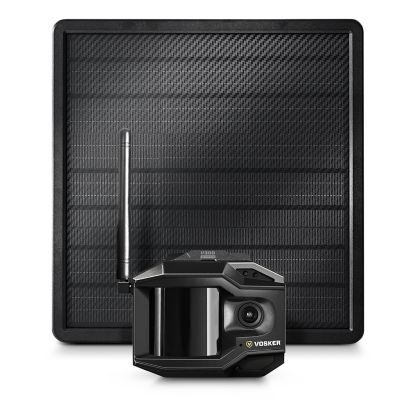
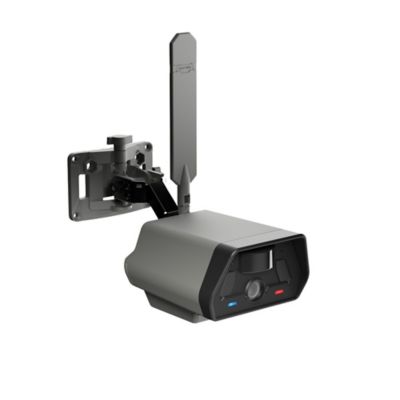
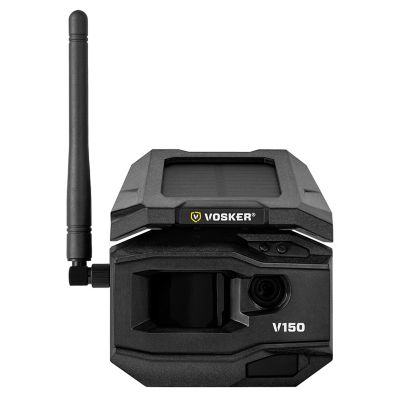
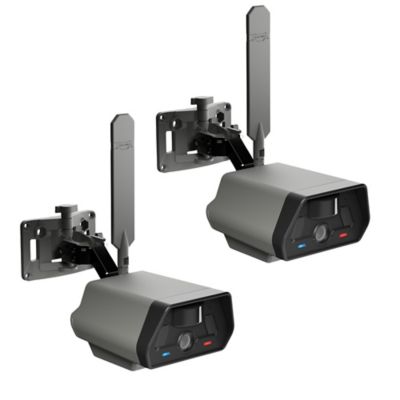
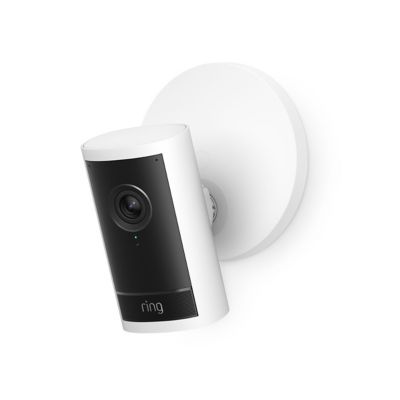
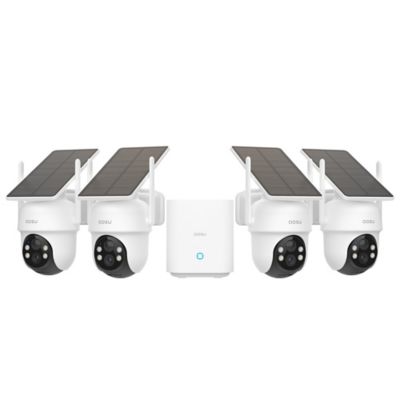
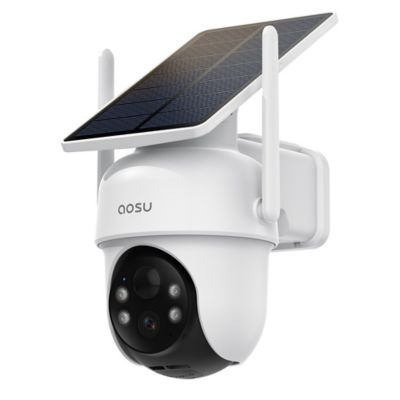
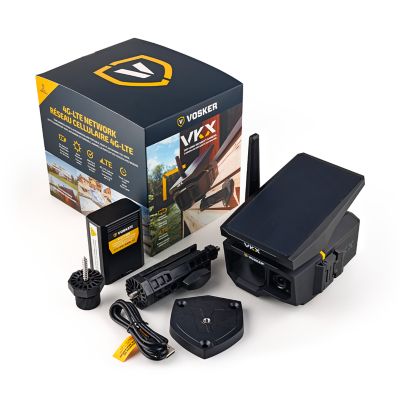
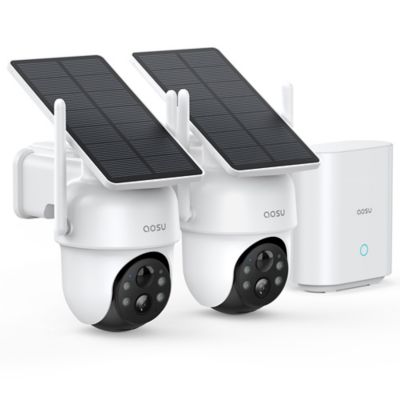
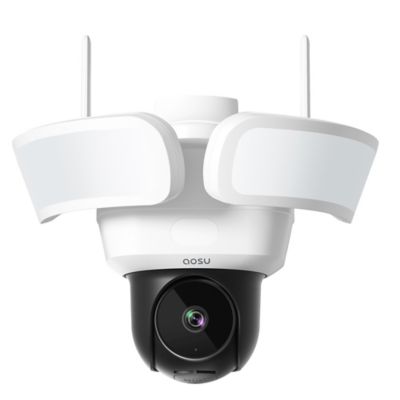
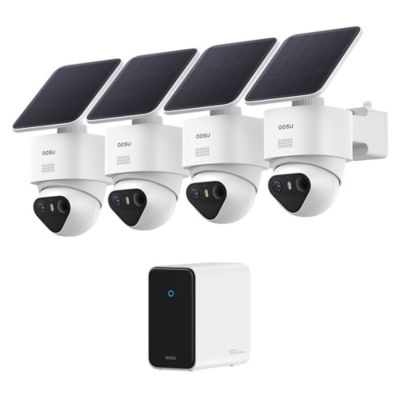
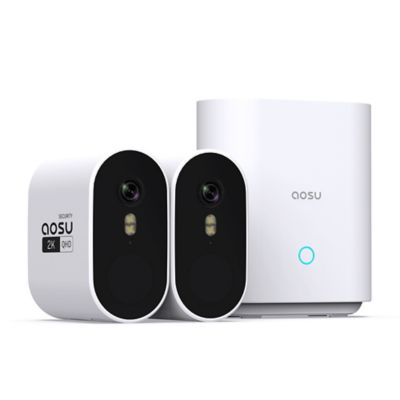
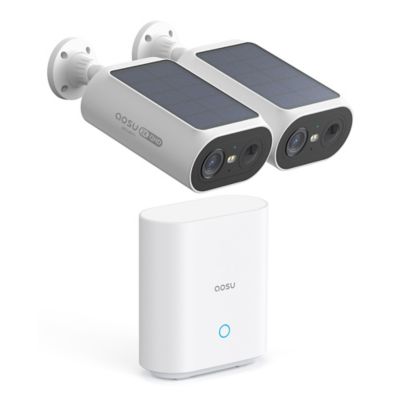
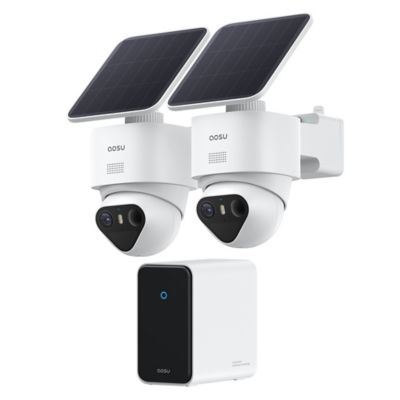
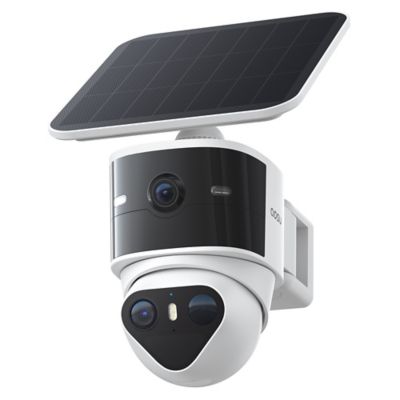
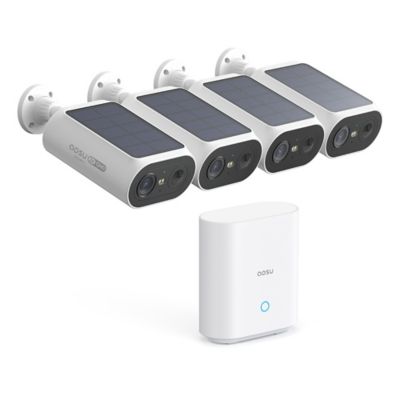
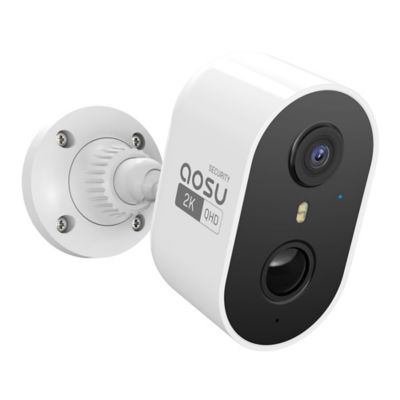
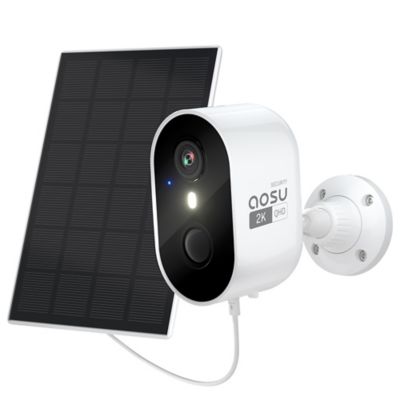
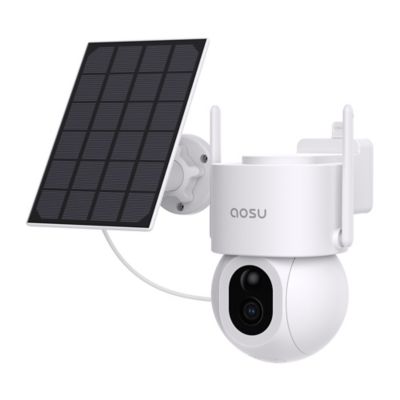
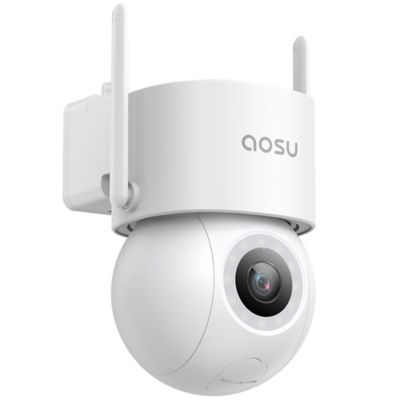
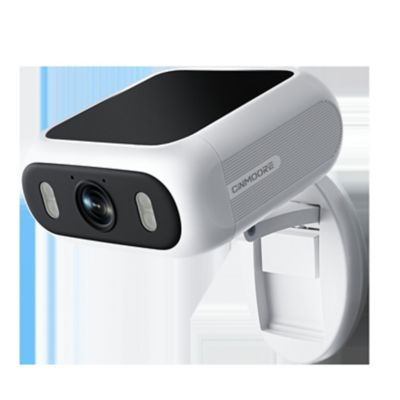
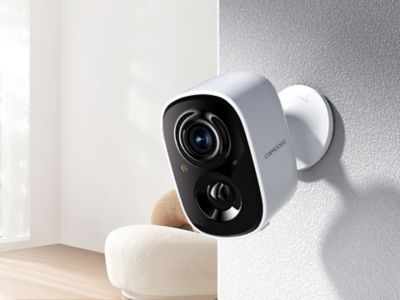
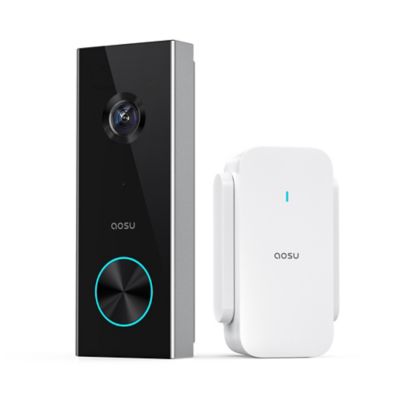
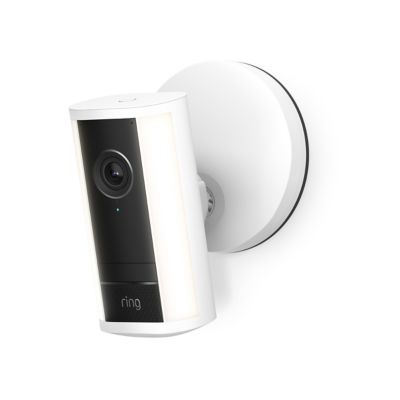
A security camera for rural areas helps keep an eye on places that are hard to see from the house: a gate down the lane, a shed behind the barn, or an equipment yard beyond the shop. The right setup depends on how that spot connects, how the camera gets power, and what needs to stay in view. Cellular security cameras send video and alerts over a compatible mobile network, making them a practical option for locations beyond the reach of home Wi-Fi. They still need cellular coverage at the mounting location, along with an active service plan; a signal at the kitchen table does not guarantee the same connection at a creek crossing or back pasture. Wi-Fi cameras generally make more sense around buildings with a strong network connection, while wired cameras can suit permanent installations where cable routes and power are already within reach. Power over Ethernet, often called PoE, carries power and data through an Ethernet cable between compatible equipment, reducing the need for a separate electrical outlet at each camera. For remote gates and outbuildings without electrical service, battery-powered cameras paired with compatible solar panels offer another approach. Solar charging depends on panel placement, available sunlight, battery capacity, and how often the camera records or transmits footage. It should not be mistaken for a promise of uninterrupted power or continuous recording. A camera facing a busy entrance may consume more battery power than one watching a seldom-traveled access road. Storage matters, too: supported memory cards or a local recorder can keep footage on the property, while cloud recording stores footage through an internet-connected service. Remote viewing and phone notifications still depend on a working connection, even when a camera records locally. Across these camera types, matching the connection and power source to the location is more useful than choosing by resolution alone. A clear view of the right entrance beats a sharper picture of a spot that misses the traffic altogether.
Rural properties call for different views than a front porch alone. A wide-angle camera can show whether someone entered an equipment yard, but a tighter view may provide more detail at a gate latch, fuel tank, or shop door. Advertised resolution is only part of that picture. Lens design, subject distance, mounting angle, lighting, and motion all affect how much detail appears in recorded footage. A broad view from the barn roof may show a truck arriving without revealing a readable license plate, especially after dark or when the vehicle is moving. Cameras with optical zoom can bring a distant area closer without relying solely on digital enlargement, while pan-and-tilt functions let a compatible camera change its view. A moving camera, however, cannot watch every direction at once, so fixed views can make sense for entrances that need steady coverage. Night vision deserves the same practical attention. Infrared illumination can capture activity without visible light, while some color night-viewing functions depend on built-in lighting or light already present at the site. Published night-vision distance does not guarantee recognizable faces or plates at that full distance. Nearby walls, posts, cobwebs, and reflective surfaces can interfere with the picture. Motion detection also varies by camera. Person, vehicle, or animal detection can help sort activity around a driveway or livestock building, though no detection system eliminates every missed event or unwanted alert. Adjustable activity zones can keep attention on the approach to a gate rather than a neighboring road or moving equipment elsewhere in the frame. For a barn aisle, clear footage of an animal standing, lying down, or approaching a waterer may matter more than a sweeping view of the entire building. Two-way audio can support a brief conversation with someone at an entrance when the connection allows, but camera footage and notifications do not replace hands-on livestock checks, sound fencing, or other property security measures.
A camera that fits the property also needs mounting hardware and a housing suited to its job. Outdoor-rated enclosures, sealed cable connections, and corrosion-resistant brackets help protect equipment from dust, moisture intrusion, and the wear that comes with working locations. An ingress protection rating describes tested resistance to solids and water, but it does not mean every housing can handle pressure washing or every installation position. Mounting on a sound post, wall, or building support helps limit vibration and keeps the view from shifting when a gate swings or nearby machinery runs. Placement high enough to discourage tampering still needs to leave faces and vehicle approaches within a useful viewing angle. Cable paths deserve room alongside feed lines, doors, and equipment movement, with connections protected from curious livestock and chewing rodents. Battery access, memory-card access, and a reachable solar panel can make routine upkeep less of a chore. Dust on a lens, a web across the infrared lights, or a panel tucked beneath an overhang can undermine an otherwise sensible setup. Cleaning according to the equipment instructions, checking brackets, and confirming that recordings save properly all support long-term service. Storage capacity and recording settings also affect how much history remains before older footage is overwritten; event clips and continuous recording place very different demands on memory and power. For farm-focused applications,
Security Camera for Farmers offers a related collection centered on agricultural property needs. Ranchers, homesteaders, rural homeowners, and owners of remote cabins may each need a different balance of coverage, connectivity, and access to recordings. Account protection matters wherever footage travels: strong passwords, supported software updates, and limited sharing help keep access in the right hands. Camera placement should respect neighboring property and applicable recording rules, particularly where audio is involved. With the essentials matched to the location, rural security cameras can make it easier to check an entrance, review an unexpected visit, or see whether a delivery reached the shop without driving the length of the property.