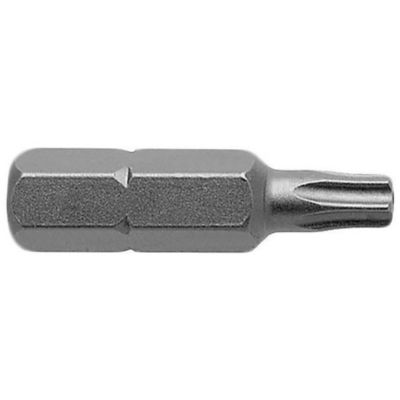
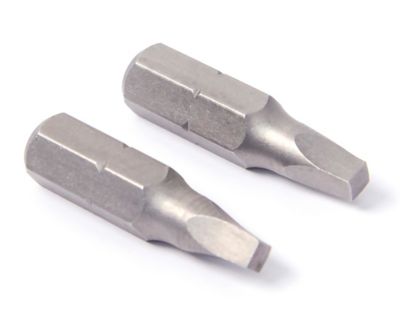
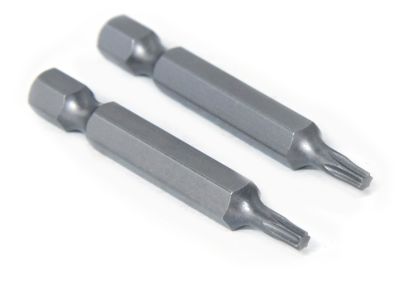
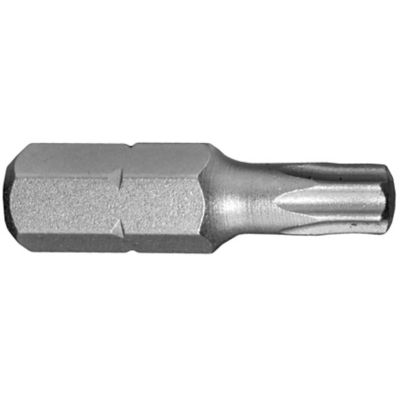
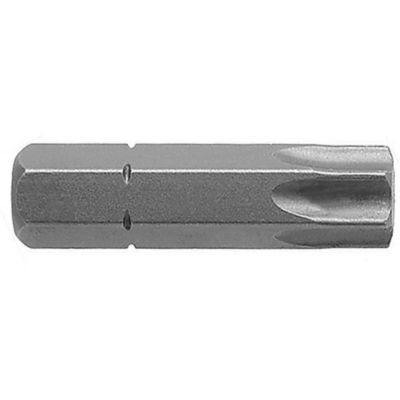
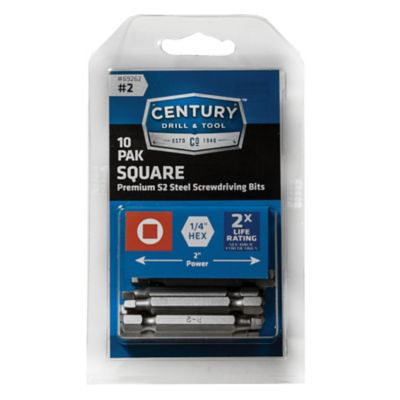
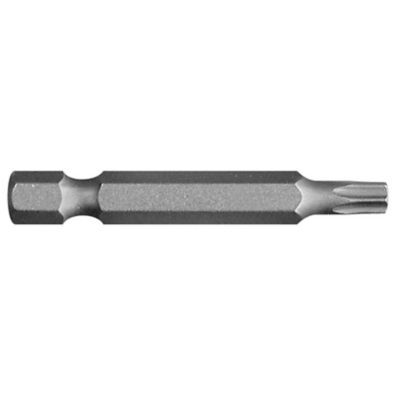
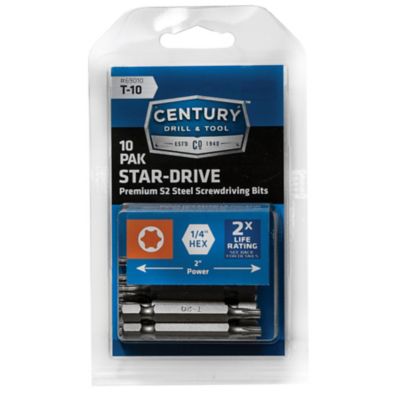
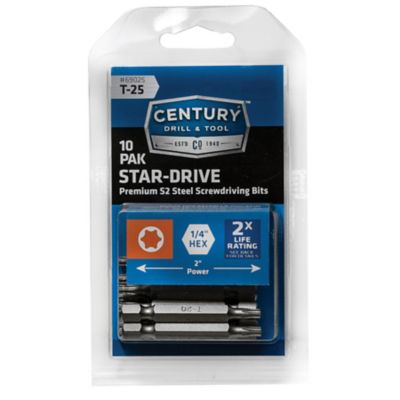
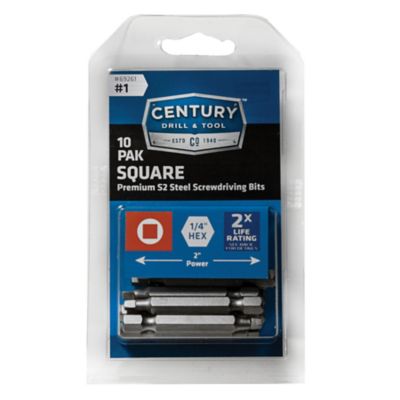
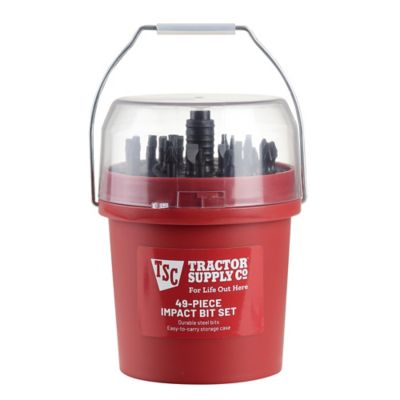
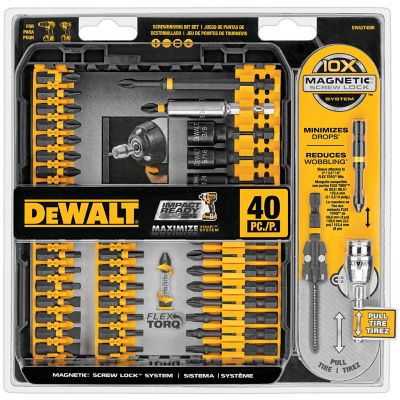
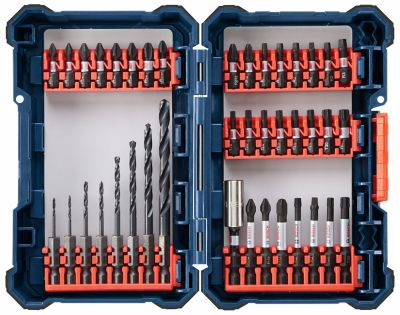
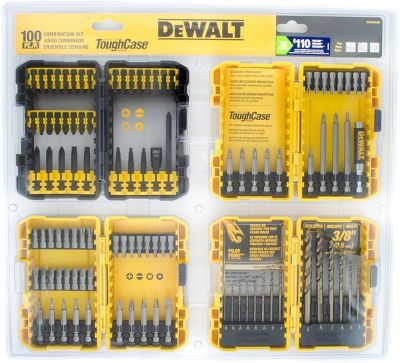
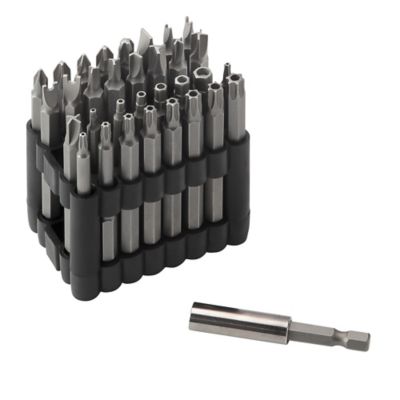
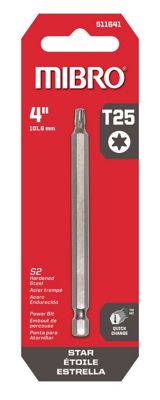
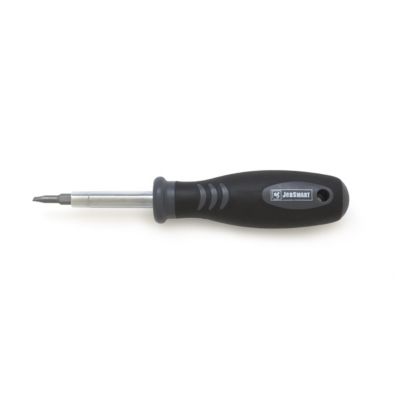
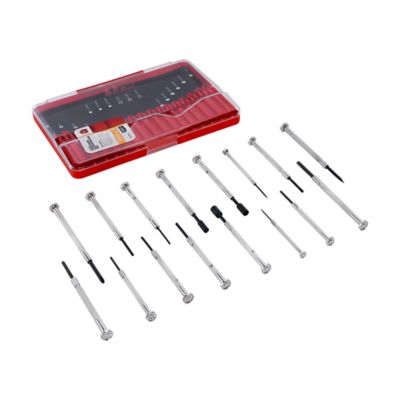
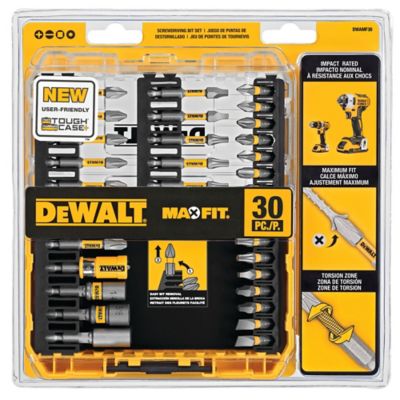
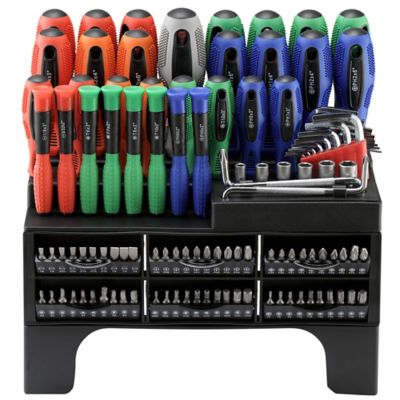
S2 steel screwdriver bits are made from a shock-resisting tool steel in the S group, chosen for its balance of hardness and toughness. With suitable heat treatment, that combination helps the working tip resist wear while handling the twisting force involved in driving and removing screws. The material matters, but it is only part of the story: tip shape, manufacturing tolerances, heat treatment and bit design all affect how a bit performs. S2 steel alone does not mean a bit is rated for an impact driver, and even a tough bit can chip or break when overloaded. For everyday fastening around the shop, barn or house, these bits put a small, replaceable working end between the driver and the screw. They suit jobs ranging from tightening cabinet hinges and attaching utility hooks to assembling shelving and maintaining equipment access panels. A snug fit between the tip and screw recess helps keep that work moving without rounding off screw heads or chewing up the bit. Phillips, square, star, slotted and hex profiles each have their place, and the correct size matters just as much as the shape. A tip that seems close enough can sit too high, rock in the recess or concentrate force on a small contact area. That is especially noticeable when a stubborn screw in a gate bracket needs more turning force than a loose hinge screw. Clearly marked sizes make it easier to reach for the right fit rather than judge several similar tips by eye. Screw recesses also need enough clear space for the tip to seat fully; packed dirt, paint and damaged edges can keep even a properly sized bit from engaging well. For anyone keeping a workbench ready for routine repairs, S2 steel screwdriver bits offer a practical way to cover common fastening needs while keeping attention on fit, control and the demands of the job.
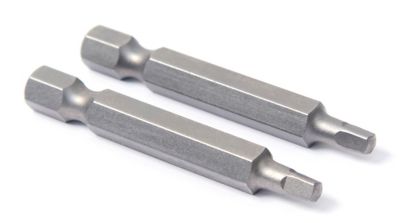
The connection at the other end of the bit deserves just as much attention. Many screwdriver bits have a 1/4-inch hex shank, but shank size, overall length and retention features still need to match the driver or bit holder. A hand-operated bit driver, a drill/driver and an impact driver do not all place the same demands on an accessory. Impact drivers deliver repeated rotational blows, so bits intended for that work need an explicit impact rating rather than an assumption based on the S2 steel designation. Driver and accessory specifications are the best reference for compatibility. Length changes how the setup handles, too. Short bits in a suitable holder can keep a fastening setup compact, while longer bits can reach screw heads tucked behind a bracket or inside an assembly. Extra reach is handy, but a longer setup can be harder to keep square to the screw in a cramped spot. Bit holders and extensions add their own length, so the full assembly matters more than the bit measurement alone. For repetitive work, a secure connection helps prevent a bit from staying behind in a tight screw recess when the driver pulls away. Magnetic holders can help hold compatible steel screws, though their holding strength varies and they do not make every fastener magnetic. For jobs that call for switching between two tip styles or sizes,
Double End Screwdriver Bits put a working tip at each end. Their center section and retention arrangement must suit the holder; not every double-ended design fits every quick-change mechanism. Sets with several profiles make sense where repairs range across different equipment and household hardware, while repeated work with the same screws may call for more attention to a particular size. Either way, a well-organized case saves rummaging through loose bits when a hinge is hanging crooked or a panel needs to go back on before the next chore. Visible size markings and separate slots also make missing pieces easier to spot before the toolbox leaves the bench.
Long service life depends on how the bit meets the fastener, not just on the steel inside it. Straight alignment and steady seating pressure help the tip stay engaged, while an appropriate torque setting on a drill/driver can reduce overdriving in applications where a clutch is suitable. A small screw going into a cabinet hinge needs a different touch from a larger screw securing a shop fixture. Screw size, base material, pilot-hole requirements and the fastener maker’s directions all influence the load on the bit. S2 steel is tough, but it does not turn a screwdriver bit into a pry bar, punch or substitute for a drill bit. Rounded edges, chipped corners and a tip that slips in a matching, undamaged screw recess are signs that replacement may be due. Continuing with a worn tip can damage more fasteners and turn a quick repair into a longer job. Basic care is straightforward: clean off grit and residue, keep bits dry and give each one a place in a case or organizer. S2 steel is not inherently rustproof, and a surface coating does not eliminate the need for sensible storage. Loose bits rolling around with sockets and hardware are harder to identify and easier to misplace than bits kept in marked spaces. Eye protection belongs with fastening work, especially where a bit or screw could break, and equipment maintenance calls for the shutdown and safety procedures specified for that machine. These details matter to farmers, mechanics, tradespeople and homeowners alike, whether the task is a daily repair or an occasional afternoon at the workbench. A thoughtfully matched bit assortment can also make a practical gift for someone setting up a first toolbox or filling gaps in an established kit. The most useful selection is one that matches the recipient’s drivers and common fasteners, with sizes they can recognize and storage that travels easily between the house, shop and outbuildings. Good fit, suitable driver compatibility and ordinary care help S2 steel screwdriver bits earn their place among the tools kept close at hand.