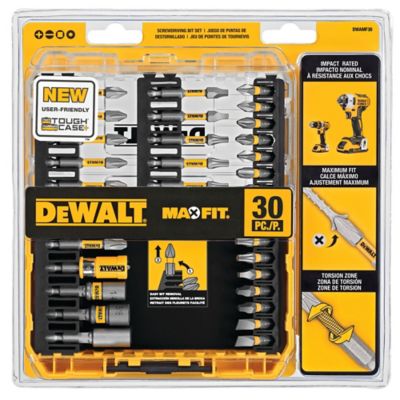
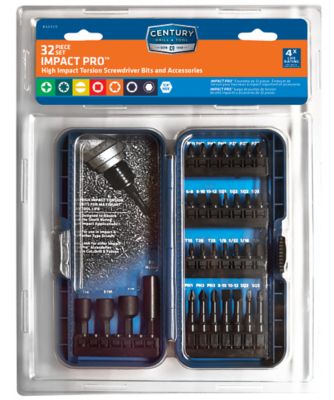
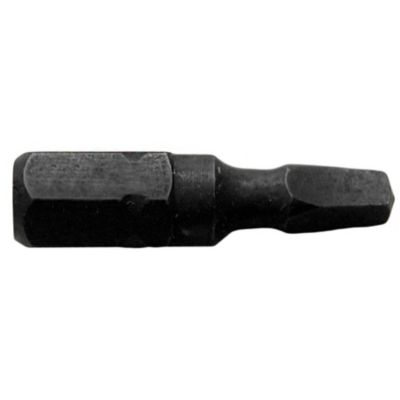
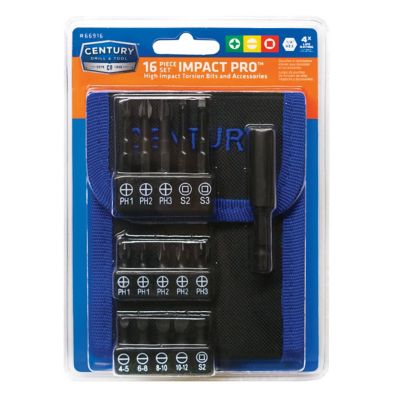
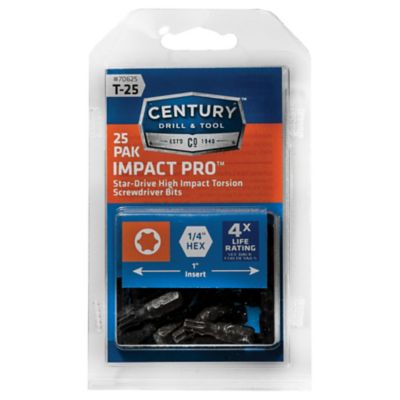
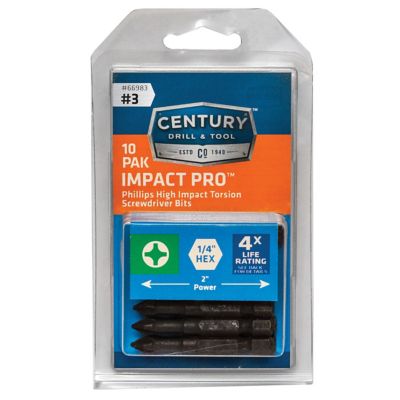
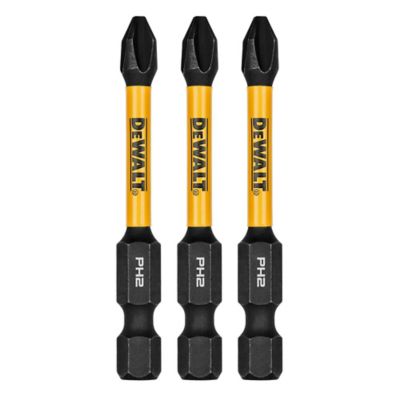
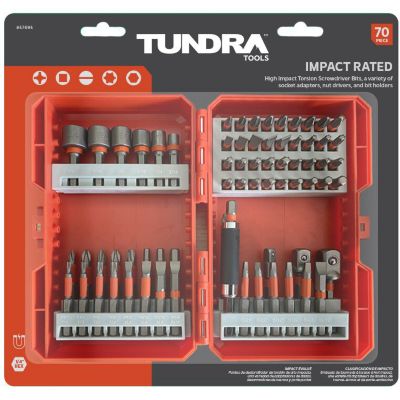
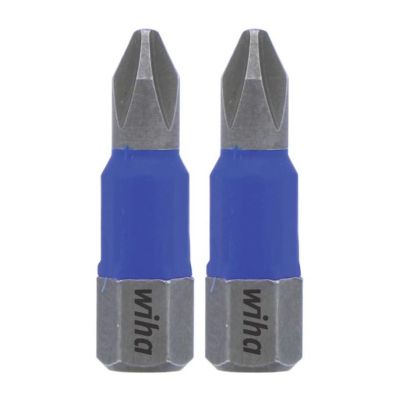
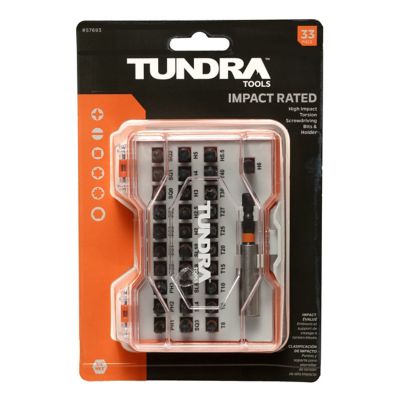
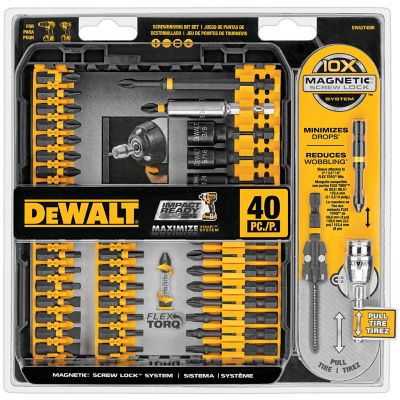
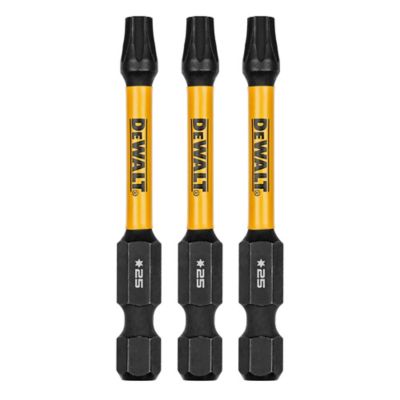
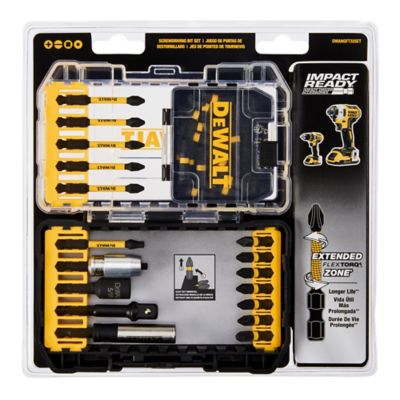
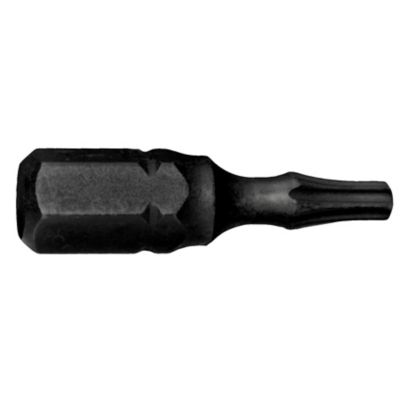
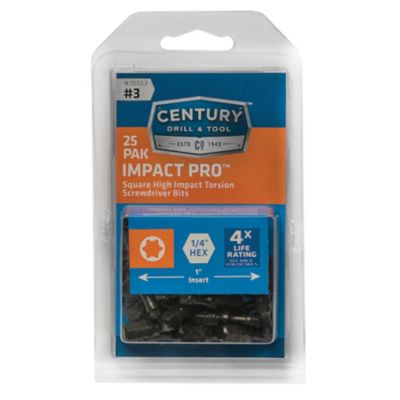
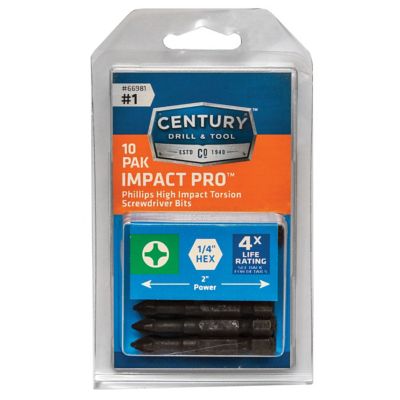
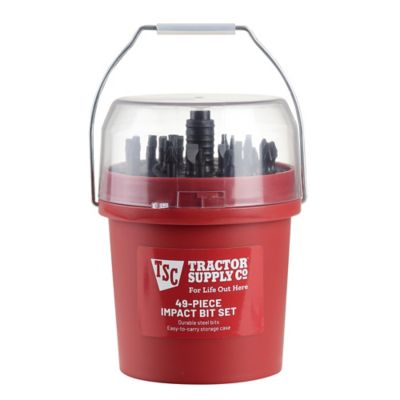
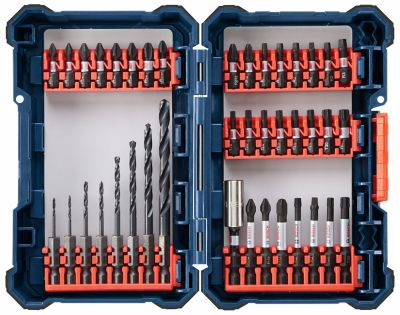
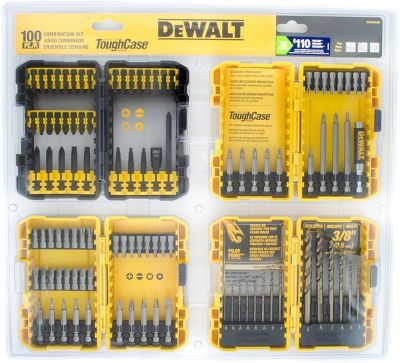
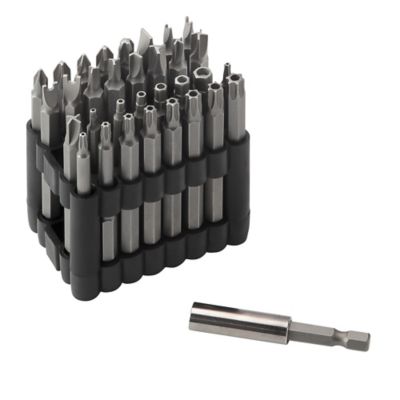
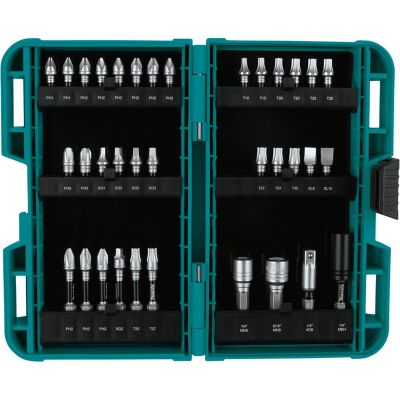
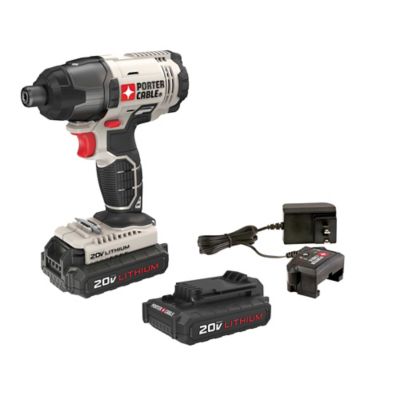
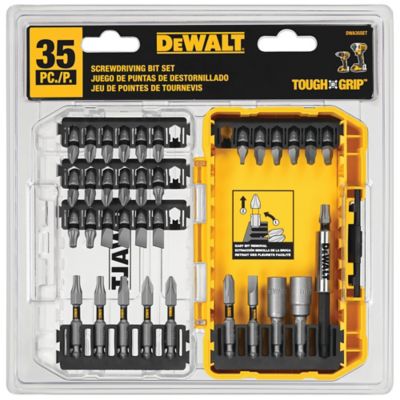
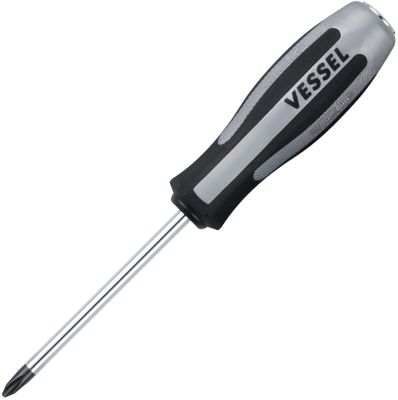
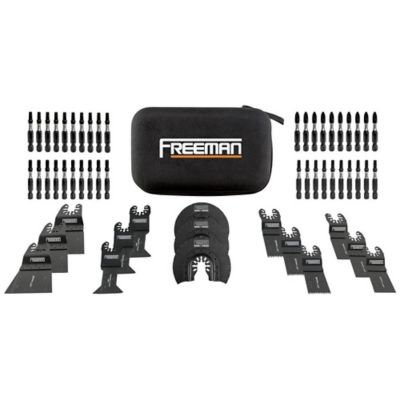
A screw that goes in straight and seats cleanly makes a difference, whether the job is hanging a gate latch, fastening plywood in a shop or putting equipment guards back in place. Impact screwdriver bit sets bring several driving tips together for work with compatible impact drivers, helping keep the right fit close at hand when a project calls for more than one screw style. An impact driver delivers repeated rotational blows, so bits intended for that tool face a different kind of stress than bits meant only for a hand screwdriver. An impact rating matters more than a black finish or a rugged-looking case; the bit and any extension or holder in the setup need to match the tool manufacturer’s requirements. A quarter-inch hex shank is common, but shank size alone does not confirm impact compatibility or proper retention in a quick-release chuck. Tip shape and size matter just as much. Phillips, square, star and hex recesses each call for a matching profile, and a tip that seems close can still slip, chew up a screw head or wear down early. Even screws with the same general head style may need different bit sizes. A snug fit helps transfer turning force without unnecessary movement between the bit and fastener. That can make a noticeable difference when driving a run of screws along a fence repair or reaching into a bracket where keeping the driver straight takes extra attention. Sets with several profiles suit jobs involving mixed hardware, while an assortment with repeated sizes can make sense for work that calls for the same fastener all day. The number of pieces tells only part of the story: the mix of tips, lengths and accessories determines how well a set fits the work ahead. For homeowners, farm crews, mechanics and folks who handle their own property repairs, that balance is often more useful than a case packed with shapes they rarely need.
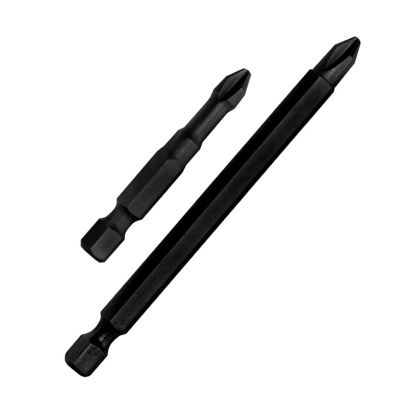
The steel and engineering behind an impact bit help determine how it handles repeated driving loads. Many impact-rated bits feature heat-treated alloy steel, with the material and treatment selected to balance hardness with resistance to fracture. Some designs include a narrowed section intended to flex under torque, helping manage the sudden loads an impact driver delivers. That does not make a bit unbreakable, and extra hardness alone is not the whole answer; a tip needs to resist wear without becoming too brittle for its intended work. Surface treatments may also help resist corrosion, though a coating cannot take the place of proper fit or care. Length changes how a bit handles a job, too. Short insert bits paired with a compatible impact-rated holder can keep the working setup compact, while longer power bits provide reach past a bracket edge or into a recessed fastening point. Extra reach comes with trade-offs, including more opportunity for wobble if the tool and screw are not lined up. Holders with magnetic retention can help keep a compatible steel screw on the tip while getting it started, and mechanical retaining features help secure the bit itself. Those are separate functions worth recognizing when comparing set layouts. A magnetic holder also will not grip every fastener material. On a job such as attaching a hinge to a heavy gate, having the screw supported can free up a little attention for keeping the hardware positioned. For cabinet hinges or smaller machine screws, controlled driving force matters more than simply having plenty of power. Impact-rated bits are not a reason to apply maximum torque to every fastener, especially around thin metal, finished surfaces or smaller screw heads. Accessories deserve the same attention as the tips: an ordinary extension or adapter does not become suitable for impact work just because the bit attached to it carries an impact rating. Manufacturer markings and application information help sort out those differences without relying on appearance.
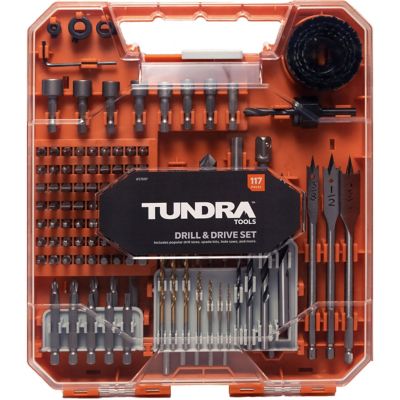
A well-arranged case earns its place on the bench by making the right tip easy to spot and keeping small pieces from disappearing into the bottom of a tool bag. Clearly marked sizes, secure bit slots and a layout that leaves room to grasp each piece can matter when moving between a barn repair, a workbench project and a piece of equipment parked out by the shed. Duplicate tips in frequently needed sizes can be practical because driving bits are wear parts, even when matched correctly to the job. Rounded edges, chipped corners, cracks or a bent shank are signs that a bit no longer belongs in regular service. Continuing with a worn tip can damage fasteners and make the next repair harder than it needs to be. Dirt and metal debris can also interfere with seating, so keeping bit tips and holders clean supports a better connection. Dry storage helps limit rust, and any cleaning or corrosion protection should follow the manufacturer’s recommendations. Eye protection remains important around powered fastening work, since impact-rated construction does not eliminate the chance of a broken tip or flying debris. The best match for a toolbox comes down to the tasks it supports: repeated wood fastening, mixed property maintenance, assembly work or repairs involving several drive styles. Driving bits are for turning compatible fasteners, not drilling holes, prying hardware loose or taking the place of a screw extractor. For a broader look at driving-tip assortments,
Screwdriving Bit Sets includes another category to consider alongside impact-focused sets. An impact bit set can also be a practical gift for someone who already owns a compatible driver and spends time fixing things around the house, farm or shop. Matching the set to that person’s usual screw types and working space gives the gift a clear purpose. Whether the case stays on a shop shelf or rides along in a truck toolbox, useful coverage, sound fit and sensible care help keep the focus on getting the fastening job done.