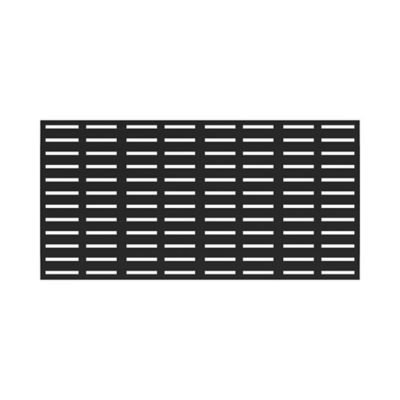
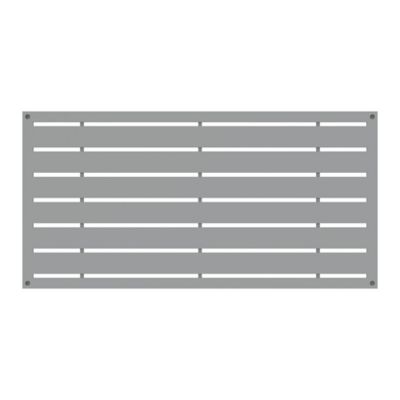
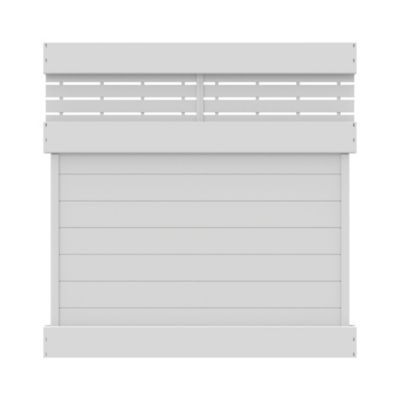
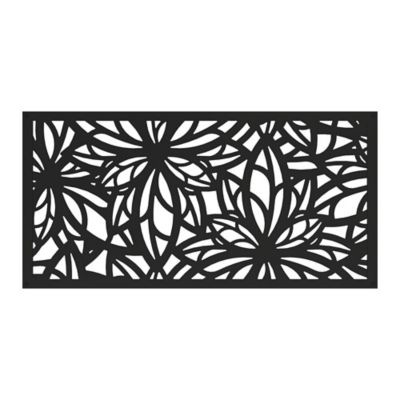
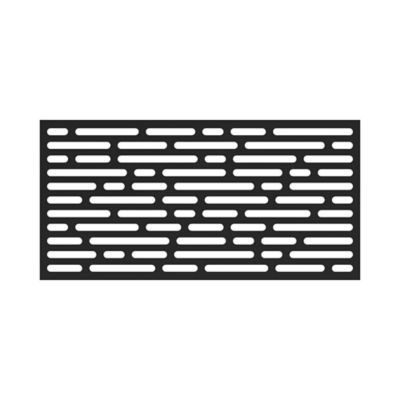
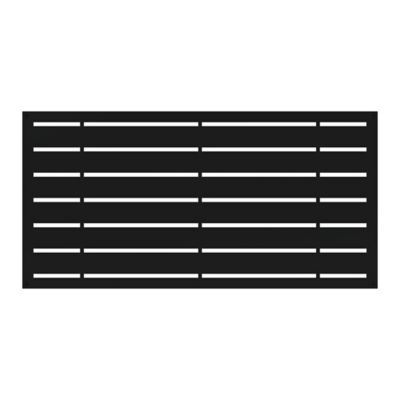
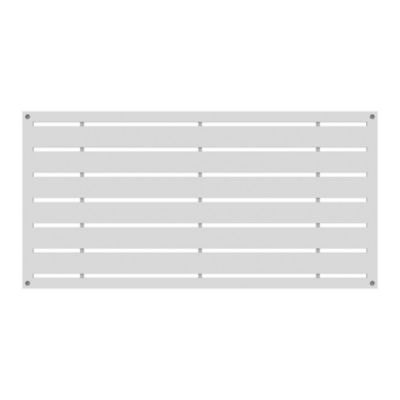
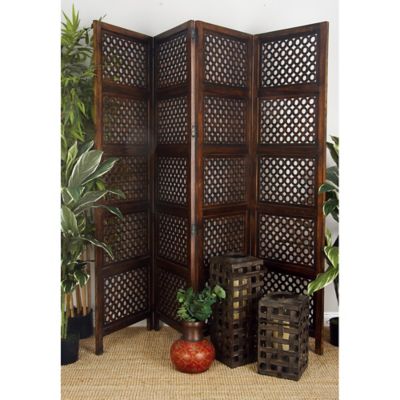
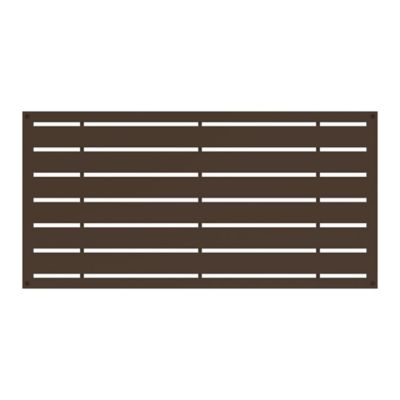
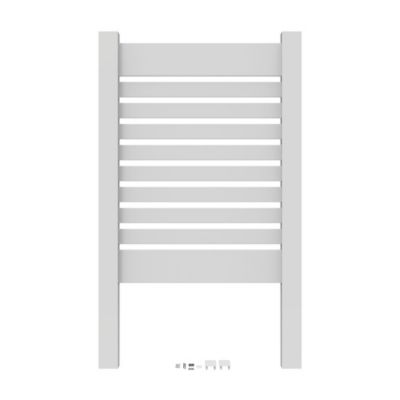
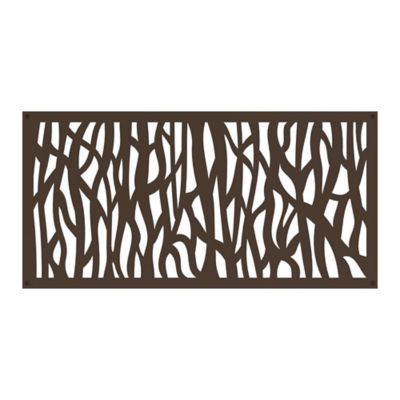
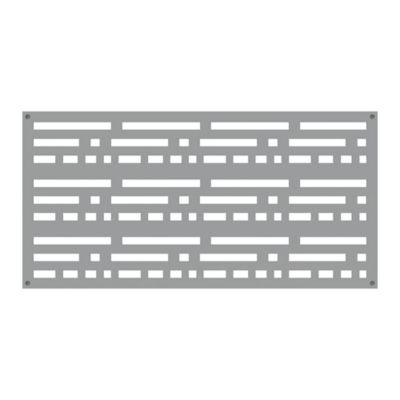
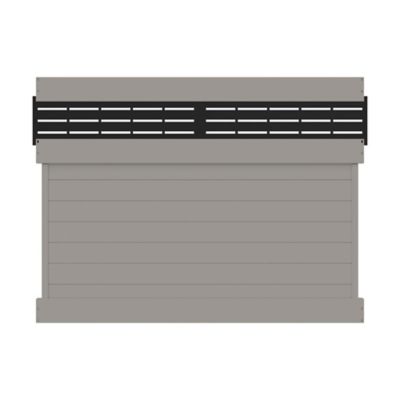
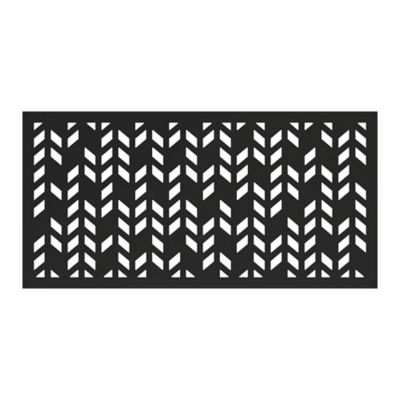
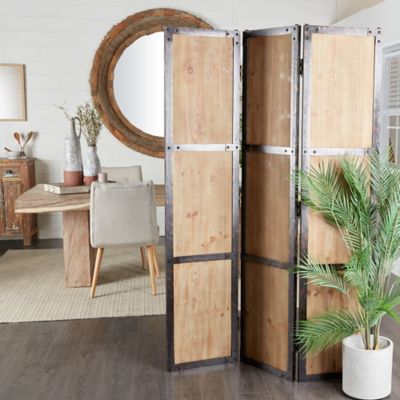
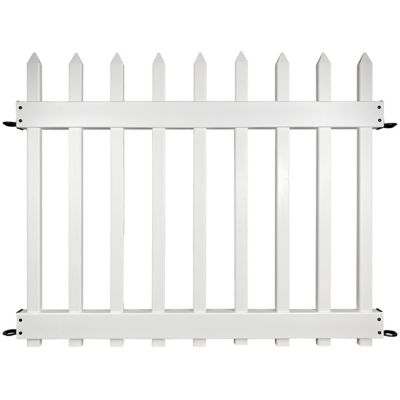
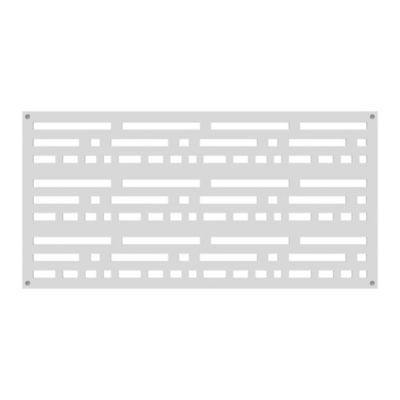
Screen panels can help turn an open area into a more comfortable, useful part of your home, farm, or property. Depending on the project, “screen panels” may refer to decorative outdoor privacy panels for patios, decks, porches, gardens, and yards, or to screened panels used to enclose an outdoor living space. Both types give you a practical way to shape the look and feel of an area without building a full wall. A decorative panel can break up a wide-open view, add a little privacy beside a hot tub or sitting area, or create a backdrop for potted plants, string lights, and outdoor furniture. It may also help define a spot for grilling, relaxing, or visiting without making the space feel boxed in. Freestanding styles are handy when you want flexibility, while mountable panels can be secured to a post, wall, fence, or other sturdy surface for a more permanent setup. Look for construction that fits the conditions around your home. Metal panels are a popular choice for their sturdy feel and decorative designs, while durable vinyl can offer a lighter option that is easy to work into a patio or garden setting. Patterns range from simple, clean lines to more detailed fretwork and louvered designs, so it is easy to choose a look that suits a country porch, a tidy backyard, or a more finished outdoor entertaining area. If you are comparing materials for another part of a fencing, garden, or property project, you can also browse
Metal Panels for additional ideas. Before buying, measure the space carefully, including the height and width available, and think about how the panel will be supported. A freestanding screen needs a stable base, especially in an open yard where wind can catch it. Mounted panels need solid attachment points and the right hardware for the surface. Leave enough room for gates, walkways, furniture, and routine yard work, and consider whether the panel will be exposed to sprinklers, mud, snow, or strong afternoon sun.
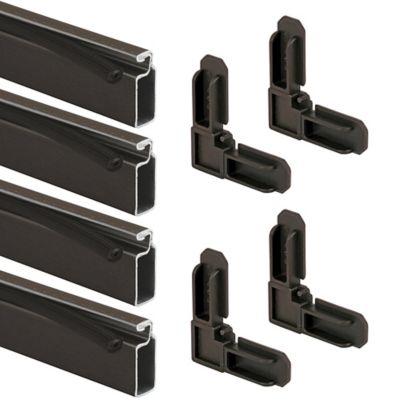
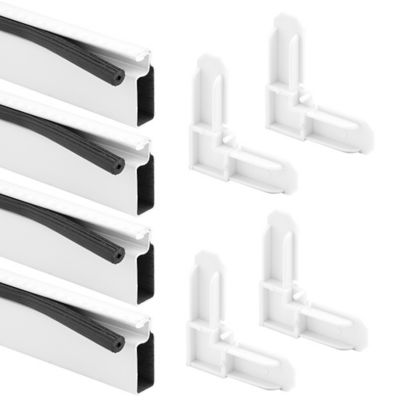
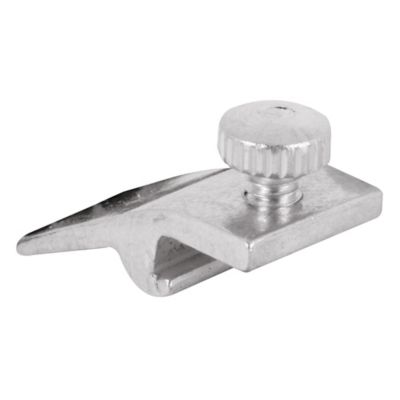
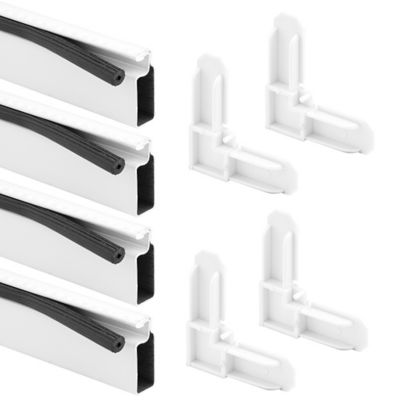
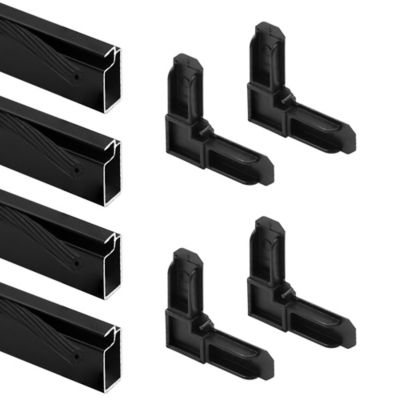
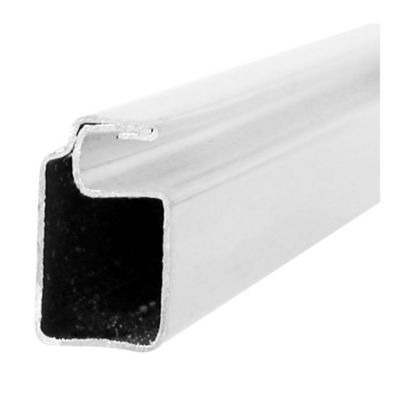
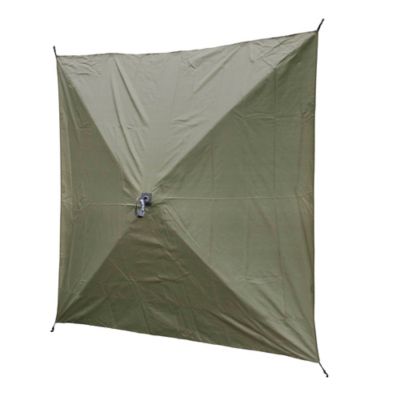
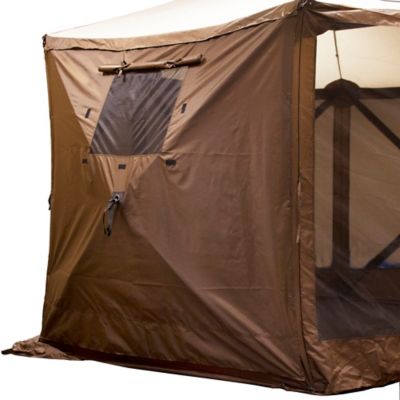
Screen panels for porches and patios serve a different purpose, helping close in an outdoor area while allowing air and natural light to pass through. They can make a covered porch more pleasant during the warmer part of the year by helping keep out mosquitoes, flies, and other bothersome insects, while still letting you enjoy the breeze and the view. A screened enclosure can become a favorite place for morning coffee, muddy-boot conversations, reading, or watching the kids and dogs play in the yard. During cooler months, it can also help make a porch feel more sheltered, although standard screen material is not a substitute for a weatherproof wall or a heated room. Fiberglass screening is a familiar all-around option for many home projects, with a flexible feel that makes it useful for repairs and enclosure work. Heavy-duty, vinyl-coated polyester screening is a good choice for busy areas where the material may face more wear, such as a porch used by children, pets, or frequent guests. These tougher screens are designed to resist tearing and punctures better than ordinary mesh. High-visibility screening is made for people who want a clearer view through the enclosure, making it a helpful choice when the porch faces a pasture, garden, pond, or favorite stretch of woods. Some screening materials are also made to resist water and dirt, which can help simplify upkeep in places where dust, pollen, and weather are part of everyday life. Screen panels may be available as ready-to-install sections or as materials that can be cut and fitted to the opening. Ready-to-install options can save time when dimensions match your project, while roll or replacement screening gives you more freedom for repairs and custom work. Check the opening measurements, frame condition, spline size, and attachment method before ordering. A screen that is slightly too small will leave gaps, while material that is too large may require careful trimming for a smooth, tight fit.
When choosing screen panels, start with the job the panel needs to do, then match the material, size, and installation style to that use. For a decorative privacy screen, consider how much coverage you want and whether you prefer a solid pattern or an open design that lets light and air through. A more open pattern can keep a small patio from feeling closed off, while a fuller design may provide better visual separation beside a driveway, porch, or neighboring property. Think about the view from both sides, particularly if the panel will be visible from the road or from inside the house. Color and finish matter as well; a neutral tone can blend with siding, fencing, and landscaping, while a contrasting finish can make the panel stand out as an intentional feature. For a porch enclosure, pay close attention to mesh visibility, insect protection, strength, and how often the area is used. Homes with cats, dogs, or active children may benefit from a more durable screen, while a quiet sitting porch may call for a lighter material that keeps the view open. Screen panels can be useful gifts for new homeowners, do-it-yourselfers, gardeners, and anyone settling into a new outdoor space, especially when paired with other practical items for porch or yard projects. They are also a thoughtful choice for someone who enjoys improving an old farmhouse porch, refreshing a deck, or creating a shaded corner for summer gatherings and cooler-season afternoons. Keep installation safety in mind by using appropriate fasteners, a level work surface, and help with large or awkward panels. Inspect screens and supports from time to time, brush away leaves and dirt, and repair small tears before they spread. With the right fit and a little routine care, screen panels can add privacy, comfort, airflow, and character to the places where you work, relax, and spend time outdoors.