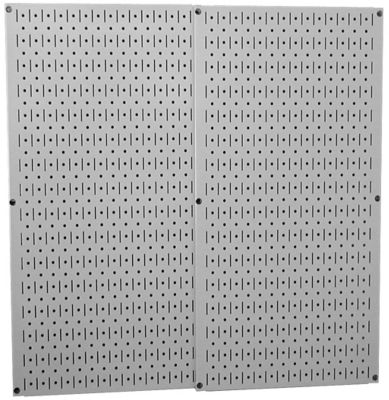
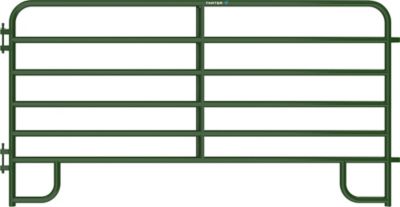
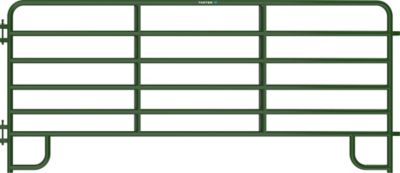
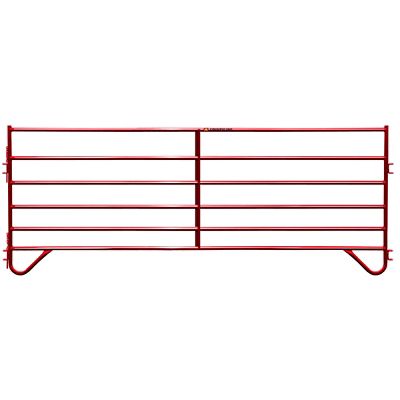
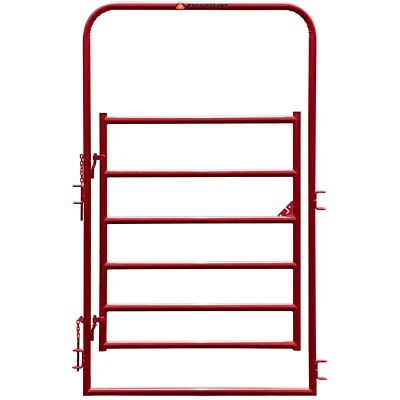
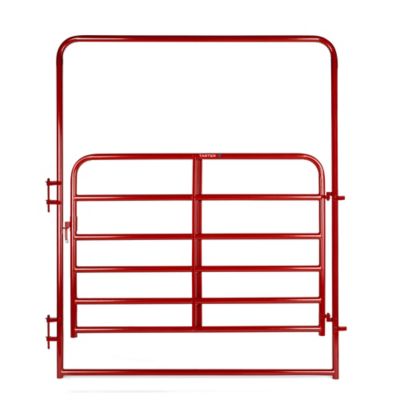
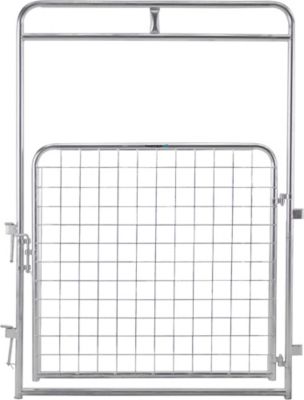
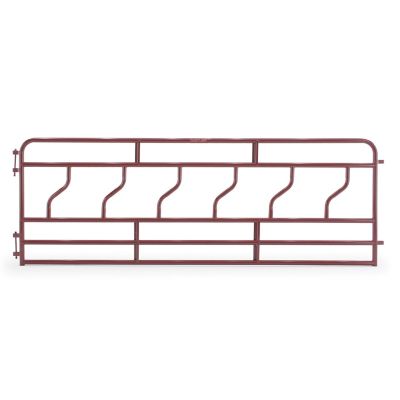
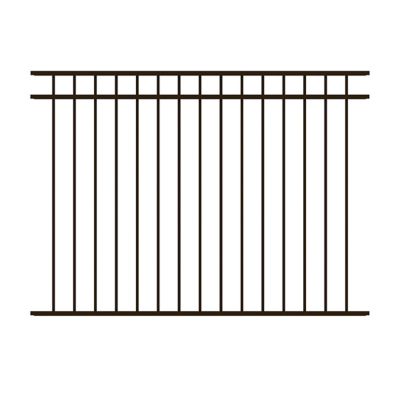
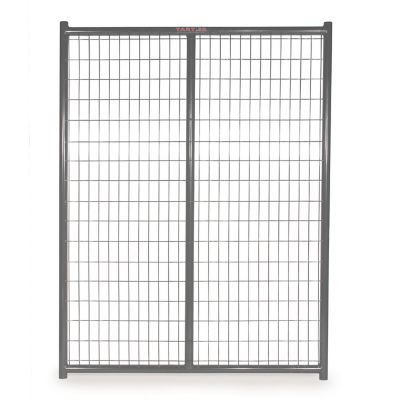
Metal panels can lend a steady hand to all sorts of work around a farm, acreage, workshop, garden, or home. Depending on the style, size, and finish, they can help create a fence line, shore up an enclosure, cover a wall, protect a work area, or add a clean boundary between your yard and the road. Ranchers may choose panels for livestock areas, sorting pens, feed spaces, or small holding areas, while homeowners may look for panels to add privacy around a patio, screen off bins and equipment, or give a shed and outbuilding a finished look. Before you choose, take a close look at the panel’s dimensions and how they fit the space you plan to cover. Measure the full run, account for corners and gates, and sketch out where posts, braces, rails, and fasteners will go. A little time with a tape measure can save a trip back to the store when the ground is hard, the wind is picking up, or the sun is slipping behind the tree line. Consider the panel material, thickness, surface finish, and overall weight, since these details affect how it handles weather, how far apart supports should be placed, and how much help you may need during installation. If the panels will be near animals, check for smooth edges, suitable openings, and a design that matches the size and behavior of the livestock. For homes and outbuildings, think about light, airflow, water runoff, and access for mowing, snow removal, or routine repairs. Metal panels can bring a strong, practical presence to a property, but the best fit is the one that matches the job, the surrounding structure, and the conditions where it will stand.
When privacy is part of the plan, panel shape and spacing matter just as much as color or finish. Closely spaced panels can help block views across a side yard, driveway, porch, or outdoor work area, while open or patterned sections may allow more sunlight and air to pass through. For more inspiration on screening a space, explore
Outdoor Metal Privacy Panels. As you compare options, picture the panel from every angle: from inside the yard, from the road, and from nearby windows. A surface that looks one way in bright daylight may appear different beneath a porch light or against a snowy backdrop. Think about how the panels will meet the ground, too. Uneven soil, gravel, roots, and sloped ground can change the finished line, so posts or supports may need careful placement. In windy country, solid sections can catch more air than open fencing, making firm anchors and proper bracing especially important. If the panels will sit near the coast, livestock shelters, damp ground, or areas where road salt may be present, look for a finish suited to those conditions and follow the maker’s care instructions. Keep compatible screws, brackets, caps, posts, and tools in mind before starting. Some installations call for a drill, level, gloves, eye protection, and a second set of hands to hold long sections in place. Check local rules for fence height, property lines, drainage, and placement near roads or utilities. A quick call to the local office or utility marking service can help prevent trouble later, especially when a project crosses a property edge or involves digging.
Metal panels also fit well into seasonal property work. During the cooler months, they can help shield a porch or work corner from a stiff breeze, separate muddy paths from cleaner areas, or give an outbuilding a more finished appearance before winter weather settles in. Around barns and sheds, panels may help organize equipment areas and keep foot traffic moving in the right direction. In the garden, they can mark borders, protect young plantings from wandering animals, or provide a firm surface for a small support structure when paired with the right posts and hardware. For a landowner, new homeowner, gardener, or weekend builder, panels can make a thoughtful practical gift when you know the kind of work happening around the property. A measuring tape, sturdy gloves, fasteners, or post-setting supplies can round out that gift without guessing at someone’s exact layout. Before placing an order, review the panel count, dimensions, finish, shipping details, and return terms, and make sure the sections can be moved from delivery to the project area. Store panels flat or secure them so wind cannot carry them across the yard, and keep protective coverings in place until you are ready to install when the instructions call for it. With a clear plan, the right support system, and attention to the surrounding land, metal panels can help bring order to busy spaces and give your property a finished boundary that fits the way you work and live.