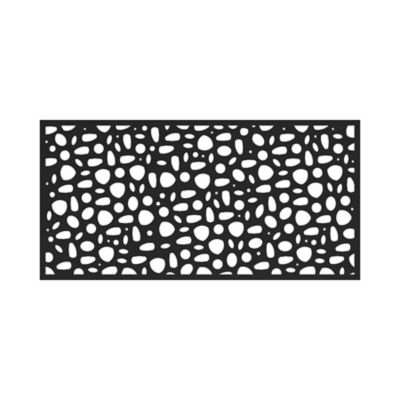
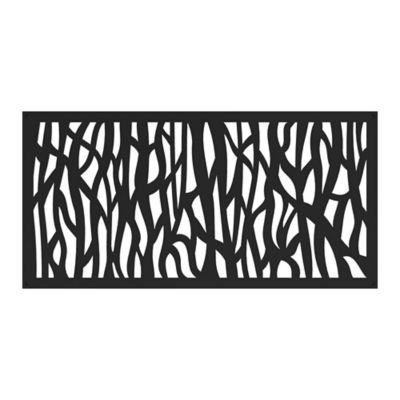
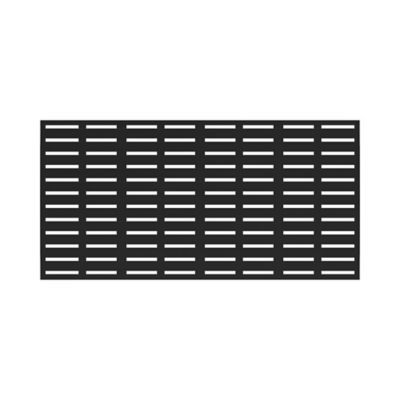
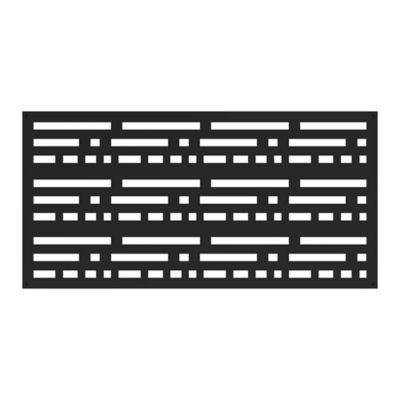
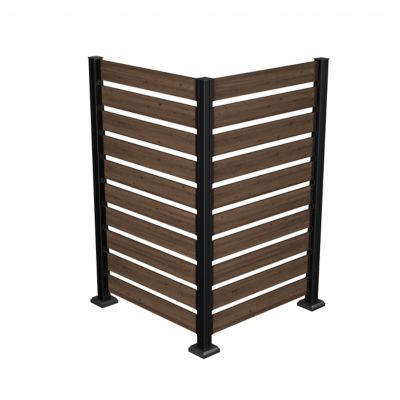
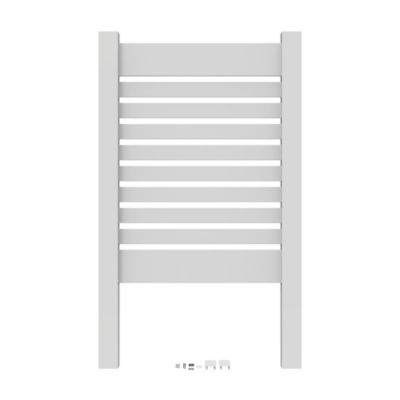
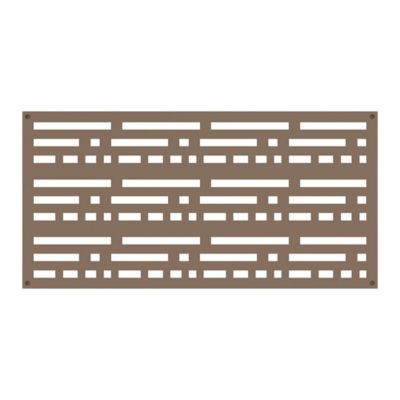
Outdoor screen panels are freestanding or mounted barriers that add privacy, create partial shade and divide patios, decks, porches and garden spaces. They can soften the view of a neighboring driveway, give a backyard seating area a little breathing room or keep a potting bench from being the first thing guests see. Unlike a fence that runs around an entire property, a screen can address one particular sightline or define a smaller spot near the house. The amount of privacy depends on the panel’s height, pattern, spacing and placement. Solid sections generally block more of the view, while slats, lattice and cutout patterns let more light and air pass through. A pattern that looks fairly closed from straight ahead may reveal more from the side, especially along a shared walkway. That makes the view from a porch chair just as important as the view from a standing position. Tall panels can help separate neighboring spaces, while shorter sections can frame a dining table without making the area feel boxed in. For a long deck edge, a row of matching panels brings a consistent look; beside a small stoop, a single section may provide enough separation. Shade depends on placement and the size of the openings, and an upright panel does not replace overhead coverage. Open-pattern privacy panels also differ from fine-mesh insect screening, so slats and cutouts will not keep mosquitoes out. Homeowners may want a quiet corner for morning coffee, while gardeners may prefer a backdrop behind containers or a boundary between a sitting spot and the working part of the yard. On a roomy property, screens can bring a sense of enclosure close to the house without blocking the wider view across the land. The best fit balances how much of the view needs blocking with how open the space should feel.
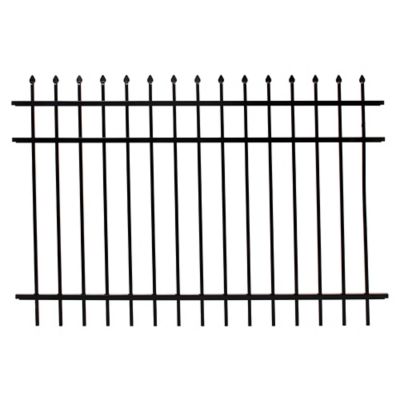
Materials make a difference in weight, upkeep and appearance. Metal panels often have crisp edges and defined patterns that suit everything from a simple porch to a gravel courtyard. For that kind of structure,
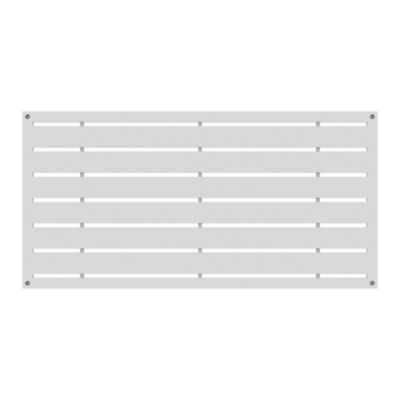
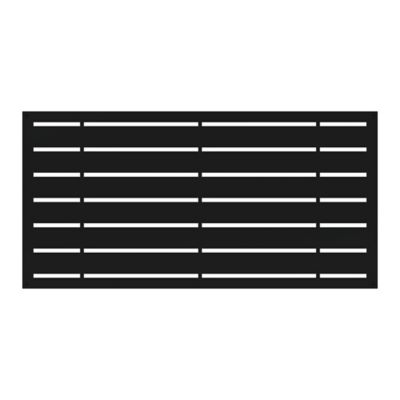
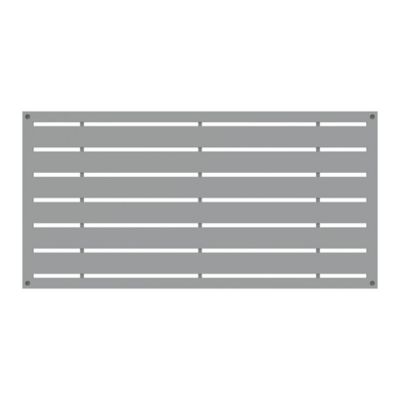
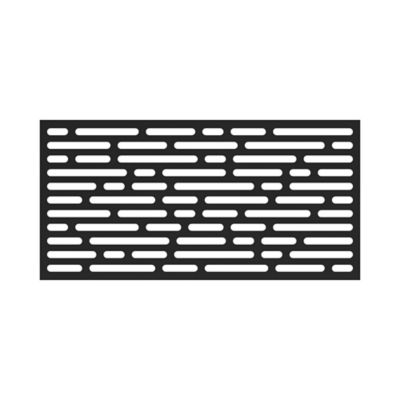
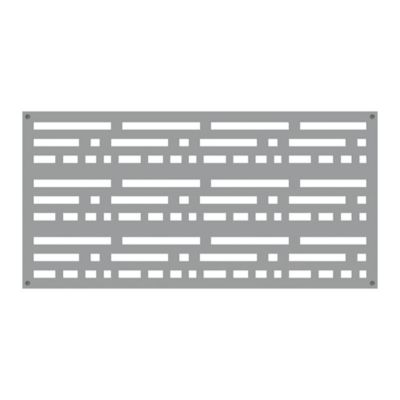
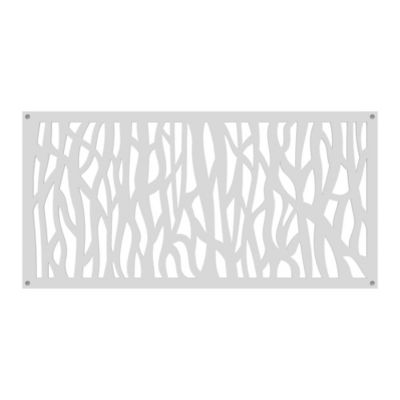
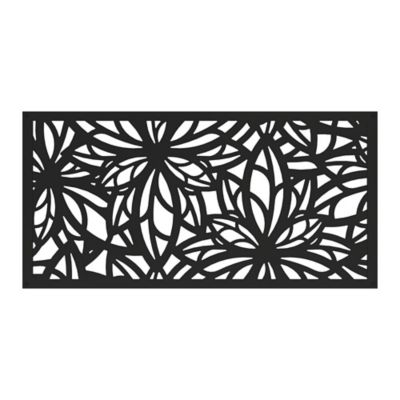
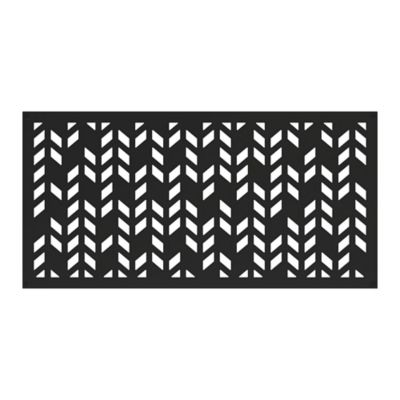
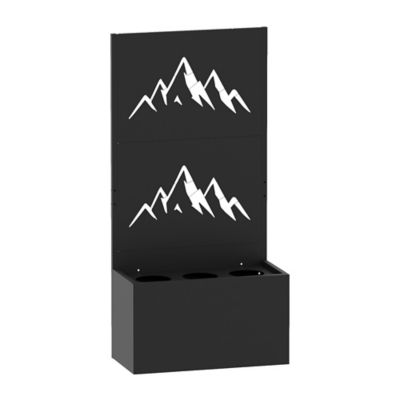
outdoor metal privacy panels offer a related option to consider alongside other screen materials. Steel generally brings more weight than aluminum, and protective coatings help limit rust where the finish remains intact. Aluminum is often lighter to handle and does not develop the red rust associated with iron, though its finish and hardware still need attention. Polymer and resin panels can offer consistent patterns and surfaces that are straightforward to wipe down; their thickness, reinforcement and mounting requirements matter more than appearance alone. Wood brings visible grain and can blend naturally with porch rails, garden beds and timber structures. Its care needs depend on the species and finish, with some surfaces needing periodic sealing or staining. Composite materials vary in makeup, so their support spacing and cleaning directions deserve a close look. Across all materials, panel thickness, frame construction and connection points help determine how a section holds its shape. A narrow frame with a large open pattern will behave differently from a heavier, more enclosed panel. Color changes the overall effect, too: a dark screen can create a strong outline behind green foliage, while a lighter finish can blend with pale siding or painted porch posts. Dimensions should account for more than the panel face. Feet, posts, brackets and gaps between sections can add to the total footprint, which matters on a narrow deck or beside a frequently opened door. For a multi-panel arrangement, compatible connectors and matching mounting systems help keep the layout consistent. A freestanding section may offer flexibility, while a mounted system provides a more settled arrangement when the supporting surface and hardware suit the installation.
Fit and care are what keep outdoor screen panels working well beyond their first setup. A broad base needs enough room to sit flat without crowding chair legs, catching a boot toe or narrowing the path to the yard. Pavers, deck boards, concrete and soil each call for different attachment methods, and not every panel is designed for every surface. A screen fastened to a railing also depends on the railing’s strength; attaching to a thin trim board is not the same as securing to structural framing. Manufacturer instructions should identify suitable anchors, supports and installation limits. Renters may prefer a freestanding arrangement where permitted, but movable does not mean a panel can safely stand without its specified supports. Around children and animals, a privacy screen should not be treated as a climbing structure, pet enclosure, guardrail or pool safety barrier unless it is expressly designed and approved for that job. Placement near a grill, fire feature or equipment enclosure also needs the clearances required by that equipment, including room for ventilation and service access. For everyday care, gentle cleaning helps keep dust, pollen and soil from building up in corners and patterned openings. Mild soap, water and a soft cloth or brush are often suitable, but the material’s care directions take priority, especially for painted, coated or stained surfaces. Abrasive pads and strong cleaners can damage finishes, and pressure washing may be unsuitable for some panels. A quick check of brackets, feet and fasteners can catch loose connections before a section starts shifting. Scratches on coated metal may call for a compatible touch-up treatment, while wood may need attention at joints and exposed end grain. Leaving access around the screen makes those tasks easier. A well-planned arrangement gives a back porch, garden nook or outdoor dining spot the separation it needs while leaving room to walk, work and settle into a chair.