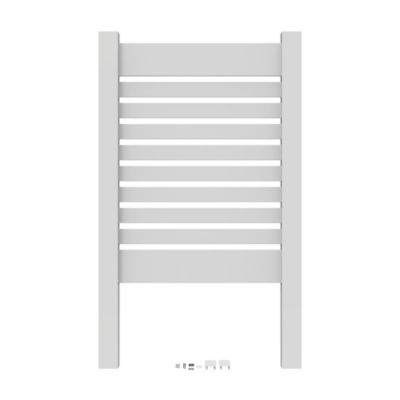
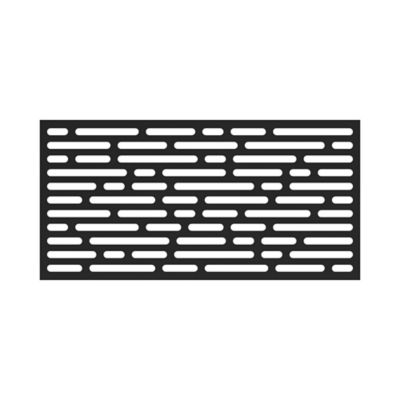
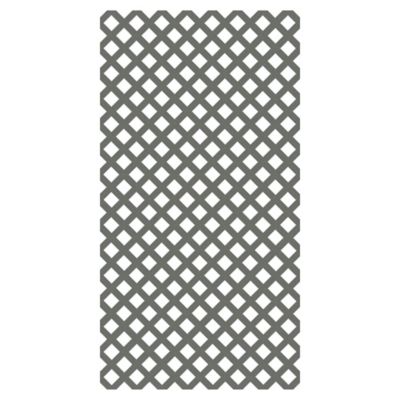
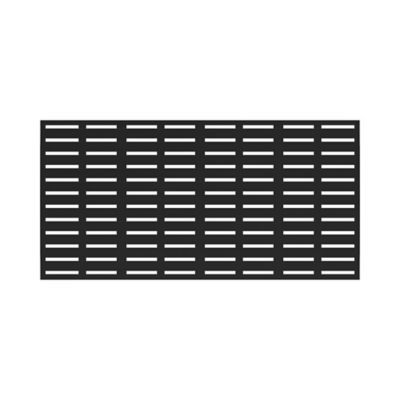
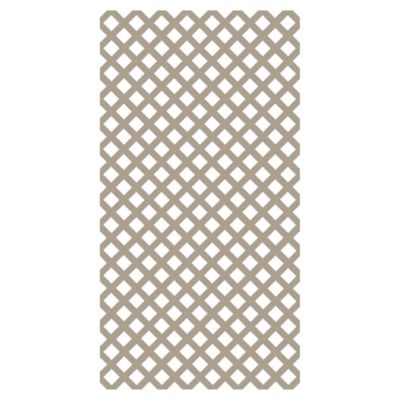
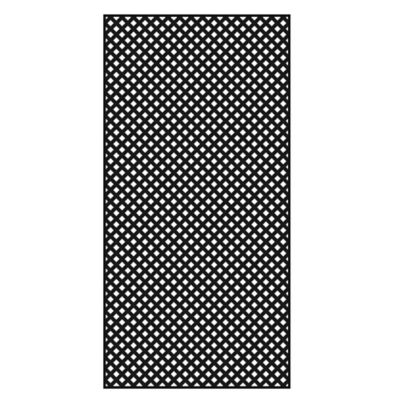
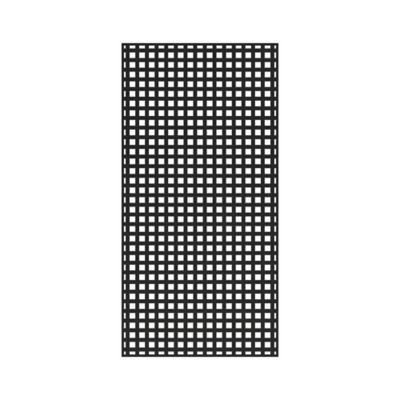
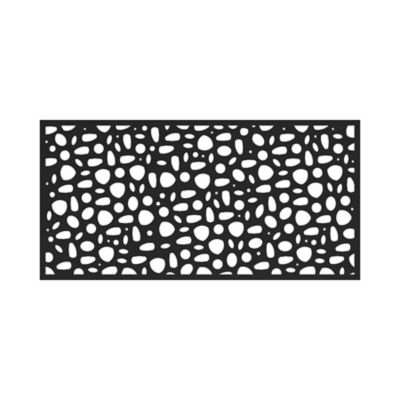
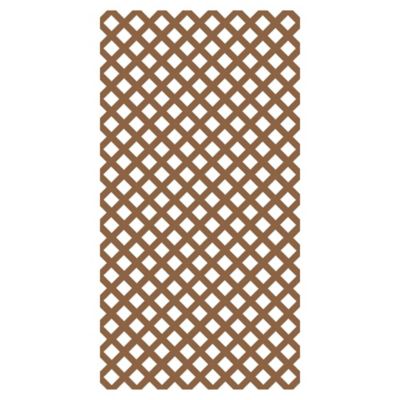
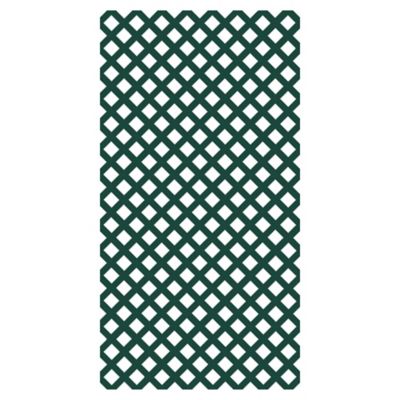
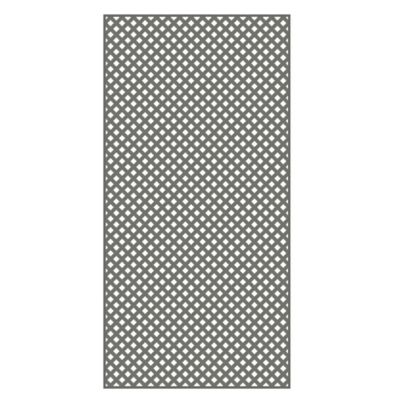
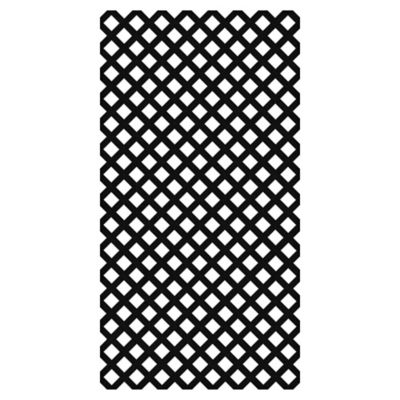
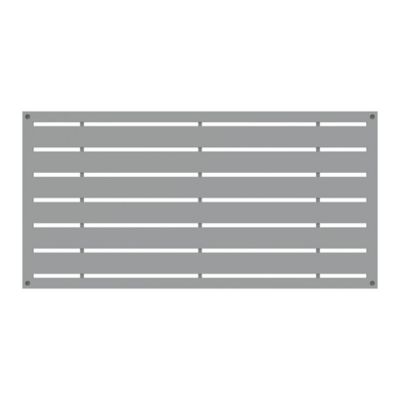
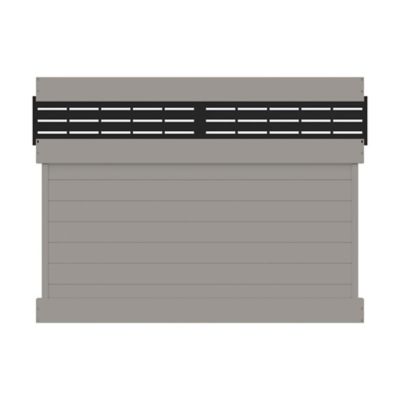
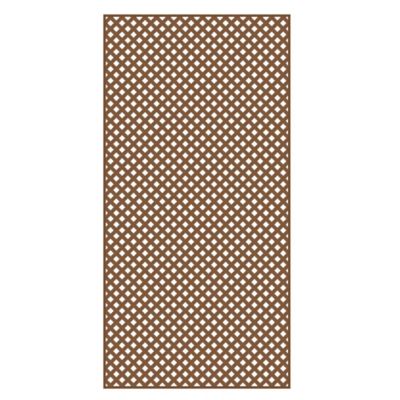
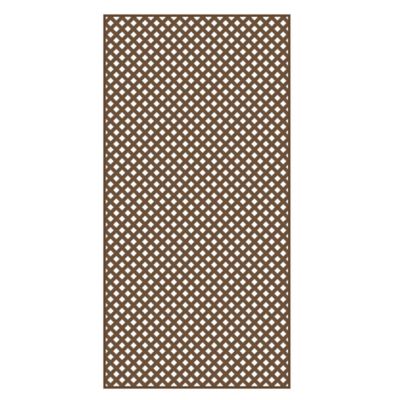
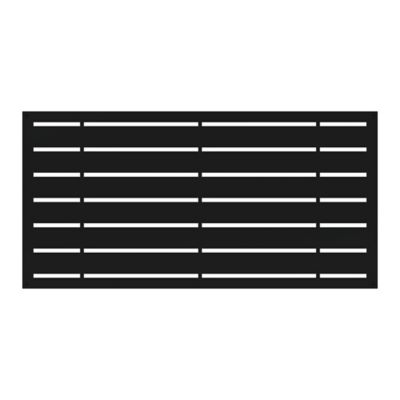
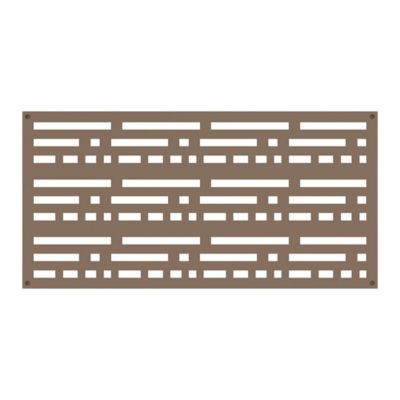
Vinyl screen panels generally fall into two categories: rigid privacy screens for yards and clear or tinted vinyl panels for porch and patio enclosures. Yard screens help block sightlines around trash cans, utility areas, outdoor seating, and equipment, while enclosure panels help limit wind and rain without completely closing off the view. The right type depends on whether the goal is to conceal an area or create a more sheltered space. For a yard, rigid panels commonly feature PVC boards, slats, or lattice held within a frame. PVC does not rot like untreated wood and generally needs no painting or staining, making it a practical choice for homeowners who would rather spend their time tending the garden or tackling chores. Solid and closely spaced designs provide more visual coverage, while open lattice and spaced slats let more light and air pass through. That difference matters beside a patio table, along a walkway, or near a back door where a solid wall might make the space feel boxed in. White panels can blend with porch railings and light-colored trim, while other finishes may suit nearby fencing or outbuildings. A short screen can keep trash cans out of sight from the driveway without surrounding the whole service area. Taller panels can give a sitting area a greater sense of separation, though the view from a raised deck or neighboring window may still reach over the top. Panel height, slat spacing, and viewing angle all affect how much privacy a screen provides. Vinyl can stand up well to routine outdoor exposure, but its performance depends on the formulation, construction, support, and installation. It can still scratch, bow, or crack under excessive force, so panel thickness, frame design, and intended application deserve attention. For a busy property, a screen works best when it tidies the view without getting in the way of everyday work.
Fit involves more than finding a panel wide enough to cover a row of cans or the side of a patio. Overall dimensions may include posts and frames, while the actual screened area can be smaller. Space for lids to open, gates to swing, and a mower or wheelbarrow to pass keeps a screened corner from becoming a daily nuisance. Around an air-conditioning unit, heat pump, or other equipment, the equipment manufacturer’s airflow and service-clearance requirements come first. A tight enclosure can interfere with operation even when it looks neat from the driveway. Access to shutoffs, meters, and service doors also needs to stay open. Straight runs, corners, and separate sections each call for a different arrangement of posts and connectors, and not every panel system supports every layout. Freestanding screens, ground-staked panels, and surface-mounted systems also have different support requirements. A panel intended for soil installation may not include a suitable attachment for a concrete pad or wood deck. Soft ground, sloping ground, and exposed locations can affect stability, especially with solid panels that catch more wind than open designs. Where posts or stakes enter the ground, underground utility locations matter. Vinyl options sit alongside other
Outdoor Screen Panels as a way to divide outdoor spaces, but a privacy screen is not automatically a property fence, livestock barrier, or pool safety enclosure. Those jobs call for materials, dimensions, and installation methods that meet the requirements of the application and local rules. Routine care for rigid vinyl usually centers on rinsing away dirt and washing with mild soap and a soft cloth or brush, following the manufacturer’s directions. Abrasive pads, harsh solvents, and aggressive pressure washing can damage some surfaces. Leaving room between panels and string trimmers, mower decks, or stacked tools can also help prevent scuffs and impact marks.
For a porch, patio, or covered sitting area, the term vinyl screen panels can instead refer to clear or tinted vinyl sheets fitted into frames, tracks, or fastening systems. These panels serve a different purpose from a slatted privacy screen: they help reduce exposure to wind and blowing rain while preserving a view of the yard. Clear vinyl is not insect mesh. Mesh allows air to move through its openings, while vinyl forms a more continuous barrier; some enclosure systems combine the two in separate layers or interchangeable sections. How well an enclosure limits drafts, water, and airborne debris depends on the panel material, edge seals, frame, and installation. Small gaps around an otherwise well-fitted panel can still let moisture or pollen enter. On a covered porch overlooking a pasture or garden, visibility may matter more than concealment, making clarity and panel placement important considerations. Tint can soften glare and change the appearance of the view, but it should not be mistaken for complete privacy, particularly when lights are on inside the enclosed space. Fit is especially important because porch openings are not always square, and railings, posts, and trim can interrupt an otherwise simple rectangle. Flexible roll-up panels and framed inserts also differ in how they open, fasten, and store. Panels that open or remove easily can preserve access and ventilation, while any enclosure must leave required exits clear. These panels do not automatically turn a porch into conditioned living space or replace structural glazing. Care also differs from that of rigid yard screens: clear vinyl can scratch or become cloudy if scrubbed with rough materials or cleaned with incompatible chemicals. Manufacturer-approved cleaners, soft cloths, and clean storage surfaces help protect visibility. Whether the job is screening a work corner beside the shed or sheltering a porch where muddy boots come off, matching the panel construction to the space makes everyday use simpler.