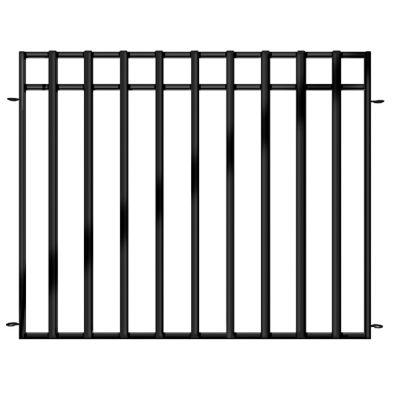
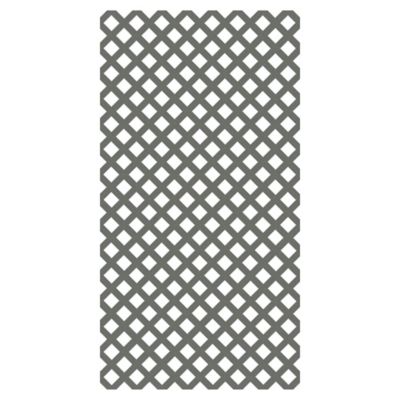
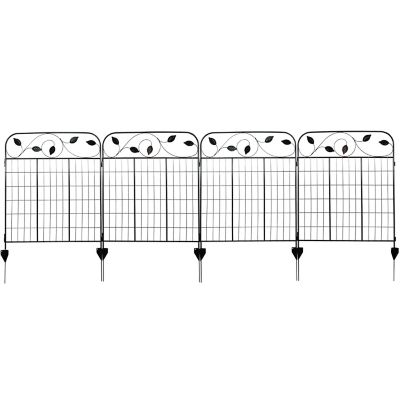
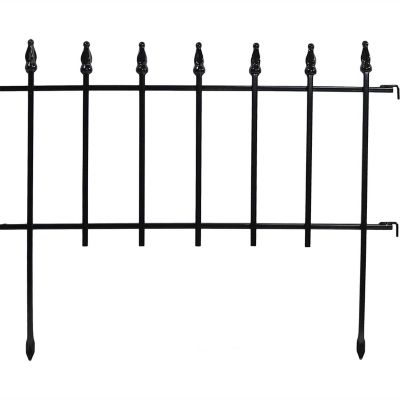
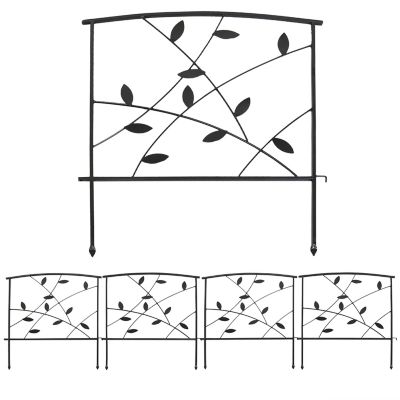
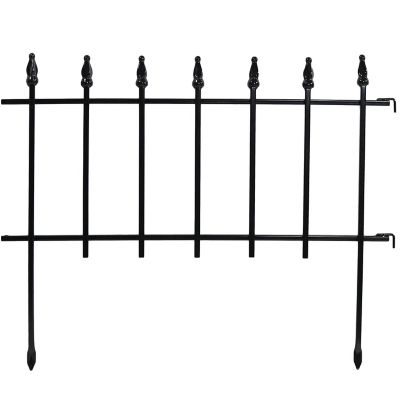
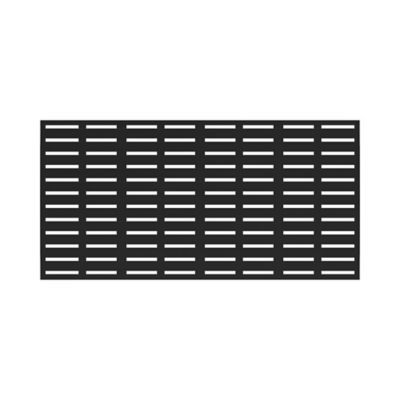
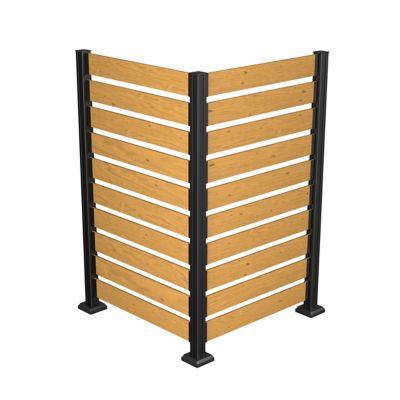
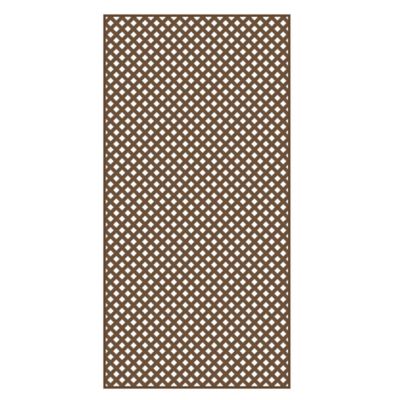
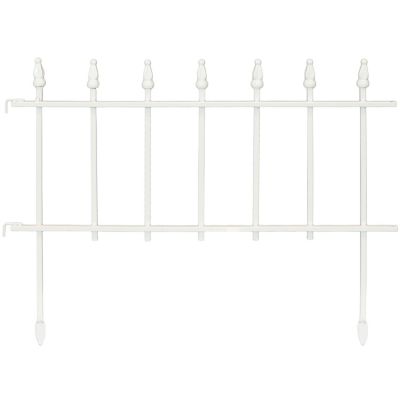
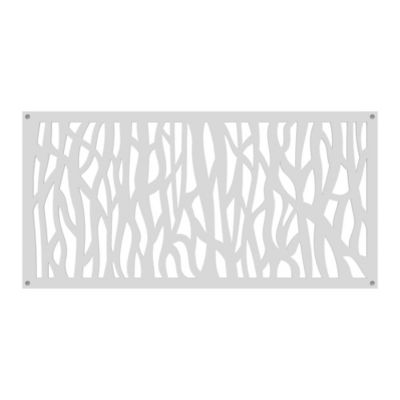
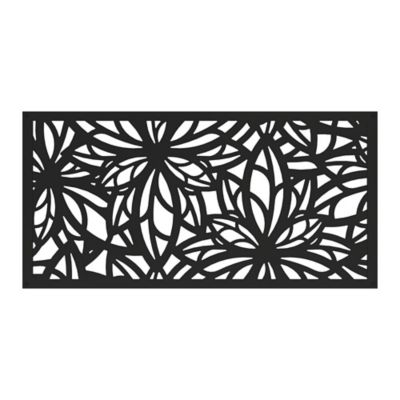
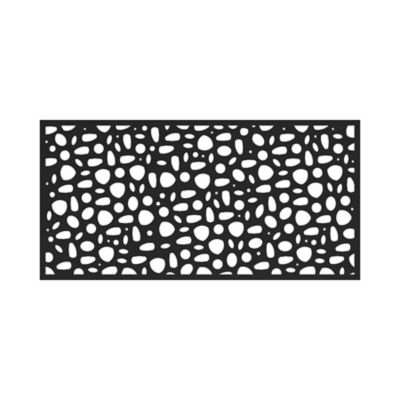
Outdoor panels help make a yard, porch, or patio feel more settled without turning every open space into a fenced enclosure. A panel beside a seating area can soften the view of a neighboring driveway, while a short run near a garden can separate the footpath from the place where tools and supplies gather. Around a country home, that separation can be useful when the same yard connects the house, workshop, garden, and outbuildings. Different parts of the property do different jobs, and panels give those spaces a clearer edge. Solid designs offer more visual screening, while slatted, lattice, and open-pattern designs leave gaps for visibility and airflow. The amount of privacy depends on more than the pattern alone: panel height, spacing, placement, and the angle of the view all affect what someone can see. A screen that blocks the view from the road may still leave a clear sightline from a raised porch next door. Open designs can frame a gathering spot without cutting it off from the rest of the yard, which suits households that want some separation while keeping an eye on nearby activity. For gardeners, panels can create a backdrop for planting beds or mark the edge of a working space, though climbing plants need a structure rated to carry their weight. Near a patio, a panel can help distinguish the eating area from storage or equipment parking. Screening around utility equipment calls for the clearances and access specified by that equipment’s manufacturer. Privacy panels also serve a different purpose from fencing rated for animal containment or barriers required around pools. Their appearance alone does not establish that they can safely perform those jobs. The best fit comes from matching the panel’s stated purpose to the space, whether that means adding privacy beside a back door or giving a broad, open yard a more defined layout.
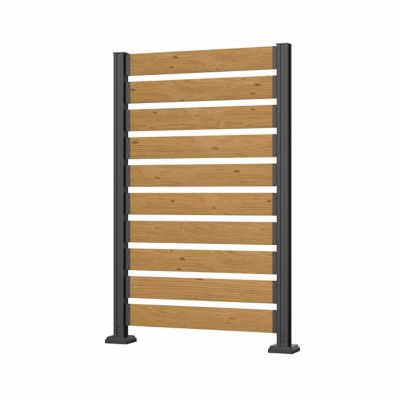
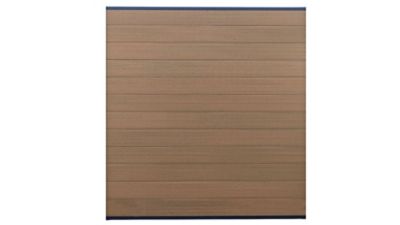
Material plays a big part in how outdoor panels look, feel, and fit into the property. Wood brings visible grain and a familiar fence-like appearance that works alongside garden beds, timber posts, and porch rails. Its upkeep depends on the species, treatment, finish, and installation requirements, especially where the structure sits close to soil or planting areas. Steel offers a firm, substantial feel and can support crisp lines or cutout patterns, with protective finishes helping limit corrosion. Aluminum generally weighs less than steel, making larger sections easier to handle, though strength still depends on the panel’s construction and supporting system. Vinyl offers a smooth surface that does not need painting, while composite materials vary in appearance, weight, and care requirements according to their makeup. For an area where the screening itself will be a visible feature,
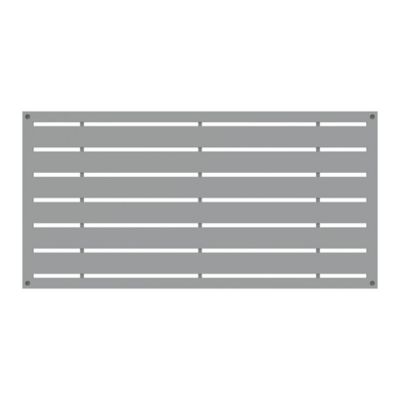
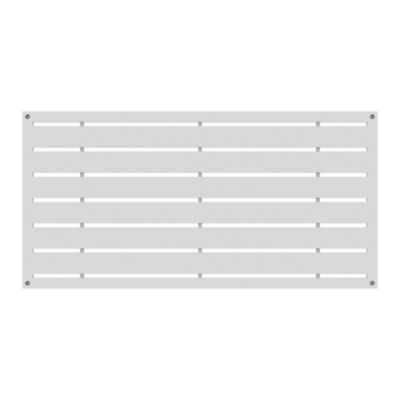
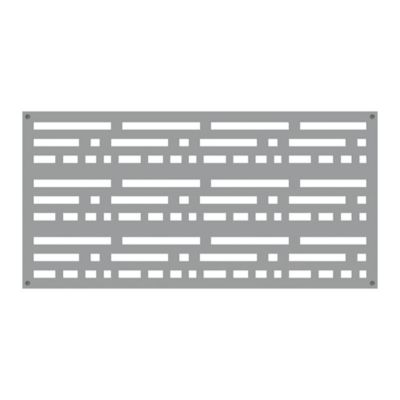
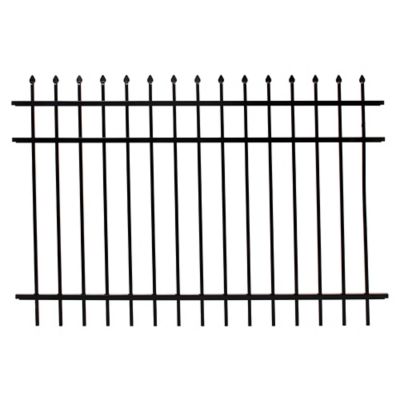
Outdoor Metal Privacy Panels offer a related direction to explore. Across materials, solid surfaces create a more enclosed feel, while openings break up the panel’s outline and let parts of the surrounding landscape remain visible. Finish color can make a difference, too: darker tones often sit quietly against shrubs and trees, while lighter tones stand out against brick, siding, or a wood fence. Physical fit matters just as much as appearance. The listed panel width may not include posts, brackets, or the gaps required between sections, so the completed run can occupy more space than the panels alone suggest. Height measurements also need context, particularly when the ground slopes or a panel sits above a raised deck. Some systems mount between permanent posts, some attach to a suitable existing structure, and others have their own bases. Those arrangements are not interchangeable. A deck rail, thin trim board, or loose garden soil should not be assumed to provide the support a panel needs. Manufacturer-specified anchors, compatible hardware, and a suitable mounting surface help the whole assembly work as intended. On uneven ground, the difference between stepped sections and a system designed to follow a slope can affect both the finished appearance and the space beneath the panels.
Day-to-day practicality often decides whether outdoor panels feel like a welcome addition or something that gets in the way. A screened corner still needs enough room to pull out a chair, carry a feed sack past the table, or roll a garden cart through without catching a handle. Near a shed or workshop, access for larger equipment matters as much as the view from the house. Gates and removable sections can serve those openings when they are part of a compatible system, rather than an improvised change to a fixed panel. At ground level, clearance affects mowing, trimming, and keeping soil or mulch away from surfaces that are not rated for direct contact. Panels beside planting beds also need room for mature branches, not just the small plants present at installation. Care varies by material, but a little access around the structure makes most routine tasks easier. Dirt and plant debris can collect in narrow openings, along lower rails, and around mounting points; cleaning methods should follow the finish manufacturer’s recommendations rather than relying on stiff brushes or strong cleaners that may mark the surface. Wood may need periodic sealing, staining, or painting, depending on its treatment and finish. Metal panels benefit from attention to scratches, worn coatings, and hardware condition, while vinyl and composite surfaces have their own limits for cleaning products and repair methods. Loose fasteners, shifting posts, and damaged brackets deserve attention because a panel works as part of an assembly, not as a sheet standing on its own. Property lines, easements, neighborhood rules, and local requirements can also affect placement and height. With those details accounted for, outdoor panels can look at home beside a farmhouse porch, a compact patio, or a garden path. Their value lies in making the space work better: a clearer boundary, a less exposed sitting area, or a tidy division between the places where folks relax and the places where chores get done.