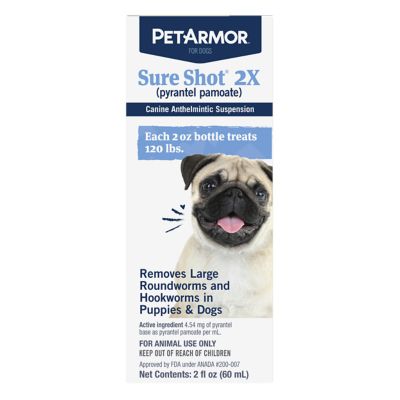
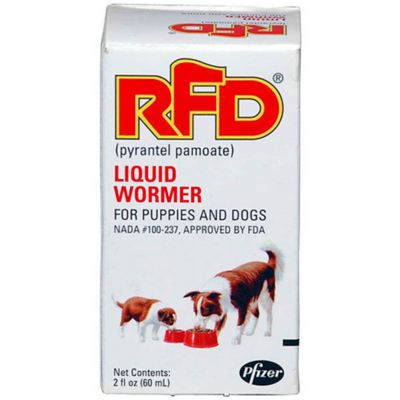
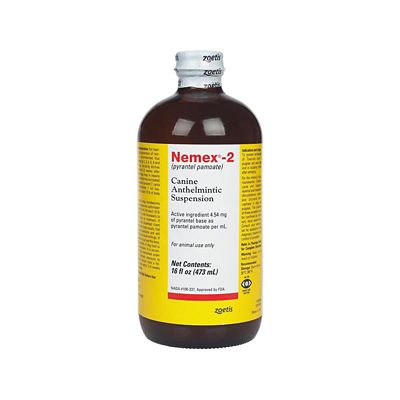
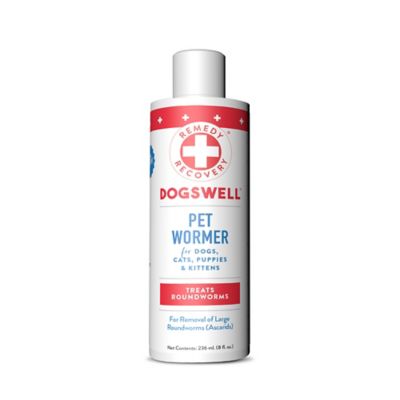
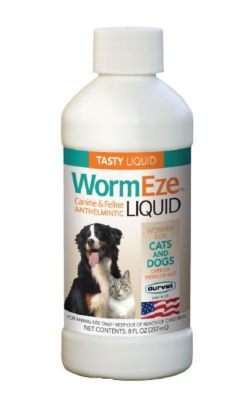
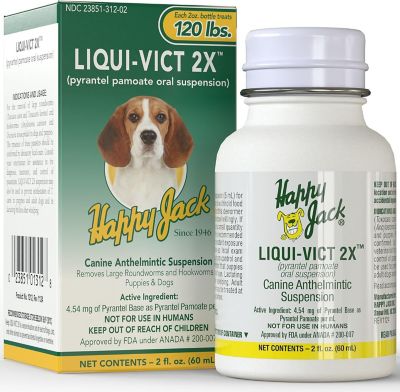
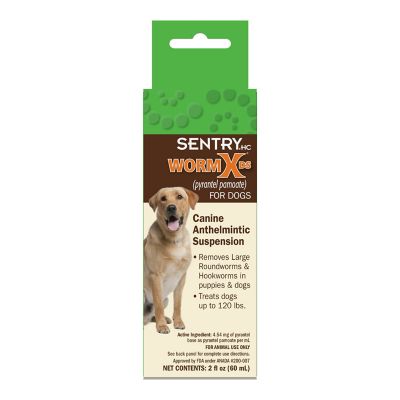
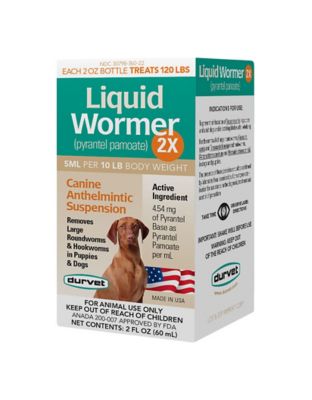
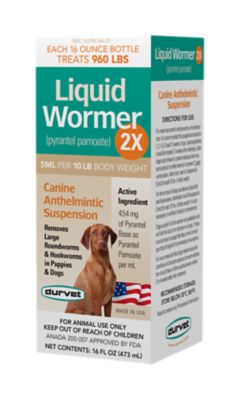
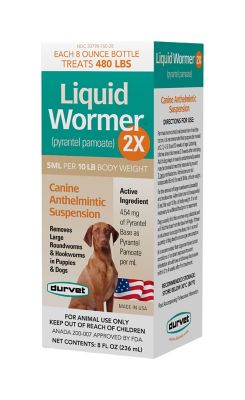
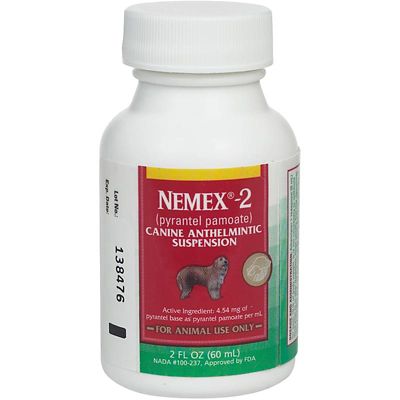
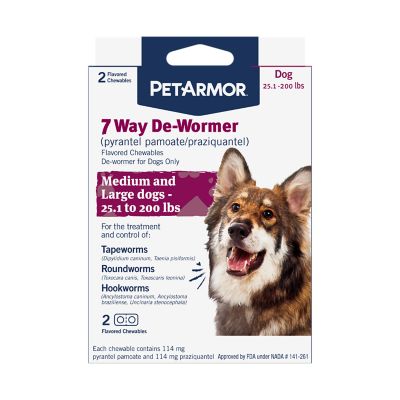
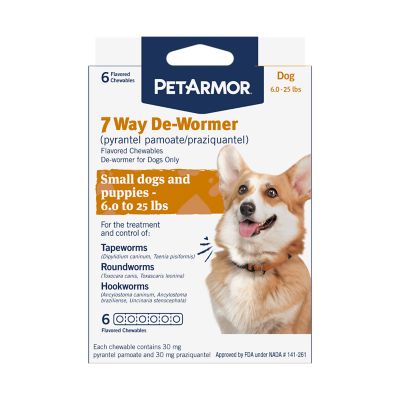
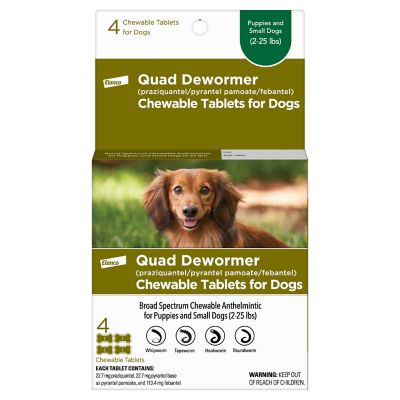
Liquid dewormer for dogs is an oral medication formulated to treat certain intestinal worms, with the parasites covered depending on the active ingredient and the product label. Pyrantel pamoate is a common ingredient in this category and targets susceptible roundworms and hookworms. It does not treat every intestinal parasite, so a liquid wormer should not be assumed to cover tapeworms, whipworms, or other causes of digestive trouble. Matching the medication to the parasite matters more than choosing a flavor or bottle size. A veterinarian can recommend fecal testing and help identify the treatment that fits a dog’s needs, especially when symptoms keep coming back or the dog’s parasite history is unclear. For folks caring for a new litter, a recently adopted companion, or a grown dog that spends plenty of time around the property, liquid formulas offer an alternative to tablets. They can be helpful when a dog resists swallowing pills or when the labeled amount calls for careful measurement. Still, being a liquid does not automatically make a medication suitable for every dog. Age, body weight, health conditions, and other medications all belong in the decision. Some pyrantel pamoate formulations are labeled for puppies beginning at two weeks of age, but that age limit is not a rule for all liquid dewormers. The label and veterinary guidance should determine whether a formula is appropriate for a young puppy, a pregnant or nursing dog, or an animal recovering from illness. Worms are not always visible in a dog’s stool, and a dog may carry parasites without obvious signs. On the other hand, loose stool, poor growth, or a change in appetite can have causes unrelated to worms. That is why product selection should start with the dog and the treatment need, rather than the assumption that every digestive problem calls for a wormer. Liquid dewormer belongs in a planned parasite-care routine, not as a catch-all remedy for a dog that seems off.
The practical differences between liquid dewormers include their active ingredients, concentrations, labeled weight ranges, minimum ages, and administration directions. Two bottles containing the same ingredient can have different strengths, so the same number of milliliters may not deliver the same amount of medication. A dog’s recent weight is essential for following weight-based directions, particularly with growing puppies or dogs whose size has changed. Guessing from appearance is no substitute for a scale, and dosing directions from one bottle should never carry over to another without checking the label. An oral dosing syringe with clear milliliter markings can make small volumes easier to measure; a kitchen spoon is not a dependable measuring tool. Check whether a measuring device comes with the package and whether its markings suit the amount directed for the dog. Some liquid formulas are suspensions, meaning the contents may need shaking before measurement, as specified on the label. Flavoring may help with acceptance, but even a flavored liquid can draw a head turn from a reluctant dog. For medication directed into the mouth, a calm setting and slow administration along the inside of the cheek can help the dog swallow without a struggle; avoid squirting liquid toward the back of the throat. If a dog spits out part of the medication or vomits afterward, ask a veterinarian before giving more, because the amount swallowed may be uncertain. Some pyrantel pamoate labels do not require withholding food before or after treatment, but feeding directions should come from the particular medication’s label. Mixing medicine into food is also a label-dependent choice. When that method is permitted, a small portion that the dog finishes is easier to keep track of than a full bowl left half-eaten beside the feed-room door. The best fit is a formula whose directions, measuring needs, and labeled purpose work with the dog’s situation—not simply a liquid instead of a pill.
Good handling and follow-through matter after the bottle comes home. Keep liquid dewormer in its original container so the concentration, expiration date, warnings, and dosing directions stay together. Close the cap securely, follow the labeled storage requirements, and choose a place away from children, pets, feed, and food-preparation surfaces. A mudroom cabinet may be convenient, but storage conditions must match the label rather than whatever space happens to be open. Clean measuring equipment as directed, and keep it separate from tools for other animals or medications. A dog wormer should not be swapped with livestock medication or measured according to directions intended for another species. In a household with several dogs, each animal needs its own weight-based assessment and treatment record; sharing a yard does not mean sharing a dose. Record the date, medication, amount given, and any veterinary instructions so repeat treatment does not turn into guesswork. Depending on the parasite and medication, a veterinarian may recommend additional doses or follow-up testing, since one treatment does not necessarily address every stage of an infection or prevent another exposure. Promptly picking up stool, keeping bedding and resting areas clean, and discouraging scavenging support a broader parasite-control plan. Dogs that roam fence lines, visit boarding facilities, or spend time with other dogs may need a plan that reflects those routines. Persistent diarrhea, repeated vomiting, blood in the stool, marked weakness, or pale gums warrant veterinary attention rather than another unplanned dose of wormer. Puppies can become ill quickly, so changes in their appetite, activity, or hydration deserve prompt attention. A veterinarian can also help determine whether
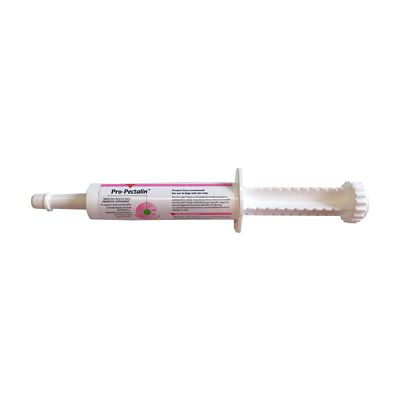
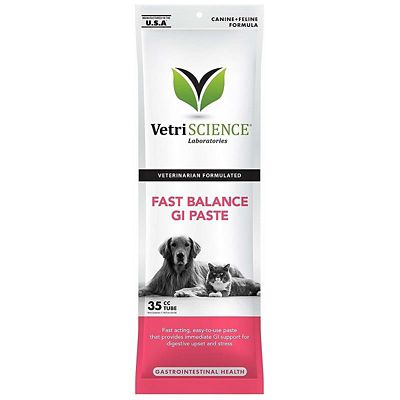
Anti Diarrhea Liquid for Dogs belongs in a digestive-care plan; diarrhea relief serves a different purpose and does not replace treatment for intestinal worms. With the right parasite coverage, clear measurements, and sensible care between treatments, liquid dewormer can fit into the everyday responsibility of keeping a dog healthy, whether that dog rides along for chores or waits by the back door for the next walk.