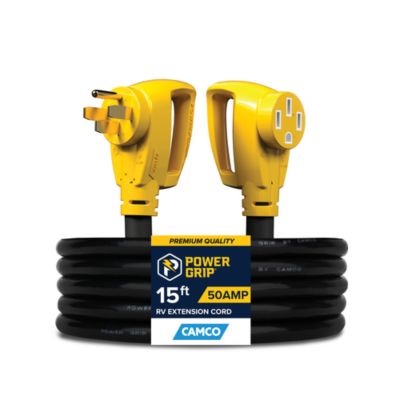
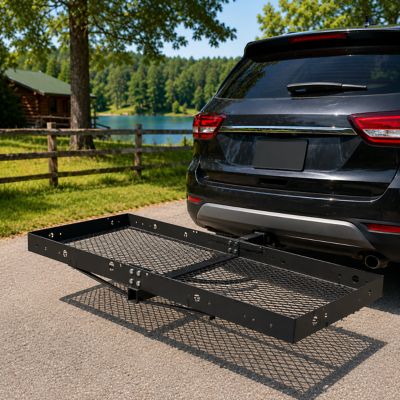
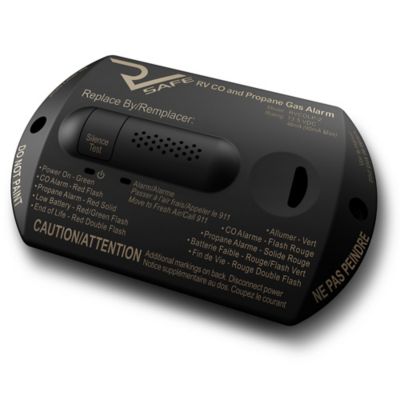
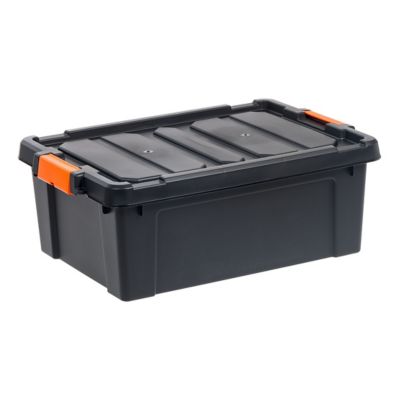
RV camping equipment helps connect a motorhome, travel trailer, fifth wheel or truck camper to the everyday comforts of camp, from steady footing and electrical hookups to drinking water and a comfortable place to sit. The right fit starts with the rig itself: its connection types, electrical service, weight ratings and storage space all shape which equipment makes sense. A couple pulling into a campground for a long weekend may have different needs than a family traveling between several stops, but both depend on gear that fits correctly and packs without crowding the living space. Ground-support equipment deserves particular attention because leveling, stabilizing and preventing wheel movement are separate jobs. Leveling blocks provide support beneath tires on uneven campsites, while wheel chocks help resist rolling when positioned according to the equipment and RV manufacturers’ directions. Stabilizers intended to reduce movement are not a substitute for lifting or leveling equipment. Load ratings, tire dimensions and the surface beneath the rig matter more than whether a piece looks substantial. Molded plastic, rubber and metal each offer different combinations of weight, grip and resistance to wear, and supporting surfaces should be free of cracks or deformation. Electrical equipment also needs to match the RV rather than simply fit into an outlet. Common RV connections include 30-amp and 50-amp service, with cords, adapters and protective devices rated for the intended connection. An adapter changes the connection arrangement; it does not increase the capacity of the campground circuit or the RV. A surge protector addresses voltage spikes, while an electrical management system may also monitor conditions such as high or low voltage, improper wiring and other faults, depending on its listed features. Secure connections and intact cord jackets matter at every stop. Cord length also affects storage and handling, especially when a power pedestal sits farther from the parking pad than expected. Gear that coils neatly and stays protected in transit makes that part of setting up less of a chore.
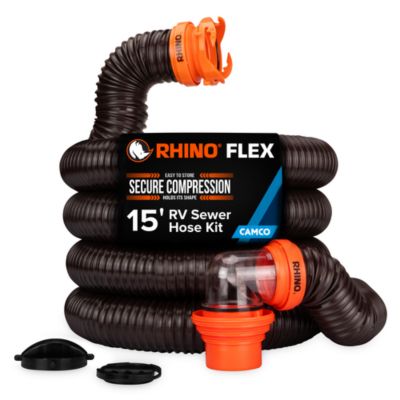
Freshwater and wastewater equipment handle two very different sides of RV camping, and keeping them separate is a basic part of a sensible setup. A drinking-water hose should be specifically labeled for potable water, with fittings that match the rig’s inlet and the campground connection. Hose color alone does not establish that it is suitable for drinking water. Length matters, too: a connection just beyond easy reach can leave a short hose stretched across the campsite, while extra footage takes more room to drain, coil and store. Materials that resist kinking make handling easier, but compatibility with the intended water service remains the main consideration. A water pressure regulator helps limit incoming pressure to a level appropriate for the RV’s plumbing; the correct setting depends on the rig manufacturer’s specifications. Water filtration serves a different purpose, and filter selection depends on the substances the filter is designed and certified to reduce. No single filter should be assumed to address every water concern. On the wastewater side, sewer hoses and fittings need compatible connections, secure seals and enough reach for the site’s approved disposal point. Hose supports can help maintain a suitable slope where the campsite arrangement and local rules allow. Holding-tank treatments should match the RV system and campground requirements rather than stand in for proper tank care. Separate storage for freshwater and sewer equipment helps keep drinking-water connections away from wastewater residue. Washable containers, protective caps and clear separation between storage compartments make that distinction easier to maintain on the road. Gaskets, threaded fittings and hose walls also benefit from regular inspection, since small splits or flattened seals can turn a routine hookup into an unwanted cleanup. Cleaning, draining and storage should follow each component’s directions, including instructions for any sanitation products. When everything has a designated place, the practical side of camp takes up less space and creates less fuss.
Beyond the hookups, RV camping accessories help turn the space beside the door into somewhere folks can settle in after a day of driving, fishing or walking the campground. Seating, ground coverings and compact dining surfaces serve different purposes, so packed dimensions and carrying weight deserve as much attention as their size at camp. A chair that feels comfortable beside the rig still needs to fit through the storage opening, and a folding surface should have the load capacity and stable footing needed for its intended job. Aluminum can help keep frames manageable to carry, while steel often adds weight; fabric weave, stitching and frame connections also affect how seating holds up to repeated trips. Washable surfaces and removable covers can simplify cleanup after muddy boots, spilled coffee or a meal outside. Outdoor mats can help define a sitting area and catch some grit before it reaches the steps, provided their placement follows campground rules. Inside the rig, compact storage equipment helps keep small supplies from shifting during travel, but cabinet dimensions, latch clearance and access to safety equipment still matter. Heavy gear belongs in locations appropriate for the RV’s loading limits, with secure storage that accounts for movement on the road. Lighting suited to the intended location can make steps and work areas easier to see without overwhelming neighboring campsites. For gifts, campsite seating and general organization gear may be easier to match to someone’s habits than plumbing or electrical equipment, which often requires exact specifications. A look at
Must Have RV Accessories can help connect the practical side of the rig with the way your crew likes to camp. Whether the trip centers on quiet mornings with coffee or a campsite full of family, the most useful equipment earns its storage space through proper fit, straightforward care and a clear purpose. Clean surfaces, sound fasteners and storage that prevents rubbing or crushing help keep that equipment ready for the next stretch of road.